A Simple Daily Drink for Better Blood Sugar and Cholesterol Support
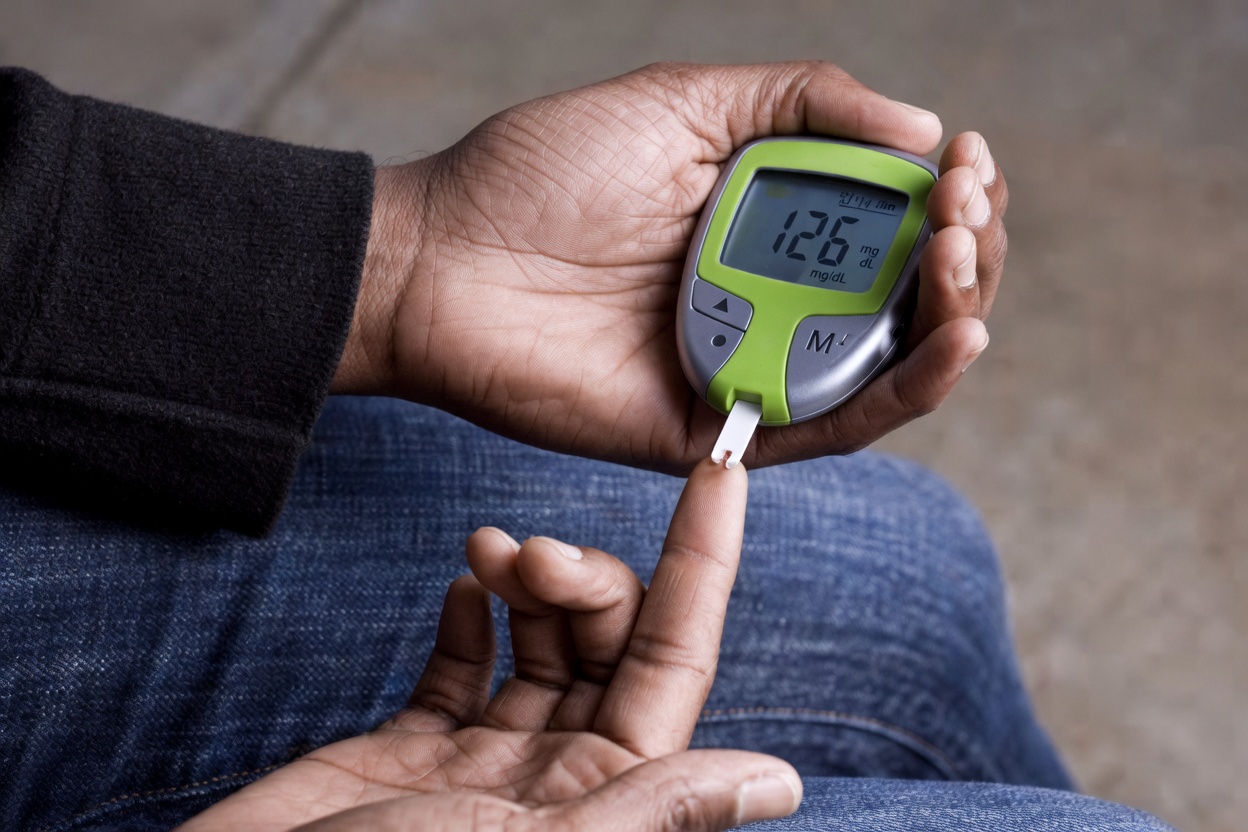
You start the morning with your usual coffee, only to crash by mid-morning—then you remember your latest lab results: blood sugar is creeping up, cholesterol is trending the wrong way, and it feels like you’re always playing defense. When these numbers don’t improve (even with diet changes and medications), the worry can be constant: long-term heart risk, complications, and the exhausting sense that one problem makes the other worse.
What if a calming, natural beverage could become a small but consistent part of your daily support plan? Green tea is increasingly recognized as a top natural drink for supporting healthy blood sugar and cholesterol levels—and by the end of this article, you’ll have a simple “enhanced” green tea recipe that fits easily into real life.

Why Blood Sugar and Cholesterol Problems Often Show Up Together
High blood sugar and unhealthy cholesterol levels frequently travel as a pair. When glucose regulation is off, it can influence how the body handles fats (lipids), and the result is often a frustrating loop: more concern about cardiovascular health, more monitoring, and less day-to-day peace of mind.
What makes this especially difficult is the emotional toll. Seeing numbers stay stubborn—despite genuine effort—can lead to stress, and stress itself can affect sleep, appetite, and metabolic health. This is one reason many people look for gentle daily habits that support the body without adding more complexity.
Research and major health organizations (including perspectives often echoed in guidance aligned with the American Heart Association) commonly emphasize a combined approach: lifestyle choices that help manage blood sugar and cholesterol together. Within that broader strategy, smart beverage choices—like choosing green tea instead of sweetened drinks—can be a practical step toward feeling more in control.
How Green Tea Supports Metabolic Balance: The Science Explained
Green tea is rich in natural antioxidants called catechins, especially EGCG (epigallocatechin gallate). These compounds are widely studied for their role in metabolic health.
Here’s what research has explored about green tea’s dual-action potential:
- Blood sugar support: Studies (including meta-analyses in reputable journals) link green tea consumption with improved insulin sensitivity in some populations. Better insulin sensitivity helps cells use glucose more effectively, which may support steadier energy and fewer unwanted spikes.
- Cholesterol support: Green tea has also been associated with modest improvements in lipid profiles, and research suggests it may help reduce oxidation of LDL (“bad”) cholesterol, a process tied to cardiovascular risk.
- Inflammation and oxidative stress: Because catechins are antioxidants, green tea may help address oxidative stress and inflammation—two factors connected to both glucose and lipid imbalance.
An additional, emerging idea: combining green tea with certain spices—especially cinnamon—may provide complementary support for blood sugar management. It’s not a “miracle fix,” but it can be a sustainable, evidence-informed habit when used consistently alongside your clinician’s guidance.

Green Tea vs. Other Popular Drinks (Quick Comparison)
Many beverages are marketed for wellness, so why does green tea often stand out for people focused on both blood sugar and cholesterol? This snapshot makes it clearer:
| Drink | Blood Sugar Support Potential | Cholesterol Support Potential | Daily Convenience | Research Support |
|---|---|---|---|---|
| Green tea | Strong (insulin sensitivity support) | Strong (lipid/LDL support) | Very high | High (multiple studies) |
| Cinnamon water | Moderate | Moderate | High | Emerging |
| Oat-based drinks | Good | Strong (beta-glucan) | Medium | Good |
| Lemon water | Mild | Mild | Very high | Limited |
| Plain water | Foundational | Neutral | Highest | Essential |
For many people, green tea ranks highly because it offers meaningful support on both fronts while being easy to prepare and simple to repeat daily.
Real-Life Fit: What Daily Green Tea Can Look Like
Changing health markers can take time, so daily habits need to feel realistic—not like another burden. Here are examples of how green tea can fit into routine without major disruption.

- Example 1: A woman in her late 50s who felt regular afternoon fatigue replaced her usual afternoon drink with green tea plus a small amount of cinnamon. Over several months (while continuing her clinician-recommended plan), she reported steadier energy and encouraging trends in follow-up wellness markers.
- Example 2: A man in his early 60s who felt overwhelmed by side effects and persistent lab results added green tea to his morning ritual. He described feeling more in control of his routine and saw gradual improvements over time.
These experiences don’t prove cause-and-effect, but they do reflect a common theme: green tea isn’t a standalone treatment—yet it can be a supportive daily tool that feels empowering rather than exhausting.
Benefits of Making Green Tea a Regular Habit
When used consistently (and unsweetened), green tea may offer several advantages for people trying to support healthier blood sugar and cholesterol:
- Helps replace sugary beverages that can worsen glucose spikes
- Delivers antioxidant catechins that support protection from oxidative stress
- May support insulin sensitivity, improving how the body handles glucose
- May support healthier lipid levels over time, including LDL-related markers
- Supports inflammation management, relevant to both metabolic issues
- Provides steadier energy for many people compared with sweetened drinks
- Supports heart-focused lifestyle goals, especially when paired with diet and activity
- Generally gentle on digestion when brewed properly and not over-consumed
- Easy to customize with lemon, ginger, or cinnamon
- Affordable and simple, making consistency more realistic
The biggest advantage is sustainability: small daily choices often add up more effectively than drastic short-lived changes.

Simple Enhanced Recipe: Green Tea + Cinnamon (Daily Support Drink)
This recipe is designed to keep preparation easy while enhancing green tea with a popular complementary spice.
Ingredients (1 serving)
- 1 green tea bag or 1 teaspoon loose-leaf green tea
- 1 cup water (about 175°F / 80°C, not boiling)
- 1/2 teaspoon ground cinnamon or 1 cinnamon stick
- Optional: fresh ginger slice or a squeeze of lemon
Directions
- Heat water to about 175°F / 80°C (avoid boiling to help preserve delicate compounds).
- Steep green tea for 2–3 minutes.
- Stir in cinnamon (or infuse with a cinnamon stick).
- Add ginger or lemon if desired.
- Drink unsweetened to avoid undermining blood sugar goals.
Start with one cup per day, then adjust based on tolerance, caffeine sensitivity, and your healthcare provider’s recommendations.
Practical Tips to Get the Most From Green Tea
- Choose quality tea: Options like sencha or matcha are popular; select reputable brands for freshness.
- Avoid over-steeping: Longer steep times can increase bitterness and may be harder on sensitive stomachs.
- Keep it unsweetened: If you need flavor, use cinnamon, lemon, or ginger rather than sugar or syrup.
- Time it well: Many people prefer morning or mid-afternoon to support alertness without disrupting sleep.
- Be consistent: Benefits studied in research are typically linked to regular intake over time, not occasional use.
- Check interactions if needed: If you take medications or manage a medical condition, confirm with a clinician—especially if you’re increasing intake or using concentrated forms (like supplements).