
Feeling Tired After Breakfast? Two Boiled Eggs Can Change Your Morning
Waking up drained, unfocused, and already craving something sweet isn’t uncommon. Many people reach for quick breakfasts—muffins, sugary cereal, or just coffee—only to feel hungry again a couple of hours later. If your mornings regularly end in a snack hunt and a foggy brain, your breakfast may be the reason.
Now picture this instead: two perfectly boiled eggs. You crack the shell, bite into a warm, creamy yolk, and feel steady energy that lasts through your busiest morning hours—without constant cravings. It’s simple, affordable, and surprisingly powerful.
Below are 13 science-backed benefits of eating boiled eggs every morning, plus easy ways to make the habit effortless and tasty.

Why Boiled Eggs Are a Morning Game-Changer
Boiled eggs are one of the most nutrient-dense breakfast foods you can buy. Each egg contains roughly 70–80 calories, along with high-quality protein, healthy fats, and a wide range of essential vitamins and minerals (including several B vitamins, selenium, and vitamin D).
Unlike many carb-heavy breakfast options, eggs tend to support stable blood sugar and longer-lasting fullness—so you’re less likely to experience the classic “breakfast crash.”
As we get older (especially after age 30), metabolism often slows, muscle maintenance becomes harder, and protein needs become more important. Research also suggests many adults eat too little protein in the morning, which can lead to overeating later, low energy, and slow progress with weight goals. Boiled eggs are a straightforward fix.
Quick self-check: On a scale of 1–5, how fast do you feel hungry again after breakfast? If you’re consistently above 3, eggs may surprise you.
Benefits 1–4: Fast Wins You’ll Notice Quickly
1) Better Fullness and Weight Management Support
Eggs are well-known for promoting satiety. Studies comparing egg breakfasts to bagels (or similar options) have found that people often eat significantly fewer calories later in the day—sometimes up to 400 fewer—after an egg-based breakfast.
Why it matters: the mix of protein and fat helps reduce hunger signals (including ghrelin) and increases feelings of fullness.
Real-life example – Sarah, 42 (accountant and mom):
She used to grab a muffin, crash mid-morning, and snack all afternoon. After switching to two boiled eggs plus spinach, she lost 12 pounds in three months without feeling deprived.
2) Supports Muscle Maintenance and Recovery
Each large egg provides about 6 grams of complete protein with all nine essential amino acids. Starting your day with protein supports muscle protein synthesis, which becomes increasingly important as age-related muscle loss (sarcopenia) accelerates.
3) More Stable, Crash-Free Energy
Eggs provide energy in a slower, steadier way than sugar-heavy breakfasts. Plus, egg yolks contain choline, which supports production of acetylcholine, a neurotransmitter linked to focus and mental stamina.
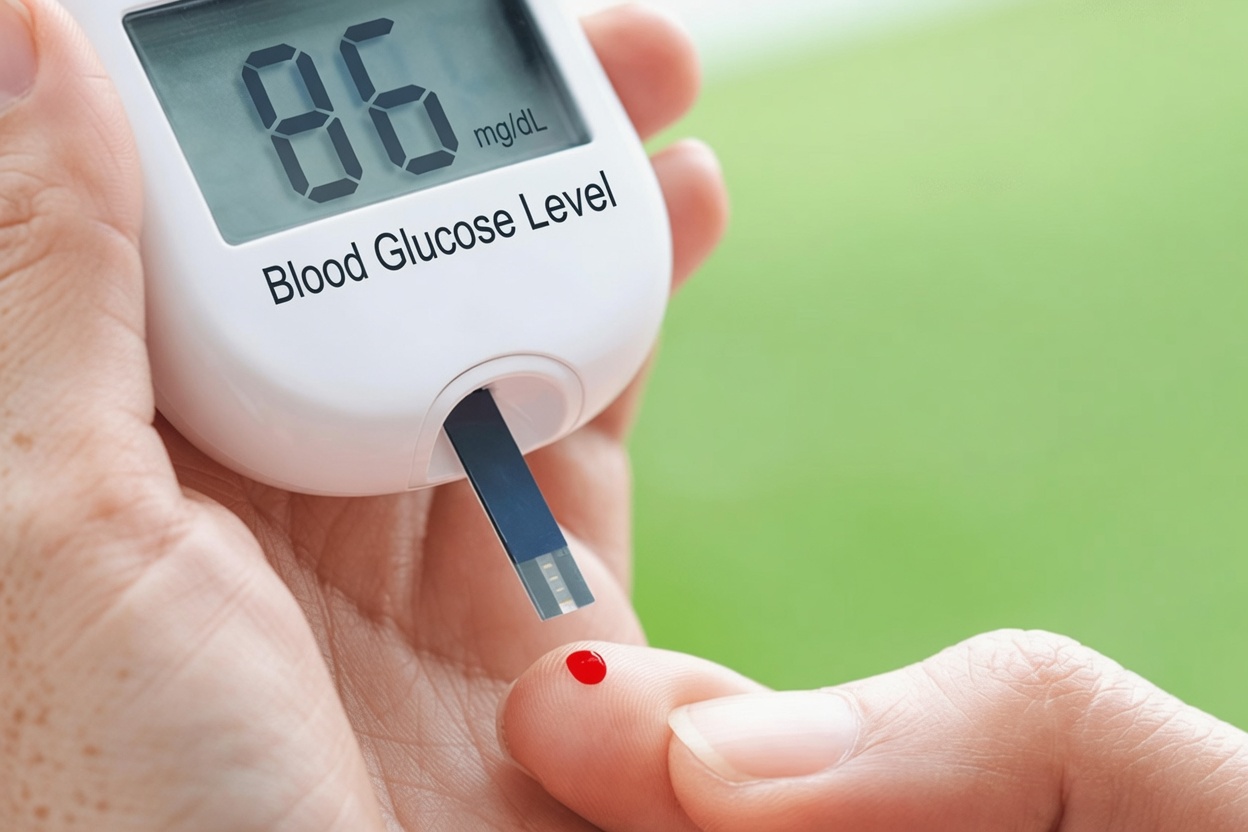
4) Helps Keep Blood Sugar Steadier
Egg-based breakfasts are associated with lower post-meal blood glucose and insulin spikes compared with typical cereal breakfasts. This can be helpful for people aiming to avoid energy dips, including those managing prediabetes, PCOS, or frequent cravings.
Benefits 5–8: Momentum Builders for Long-Term Health
5) Eye Health and Macular Protection
Egg yolks are a top natural source of lutein and zeaxanthin, antioxidants that concentrate in the retina. Higher intake is linked with reduced risk of age-related macular degeneration and may support clearer vision as you age.
6) Brain Support from Choline
Many people don’t get enough choline, yet it’s critical for brain cell membranes, memory, and mood regulation. One egg can provide roughly a quarter of daily choline needs, making boiled eggs an easy way to close the gap. Low choline intake has been associated with cognitive decline.

7) Heart Health: Eggs Aren’t the Villain
Modern reviews generally show that moderate egg intake (about 1–2 eggs daily) does not raise heart disease risk for most people and may improve HDL (“good”) cholesterol. Eggs also provide nutrients such as B12 and folate, which support healthy homocysteine metabolism.
8) Stronger Bones and Better Immune Support
Eggs provide vitamin D (in the yolk), B12, and selenium—nutrients involved in bone health and immune function. Selenium also acts as an antioxidant, helping protect cells from oxidative stress.
Benefits 9–12: Big Lifestyle Upgrades
9) Healthier Skin, Hair, and Nails
Eggs contain protein, biotin, and zinc, which support keratin production and tissue repair. With consistent intake, many people notice stronger nails and healthier-looking hair.
10) Mood Support and Less Anxiety
Eggs contain tryptophan, a building block for serotonin. Combined with their B-vitamin profile, eggs may help support neurotransmitter balance. Some research links higher B-vitamin intake with a lower risk of depressive symptoms.
11) Liver Support and Healthy Fat Metabolism
Choline plays a key role in moving fat out of the liver. Adequate choline intake supports liver health and may help reduce the risk of fat accumulation in the liver over time.
12) Anti-Inflammatory Potential
Depending on the eggs you choose, you may also get small amounts of omega-3s (especially in omega-3 or pasture-raised eggs), alongside antioxidants like selenium and vitamin E—nutrients connected to healthy inflammatory balance.
Benefit 13: Metabolism and Hormone Balance Support
13) Promotes Metabolic Efficiency and Hormonal Harmony
A protein-rich breakfast can help “anchor” the day by supporting stable energy, appetite control, and healthier cortisol patterns. Eggs also provide nutrients that contribute to hormone-related systems:
- For women: nutrients such as zinc and iodine (primarily in the yolk) support thyroid function and overall hormonal balance.
- For men: dietary cholesterol is a building block for hormones such as testosterone, and eggs provide it in a nutrient-rich package.
Real-life example – David, 55 (construction manager):
He struggled with mid-morning crashes and stubborn belly fat. After adopting two eggs each morning with black coffee, his energy stabilized and his waist dropped 3 inches in four months.
How to Boil Eggs Perfectly (Plus Easy Flavor Upgrades)
Basic Boiled Egg Method
- Place eggs in a pot and cover with cold water (about 1 inch / 2–3 cm above the eggs).
- Bring to a boil, then cover the pot and remove it from heat.
- Let sit 9–12 minutes, depending on whether you prefer a softer or firmer yolk.
- Transfer eggs to an ice bath to cool—this also helps them peel more easily.
Quick Ways to Make Boiled Eggs More Delicious
- Sprinkle with Everything Bagel seasoning
- Mash with avocado and a little hot sauce
- Slice over sautéed spinach for a micronutrient boost
- Pair with a simple side like berries for a balanced breakfast
Boiled Eggs vs. Common Breakfasts (Quick Comparison)
| Breakfast Choice | Protein (g) | Typical Satiety | Blood Sugar Impact | Nutrient Density | Approx. Cost |
|---|---|---|---|---|---|
| 2 boiled eggs | 12–13 | 3–5 hours | Very low | Extremely high | $0.40–$0.60 |
| Oatmeal + banana | 5–7 | 1–2 hours | Moderate spike | Moderate | ~$0.80 |
| Yogurt parfait | 10–12 | 2–3 hours | Moderate | Good | ~$1.50 |
| Bagel + cream cheese | 8–10 | 1–2 hours | High spike | Low | ~$1.20 |
| Protein shake | 20–30 | 2–4 hours | Low | Varies | $2.00+ |
What to Expect (and Safety Notes)
Many people notice fewer cravings and steadier energy within 7–14 days. Visible changes in body composition and waistline often take 4–12 weeks, depending on overall diet, activity, and sleep. If possible, choose pasture-raised or omega-3 eggs for added nutritional benefits.
Who Should Be Cautious?
- Anyone with an egg allergy
- People with specific cholesterol-related medical conditions (such as familial hypercholesterolemia) should discuss egg intake with their clinician
Disclaimer: This content is for informational purposes only and is not a substitute for professional medical advice. Always consult a qualified healthcare provider for personalized guidance.
Final Thoughts: A Simple Habit for All-Day Vitality
Picture yourself 30 days from now: waking up clearer, staying full through the morning, and getting more done without constant snacking. The “cost” of skipping a better breakfast is often the same cycle—energy crashes, cravings, and stalled progress. The upside of a small ritual like two boiled eggs each morning can be surprisingly large.
One last key takeaway: don’t skip the yolk. That’s where much of the choline, eye-protective carotenoids, and beneficial fats are concentrated—leaving it out means missing a major part of what makes eggs so valuable.
Two eggs. One small change. A stronger, more focused morning.