Looking for a Quick Fix for Wrinkles or Dark Spots?
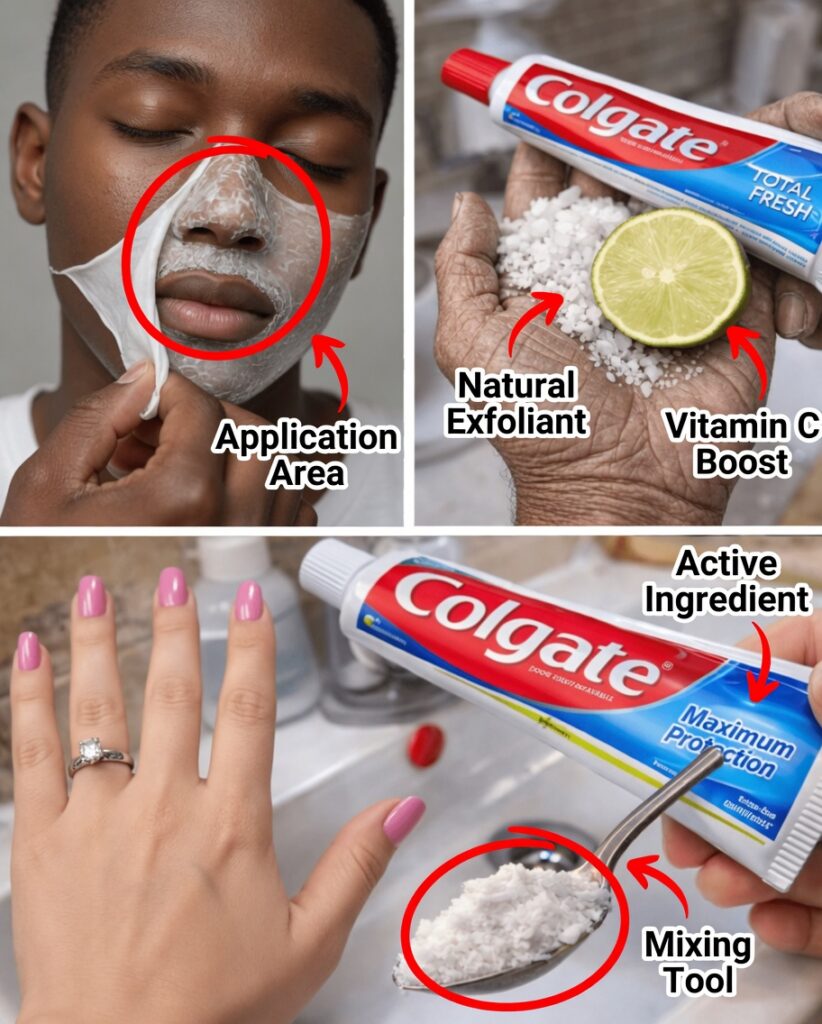
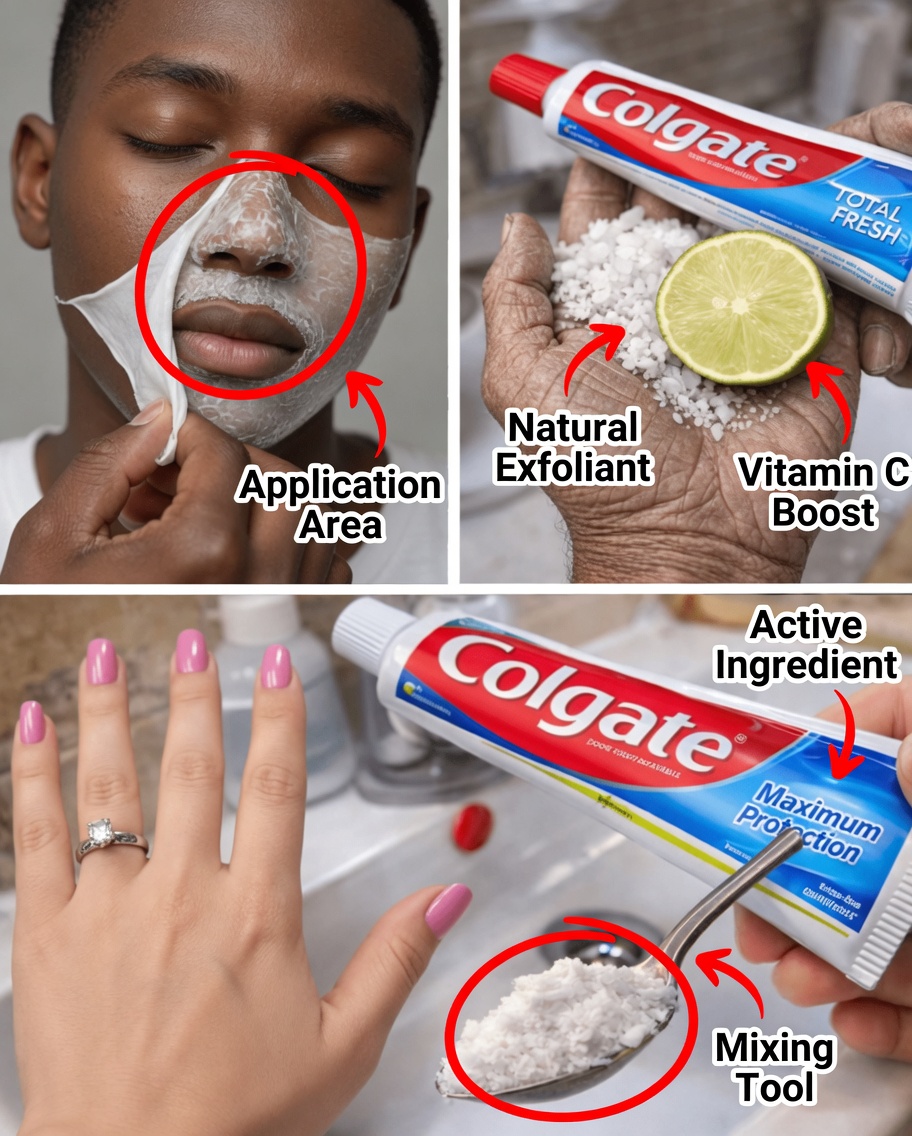
If you’ve ever wished for a fast way to soften wrinkles or fade dark spots, you’re not alone. A popular DIY skincare rumor claims that toothpaste and baking soda can improve the look of aging skin. It sounds convenient—two cheap items already sitting in your bathroom or kitchen.
But does this home remedy actually work, or can it backfire?
The Toothpaste and Baking Soda Skincare Myth
When skin concerns are visible—like fine lines, wrinkles, and hyperpigmentation—it’s easy to be drawn to “instant” solutions. Toothpaste and baking soda are often praised online because they feel cleansing and mildly exfoliating.
The problem: neither toothpaste nor baking soda is formulated for facial skin, especially not for mature or sensitive skin. Their ingredients and pH can disrupt the skin barrier, leading to irritation and dryness—issues that can make wrinkles and discoloration look even worse.
Why People Try Toothpaste and Baking Soda on the Face
There are a few reasons these DIY methods stay popular:
- They’re inexpensive and easy to find
- They’re associated with “cleaning” and “brightening”
- They create a tingling or tightening sensation that people mistake for results
However, skincare is not the same as cleaning teeth or scrubbing surfaces. Facial skin needs balanced, barrier-supporting care, not harsh abrasives or strong alkaline products.
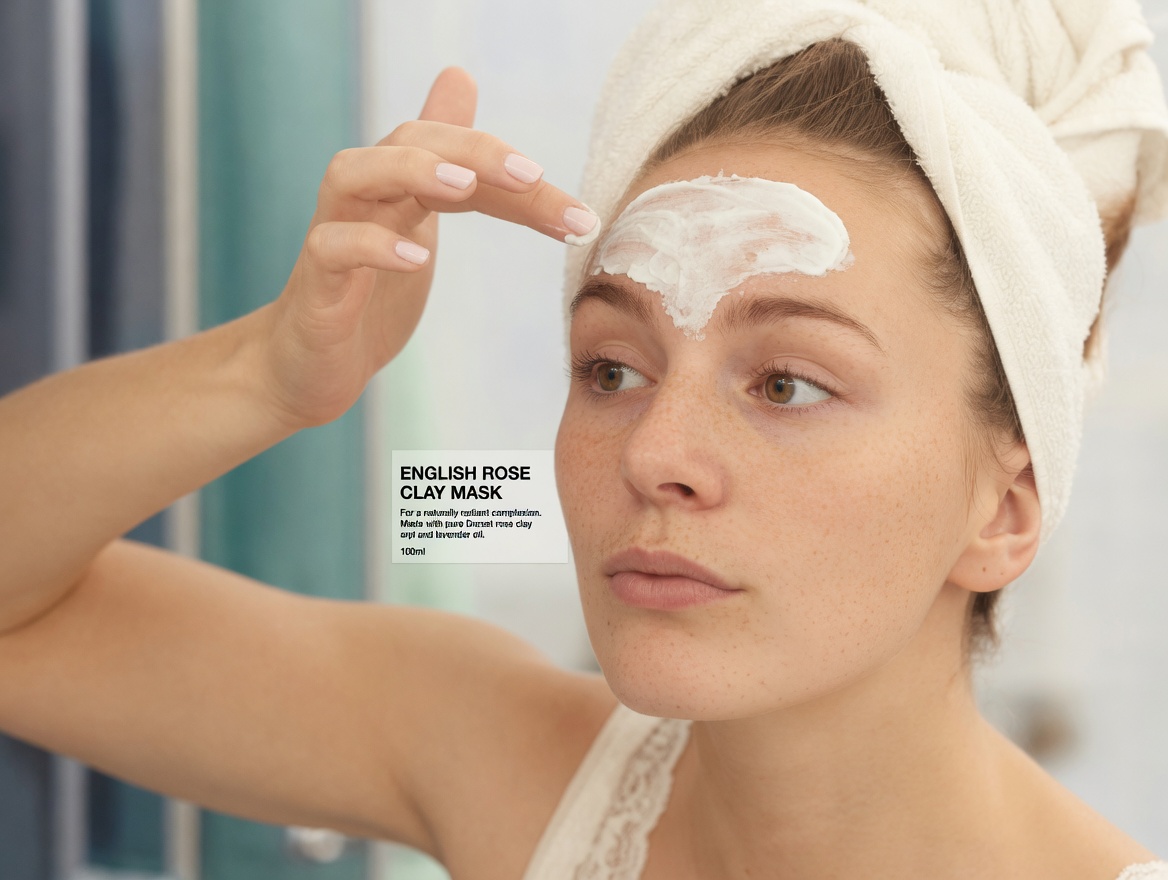
Why Toothpaste Is a Bad Idea for Wrinkles and Dark Spots
Toothpaste may contain ingredients that work well for oral care but are often too aggressive for the face, such as:
- Fluoride
- Menthol
- Strong flavoring agents and detergents
- Sometimes even added abrasives or baking soda
These can trigger:
- Redness and inflammation
- Stinging, dryness, or peeling
- Allergic reactions in some people
For aging skin, which tends to be thinner and more reactive, toothpaste can increase sensitivity and worsen irritation—making the skin look less smooth over time.
Why Baking Soda Can Damage the Skin Barrier
Baking soda is frequently used in DIY exfoliation, but it comes with a major drawback: it is highly alkaline. Facial skin naturally prefers a slightly acidic pH, and disrupting that balance can lead to:
- Dryness and flaking
- Redness and irritation
- Increased vulnerability to sensitivity and environmental stress
Because baking soda can strip away protective oils, it may leave aging skin looking tighter temporarily—but ultimately more dehydrated, which can emphasize fine lines and uneven texture.
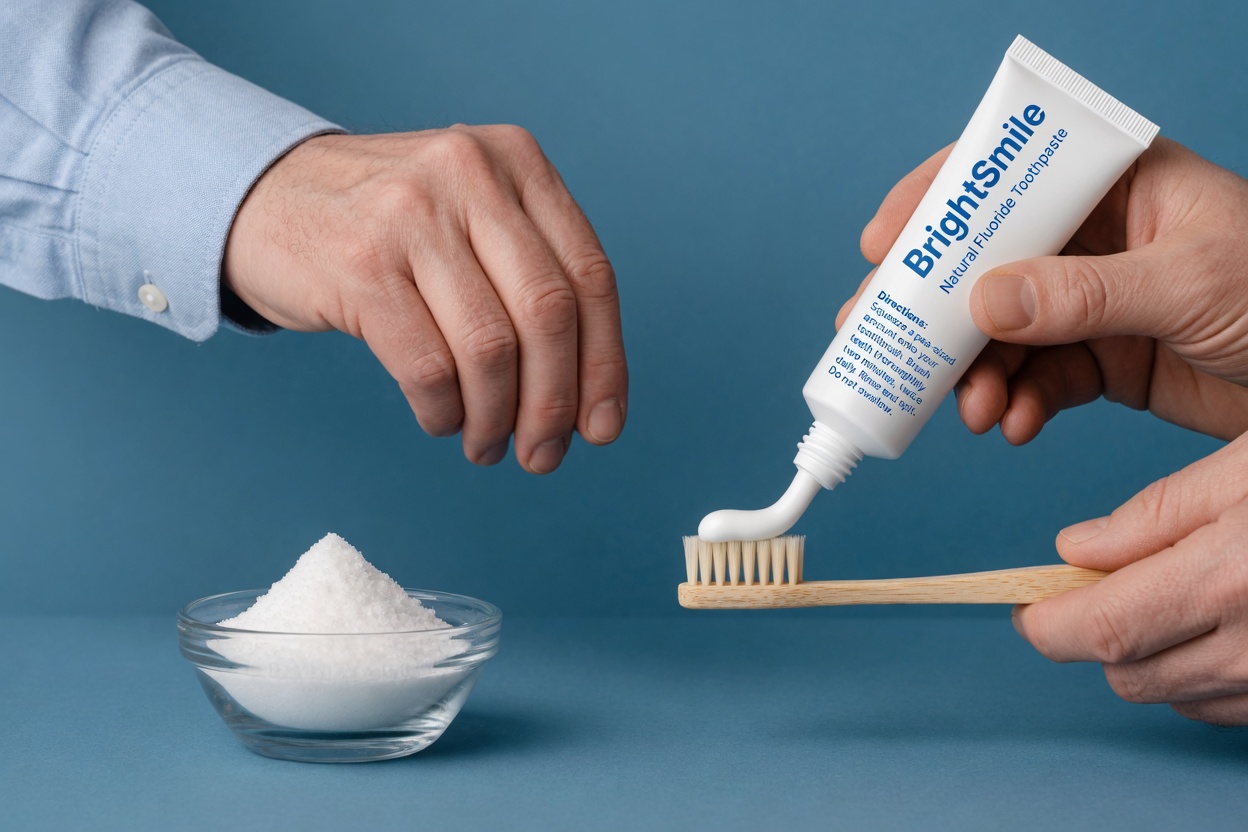
What to Use Instead: Safer Skincare for Wrinkles and Dark Spots
If your goals are wrinkle reduction and dark spot fading, choose ingredients backed by research and designed for facial use.
1. Retinol or Retinoids for Fine Lines and Wrinkles
Retinol and prescription retinoids (Vitamin A derivatives) support smoother, firmer-looking skin by:
- Encouraging cell turnover
- Supporting collagen production
- Improving texture and the look of fine lines over time
Start slowly to avoid irritation, especially if your skin is mature or sensitive.
2. Vitamin C to Brighten and Reduce Dark Spots
Vitamin C is a powerful antioxidant often used to improve dullness and uneven tone. With consistent use, it can help:
- Visibly brighten the complexion
- Reduce the appearance of dark spots
- Support defense against environmental damage
Look for stabilized Vitamin C in a serum for better performance.
3. Hyaluronic Acid for Hydration and Plumper Skin
Hyaluronic acid helps skin hold water, which is essential for minimizing the appearance of dryness-related fine lines. It can:
- Boost hydration and softness
- Improve the look of skin fullness and elasticity
- Support a healthier-looking skin surface
4. Sunscreen Is Essential (Every Single Day)
If you’re serious about preventing wrinkles and improving dark spots, daily sunscreen is non-negotiable. UV exposure is a leading cause of:
- Premature aging
- Dark spot formation and worsening hyperpigmentation
- Loss of firmness over time
Use a broad-spectrum SPF 30 or higher daily—even when it’s cloudy.
Quick Action Steps for Healthier-Looking Skin
- Use gentle products made for facial skin (especially for mature skin)
- Add retinol or Vitamin C consistently (introduce slowly if needed)
- Layer in hyaluronic acid and a good moisturizer to support hydration
- Apply broad-spectrum sunscreen SPF 30+ every morning
- Avoid harsh DIY treatments like toothpaste or baking soda
Conclusion
Using toothpaste and baking soda for wrinkles or dark spots may sound like an easy shortcut, but it’s more likely to irritate your skin than improve it. For safer, more reliable results, focus on proven skincare ingredients—retinol, Vitamin C, hyaluronic acid, and daily sunscreen—to support smoother texture and a more even tone without compromising your skin barrier.
FAQ
1. Can toothpaste remove wrinkles?
No. Toothpaste is not an anti-aging product, and its ingredients (such as menthol and fluoride) can irritate facial skin. Irritation and dryness can make fine lines look worse over time.
2. Is baking soda effective for dark spots?
Not recommended. Baking soda is too alkaline and can disrupt the skin’s natural pH, leading to dryness and irritation rather than safely fading dark spots.
3. What ingredients work best for wrinkles and dark spots?
The most helpful options include retinol/retinoids, Vitamin C, hyaluronic acid, and broad-spectrum sunscreen. Together, they support collagen, hydration, brightness, and protection from further damage.
Disclaimer: This article is for general skincare education and does not replace medical advice. Consult a dermatologist before starting new skincare products, especially if you have sensitive skin or existing skin conditions.