Coffee Stains on Teeth: Why They Happen and How to Keep Your Smile Bright
For many people, a hot cup of coffee is the best way to start the day. The downside is that frequent coffee drinking can gradually dull your smile, leaving teeth looking darker or more yellow over time. The good news: you don’t have to quit coffee to protect your teeth. With the right habits—and realistic expectations about trending “whitening hacks”—you can reduce coffee stains and keep your confidence high.
Why Does Coffee Stain Your Teeth?
Coffee is one of the most common causes of tooth discoloration. The main reason is that coffee contains chromogens (pigment-producing compounds) and tannins (plant-based compounds that help pigments stick). These substances cling to tooth enamel, the protective outer layer of your teeth. With repeated exposure, stains can build up and become more noticeable.
How Coffee Affects Enamel
- Dark pigments: Coffee’s color compounds can adhere to enamel and leave visible stains.
- Tannins: They increase the tendency of pigments to bind to tooth surfaces.
- Acidity: Coffee is acidic, which can temporarily soften enamel, making it easier for pigments to settle in and stain.
Other Factors That Make Staining Worse
- Naturally thinner enamel: Thinner enamel shows discoloration more easily.
- Inconsistent oral hygiene: Infrequent brushing or poor technique allows stains to accumulate faster.
- Smoking or tobacco use: Tobacco compounds intensify discoloration and make stains harder to remove.
- Age and genetics: Some people stain more easily due to enamel characteristics and natural tooth color.
How Whitening Toothpaste Helps Reduce Coffee Stains
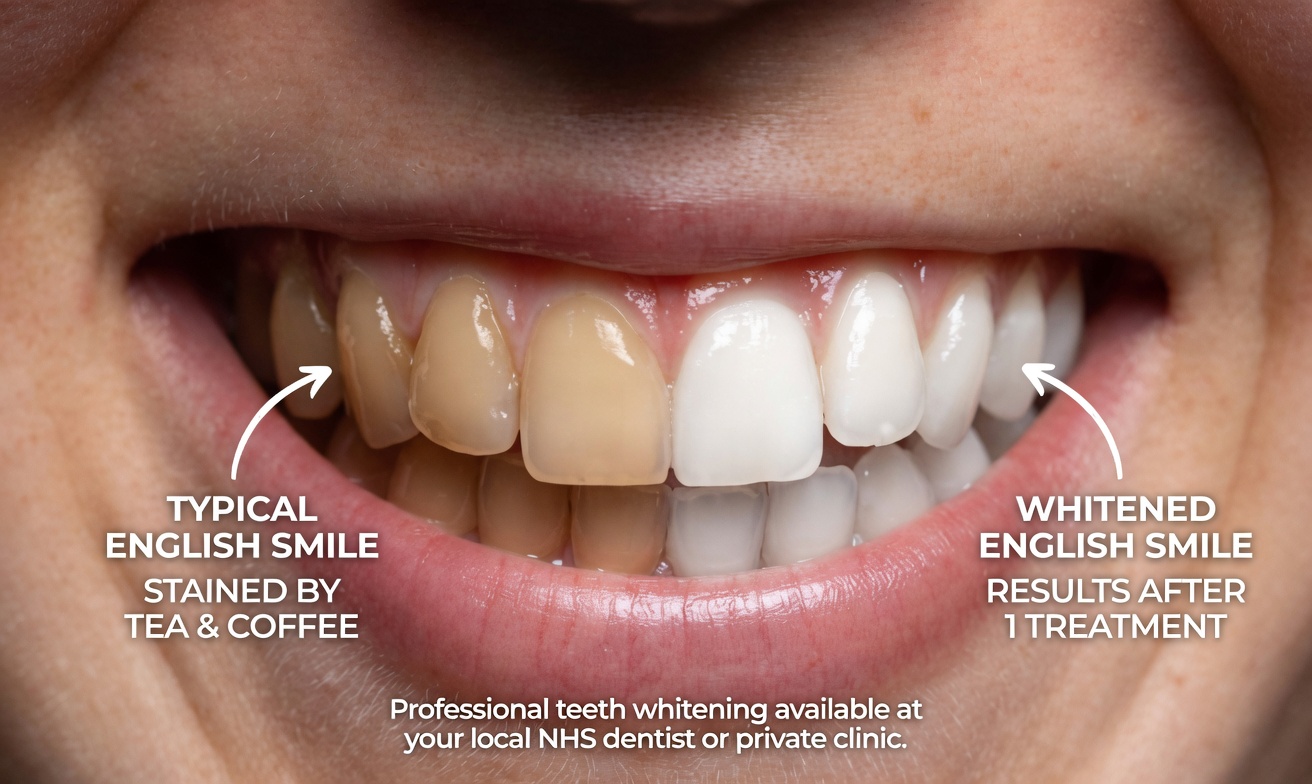
Whitening toothpaste is designed to target the kind of surface staining caused by coffee, tea, and certain foods. While it doesn’t “bleach” teeth like professional treatments, it can visibly brighten your smile by removing external discoloration.
Most whitening toothpastes rely on a mix of:
- Mild abrasives: Polish the tooth surface to lift surface stains.
- Chemical cleaning agents: Help break down and dissolve discoloration.
- Anti-adhesion ingredients: Reduce how strongly pigments stick to enamel.
With consistent use, many people notice improvement in about 2 to 4 weeks. Keep in mind: whitening toothpaste is best for surface stains, not deep internal discoloration.
The Coffee-and-Toothpaste Trick: Does It Actually Whiten Teeth?
A viral DIY approach suggests mixing coffee with toothpaste as a quick whitening method. Typically, the routine looks like this:
- Put a small amount of toothpaste on your toothbrush.
- Add a few drops of coffee (or a tiny amount of ground coffee) to the paste.
- Brush gently for around two minutes.
- Rinse thoroughly with water.
Supporters claim that coffee’s fine particles provide light polishing while the toothpaste cleans and brightens. This may create a cleaner look temporarily—but it’s not a true whitening treatment.
Why Some People Think It Works
- Light mechanical polishing: Fine particles may help remove some surface residue.
- Longer brushing time: Spending more time brushing can reduce visible buildup.
- Instant “clean” effect: Removing surface film can make teeth look slightly brighter right away.
Important Limitations to Know
- Toothpaste does the heavy lifting: Coffee itself does not contain bleaching agents that whiten teeth.
- Results are usually modest: Expect minor improvement, not a dramatic shade change.
- Enamel wear is a risk: Frequent use of abrasive mixtures can wear enamel down over time, which can make teeth look more yellow as the underlying dentin becomes more visible.
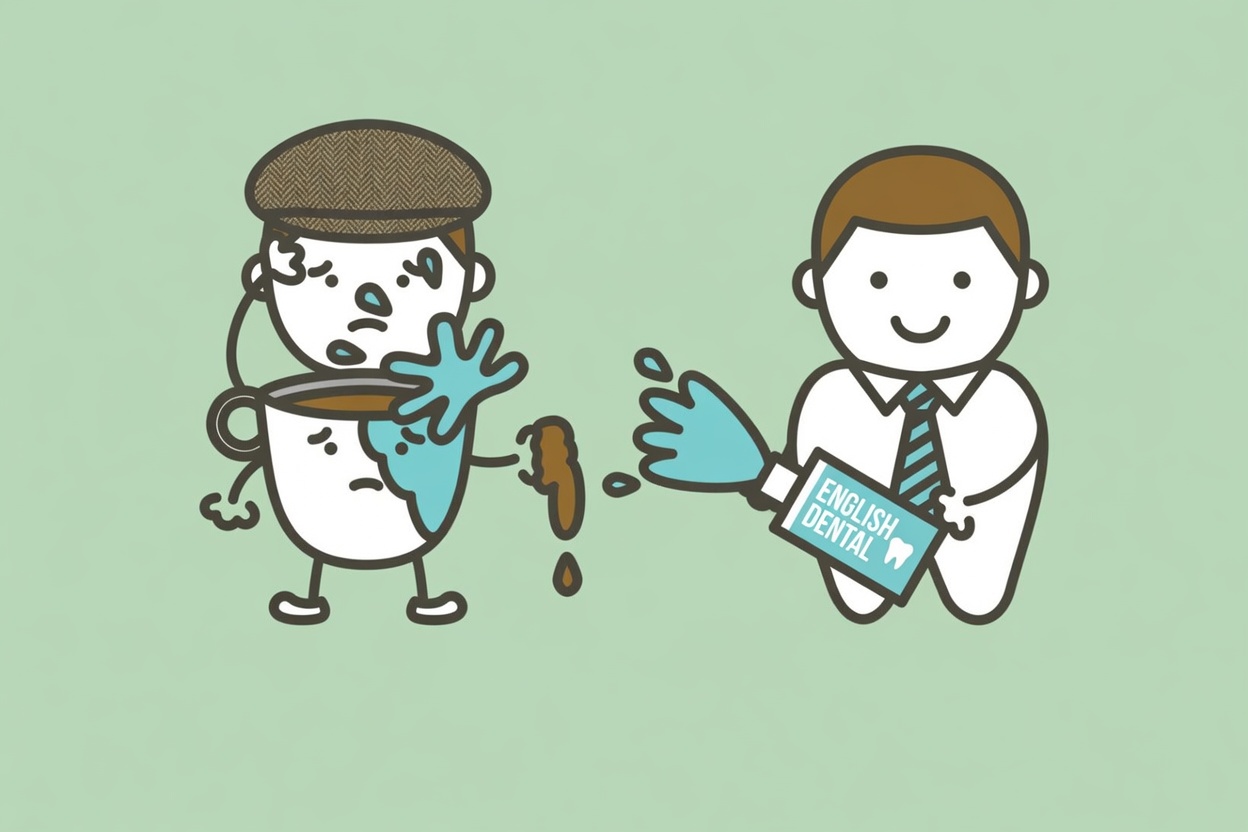
Dentist-Backed Tips to Prevent Coffee Stains
If you want to keep drinking coffee while minimizing stains, these simple habits can make a noticeable difference:
- Brush before coffee: Clean teeth are less likely to hold onto pigments.
- Rinse with water after drinking: A quick rinse helps wash away staining compounds before they bind.
- Avoid sipping all day: Try to drink coffee in one sitting to reduce prolonged exposure.
- Use whitening toothpaste regularly: Consistency helps control surface staining.
- Schedule professional cleanings: Dental cleanings remove plaque and tartar where stains often cling.
Natural Whitening Alternatives (With Caution)
Some people explore at-home methods to reduce staining, such as:
- Baking soda brushing
- Activated charcoal toothpaste
- Oil pulling with coconut oil
- Hydrogen peroxide rinses
These approaches may remove minor surface stains for some users, but results vary—and overuse or improper use can irritate gums or damage enamel. Many dental professionals recommend sticking with proven oral-care products and professional guidance.
When Professional Whitening Makes Sense
If your discoloration is deeper and doesn’t improve with whitening toothpaste or routine cleaning, professional whitening may be the most effective option. Common in-office or dentist-supervised methods include:
- Hydrogen peroxide whitening gels
- Custom-fitted whitening trays
- Laser or light-assisted whitening treatments
These options typically produce more noticeable and longer-lasting results than toothpaste alone.
Conclusion
The coffee-and-toothpaste hack may create a short-term “cleaner” look, but it has clear limits and can be risky if used too often. For safer, more reliable results, prioritize a consistent oral-care routine, use a quality whitening toothpaste, rinse after coffee, and maintain regular dental cleanings. That way, you can enjoy your daily coffee while protecting your enamel and keeping your smile bright.
FAQ
Can coffee permanently stain my teeth?
Coffee stains usually aren’t permanent, but they can become more noticeable over time without good oral care and regular cleaning.
How long does whitening toothpaste take to work?
Most people see visible changes after 2 to 4 weeks of consistent use.
Is it safe to mix coffee with toothpaste?
Occasional use is unlikely to cause harm, but frequent use—especially with coffee grounds—may be too abrasive and can wear enamel down.
Disclaimer
This article is for informational purposes only and does not replace professional dental advice. For personalized recommendations, consult a licensed dentist.