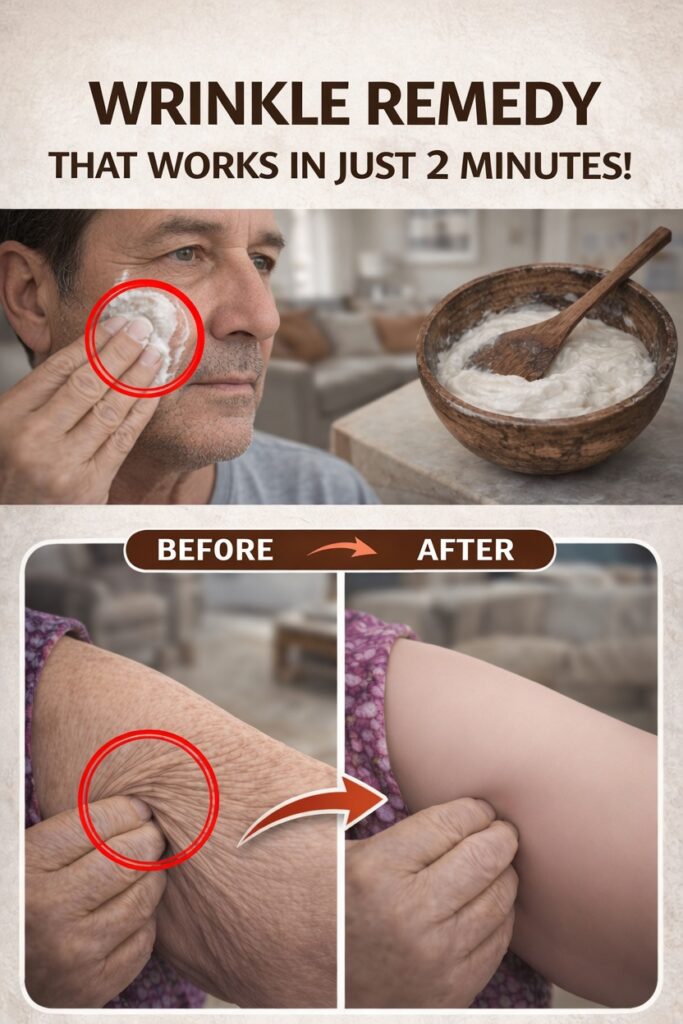
A Cautionary Story: When “Quick Fix” Skincare Backfires
A few weeks ago, my neighbor Doña Rosa spoke to me with tears in her eyes: “Doctor, I tried a paste I found online—baking soda mixed with petroleum jelly—and now my face feels tight and uncomfortable.” She was embarrassed and worried her wrinkles looked worse, not better.
Many older adults feel that same pressure: “If I don’t act now, I’ll look tired, old, or worn out.” But rushing into viral DIY remedies can easily trigger irritation—especially when skin is already drier and more sensitive with age.
In this guide, you’ll learn why certain at-home mixtures can upset mature skin, what’s happening when your face reacts, and which gentle, evidence-informed habits support healthier-looking skin without harsh surprises. Later, you’ll also find a simple routine that takes just a few minutes a day.
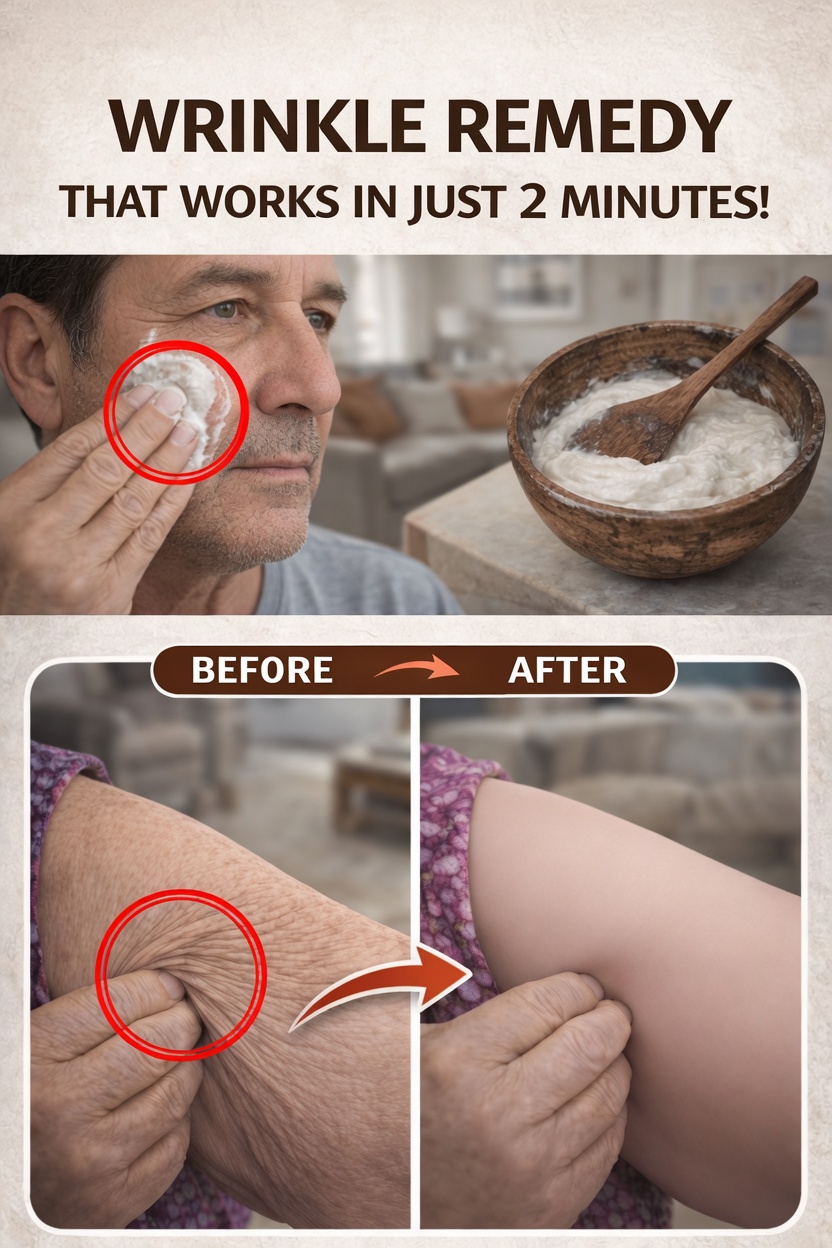
Why Some DIY Mixes Can Be Tough on Mature Skin
Online posts often claim that mixing baking soda (sodium bicarbonate) with petroleum jelly can “reduce wrinkles fast.” Before putting any homemade blend on your face, it helps to understand how these ingredients behave:
- Baking soda is an alkaline powder commonly used for cooking and cleaning.
- Petroleum jelly is a thick, occlusive ointment that helps protect very dry skin.
Here’s the key issue: healthy skin has a slightly acidic pH (about 4.5–5.5). Baking soda is alkaline, so it can raise the skin’s pH and disrupt the protective barrier. For mature skin—which is often thinner and naturally drier—this imbalance may lead to:
- Redness
- Dryness or flaking
- Stinging or tightness
- Increased sensitivity
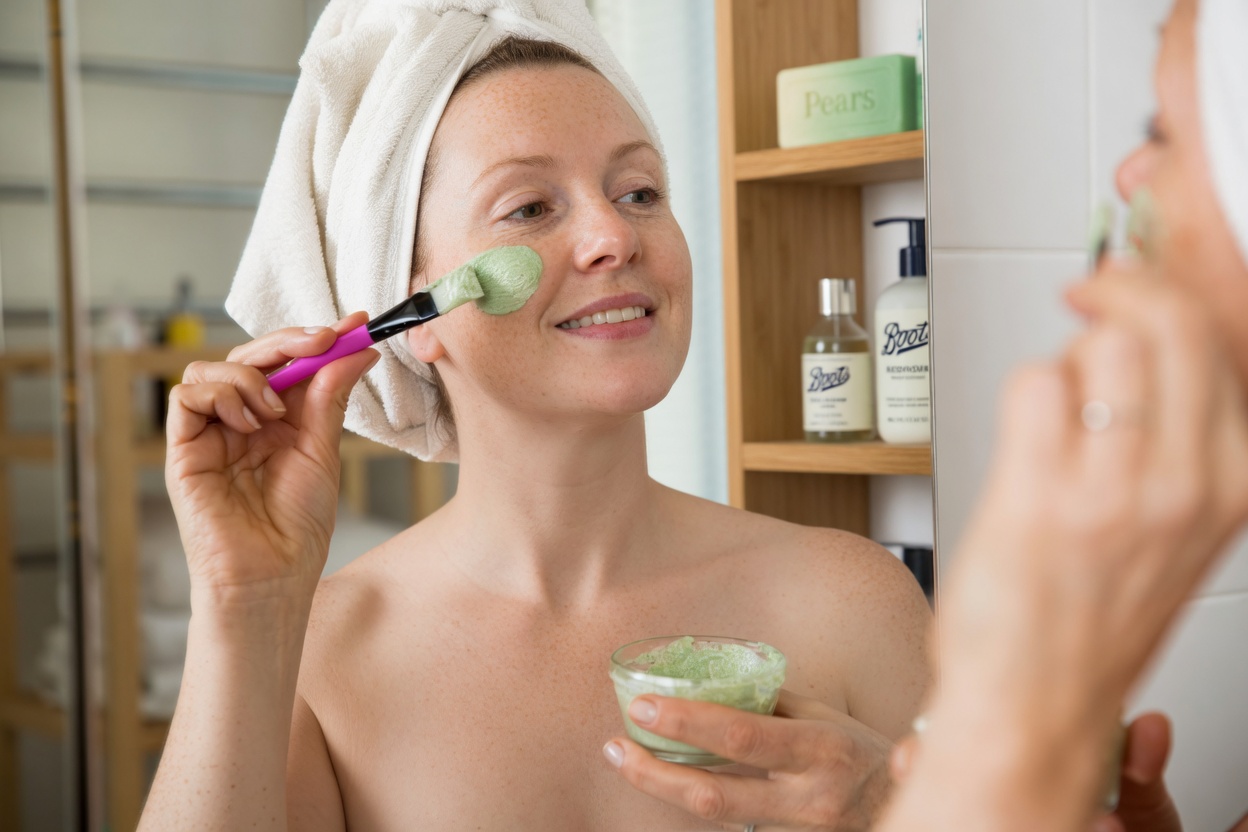
The “One-Step” Risk: Barrier Damage Happens Fast
Spreading a baking soda paste across the face for a rapid result may strip natural oils and weaken the skin barrier. Once that barrier is compromised:
- Moisture escapes more easily
- Irritation becomes more likely
- Skin can feel tight, raw, or uncomfortable
A healthier-looking complexion is usually built through steady, consistent care, not abrupt experiments.
Gentle, Evidence-Informed Skincare Habits for Aging Skin
Replacing risky DIY trends with supportive daily habits can noticeably improve how your skin feels and looks over time. Here’s a routine designed for older adults:
1) Cleanse Gently
- Cleanse once daily (morning or evening) using a mild, fragrance-free cleanser.
- Skip harsh soaps, gritty scrubs, and anything that leaves your face feeling “squeaky clean.”
2) Hydrate the Right Way
- Apply moisturizer while skin is still slightly damp.
- Look for hyaluronic acid or glycerin, which help attract and hold water in the skin.
3) Protect Your Skin From the Sun
- Use a broad-spectrum sunscreen SPF 30+ every morning.
- UV exposure is one of the biggest drivers of visible aging over time.
4) Strengthen the Skin Barrier
- Choose creams containing ceramides to support the skin’s natural protective layer.
- Avoid frequent exposure to alkaline or abrasive substances.
5) Try Gentle Exfoliation (If Your Skin Tolerates It)
- Consider lactic acid or polyhydroxy acids (PHAs) 1–2 times per week.
- Start slowly and stop if you notice burning, persistent redness, or peeling.
Consistency matters more than intensity.

Quick Comparison: Common Remedies and Their Likely Effects
-
Baking soda paste
- Pros: Cheap, easy to mix
- Cons: Can disrupt pH and trigger irritation
-
Petroleum jelly alone
- Pros: Excellent at sealing in moisture
- Cons: Doesn’t hydrate by itself (best layered over moisturizer)
-
Gentle daily moisturizer
- Pros: Supports hydration and comfort
- Cons: Improvements take time
-
Daily sunscreen
- Pros: Helps prevent UV-related aging
- Cons: Needs reapplication with prolonged outdoor exposure
-
Professional-grade products (retinoids, peptides)
- Pros: Can target visible signs of aging
- Cons: May cause sensitivity if introduced too quickly or used incorrectly
This is why quick fixes can feel tempting—but often don’t support long-term skin comfort or barrier health.
Practical Steps You Can Start Today
Turn the advice into a simple action plan:
-
Tonight
- Cleanse gently
- Apply a ceramide-rich moisturizer
-
Tomorrow morning
- Rinse with lukewarm water
- Moisturize
- Apply SPF 30+ sunscreen before going outside
-
Weekly
- Use a gentle exfoliant once or twice—not daily
-
Monthly
- Review product labels and prioritize fragrance-free and low-irritant options
-
If irritation starts
- Stop new products
- Consult a dermatologist or qualified skincare professional if symptoms persist
These steps are realistic even for busy schedules—and kinder to sensitive, aging skin.

Common Wrinkle Myths (And What Actually Helps)
-
Myth: “Strong scrubs erase wrinkles quickly.”
Reality: Aggressive scrubbing can damage the barrier; gentle renewal is safer. -
Myth: “If it’s from the kitchen, it’s automatically safe.”
Reality: Household ingredients like baking soda can disrupt skin balance. -
Myth: “Only nighttime moisturizing matters.”
Reality: Daytime protection—especially sunscreen—plays a major role in how skin ages.
Frequently Asked Questions (FAQ)
Can baking soda ever be used safely on the face?
In most cases, it’s not recommended. Baking soda’s high pH can interfere with the skin barrier, particularly in mature or sensitive skin. It’s generally better kept for household cleaning, not skincare.
Is petroleum jelly helpful for aging skin?
Yes. It can be very useful for sealing in moisture, especially when applied over a moisturizer. On its own, however, it doesn’t add water to the skin.
When will I see results from a gentle routine?
Many people notice improved softness and hydration within 2–4 weeks of consistent daily care, though timelines vary by individual.
Conclusion: Skincare That Respects Aging Skin
Skin is resilient, but it changes with age—and “fast” DIY mixtures can cause more harm than help. For healthier-feeling, healthier-looking skin, focus on the basics done consistently: gentle cleansing, daily moisturizing, sun protection, and barrier support.
A simple 7-day gentle routine can be a great way to start building healthier habits without irritating surprises.
Disclaimer: This article is for informational purposes only and does not provide medical advice. It is not a substitute for professional dermatological care. Always consult a qualified healthcare provider before changing your skincare routine, especially if you have existing skin conditions.