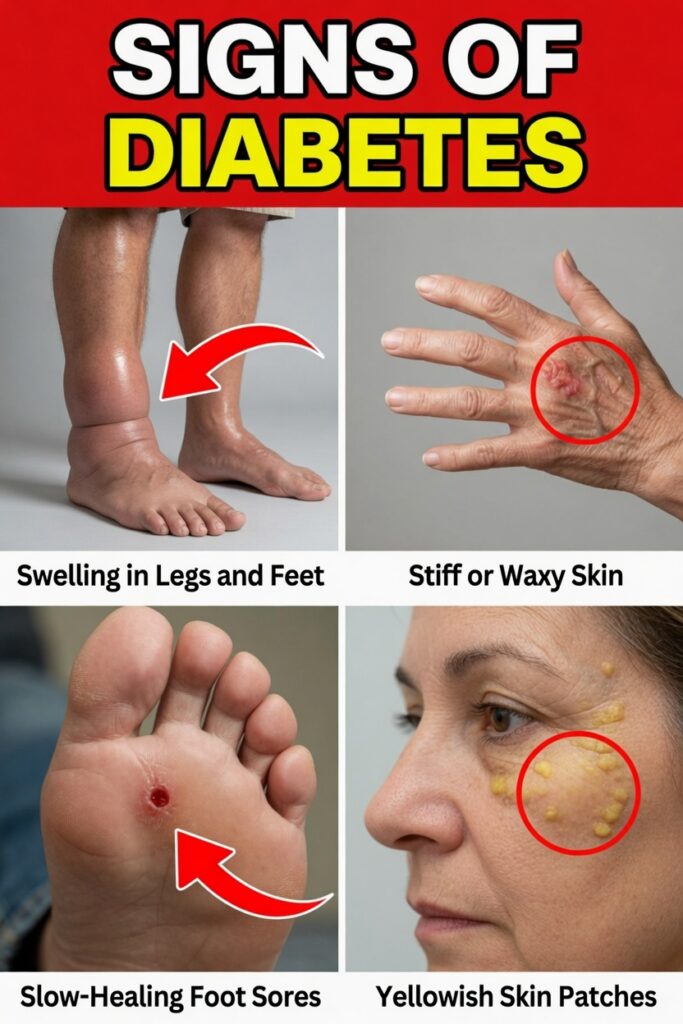
Many people notice small shifts in how they feel—changes they often blame on stress, getting older, or a packed schedule. Yet persistent fatigue even after solid sleep, or cuts that seem to linger, can be clues your body is asking for more attention. When “quick fixes” like extra rest, more water, or a lighter workload don’t make a difference, it’s easy to feel frustrated and stuck.
Paying attention early matters. Those subtle signals can help you start the right conversation with a healthcare professional and make smarter lifestyle choices before bigger problems develop.
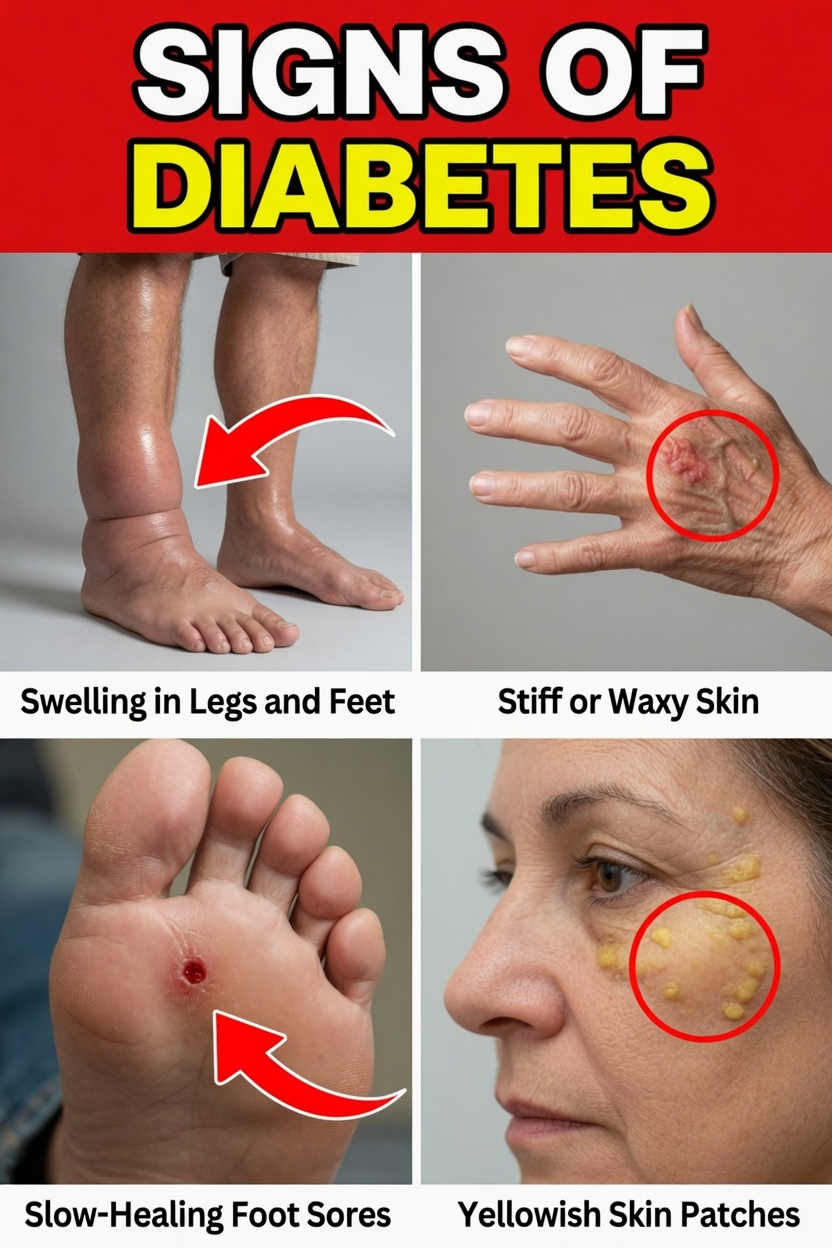
Understanding Diabetes and Early Warning Signs
Diabetes affects the way your body manages blood glucose (blood sugar). In many cases, symptoms show up gradually—long before an official diagnosis—so awareness can make a real difference.
Data cited by major public health organizations such as the Centers for Disease Control and Prevention (CDC) and the American Diabetes Association indicates that more than 1 in 10 U.S. adults live with diabetes, while nearly 1 in 3 have prediabetes. Because these conditions often progress quietly, early recognition is key.
Research also suggests that noticing potential warning signs sooner can lead to earlier medical guidance—and, in many cases, better outcomes through targeted lifestyle adjustments.
Key Blood Sugar Tests You Should Know
If symptoms raise concerns, understanding the most common screening tests can help you discuss next steps with your clinician:
-
Fasting Plasma Glucose (FPG) Test
Measures blood sugar after 8–12 hours of fasting.- Normal: below 100 mg/dL
- Prediabetes: 100–125 mg/dL
- Diabetes: 126 mg/dL or higher
-
HbA1c Test
Estimates average blood sugar over the last 2–3 months.- Normal: below 5.7%
- Prediabetes: 5.7–6.4%
- Diabetes: 6.5% or above
-
Oral Glucose Tolerance Test (OGTT)
Involves fasting, drinking a glucose solution, then testing blood sugar two hours later.- Normal: below 140 mg/dL
- Prediabetes: 140–199 mg/dL
- Diabetes: 200 mg/dL or higher
The National Institute of Diabetes and Digestive and Kidney Diseases notes that even “borderline” results can justify closer follow-up—especially when symptoms are present.

15 Early Signs of Diabetes to Watch For
These symptoms are not a diagnosis. Think of them as prompts to seek professional evaluation—particularly if several occur together or persist.
1. Tingling, Burning, or Numbness in Hands and Feet
A “pins and needles” sensation can occur when higher blood sugar starts affecting nerves. Many people notice it first at night or when resting.
Scientific reports—including findings published in major medical journals—suggest that nerve-related changes can begin even during prediabetes.
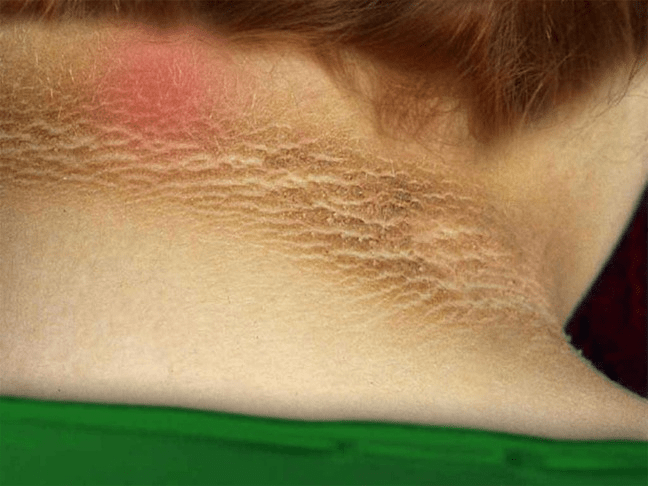
2. Dark, Velvety Patches of Skin (Acanthosis Nigricans)
Thicker, darker skin that appears in folds (such as the neck, armpits, or groin) is commonly linked to insulin resistance. The texture may feel velvety and the discoloration can deepen over time.
Dermatology research highlights this as a frequent marker, especially in people with higher body weight.
3. Slow Digestion and Getting Full Too Quickly
Delayed stomach emptying (often called gastroparesis) can lead to bloating, nausea, or feeling overly full after meals. Elevated blood sugar can interfere with the nerves and muscles that support digestion.
Clinical sources (including the Mayo Clinic) warn that this can impact comfort and nutrient absorption. Some people benefit from meal-timing or portion adjustments, but medical guidance is important.
4. Shakiness After Carb-Heavy Meals (Reactive Hypoglycemia)
If you feel sweaty, shaky, anxious, or experience a racing heartbeat a few hours after a high-carb meal, it may reflect insulin and glucose swings. This pattern is sometimes seen in prediabetes, when the body overcompensates.
Reviews in diabetes-focused journals explain how blood sugar can drop after an insulin surge, triggering these sensations.
5. Sweet-Smelling Urine That Attracts Ants
When blood sugar rises beyond what the kidneys can reabsorb, excess glucose may spill into the urine—sometimes creating a sweet odor that can attract insects.
This is an old clinical clue still recognized today, supported by both historical observations and modern research.
6. Blurry or Changing Vision
High blood sugar can temporarily affect the shape of the eye’s lens, leading to blurred vision or focus that seems to shift throughout the day.
The National Eye Institute notes that early vision changes are common—and often overlooked—yet may improve once blood sugar is better controlled.
7. Cuts and Bruises That Heal Slowly
Elevated glucose can impair circulation and weaken immune response, making minor injuries last longer and increasing the chance of infection.
Wound-healing research links high blood sugar to delayed tissue repair and higher complication risk.
8. Unexplained Weight Loss
Losing weight despite eating normally—or even more than usual—can happen when the body can’t use glucose efficiently and begins breaking down fat and muscle for energy.
Public health guidance warns that this can signal a serious issue requiring prompt evaluation, especially if weight loss is rapid.
9. Persistent Fatigue (and “Brain Fog”)
When cells struggle to access glucose for fuel, energy levels may drop. People often describe constant tiredness, reduced stamina, and trouble focusing.
Sleep medicine research also links blood sugar instability with disrupted rest, creating a cycle of fatigue.
10. Frequent Gum Inflammation or Infections
High blood sugar can encourage bacterial growth and increase inflammation, making gums more prone to irritation, bleeding, and infection.
Dental organizations emphasize that dentists sometimes notice these changes before a patient suspects a blood sugar issue.
11. Constant Hunger (Polyphagia)
If glucose isn’t being used efficiently, the brain may interpret the situation as “low energy” and continue sending hunger signals—even soon after a meal.
Endocrine research describes how this can become a frustrating loop: eating more without feeling satisfied.
12. Excessive Thirst (Polydipsia)
When the kidneys work overtime to filter out extra glucose, the body can lose more fluid—leading to dehydration and persistent thirst.
If you find yourself drinking far more than usual, especially alongside other symptoms, it’s worth noting.
13. Fruity or Acetone-Like Breath
A fruity or nail-polish-like odor may indicate ketone buildup as the body burns fat for energy instead of using glucose properly.
Diabetes experts consider this a warning sign that should be taken seriously—particularly if it appears with nausea, rapid breathing, or confusion.
14. Hormonal Shifts
Blood sugar problems can influence hormones in both men and women. Examples may include:
- In men: lower testosterone-related symptoms
- In women: irregular cycles or changes in menstrual patterns
Endocrinology research has linked glucose regulation and hormone balance more closely than many people realize.
15. Recurring Infections
Repeated skin infections, yeast infections, or urinary tract infections may occur more often when immune defenses are compromised and glucose levels are elevated.
Infectious disease research supports the relationship between higher glucose and weakened immune response.

Quick Reference: Symptoms, Causes, and Urgency
- Tingling in hands/feet — nerve irritation from high glucose — Medium
- Dark skin patches — insulin resistance — Medium
- Sweet-smelling urine — glucose spillover into urine — High
- Unexplained weight loss — poor glucose use; fat/muscle breakdown — Very High
- Fruity breath — ketone production — High
- Recurring infections — reduced immune effectiveness — Medium–High
Why Early Action Matters
Overlooking early signs can mean living with ongoing discomfort now—and facing higher risks later (including nerve and vision complications). Responding early often leads to simpler steps at first, such as basic testing and manageable routine changes, and can support better long-term health.
Practical Steps You Can Take Today
If several of these signs feel familiar, consider these evidence-informed actions:
- Log symptoms for 7 days, including timing, meals, sleep, and triggers.
- Book routine blood work and clearly mention the symptoms you’ve noticed.
- Build balanced meals with fiber-rich foods like vegetables, legumes, and whole grains to support steadier energy.
- Move daily, aiming for about 30 minutes of walking, which studies show can improve blood sugar regulation.
- Prioritize hydration and cut back on sugary drinks, choosing water as your main beverage.
Final Takeaway: Learn Your Body’s Signals
Noticing these 15 early signs of diabetes isn’t about self-diagnosing—it’s about listening carefully to patterns your body may be sending. The earlier you recognize what’s changing, the sooner you can get the right tests, guidance, and habits in place to protect your long-term well-being.