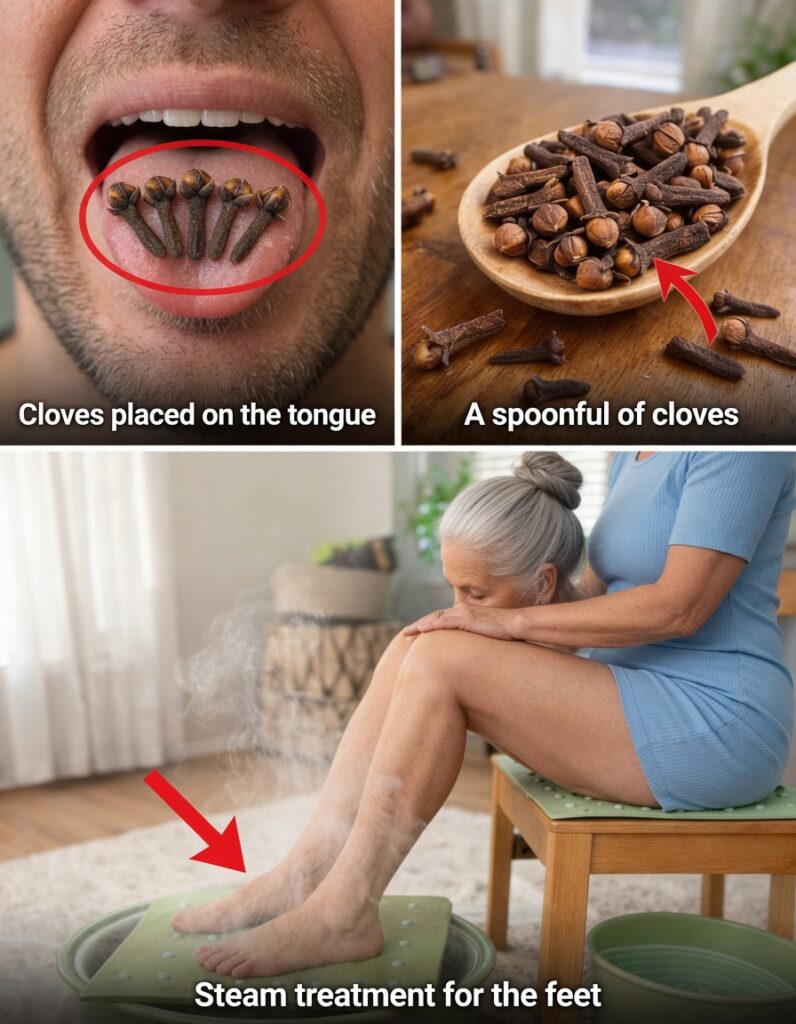
Many women deal with occasional vaginal discomfort—itching, a lingering odor, or a general “off” feeling—that can quietly impact confidence, workouts, clothing choices, and intimacy. Often, the root issue is a natural shift in vaginal pH or changes in the vaginal microbiome, which can make it tempting to cycle through over-the-counter solutions that only mask symptoms for a few hours.
A gentler, budget-friendly approach some women turn to is a traditional practice using a common spice. Below, you’ll learn what a clove water sitz bath is, why it may help support feminine freshness, and a clear step-by-step protocol to try safely.
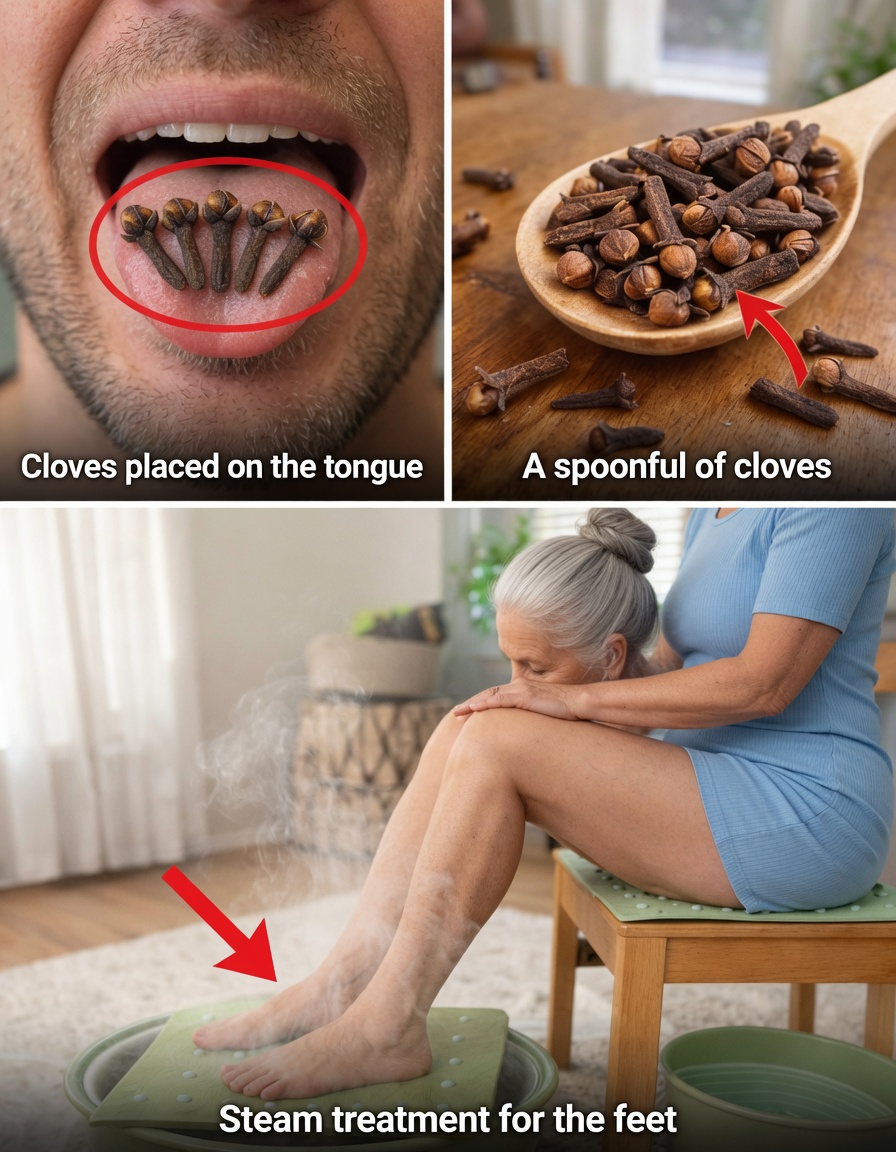
Understanding Common Causes of Feminine Discomfort
Concerns such as pH imbalance, shifts in bacteria, or recurring irritation are widespread—especially after hormonal transitions like postpartum recovery, contraception changes, or perimenopause. Even with good hygiene, these changes can repeat because the vaginal environment is designed to be self-regulating, and small disruptions can throw things off for a while.
In warmer months or during exercise, friction and sweat can add to the problem, leading to mild irritation or an increase in odor—without necessarily indicating a serious infection.
This is where traditional, low-intervention remedies come in. One long-used option is the sitz bath, specifically a warm soak infused with cloves, a spice studied for its aromatic and bioactive compounds.
What Is a Clove Water Sitz Bath?
A sitz bath is a shallow warm soak that targets the pelvic and vulvar area. It’s commonly done in a small basin that sits over the toilet or in a clean tub with just a few inches of water.
A clove water sitz bath adds an infusion made by steeping whole cloves in hot water. This approach has been used across multiple herbal traditions, including in parts of India and the Caribbean, where women describe using it as part of routine feminine care for a “clean” or refreshed feeling.
One of the biggest advantages: it’s inexpensive and typically uses ingredients already found in a kitchen spice cabinet.

Potential Benefits Supported by Research and Traditional Use
While results vary from person to person and research is still emerging, cloves are widely studied in ethnopharmacology for compounds such as eugenol, which may contribute to comfort in several ways.
1) May gently support pH balance
Some research discussions around eugenol suggest it can influence microbial environments in ways that may support a more balanced pH. Many women anecdotally report feeling fresher after use—especially after workouts or during hotter weather.
2) Natural antimicrobial activity (without “scorched-earth” approaches)
Cloves have documented antimicrobial properties in lab settings. This is appealing to women who want a milder option than heavily fragranced washes or aggressive products that can disrupt beneficial flora.
3) Comfort during postpartum recovery
Warm sitz baths are often recommended in postpartum care to ease minor swelling and tenderness. Adding clove infusion is a traditional enhancement some new mothers use for extra comfort, though postpartum bodies can be sensitive and should be monitored carefully.
Additional Ways Clove Water May Support Feminine Freshness
Beyond general comfort, clove water sitz baths are commonly used for quality-of-life concerns:
- Odor support: Cloves are naturally aromatic, and their compounds may help reduce stubborn smells that tend to linger after sweating or long days.
- Soothing itch or irritation: Some users describe a calming sensation shortly after soaking, consistent with clove’s studied anti-inflammatory potential.
- Fewer minor flare-ups: Traditional communities sometimes use clove baths for recurring tenderness, including around Bartholin’s gland discomfort.
- Support for natural lubrication: By calming low-grade irritation, some women feel more comfortable day to day.
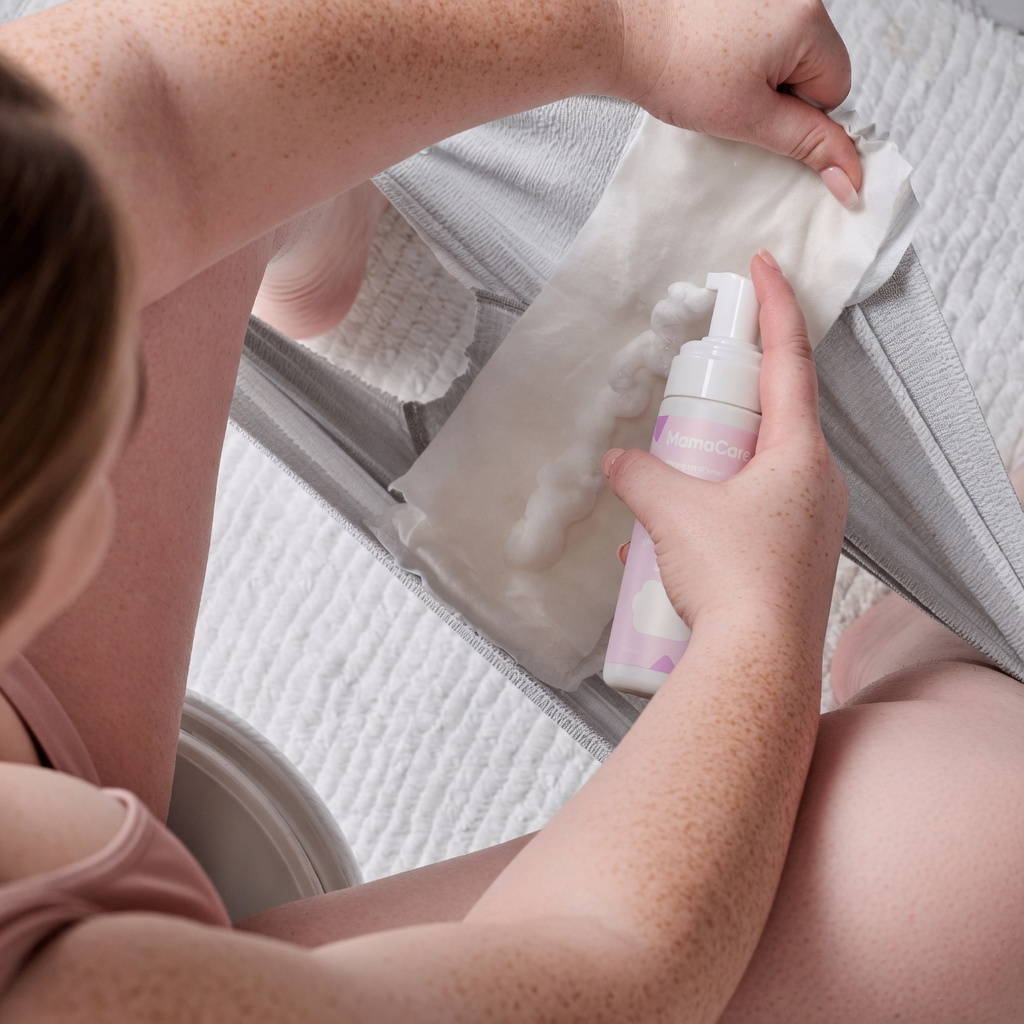
Everyday Use: When Women Commonly Add It to Their Routine
Women most often incorporate clove water sitz baths into routine care at key times:
- After intimacy: to help offset temporary pH shifts and feel refreshed
- During menstruation: warmth may relax pelvic tension and support comfort
- When prone to recurring discomfort: as a gentle, periodic “reset” alongside good hygiene habits
The main appeal is that it works with the body’s self-balancing mechanisms rather than relying on short-lived cover-ups.
Clove Water vs. Common Alternatives (Quick Comparison)
Below is a simplified comparison based on general user experiences and broad research summaries:
-
Scented wipes
- Speed: ~30 seconds
- Duration: 2–4 hours
- Cost: ~$0.75
- Flora disruption: Yes (often)
-
Boric acid
- Speed: 12–24 hours
- Duration: 3–7 days
- Cost: ~$1.20
- Flora disruption: Sometimes
-
Tea tree suppositories
- Speed: 6–8 hours
- Duration: 2–5 days
- Cost: ~$2.50
- Flora disruption: Often
-
Clove water sitz bath
- Speed: 3–10 minutes
- Duration: 24–72 hours
- Cost: ~$0.12
- Flora disruption: Typically lower risk than fragranced options (varies by individual)
Scented products may temporarily mask odor but can trigger irritation for sensitive users. Herbal methods like clove water are often chosen for a more supportive, minimalist approach.
A Simple 30-Day Clove Water Sitz Bath Protocol
If you want a structured plan, here is a gentle month-long routine many women find manageable.
Week 1
- Frequency: every other day
- Water temperature: 100–104°F (37.8–40°C)
- Cloves: 15–20 whole cloves
- Goal: establish comfort and initial freshness
Week 2
- Frequency: 3 times per week
- Temperature: around 102°F (38.9°C)
- Cloves: 20–25
- Goal: observe changes in odor and irritation patterns
Week 3
- Frequency: 2–3 times per week
- Temperature: about 100°F (37.8°C)
- Cloves: around 20
- Goal: maintain steadier comfort and confidence
Week 4
- Frequency: 1–2 times per week, plus as needed
- Temperature: comfortable warm (avoid hot)
- Cloves: 15–20
- Goal: maintenance
How to prepare the clove infusion
- Boil 2 quarts (about 2 liters) of water.
- Add whole cloves.
- Steep for 10 minutes.
- Strain into a clean sitz basin (or shallow bath water).
- Soak for 12–15 minutes.
- Always test the temperature first to avoid burning or discomfort.
Practical Tips for Better Results
- You can reuse cloves up to 3 times if refrigerated between uses (only if they smell fresh and the infusion remains clean).
- Add 1 tablespoon of Epsom salt if swelling or muscle tension is an issue (skip if salt irritates you).
- If your skin is sensitive, rinse with plain water after soaking.
- Postpartum: a peri bottle can help with gentle, targeted application (only with professional guidance if needed).
Conclusion: A Gentle, Low-Cost Option to Explore
A clove water sitz bath is a traditional, accessible ritual that many women use to support feminine freshness, comfort, and confidence—especially when pH shifts, odor, or mild irritation come and go. While not a cure-all and not a replacement for medical care, it can be a practical addition to a wellness routine for those who prefer gentle, low-ingredient approaches.
Start conservatively, pay attention to how your body responds, and seek professional advice if symptoms persist or worsen.
Frequently Asked Questions
How do I know if a clove water sitz bath is a good fit for me?
If your symptoms are mild and you’re looking for a gentle, supportive routine, it may be worth trying. Individual sensitivity varies, so start with a shorter soak and fewer cloves.
Can I use clove water sitz baths during pregnancy?
Talk with your healthcare provider first. Pregnancy can increase sensitivity, and it’s important to rule out infections that require medical treatment.
What if I feel burning or irritation afterward?
Stop immediately, rinse with plain water, and contact a medical professional—especially if you suspect an allergy or if symptoms intensify.
Disclaimer: This article is for general educational purposes and does not replace professional medical advice. Always consult a qualified healthcare provider before starting new self-care routines, particularly if you are pregnant, postpartum, or managing ongoing symptoms.