
Many people reach for oatmeal because it’s warm, comforting, and widely seen as a healthy way to start the day. But a few common oatmeal mistakes during preparation can quietly lead to bloating, energy crashes, or fewer nutritional benefits than you expected. The good news: small adjustments can make your bowl of oats more satisfying, easier to digest, and better for steady morning energy.

Why Oatmeal Preparation Matters
Oats are rich in fiber and beta-glucan, which research often links to satiety and heart-health support. However, several common oatmeal mistakes—from rushed cooking to heavily sweetened add-ins—can reduce the comfort and consistency people hope to get from oatmeal.
If you’ve ever dealt with mid-morning fatigue or digestive heaviness after breakfast, the cause may be less about oatmeal itself and more about how it’s prepared. Learning to spot these oatmeal preparation mistakes can make a noticeable difference.
Quick self-check: On a scale of 1–10, how often does bloating after breakfast affect your morning?

Mistake 1: Heating Oats in Plastic Containers
One overlooked oatmeal mistake is warming oats in plastic. High heat can raise concerns about chemical migration from certain plastics into food.
A safer approach is to use glass or ceramic when heating or storing hot oatmeal. Many people find that this simple switch supports a better overall breakfast experience—and helps eliminate one subtle but common oatmeal mistake.
Mistake 2: Adding Too Much Sugar
Loading oatmeal with sweeteners (brown sugar, flavored syrups, candy-like toppings) is a frequent oatmeal mistake that can contribute to faster energy fluctuations.
Research commonly associates high added sugar intake with greater blood sugar variability. For a more balanced bowl, try:
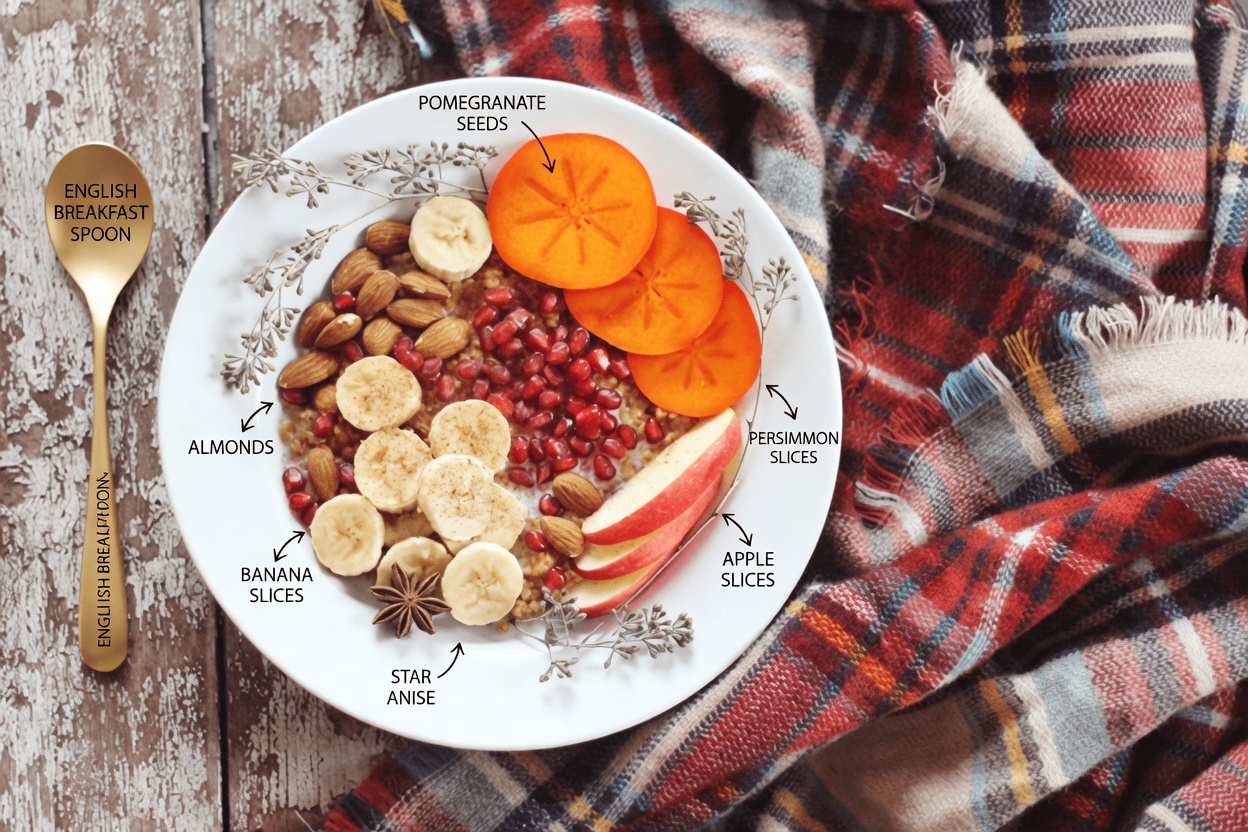
- Fresh berries or sliced banana
- A sprinkle of cinnamon
- A small amount of chopped dates (if you want sweetness with more fiber)
Reducing added sugar not only helps avoid an oatmeal mistake—it also brings out the natural flavor of oats.

Mistake 3: Depending on Flavored Instant Oat Packets
Instant flavored packets are convenient, but they often contain extra sugars, sodium, and additives. That makes them a common source of oatmeal mistakes, especially for people aiming for a more “whole-food” breakfast.
Instead, choose:
- Plain rolled oats (quick and flexible)
- Steel-cut oats (heartier texture, longer cook time)
Plain oats give you full control over ingredients, and many people notice they stay full longer when they swap out sugary packets.
Mistake 4: Using Too Much Liquid or Overcooking
Over-diluting oats can create a thin texture and may reduce the overall enjoyment of the meal—another common oatmeal mistake. Overcooking can also make oats less appealing and may affect how satisfying they feel.
A practical guideline many prefer is a 1:2 ratio of oats to liquid (adjust slightly for your ideal thickness). Use gentle simmering to preserve a creamy texture without turning the oats watery.
Mistake 5: Skipping an Overnight Soak
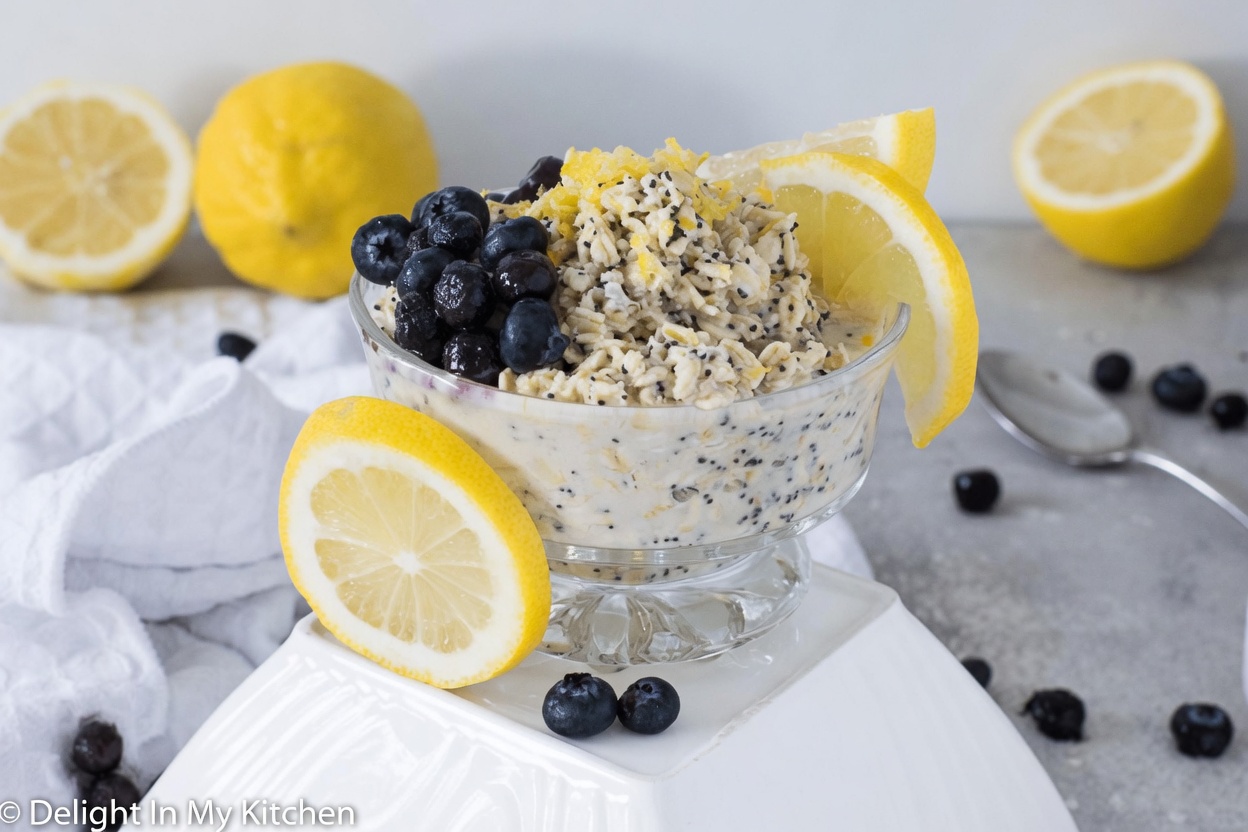
Not soaking oats is a common oatmeal mistake that may affect comfort and nutrient use for some people. Oats naturally contain phytic acid, which can bind to certain minerals and may reduce absorption.
Soaking overnight (often with a small splash of lemon juice) may help reduce phytic acid and can also make the oats feel easier to digest. Many people report smoother texture and less heaviness when they add this one step.
Mistake 6: Cooking on Very High Heat
Cooking oats at very high heat to “get it done fast” is another oatmeal mistake. Overheating starchy foods can lead to less pleasant flavor and may create unwanted byproducts during aggressive cooking.
For better results:
- Cook low and slow
- Stir occasionally
- Aim for a gentle simmer rather than a rapid boil
This approach keeps oatmeal more fragrant, creamy, and generally more comfortable for many eaters.
Mistake 7: Pairing Oats With Ingredients That Don’t Suit You
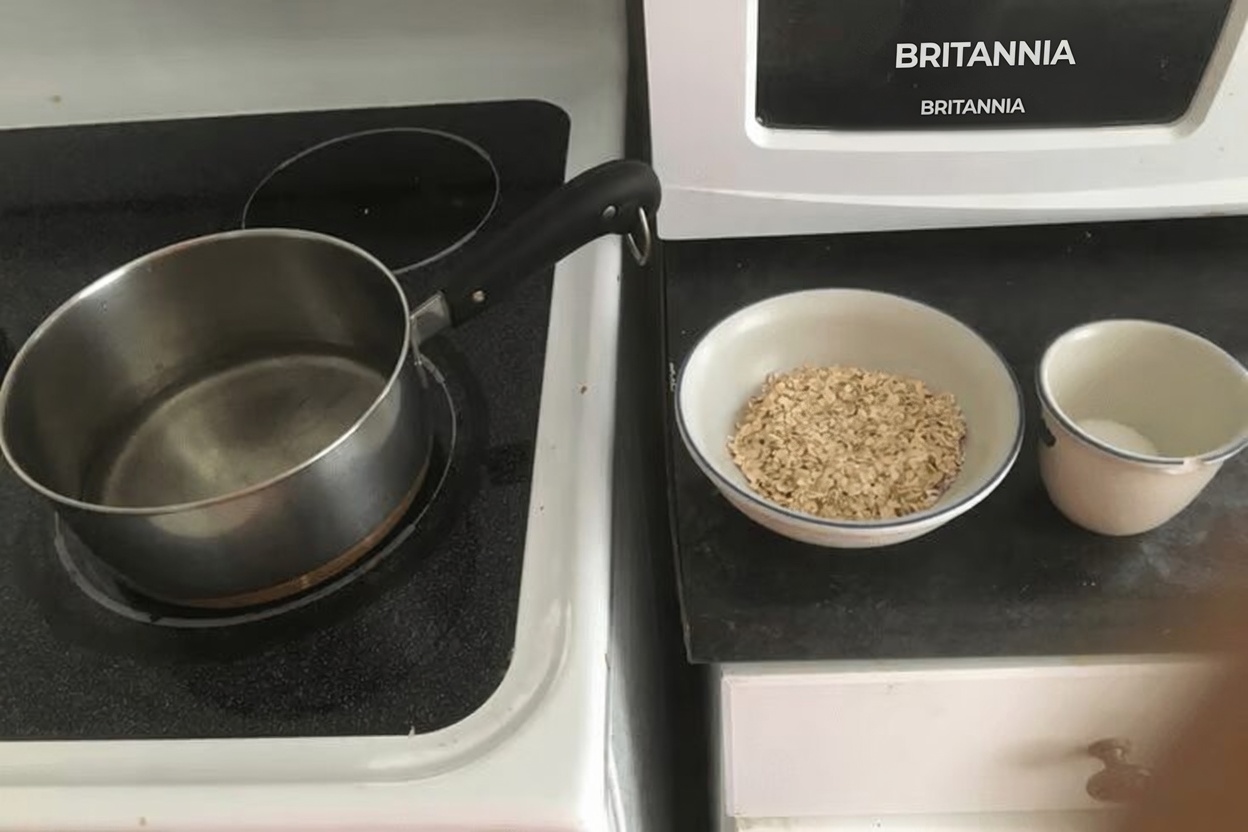
One final (and highly personal) oatmeal mistake is combining oats with foods that your body doesn’t tolerate well.
Examples may include:
- Dairy (for those sensitive to lactose or certain proteins)
- Certain sweeteners that trigger bloating
- Acidic drinks (like some citrus juices) too close to the meal, if that bothers you
If oatmeal “doesn’t work” for you, it may be the add-ins or pairings—not the oats. Listening to your body and adjusting ingredients can resolve many lingering oatmeal mistakes.
Plain Oats vs. Common Oatmeal Mistakes (Simple Comparison)
-
Energy stability
- Properly prepared plain oats: May support steadier energy
- With common oatmeal mistakes: More likely to come with quicker dips
-
Digestive comfort
- Properly prepared plain oats: Often gentler, especially with soaking
- With common oatmeal mistakes: Greater chance of bloating or heaviness
-
Nutrient retention
- Properly prepared plain oats: Better potential preservation and use
- With common oatmeal mistakes: May reduce absorption or overall benefit
-
Added ingredients
- Properly prepared plain oats: Full control over what goes in
- With common oatmeal mistakes: More likely to include extra sugar/additives
-
Overall satisfaction
- Properly prepared plain oats: Creamier texture and cleaner flavor
- With common oatmeal mistakes: Less consistent results
Step-by-Step: A Better Way to Prepare Oatmeal
- Start with plain rolled oats or steel-cut oats
- Soak overnight in water (optional: add a splash of lemon juice)
- Cook using glass, stainless steel, or ceramic rather than plastic
- Simmer gently using about a 1:2 oats-to-liquid ratio (plant milk works well)
- Add toppings after cooking, such as:
- Berries
- Nuts
- Seeds
- Cinnamon
These steps reduce common oatmeal mistakes while keeping your morning routine simple.
Potential Benefits of More Mindful Oatmeal Prep
Correcting common oatmeal mistakes may help many people experience:
- More stable morning energy
- Better digestive comfort (especially with soaking and gentle cooking)
- Improved fullness and satisfaction
Small changes can add up, especially when practiced consistently.
Frequently Asked Questions
-
How long should I soak oats to avoid common oatmeal mistakes?
Overnight is ideal for many people—about 7–8 hours. Adding a small acidic ingredient (like lemon juice) is commonly used. -
Can I still microwave oatmeal safely?
Yes—use microwave-safe glass, and consider lower power settings to reduce concerns tied to common oatmeal mistakes. -
What toppings are best to avoid oatmeal mistakes?
Choose low-added-sugar options like fresh fruit, nuts, seeds, and cinnamon for flavor without the sugar spike.
Disclaimer
This article is for informational purposes only and is not medical advice. These preparation tips may support general wellness for some people, but results vary. Consult a healthcare professional before making dietary changes, especially if you have digestive symptoms or a medical condition. Adjust gradually and pay attention to your body’s response.