
Why Seeds Matter in a High-Stress, Highly Processed World
Modern life often means nonstop exposure to pollution, ultra-processed foods, and daily pressure—factors that can quietly increase oxidative stress over time. This gradual strain may leave you feeling less energetic and more concerned about long-term vitality, even if you’re doing your best.
The encouraging part is that simple, affordable foods can help support your body’s built-in defenses. Certain nutrient-dense seeds contain compounds that research associates with antioxidant activity, inflammation support, and overall cellular health. And one of the most overlooked options is a seasonal “throwaway”: pumpkin seeds, which many people discard every autumn without realizing their value.
The 6 Seeds Linked to Natural Defense and Cellular Support
Across many traditional diets, six seeds show up again and again: flaxseed, pumpkin seeds, chia seeds, sesame seeds, black cumin seeds, and sunflower seeds. Today, modern nutrition research continues to explore why these staples may support the body in steady, gentle ways—especially when used consistently.
Flaxseed: Lignans and Omega-3s for Balance and Protection
If you notice shifting energy, mood changes, or a general sense of being “out of sync,” you’re not alone—many people experience subtle hormonal and metabolic changes with age.
Flaxseed stands out for its lignans, plant compounds often described as mild phytoestrogens. Research suggests lignans may help support healthy estrogen metabolism and provide antioxidant effects that help protect cells from everyday oxidative wear.
A common mistake: whole flaxseeds may pass through the digestive system largely intact. To access more of their benefits, grind flaxseed fresh (or buy ground flax and store it properly). This helps release its ALA omega-3s and fiber, which studies link to heart health markers and digestive support.
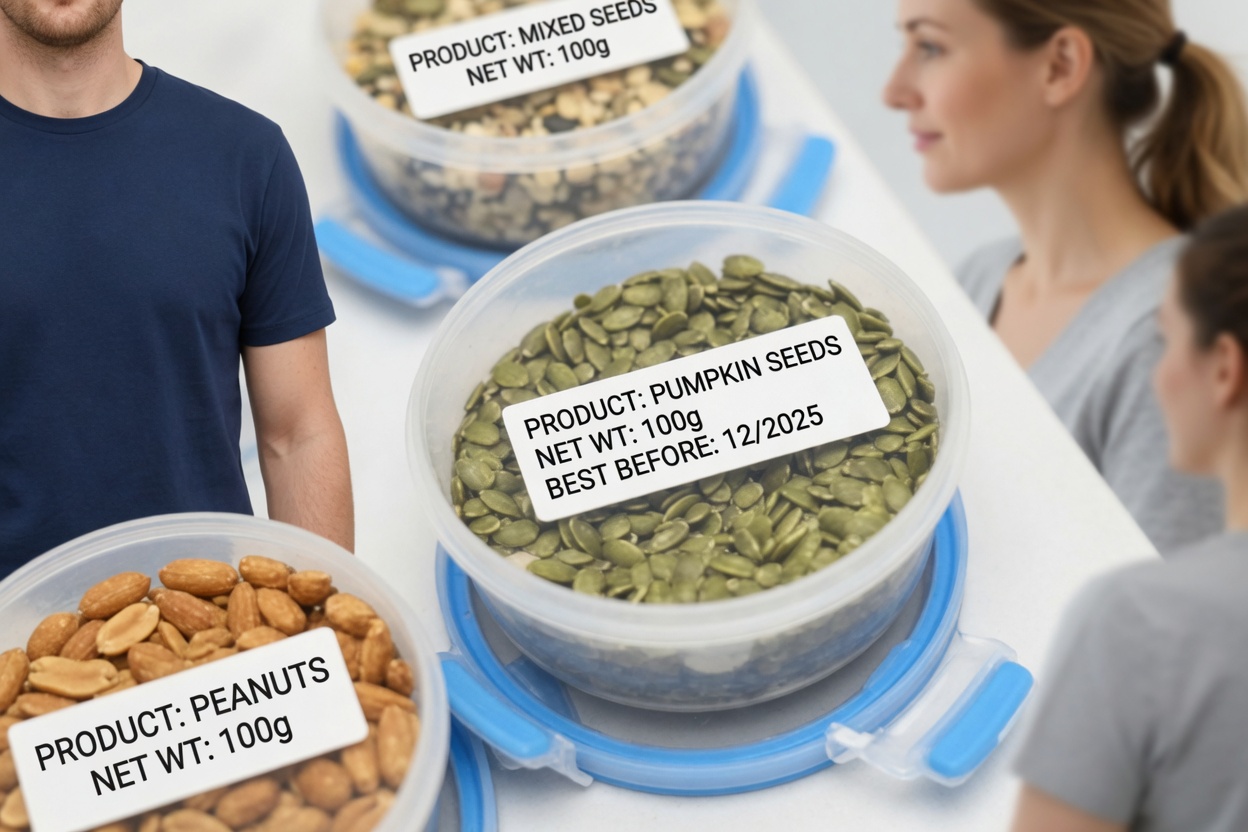
Pumpkin Seeds: Zinc-Rich Support for Immunity and Vitality
Each year, countless pumpkins are carved—and the seeds are tossed. That habit leaves behind one of the most nutrient-dense “snacks” nature offers.
Pumpkin seeds (pepitas) are known for being rich in zinc, a mineral essential for immune function. They also contain phytosterols, compounds that research suggests may support prostate health and help influence inflammation markers.
What makes this especially interesting is that research on pumpkin seeds—often treated like waste—suggests they may also help ease certain discomforts associated with hormonal transitions, offering a simple layer of support many people miss.
For an easy upgrade: lightly roast them for a crunchy, satisfying addition to meals or snacks.
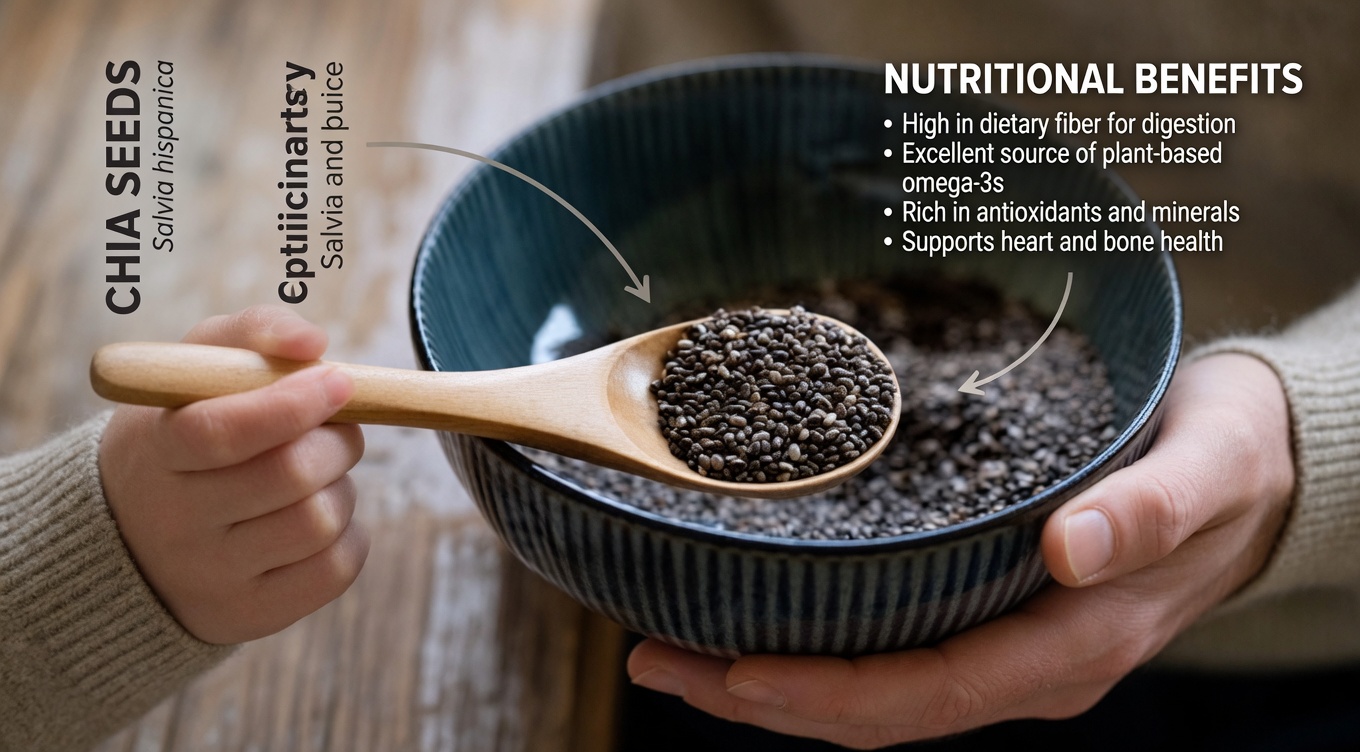
Chia Seeds: Fiber-Based Hydration and Anti-Inflammatory Potential
Low energy, occasional bloating, or digestive heaviness can make even ordinary days feel harder than they should.
Chia seeds were famously used by ancient endurance cultures. When soaked, they form a gel-like texture that delivers soluble fiber along with plant-based omega-3s (ALA). Multiple studies associate these nutrients with healthier inflammation markers and more stable blood sugar responses, which can support steadier energy.
A standout feature of chia is its gentle hydration effect in the gut, which many people find helpful for comfort and regularity. Over time, the omega-3 content may also support heart health indicators.
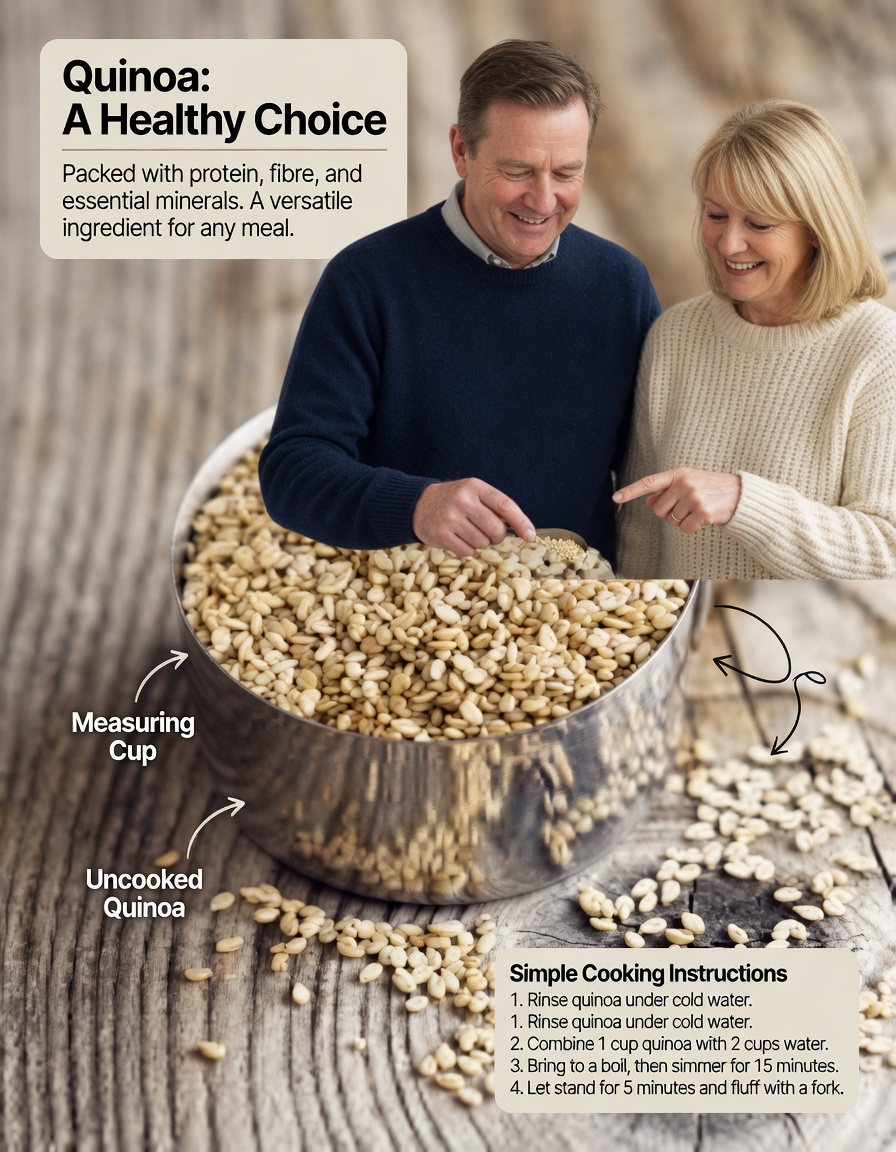
Sesame Seeds: Sesamin and Antioxidant Support for Everyday Defense
If cholesterol numbers or blood pressure fluctuations show up at routine checkups, you may be looking for simple dietary habits that support long-term cardiovascular health.
Sesame seeds contain distinctive lignans such as sesamin (and related compounds like sesamolin). Research highlights their antioxidant capacity, and studies suggest potential benefits for lipid profiles and vascular support.
A practical tip: lightly toasting sesame seeds can enhance flavor and may improve the availability of certain beneficial compounds—turning a small sprinkle into a meaningful daily habit.
Sesame also provides key minerals, including calcium and magnesium, adding to its nutritional value.
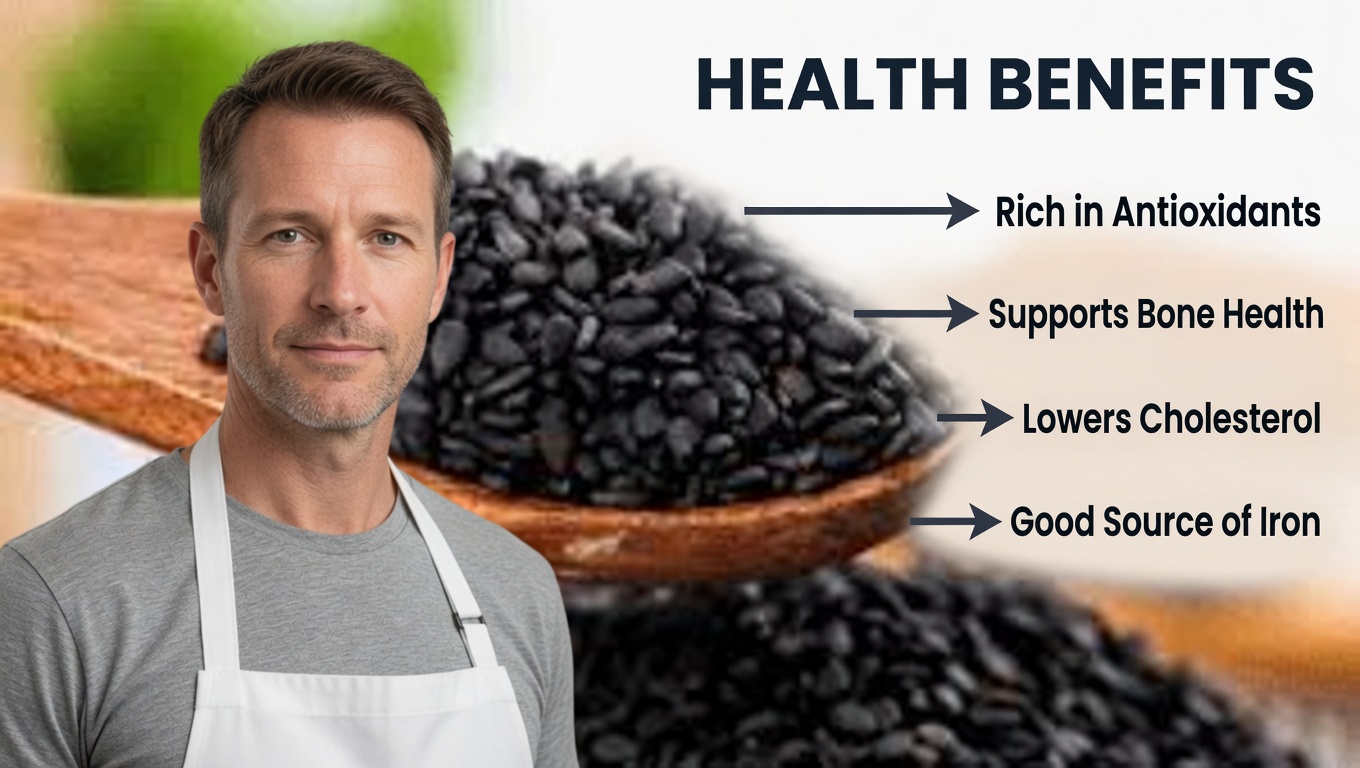
Black Cumin Seeds (Nigella sativa): Traditional Wisdom with Emerging Research
When allergies, seasonal shifts, or metabolic concerns throw off your routine, it’s natural to want additional support for balance and resilience.
Black cumin seeds (Nigella sativa) have a long history in traditional wellness practices. Modern research focuses heavily on thymoquinone, a compound associated with antioxidant and anti-inflammatory activity. Studies suggest black cumin may support immune balance and respiratory comfort, in part by helping the body respond to oxidative stress.
You can use black cumin seeds whole, ground, or as oil—depending on preference and tolerance.
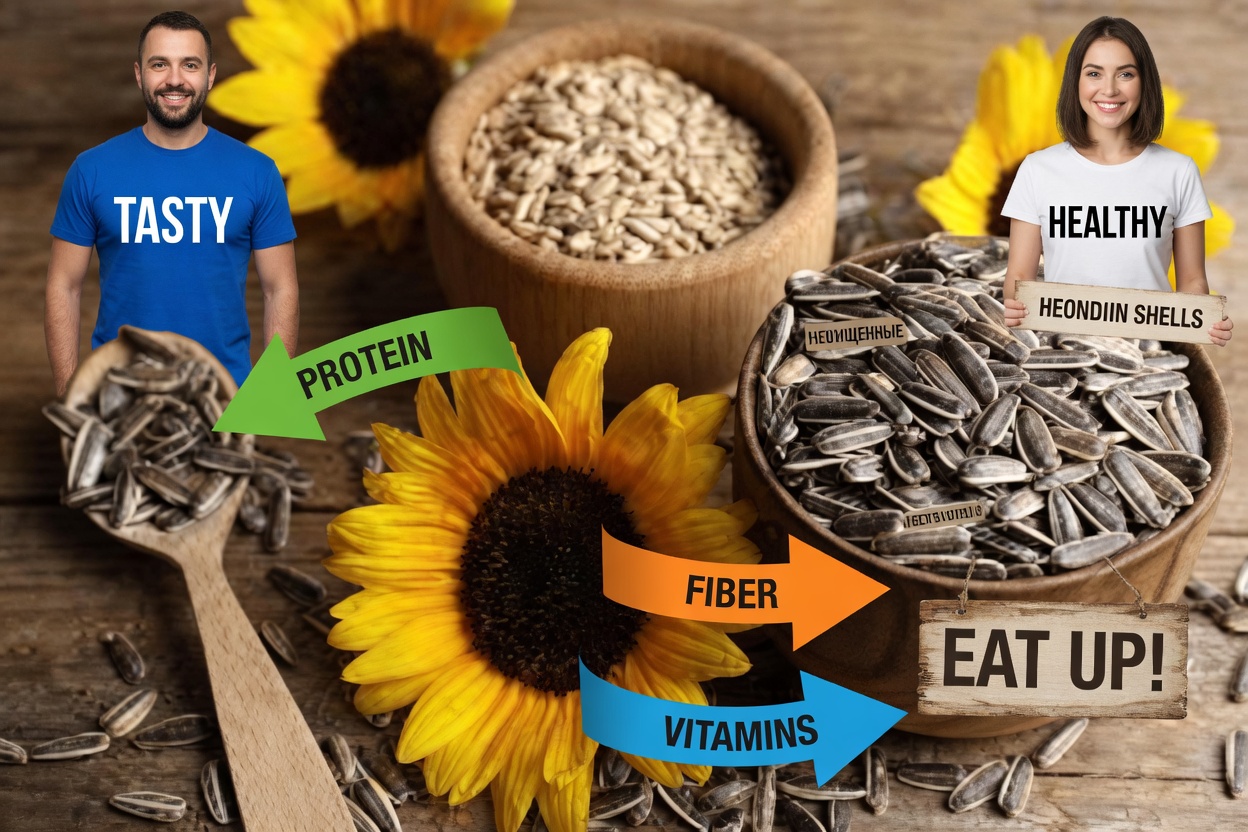
Sunflower Seeds: Vitamin E for Cell Membrane Strength
If you feel like daily life is “wearing you down,” oxidative stress may be one of the underlying pressures your body is managing behind the scenes.
Sunflower seeds are one of the strongest natural sources of vitamin E, a fat-soluble antioxidant essential for cell membrane integrity. Research emphasizes vitamin E’s role in helping neutralize free-radical damage and supporting normal recovery processes.
Sunflower seeds are also easy to use because of their mild flavor and versatility. For everyday use, choose unsalted options to better align with heart-friendly habits.
At-a-Glance Comparison: 6 Seeds and Their Key Compounds
-
Flaxseed
- Key compounds: Lignans, omega-3s (ALA)
- Potential focus: Hormonal balance support and antioxidant defense
-
Pumpkin seeds
- Key compounds: Zinc, phytosterols
- Potential focus: Immune function and prostate health support
-
Chia seeds
- Key compounds: Omega-3s (ALA), soluble fiber
- Potential focus: Inflammation support and steadier energy
-
Sesame seeds
- Key compounds: Sesamin, sesamolin
- Potential focus: Lipid/cholesterol support and cellular protection
-
Black cumin seeds
- Key compounds: Thymoquinone
- Potential focus: Inflammation modulation and respiratory support
-
Sunflower seeds
- Key compounds: Vitamin E
- Potential focus: Cell membrane defense and free-radical support
Research also suggests there may be synergy when combining seeds—meaning a mixed approach could provide broader benefits than relying on only one type.
Easy, Practical Ways to Add These Seeds to Your Day
You don’t need a complicated plan to get started:
- Begin gently: Aim for 1–2 tablespoons total per day, divided across seed types.
- Make a simple seed blend: Mix equal parts (grind flax fresh) and store in the refrigerator.
- Add to everyday foods: Sprinkle onto yogurt, oatmeal, salads, or blend into smoothies.
- Simple upgrades:
- Soak chia overnight for a pudding-like texture.
- Toast pumpkin and sesame lightly for richer flavor.
Because these foods are fiber-rich, introduce them gradually and pay attention to how you feel to reduce the chance of digestive discomfort.
Turning Information Into Sustainable Habits
For many people overwhelmed by conflicting health advice, returning to whole foods can feel refreshingly doable. These six seeds are widely studied for roles in antioxidant support, inflammation balance, and overall vitality—but the most meaningful results tend to come from small, consistent steps.
Choose one or two seeds to start. Let the routine become automatic. With time, you may notice a quiet increase in resilience and steadier energy that builds week by week.
Frequently Asked Questions
-
How much of these seeds should I eat per day?
Many adults do well with 1–2 tablespoons total daily. Start smaller and increase gradually to support comfortable digestion. -
Any precautions I should know about?
These seeds are generally safe for healthy adults, but speak with a healthcare professional if you are pregnant, taking medications (especially blood pressure or blood-thinning drugs), or managing specific medical conditions. -
Can I combine all six seeds together?
Yes. A mixed blend can be convenient and may be beneficial. Keep portions moderate and introduce changes slowly.
Disclaimer: This content is for informational purposes only and does not diagnose, treat, cure, or prevent any disease. Consult a qualified healthcare professional before making dietary changes.