
Iceberg Lettuce: The “Healthy” Habit That May Be Holding Your Diet Back
Many people load iceberg lettuce into salads and sandwiches assuming it’s a smart, low-calorie choice that supports long-term health. Yet if you feel constantly low on energy, uncomfortably bloated, or concerned your “clean eating” isn’t truly moving the needle against chronic inflammation, your go-to greens may be part of the story.
The encouraging part: you don’t need extreme restrictions or complicated rules. A few evidence-based swaps can significantly increase the antioxidants, fiber, and protective plant compounds on your plate—nutrients linked in research to stronger cellular defense and better inflammation balance.

Why the Viral Iceberg Lettuce Warning Took Off
You may have come across a clip making the rounds online: a health professional claiming a familiar vegetable could quietly raise cancer risk. The food named in many versions of the video is iceberg lettuce.
That message spread fast because iceberg lettuce feels like the safest option—crisp, light, and common in “healthy” meals. But here’s the key clarification: current research does not show strong evidence that iceberg lettuce itself directly increases cancer risk.
So what’s the real issue? It’s less about iceberg being “dangerous” and more about what happens when it becomes the default green day after day—especially when you’re trying hard to eat well but still don’t feel your best.

The Less-Obvious Downsides of Relying on Iceberg Lettuce
Iceberg lettuce is roughly 96% water, which explains its refreshing crunch—but also its relatively limited nutrient density. Compared with darker leafy greens, iceberg generally provides far fewer vitamins, minerals, and antioxidant compounds that help the body manage oxidative stress.
Another concern: conventional lettuce frequently appears on lists of produce with higher pesticide residues. Even with careful washing, small traces can remain. While the health impact of low-level exposure varies, long-term accumulation is often discussed in relation to inflammation and hormone disruption.
The biggest problem for many people is the displacement effect: when iceberg lettuce dominates your salads, wraps, and bowls, it can crowd out more nutrient-rich vegetables. That means missing out on plant compounds associated in studies with improved detoxification pathways and stronger antioxidant defenses—factors that can matter for long-term health.
If iceberg lettuce is your everyday staple and you’re still experiencing low energy or lingering inflammation, this may be one reason the “healthy” routine doesn’t feel as effective as you expected.

A Smarter Strategy: Choose Foods Linked to Cellular Protection
Instead of focusing on fear-based claims, a more useful approach is to prioritize foods that research consistently connects to lower inflammation, better gut support, and stronger cellular resilience.
Below are 15 evidence-informed options you can mix and match—along with simple, practical ways to use them.

15–11: Reliable Daily Staples for Energy and Gut Support
- Whole oats: Rich in beta-glucan fiber, which supports beneficial gut bacteria and helps stabilize blood sugar. Research also links regular intake to improved markers of oxidative stress.
- Green tea: Contains EGCG and other polyphenols that help neutralize free radicals. Observational studies often associate 2–3 cups daily with better long-term health indicators.
- Lemon: Provides vitamin C and is commonly used to support digestion routines. Warm lemon water is an easy habit for many people.
- Citrus fruits: Whole fruits like oranges offer flavonoids that studies associate with healthier inflammation balance.
- Purple grapes: The skins contain resveratrol and related polyphenols linked to protective cellular signaling.
10–6: Antioxidant-Rich Choices for Everyday Defense
- Berries: Blueberries, strawberries, and similar fruits are high in anthocyanins. Higher intake is often correlated with better inflammation-related markers.
- Ginger: Gingerol compounds are studied for anti-inflammatory effects and digestive support.
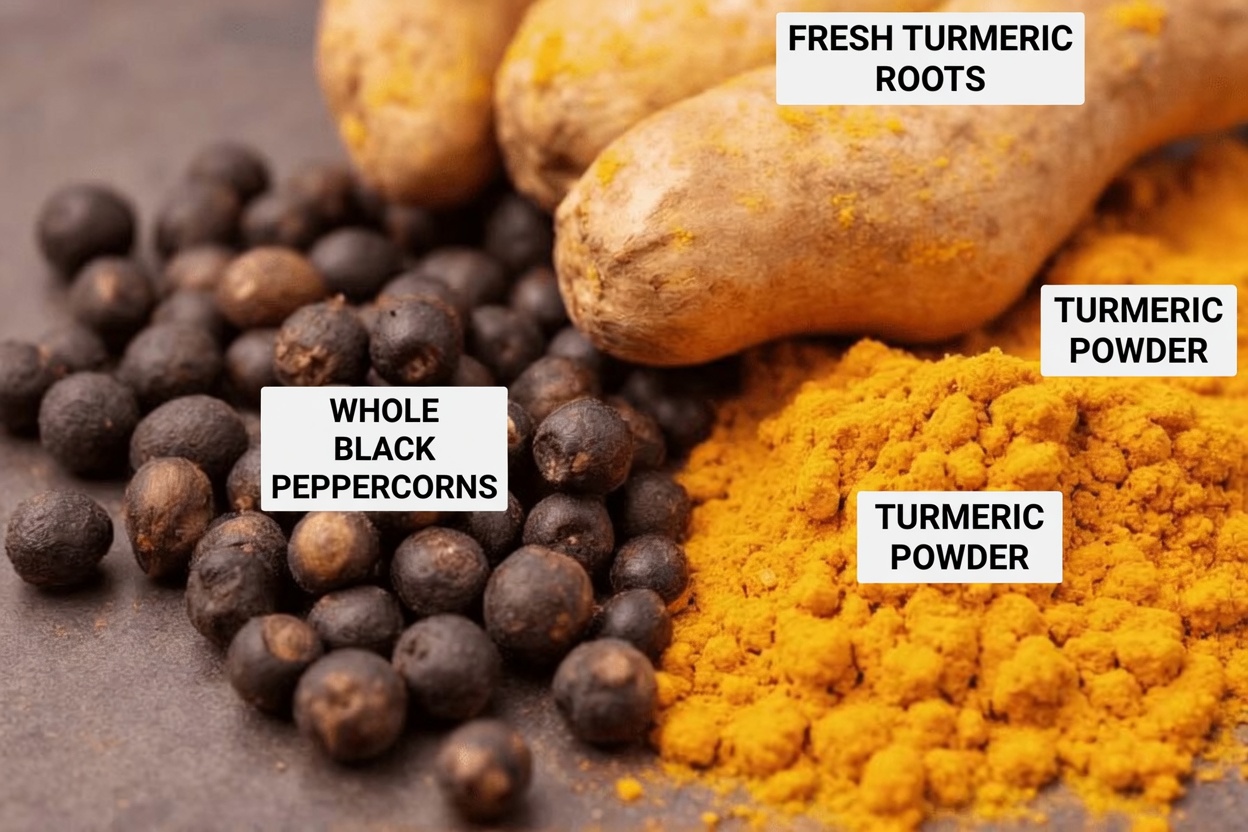
- Turmeric: Curcumin is widely researched for its ability to modulate inflammatory pathways. Pair it with black pepper to improve absorption.
- Red onion: A strong source of quercetin, studied for its role in supporting cellular “cleanup” processes.
- Garlic: Sulfur-containing compounds are linked to activation of detoxification enzymes and broader metabolic support.

5–1: The Most Nutrient-Dense Greens and Vegetables to Prioritize
- Carrots: High in beta-carotene, which the body converts into vitamin A—important for cell repair and immune function.
- Tomatoes: Cooking increases lycopene availability; lycopene is associated in research with protective benefits.
- Spinach: Provides folate, lutein, and chlorophyll, and is frequently recommended for nutrient density.
- Kale: Packed with glucosinolates, compounds associated with liver-supporting detox pathways.
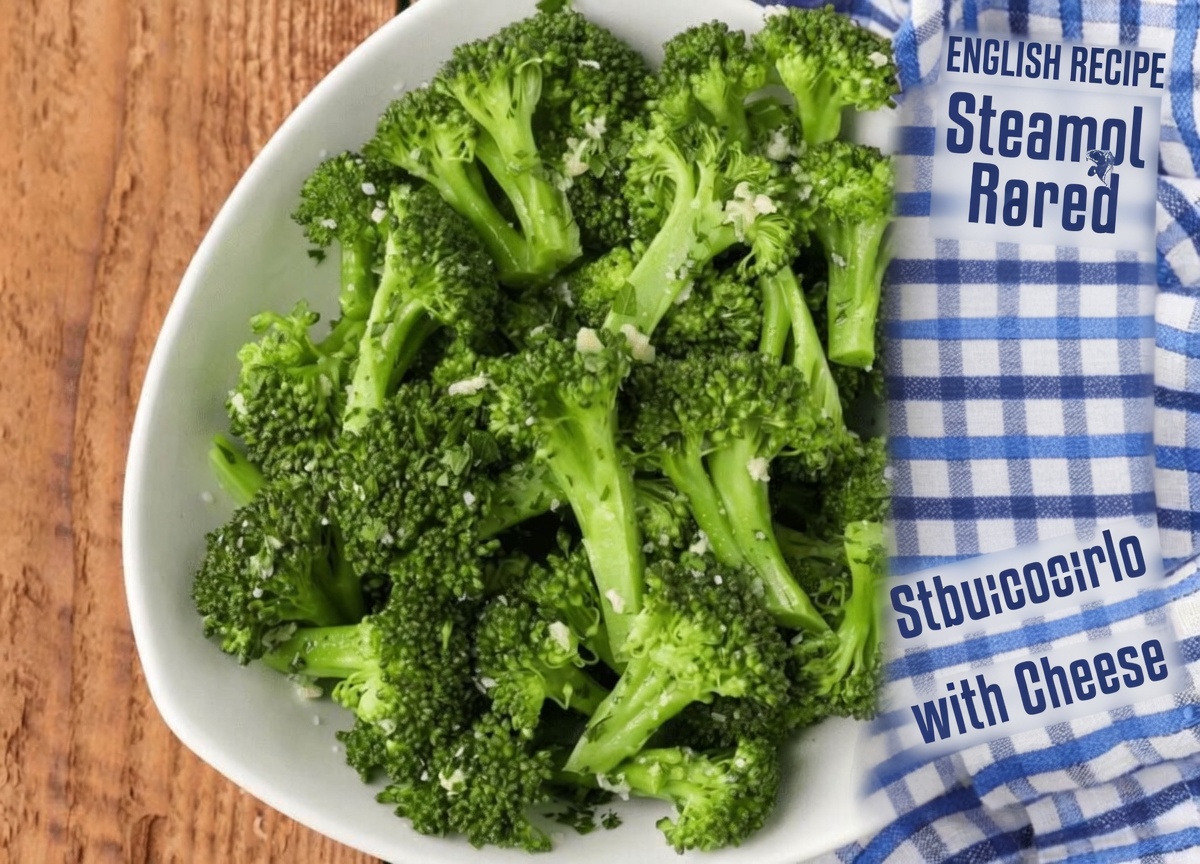
- Broccoli: A leading source of sulforaphane, known for activating the Nrf2 pathway involved in cellular defense. Light steaming is often recommended, and pairing with mustard seed can help maximize sulforaphane formation.
Quick Nutrient Snapshot: Iceberg Lettuce vs. Power Greens
Per 100g (USDA data):
- Vitamin A (% DV): Iceberg 10% | Kale 206% | Spinach 187% | Broccoli 31%
- Vitamin C (% DV): Iceberg 5% | Kale 134% | Spinach 47% | Broccoli 149%
- Vitamin K (% DV): Iceberg 24% | Kale 684% | Spinach 483% | Broccoli 116%
- Fiber (g): Iceberg 1.3 | Kale 4.1 | Spinach 2.2 | Broccoli 3.3
- Antioxidant level: Iceberg Low | Kale Very High | Spinach High | Broccoli Very High
Darker greens and cruciferous vegetables clearly deliver more of the nutrients commonly linked to protective health effects.
A Simple 3-Step Plan to Upgrade Your Plate
You don’t need to eliminate iceberg lettuce entirely—just stop letting it be the main event.
- Swap your base: Use spinach or kale in your next salad, wrap, or sandwich instead of iceberg.
- Add one “top-5” food: Include broccoli, berries, kale, spinach, or tomatoes in three meals this week.
- Build two easy habits: Aim for 2 cups of green tea daily and cook with turmeric + black pepper a few times per week.
Small adjustments tend to be more sustainable—and over a few weeks, many people report steadier energy and less digestive discomfort.
Frequently Asked Questions
Is iceberg lettuce actually unhealthy?
Not inherently. In moderation, iceberg lettuce can add hydration and crunch. The concern is relying on it as your primary vegetable while missing out on more nutrient-dense greens.
Can these foods prevent cancer?
No single food can prevent or cure disease. However, a varied, plant-forward diet is consistently associated with better overall health outcomes, and many of these foods are studied for their roles in cellular protection and inflammation regulation.
How can I lower pesticide exposure from produce?
- Choose organic when possible for produce known to carry higher residues
- Wash thoroughly (and remove outer leaves on lettuces when applicable)
- Prioritize variety, so you’re not repeatedly exposed to the same source over time