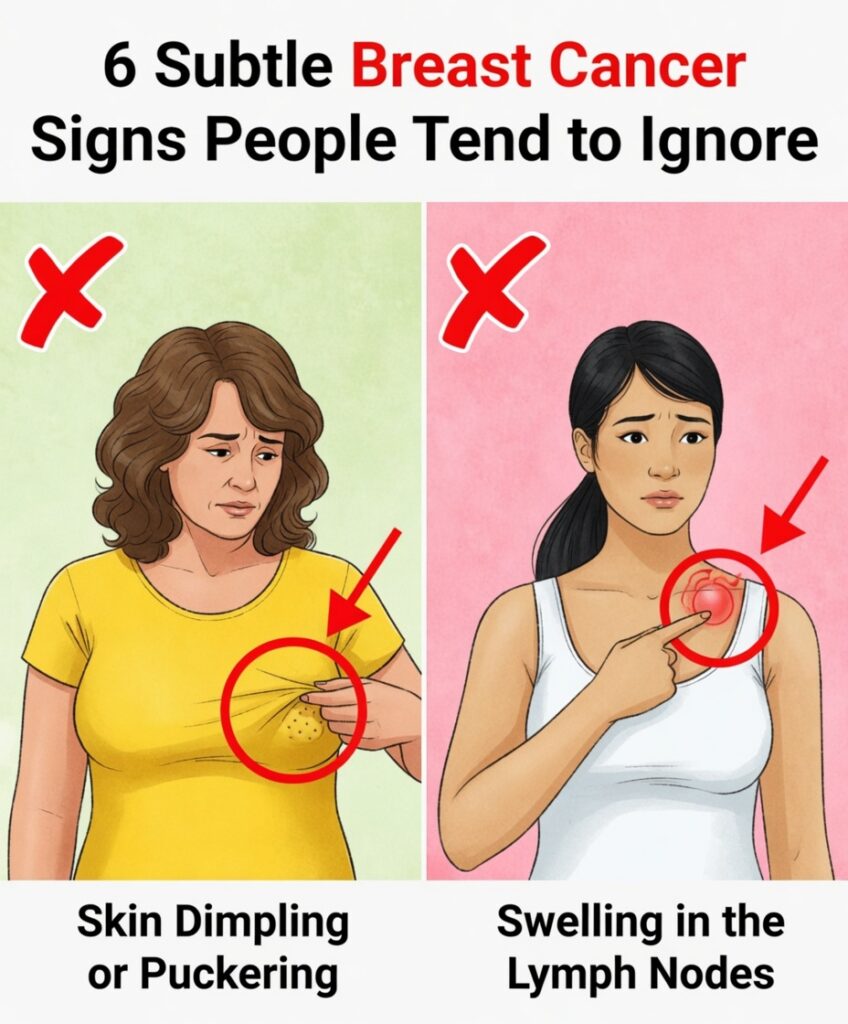
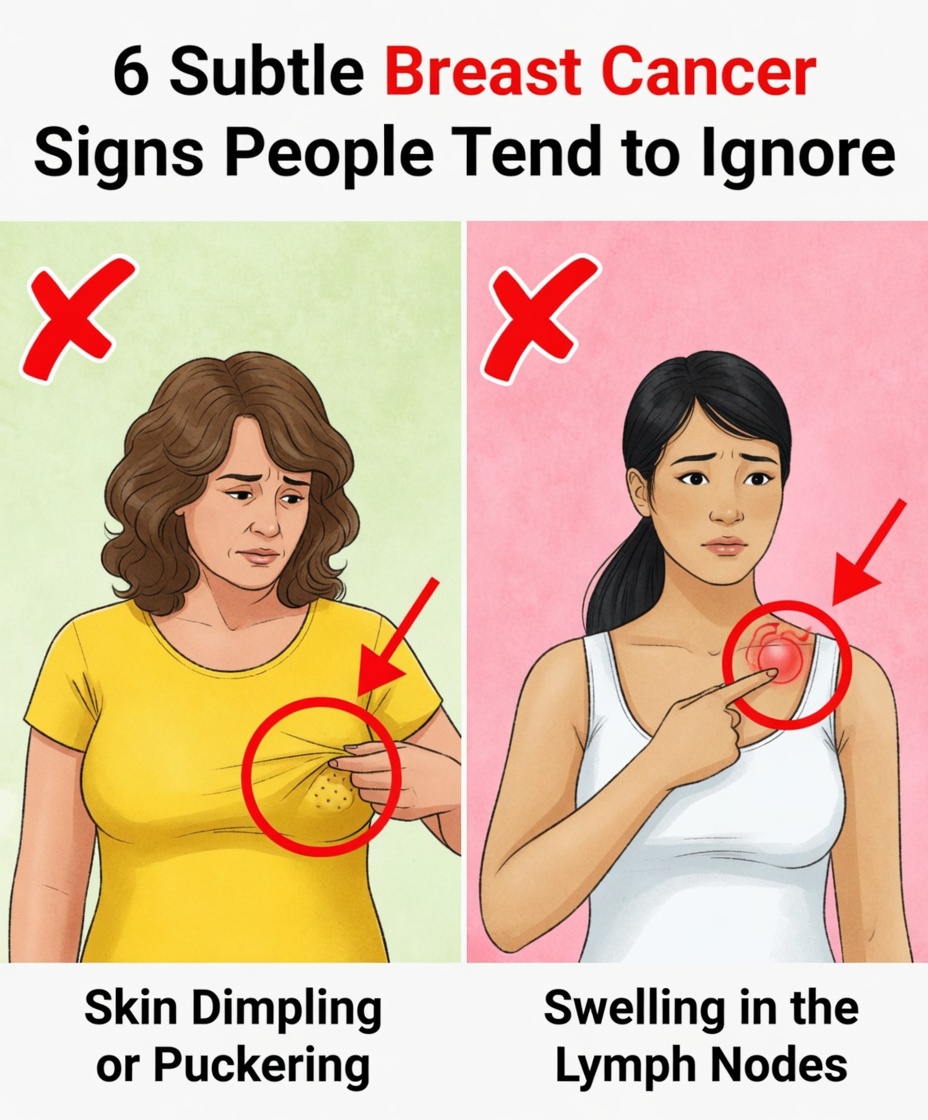
Subtle Breast Cancer Signs You Shouldn’t Ignore
Breast cancer affects millions of people worldwide, and many women worry about overlooking early warning signals. Even if you check for lumps, some subtle breast cancer signs can be easy to miss—often written off as harmless changes, aging, or minor irritation. The problem is that when these quieter symptoms are ignored, breast cancer can progress without obvious clues, making early detection (and better treatment outcomes) harder.
The encouraging part: learning what to look for puts you back in control. Many women who recognized subtle breast cancer symptoms early describe the same feeling afterward—relief that they trusted their instincts and acted quickly. Below are six lesser-known signs that deserve your attention, including one that surprises many people.
1) Skin Dimpling or an “Orange Peel” Look (Peau d’Orange)
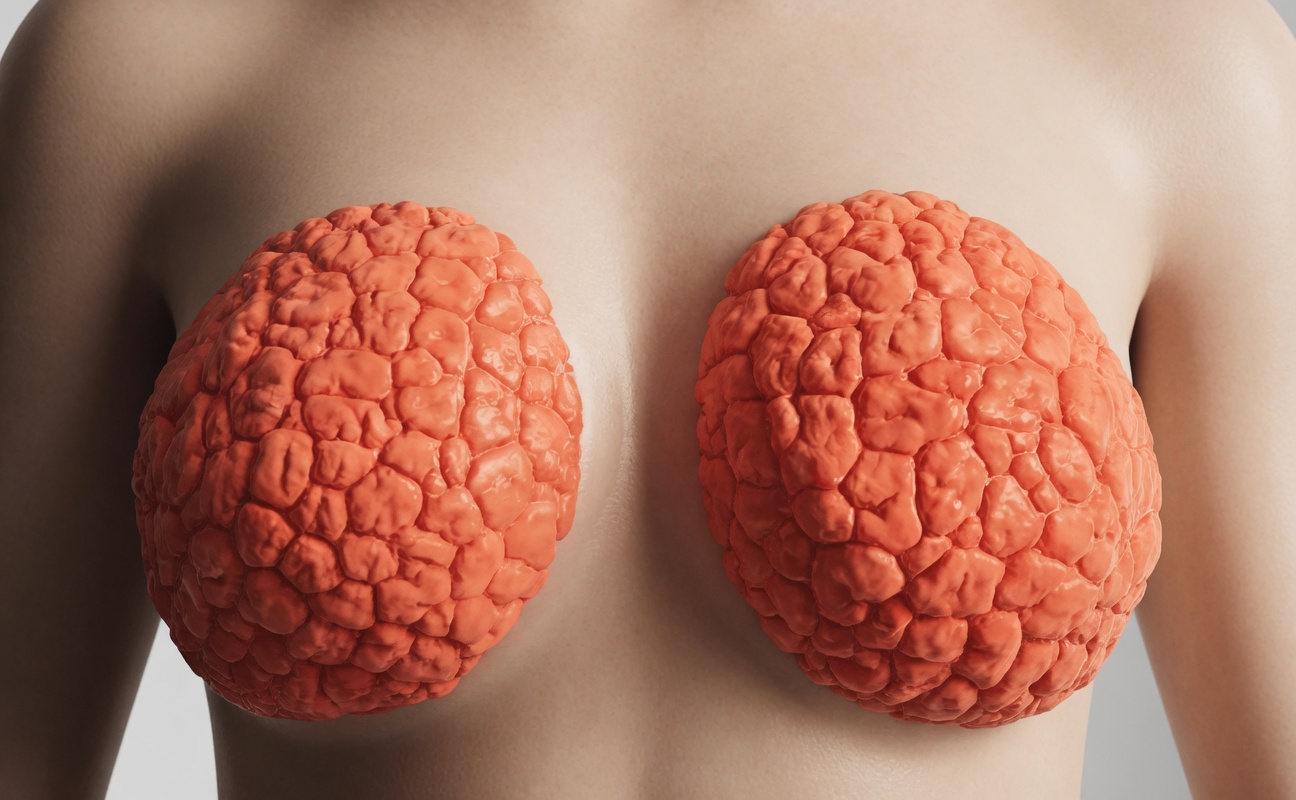
A common but often overlooked subtle breast cancer sign is a shift in skin texture. You may notice dimpling, pitting, or a surface that resembles an orange peel (also called peau d’orange).
This can occur when cancer cells block lymphatic vessels, leading to fluid buildup and tension that pulls on the skin. Because the change can look like a rash, weight fluctuation, or normal aging, many women delay getting it evaluated.
Importantly, organizations such as the American Cancer Society note that skin changes can sometimes appear even when no lump is present. If dimpling persists—especially if it’s mainly on one breast—consider it a reason to get checked.
2) New Nipple Inversion or Retraction
Nipple shape varies from person to person, and some people have inverted nipples naturally. However, a nipple that suddenly turns inward, flattens, or retracts after having been outward can be a subtle breast cancer symptom.
This may happen when a tumor pulls on tissue behind the nipple. Because it can feel easy to rationalize (“maybe it’s my bra,” “maybe it’s just my body changing”), this warning sign is frequently overlooked.
Clinical evidence shows that nipple changes can be an important clue in certain breast cancers. If the inversion is new in adulthood, it’s worth a medical evaluation to rule out a serious cause.
3) Unexplained Nipple Discharge (Clear or Bloody)
Discharge from one nipple—especially when you are not breastfeeding—can be another subtle breast cancer sign that people dismiss.
While nipple discharge is often benign and may be linked to hormones or infection, spontaneous discharge from one side, particularly if it’s clear or bloody, can be connected to abnormal cells within the ducts. Waiting to “see if it stops” can prolong anxiety and delay diagnosis.
Medical guidance commonly emphasizes: if discharge is one-sided, spontaneous, or bloody, arrange a doctor’s visit promptly.

4) Persistent Redness, Warmth, or Swelling
Redness, heat, or swelling across part (or all) of one breast—without an obvious injury—may be a subtle breast cancer symptom, especially in inflammatory breast cancer, a rarer but more aggressive form.
These changes can closely mimic infection, so many people try home treatments first. However, inflammatory breast cancer often involves blocked lymph vessels and can worsen quickly. Another key point: it often does not start with a lump, making visible changes even more important to recognize early.
If redness or swelling doesn’t improve with appropriate care, don’t delay follow-up.

5) Itchy, Flaky, or Scaly Skin on the Nipple or Areola
Ongoing itching, flaking, or a rash around the nipple or areola can look like eczema or dry skin, but it may also be a subtle breast cancer sign.
If moisturizers or over-the-counter creams don’t help, an underlying condition such as Paget’s disease of the breast (a rare disorder often linked to breast cancer) should be considered. Many people tolerate this irritation for months, assuming it’s cosmetic or seasonal.
A practical rule: if the area doesn’t improve after a couple of weeks of standard treatment, schedule an evaluation.

6) Swelling Near the Armpit or Collarbone (Enlarged Lymph Nodes)
A tender or swollen lymph node under the arm or near the collarbone can be a subtle breast cancer symptom—even though it’s not located on the breast itself.
It’s easy to blame this on exercise, shaving irritation, or a mild infection. But swelling that persists may indicate that cancer cells have reached nearby lymph nodes. Because this sign appears outside the breast, it’s commonly missed or dismissed.
If swelling lasts longer than two weeks, it’s a strong reason to seek medical advice.
How to Do a Breast Self-Exam (Monthly Routine)
Knowing subtle breast cancer signs helps, but self-exams can make you more likely to notice changes early. Try this simple monthly approach:
-
In the shower
- Use the pads of your fingers.
- Move in small circular motions.
- Cover the entire breast and the armpit area.
-
In front of a mirror
- Check for visible changes such as dimpling, swelling, redness, or nipple changes.
- Observe with arms relaxed at your sides, then with arms raised.
-
Lying down
- Place a pillow under one shoulder.
- Put that arm behind your head.
- Use the opposite hand to examine the breast thoroughly.
Best timing: a few days after your period ends, when breasts are usually less tender. If you’re postmenopausal, choose the same date each month.
When to See a Doctor (Quick Reference)
| Change | Common Benign Explanations | When to Be Concerned |
|---|---|---|
| Skin dimpling | Weight change, aging | Persistent and mainly on one side |
| Nipple inversion | Present since birth | New in adulthood |
| Nipple discharge | Hormonal shifts | Bloody, one-sided, or spontaneous |
| Redness/swelling | Infection, allergy | No improvement with appropriate treatment |
| Itchy/flaky nipple rash | Eczema, irritation | Doesn’t respond to creams after ~2 weeks |
| Armpit/collarbone swelling | Workout strain, mild infection | Lasts more than 2 weeks |
Final Thoughts
Noticing these six subtle breast cancer signs isn’t a reason to panic—it’s a way to stay informed and proactive. Many breast changes are harmless, but recognizing the concerning ones early can significantly improve outcomes. Pay attention to your body, do regular self-exams, and speak with a healthcare professional if something feels off. Awareness alone is already a protective step.
Frequently Asked Questions
1) At what age should I watch for subtle breast cancer symptoms?
Risk generally rises with age, but changes can happen at any time. Women in their 20s and 30s should stay aware through self-checks and routine care. Screening often starts around age 40, or earlier for those with a strong family history or higher risk.
2) How often should I perform a breast self-exam?
Once a month is a practical schedule. The goal is familiarity—knowing what’s normal for you so you can detect subtle changes sooner.
3) If I notice one of these subtle breast cancer signs, how quickly should I see a doctor?
Aim to book an appointment within 1–2 weeks. If the change appears suddenly, worsens quickly, or comes with significant pain or swelling, seek care sooner.