
Clove Water: A Simple Herbal Infusion for Digestion, Inflammation Comfort, and Daily Balance
That heavy, tight feeling after eating, low energy linked to sluggish circulation, or the irritation of occasional inflammation can quietly drain your day. When these issues repeat, many people look for natural, gentle options that can fit into everyday life without feeling “too strong.”
Clove water—made by steeping whole cloves in water—builds on traditional wellness practices and modern interest in eugenol, cloves’ best-known active compound. Early research suggests cloves may offer supportive effects related to digestion, the body’s inflammation response, antioxidant activity, and more. Below, you’ll find an easy recipe, practical ways to use it, and one simple pairing tip at the end that can make it even more enjoyable.

Why Clove Water Gets So Much Attention
When digestion feels slow or discomfort lingers, people often want supportive remedies that don’t feel harsh. Cloves contain natural plant compounds—especially eugenol—that have been widely studied for antioxidant and anti-inflammatory properties. Steeping cloves in hot water helps release these compounds gradually, creating a mild infusion that’s easy to add to a routine.
Scientific databases such as PubMed include studies exploring eugenol’s potential role in helping regulate inflammatory pathways and oxidative stress. While clove water isn’t a cure or a substitute for medical care, its warming aroma and simple preparation make it appealing for those seeking a steady, traditional approach to everyday wellness.

How to Make Clove Water at Home (Easy Recipe)
If minor digestive upset or “run-down” days are affecting your mood and energy, this infusion is one of the simplest herbal drinks to prepare. It uses common kitchen ingredients and requires minimal time.
Ingredients
You only need a few basics:
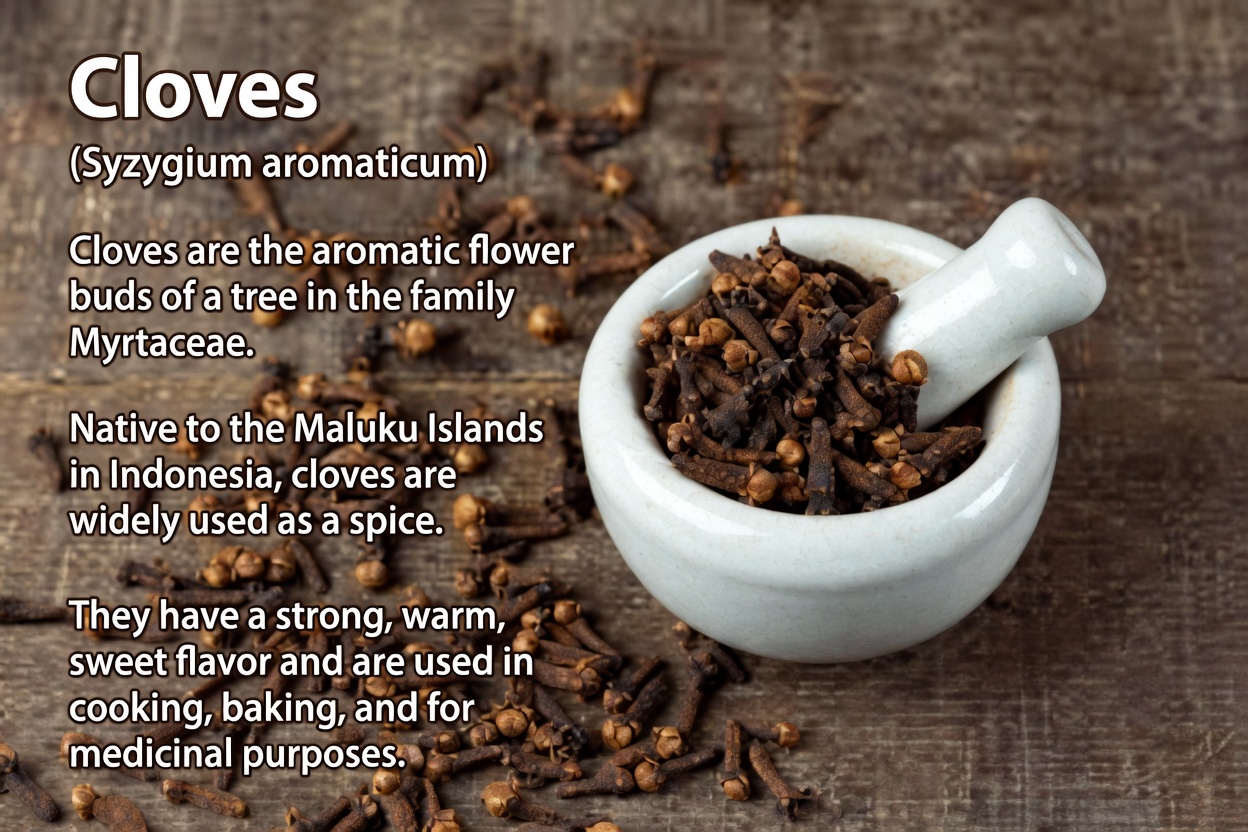
- 4–6 whole cloves (a moderate, balanced intensity)
- 250–500 ml filtered water
- Optional additions for flavor:
- Fresh ginger (a thin slice)
- Lemon (a slice or small squeeze)
Cloves provide the core infusion, while ginger or lemon can make the taste brighter and more refreshing.
Step-by-Step Instructions
- Bring the water to a gentle boil in a small pot.
- Add the whole cloves, then reduce to a light simmer for 5–10 minutes.
- Turn off the heat, cover, and let it steep for 10–15 minutes.
- Strain out the cloves.
- Drink warm or at room temperature.
- Refrigerate leftovers and use within 24 hours.
This method is designed to extract aromatic compounds like eugenol without making the drink overly intense.

5 Ways Clove Water May Support Everyday Wellness
Ongoing low-level discomfort—from digestion troubles to fatigue—can wear down your sense of well-being. Based on research interest around cloves and eugenol, clove water is commonly discussed in these five support areas.
1) Digestive Support and Less Gas
Bloating, post-meal heaviness, or cramping can make eating feel stressful instead of enjoyable. Clove compounds may help encourage digestive activity and reduce gas-related discomfort, according to studies that investigate how eugenol interacts with gastrointestinal function. Many people use clove water as a gentle beverage after meals when digestion feels slow.
2) Respiratory Comfort and Mucus Relief
Seasonal congestion or allergy irritation can make breathing feel tiring. Traditional use and some respiratory-focused research describe clove essential oil components as having expectorant-like qualities, which may help loosen mucus and soothe the throat. Warm clove water can feel especially comforting during colder months.
3) Support for the Body’s Inflammation Response
Mild, recurring inflammation can show up as aches, stiffness, or persistent tiredness. Lab and animal research has linked eugenol with anti-inflammatory activity, suggesting it may help modulate inflammatory signaling. As a daily infusion, clove water is sometimes used as a gentle addition for people seeking overall comfort.

4) Circulation and “Cold Hands/Feet” Feelings
If you often notice cold extremities, tired legs, or general sluggishness, circulation may be part of the picture. Some cardiovascular research suggests clove compounds could support blood flow, potentially through vasodilating effects. While results vary by individual, clove water is a simple option for those aiming to feel more “warmed up” and energized.
5) Antimicrobial Support for Balance
Cloves are well known for antimicrobial activity in laboratory studies, including effects on certain bacteria. For people concerned about maintaining balance—whether in the mouth or gut—clove water offers an easy, food-based way to incorporate clove compounds in moderation.
Quick Overview Table
| Support Area | Main Focus | Common Concerns | What Research Commonly Explores |
|---|---|---|---|
| Digestion & gas | Eugenol | Bloating, cramps, sluggish digestion | Gastrointestinal function modulation |
| Lungs & mucus | Aromatic oils | Congestion, cough, throat irritation | Expectorant-like and soothing effects |
| Inflammation comfort | Eugenol | Aches, swelling, low-grade discomfort | Anti-inflammatory pathways in studies |
| Circulation | Blood flow support | Cold hands/feet, fatigue | Vascular and circulation-related effects |
| Antimicrobial | Eugenol | Gut/oral imbalance concerns | Inhibitory activity in lab research |

Practical Tips for Drinking Clove Water
To get the most out of clove water, consistency and moderation matter more than large amounts.
- Try 1 cup in the morning if your main goal is digestive support.
- If you prefer, sip it slowly during the day instead of drinking it all at once.
- Start with a smaller serving at first to see how your body reacts.
- Keep overall hydration strong—clove water works best as part of good daily habits, not as a standalone fix.
A Simple Combination Tip: Add Cinnamon While Steeping
For a richer aroma and a cozy taste, add one small cinnamon stick during the simmer/steep stage. Many people enjoy this pairing for its warming feel, and combined-spice research often discusses the potential for complementary effects—especially around comfort and circulation.
Final Thoughts
Clove water is a straightforward, aromatic herbal infusion that connects traditional use with modern scientific interest in eugenol and related clove compounds. Whether you’re aiming for gentler digestion, general inflammation comfort, antimicrobial support, or a warming daily drink, it’s an accessible option that doesn’t require special equipment or complicated steps.
If you have persistent symptoms or ongoing health concerns, speak with a qualified healthcare professional before relying on any home remedy.
FAQ
How much clove water do people usually drink per day?
Many common recommendations suggest 1–2 cups daily, typically made with 4–6 whole cloves. Start small and adjust based on your tolerance.
Is clove water safe for everyone?
In moderation, it’s often well tolerated. However, if you’re pregnant, have a clove allergy, or take blood thinners (or other medications), consult a healthcare professional first.
Can clove water help with blood sugar balance?
Some studies suggest clove compounds may influence glucose metabolism, but clove water should not replace medical treatment or monitoring.
Medical disclaimer: This article is for informational purposes only and does not provide medical advice. It is not intended to diagnose, treat, cure, or prevent any condition. Always consult a qualified healthcare provider before starting any new herbal routine, especially if you have a medical condition or take medications.