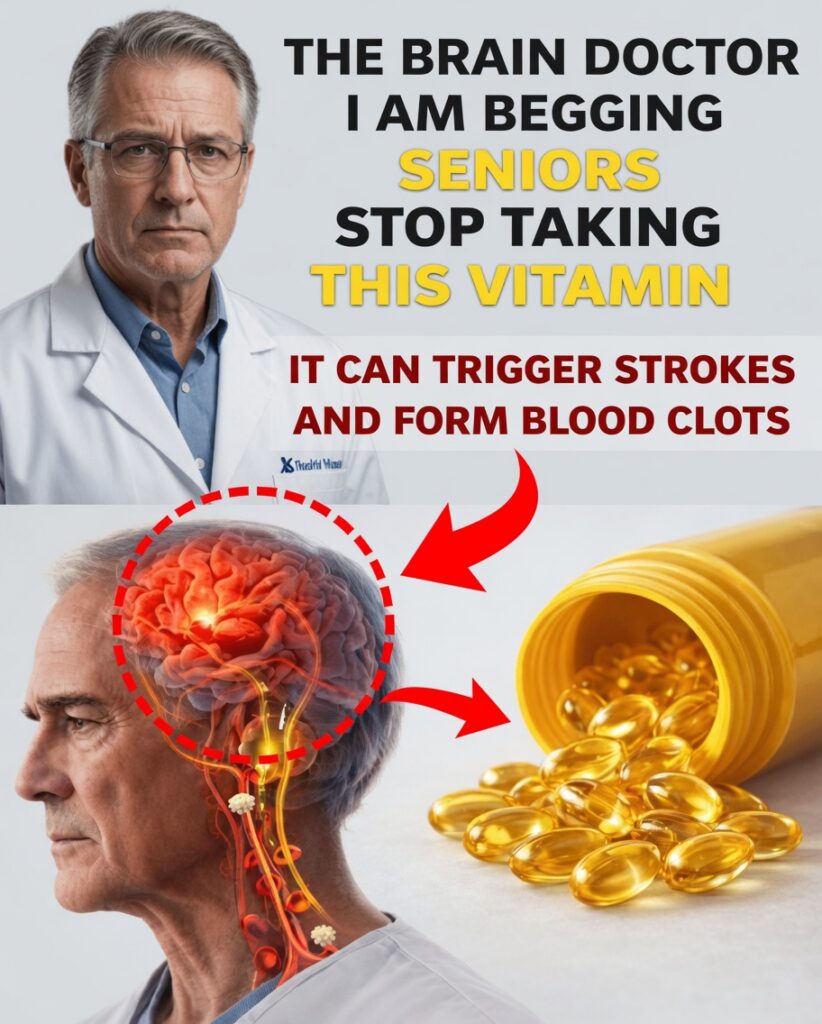
That persistent concern about heart health or stroke risk often pushes older adults toward supplements like vitamin E, hoping to “add a layer of protection” as blood vessels age and daily stamina declines. But a habit that feels harmless can carry less obvious downsides—especially when high doses disrupt the body’s normal blood-clotting mechanisms, potentially leaving some people more prone to bleeding during everyday activities or even while resting. Research paints a nuanced picture: vitamin E supplements may affect different stroke subtypes in opposite ways, which is why many experts advise caution. Stay to the end for a simple daily alternative that supports overall wellness without the same trade-offs.
Understanding Vitamin E’s Role in Senior Health
Vitamin E is best known as an antioxidant, and many seniors take it to help counter oxidative stress that tends to accumulate with age. When fatigue, lightheadedness, or “slower recovery” becomes more common, supplements can feel like a reassuring shortcut.
However, research on high-dose vitamin E supplementation suggests mixed outcomes for vascular health, particularly in older adults. As arteries naturally become less flexible after 60 and the body’s clotting balance changes, vitamin E’s interaction with vitamin K–related pathways becomes more relevant—especially for anyone already watching blood pressure, cholesterol, or heart rhythm.
The Key Concerns: 9 Reasons for Caution with High-Dose Vitamin E in Seniors
Below are nine evidence-based reasons healthcare professionals often recommend careful evaluation before using high-dose vitamin E, especially in adults over 60.
9. It May Disrupt Normal Blood Clotting
With age, concerns about bruising or prolonged bleeding after minor cuts can increase. High-dose vitamin E may worsen this by influencing platelet activity and interfering with vitamin K–dependent clotting factors. In practical terms, this could mean a higher tendency toward bleeding for some individuals.
This becomes even more important when vitamin E is taken alongside medications that already affect clotting.
8. Some Analyses Link It to Higher Hemorrhagic Stroke Risk
Hemorrhagic stroke (bleeding in the brain) is a major fear for many older adults. Several meta-analyses report a modest relative increase in hemorrhagic stroke risk among people taking high-dose vitamin E. One widely cited review described about a 22% relative increase, though the absolute risk remains small for most people.
This signal has been most noticeable in large trials using doses above 400 IU.
7. It May Slightly Lower Ischemic Stroke Risk
The story is not one-sided. Ischemic strokes (caused by clots) are more common overall, and some evidence suggests vitamin E may be associated with roughly a 10% reduction in ischemic stroke risk—possibly due to antioxidant effects on blood vessel function.
But because hemorrhagic risk may rise while ischemic risk may fall, the “net effect” can look neutral when all strokes are combined.
6. Major Studies Show No Meaningful Change in Total Stroke Rate
For seniors trying to make sense of conflicting supplement headlines, this is a key takeaway: large randomized trial reviews generally show no significant effect on total stroke incidence when all stroke types are combined.
In other words, vitamin E has not demonstrated reliable, broad protection against stroke overall.
5. It Has Not Proven Strong Cardiovascular Prevention in High-Risk Adults
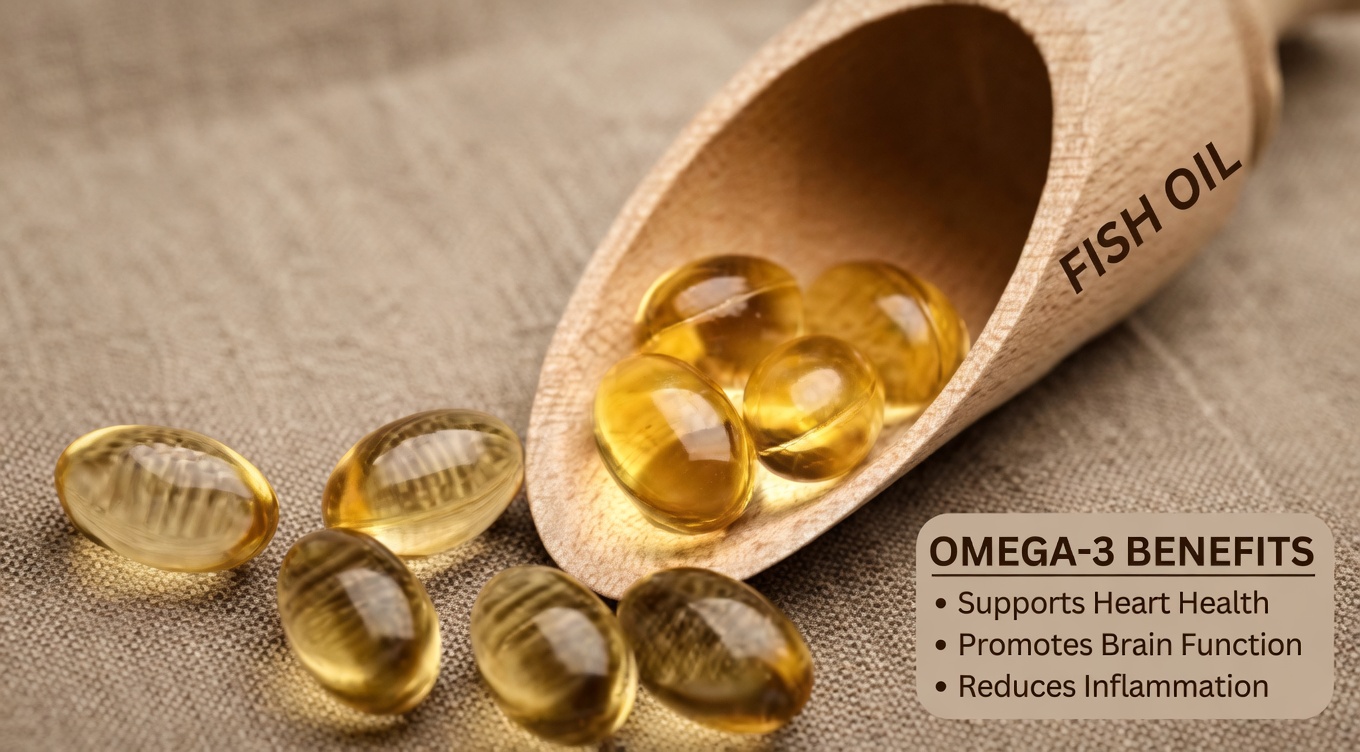
Many adults over 60 take supplements to stay independent and avoid heart events. Yet major research (including large trials involving people with diabetes or established vascular disease) did not find vitamin E to reduce major cardiovascular outcomes. Some follow-up analyses have even raised concerns about potential harms (such as heart failure signals in certain contexts).
Overall, vitamin E has not consistently delivered the kind of cardiovascular prevention many people expect from it.
4. Bleeding Risk Can Increase When Combined with Common Medications
A large portion of seniors use aspirin, anticoagulants, or other medications that affect bleeding. Adding high-dose vitamin E may increase bleeding risk due to combined effects on clotting and platelets. This is why many guidelines recommend avoiding high-dose vitamin E unless a clinician specifically approves it.
Medication interactions become more consequential as kidney function, metabolism, and vascular fragility change with age.
3. Any Benefits Appear Limited to Narrow Subgroups
Some studies suggest certain subgroups may experience modest benefits, but these effects are not consistent enough to justify broad, routine high-dose supplementation for the general senior population.
Because outcomes vary by individual health profile, “one-size-fits-all” advice is rarely appropriate here.
2. Safety Decisions Should Not Be Made Abruptly
Stopping or starting supplements suddenly can be risky—especially for seniors managing multiple prescriptions. High-dose vitamin E is worth discussing with a healthcare professional, particularly if there’s a history of:
- Stroke or transient ischemic attack (TIA)
- Easy bruising or bleeding
- Use of blood thinners or daily aspirin
Monitoring symptoms and coordinating care is the safer path.
1. Food Sources Offer a Gentler Way to Get Vitamin E
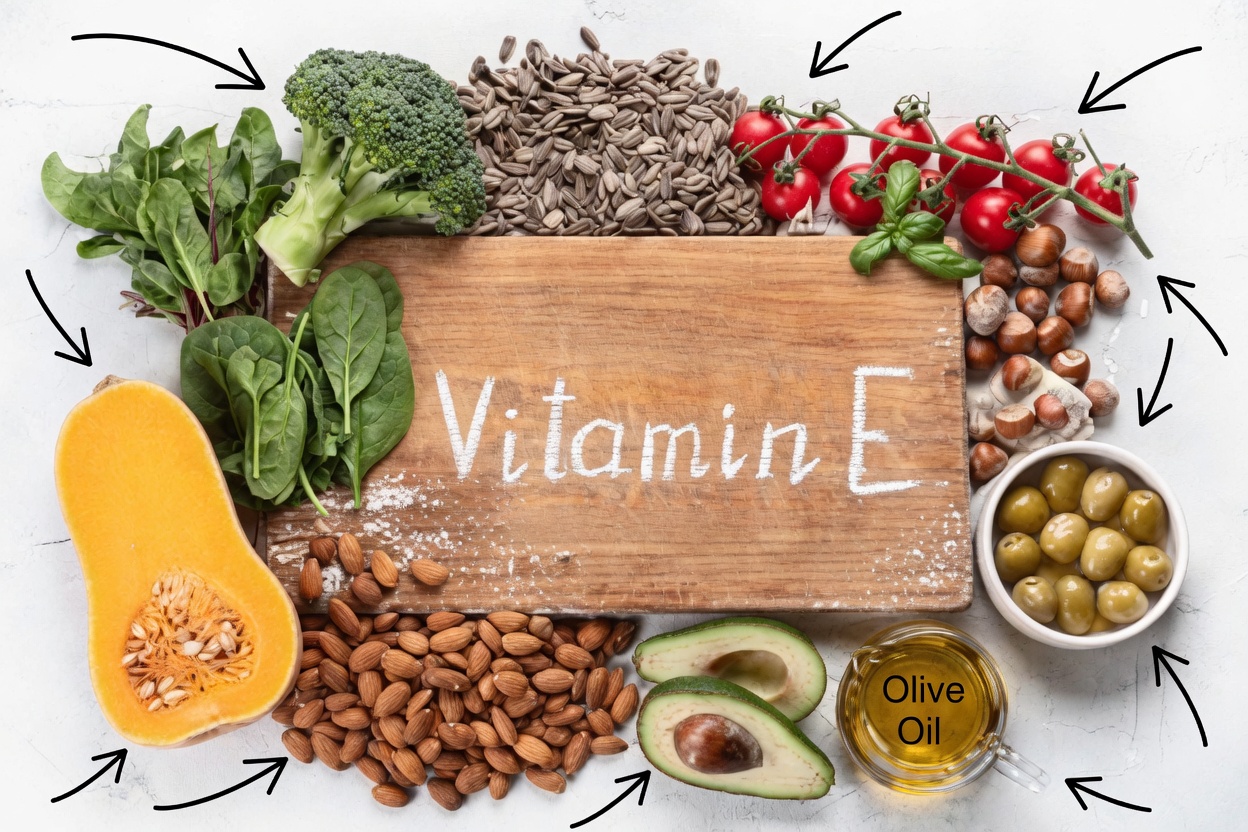
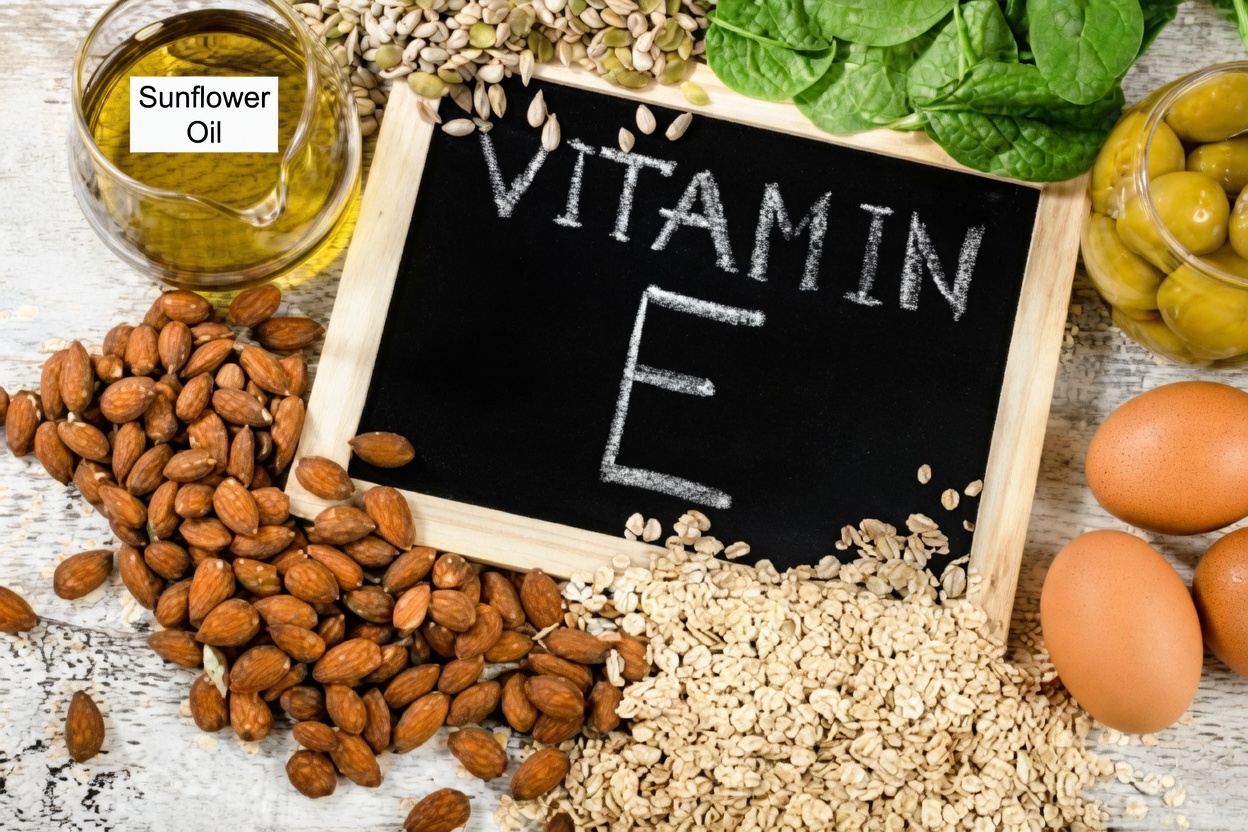
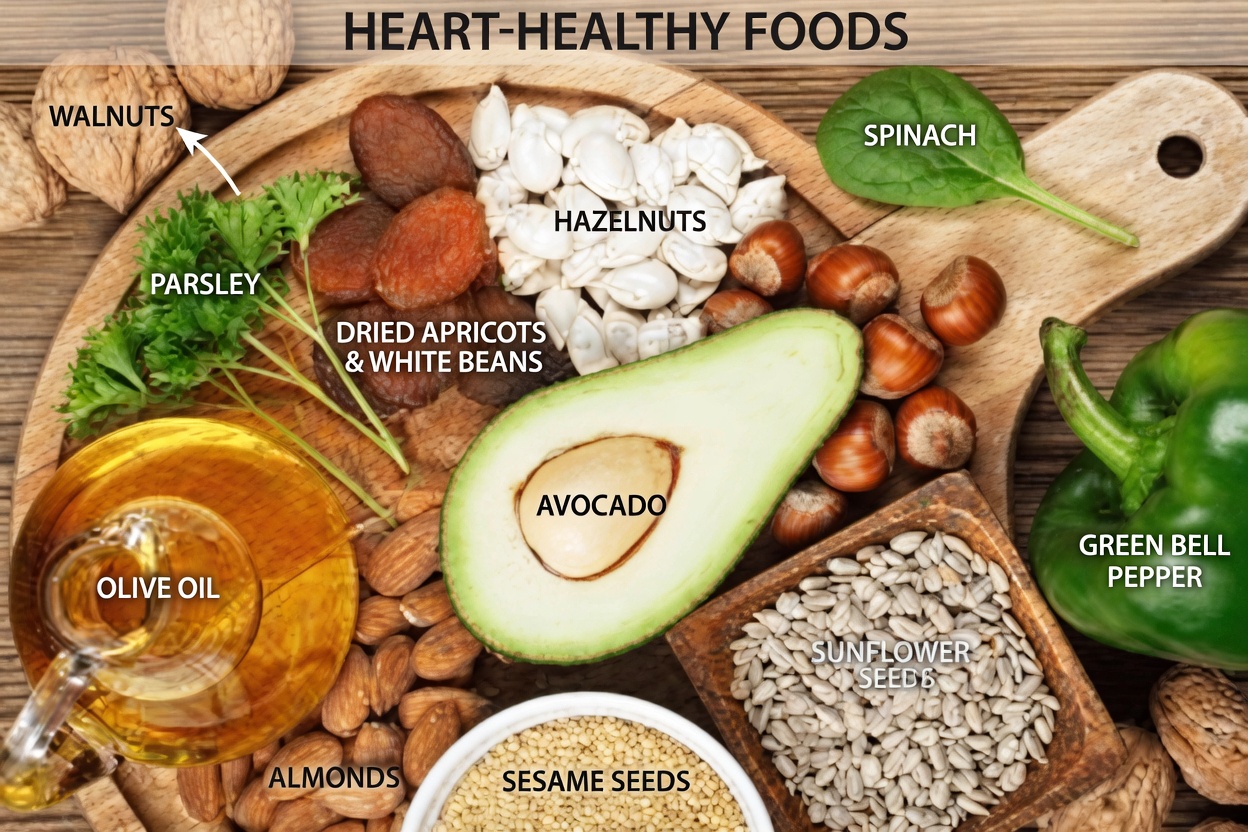
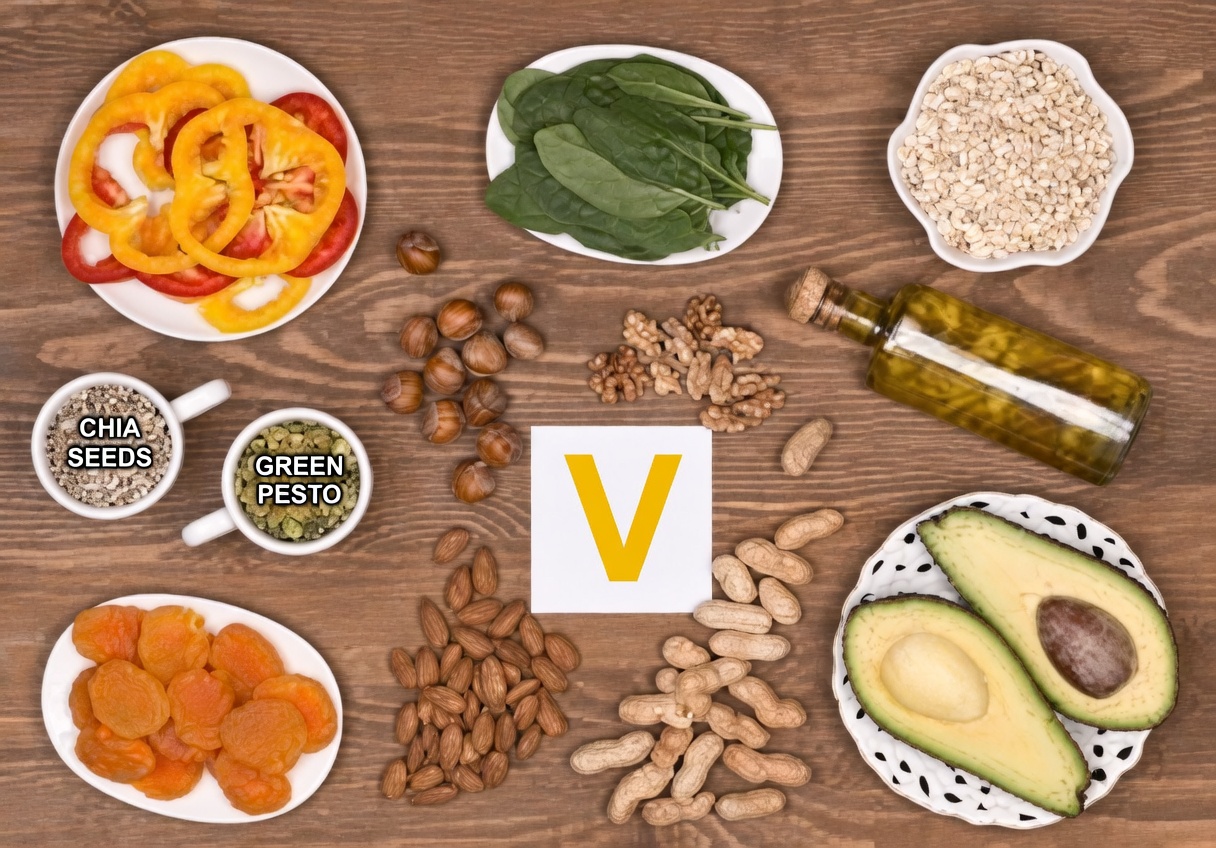
If the goal is antioxidant support without the uncertainty tied to high-dose pills, dietary vitamin E is often the smarter option. Foods like nuts, seeds, and leafy greens provide vitamin E in natural amounts—often alongside fiber, minerals, and additional protective compounds.
For many seniors, a food-first strategy delivers benefits without pushing the body into high-dose territory.
Vitamin E Sources: Supplements vs. Food for Seniors
Here’s a clearer comparison for older adults thinking about stroke prevention, clotting, and overall wellness.
-
High-dose supplements (often >400 IU)
- Form: high-IU alpha-tocopherol
- Considerations: linked in some analyses to higher hemorrhagic stroke risk; may increase bleeding risk with certain medications
- Simple guidance: avoid unless medically advised
-
Lower-dose supplements (typically <400 IU)
- Form: lower-IU vitamin E
- Considerations: generally lower risk, but limited evidence for stroke prevention benefits
- Simple guidance: discuss with a clinician if considering
-
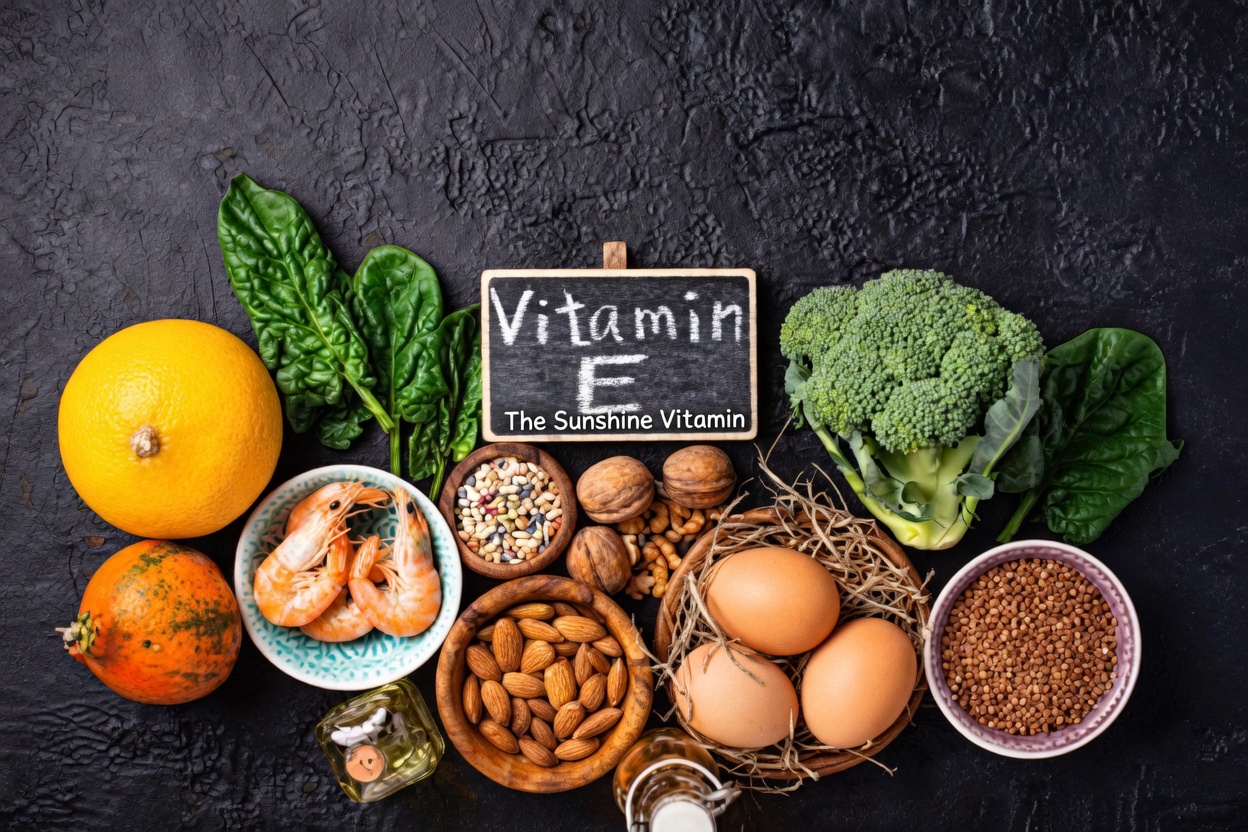
Food sources (almonds, sunflower seeds, spinach, broccoli, olive oil)
- Form: naturally occurring mixed tocopherols
- Considerations: not associated with increased bleeding/stroke risk in the way high-dose supplements are; supports overall nutrition
- Simple guidance: add a small daily portion to meals
-
No added vitamin E (balanced diet only)
- Form: dietary intake from varied foods
- Considerations: avoids supplement-related concerns; sufficient for many people
- Simple guidance: prioritize whole foods and variety
Simple Ways to Get Vitamin E Naturally
If you want vitamin E support without relying on high-dose capsules, try small, consistent food upgrades:
- Add a handful of almonds or sunflower seeds to breakfast or snacks
- Include spinach or broccoli with lunch or dinner
- Drizzle olive oil on salads or cooked vegetables to support absorption
- Pay attention to energy, digestion, and overall well-being over a few weeks
Extra Advantages of Food-Based Vitamin E
Choosing food sources doesn’t just reduce supplement-related concerns—it can add practical benefits many seniors appreciate:
- Skin support: naturally occurring tocopherols can help with age-related dryness
- Nutrient synergy: whole foods deliver vitamin E along with fiber and other micronutrients
- More stable results: steady intake through meals avoids the “high-dose swing” some supplements create
Smart Pairings for Balanced Senior Nutrition
To support vascular wellness in a gentle, consistent way:
- Pair nuts/seeds with fruit for broader antioxidant coverage
- Include fatty fish (omega-3s) as part of heart-supportive eating
- Keep portions reasonable to support digestion and overall balance
Common Questions and Practical Guidance
- Is vitamin E “safe”? Food sources generally are. High-dose supplements deserve caution.
- What if appetite is low? Use small portions—just a spoonful of seeds or a few nuts can help.
- Taking medications? Always confirm with a healthcare professional before adding vitamin E supplements.
In summary, dietary vitamin E can support healthy aging, while high-dose vitamin E supplements have been associated in some analyses with a higher risk of hemorrhagic stroke and increased bleeding potential, particularly for seniors and those on blood-thinning medications. A simple daily alternative is to get vitamin E consistently from whole foods—such as nuts, seeds, leafy greens, and olive oil—so you gain antioxidant support without the same risks.