
Neuropathy can cause difficult, lingering symptoms—such as tingling, numbness, or burning in the hands and feet. For many people, the discomfort interferes with sleep, makes walking less stable, and reduces enjoyment of everyday life. It’s also common to feel discouraged when typical strategies don’t fully calm ongoing nerve irritation.

There’s a more encouraging angle: nutrient deficiencies show up frequently in people with neuropathy, and research suggests that correcting those gaps may offer supportive benefits for nerve function and overall comfort.
In this article, you’ll learn about three well-studied nutrients that may meaningfully influence how you feel from day to day—especially when a deficiency is present.
Understanding Neuropathy and How It Affects Daily Life
Peripheral neuropathy involves damage or irritation to nerves outside the brain and spinal cord. It can create reduced sensation (numbness) or amplified, uncomfortable signals (burning, stabbing, pins-and-needles).
Common contributors include:
- Diabetes
- Vitamin and nutrient deficiencies
- Long-term physical or metabolic stress on the body
Over time, neuropathy may affect balance, mobility, energy levels, and quality of life. Evidence also links certain vitamin shortfalls with neuropathy in many cases. When deficiencies are identified, improving intake through food and, when appropriate, carefully supervised supplementation may support nerve repair mechanisms and reduce discomfort.

Nutrient #1: Vitamin B12 — Core Support for Nerve Protection
Vitamin B12 helps maintain the myelin sheath, the protective coating around nerves that supports efficient nerve signaling. Low B12 levels are strongly associated with neuropathy symptoms, particularly among:
- Older adults
- People with digestive or absorption challenges
- Individuals with limited animal-based foods in their diet
Reviews and clinical findings in neurology research suggest that B12 supplementation can improve nerve conduction and reduce tingling or pain when deficiency is the underlying issue.
Many studies highlight methylcobalamin (an active form of B12) as a promising option due to its role in nerve health and its common use in neuropathy research.
Food sources of vitamin B12 include:
- Salmon and other fish
- Eggs
- Dairy products
- Fortified foods (such as certain cereals or plant-based milks)

Nutrient #2: Vitamin B6 — Helping Nerves Communicate Properly (With Balance)
Vitamin B6 is involved in neurotransmitter production and supports normal nerve signaling. What makes B6 unique is that both deficiency and excess intake can contribute to nerve problems—so the goal is steady, appropriate levels.
Clinical research indicates that an adequate (not excessive) B6 intake may:
- Support healthy signal transmission
- Help with inflammation-related nerve discomfort in some cases
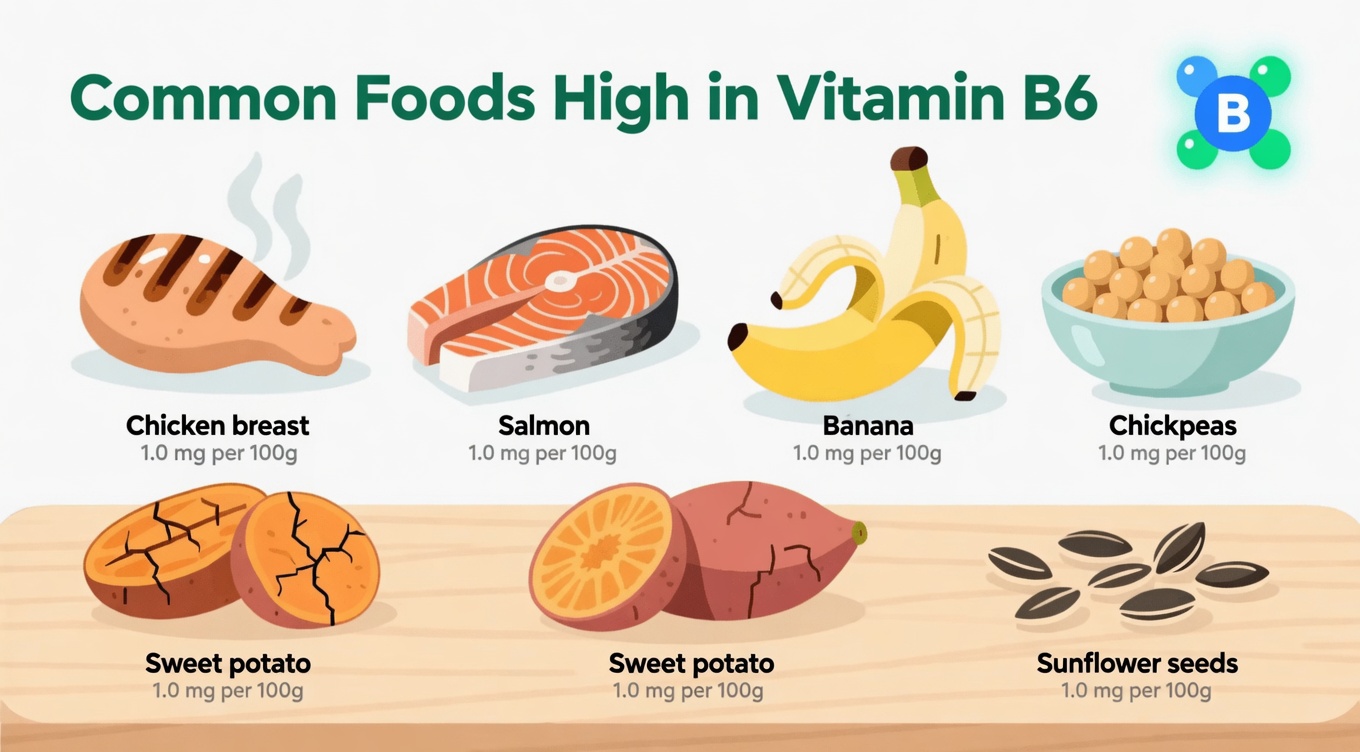
Natural sources of vitamin B6 include:
- Chicken and poultry
- Fish (including tuna)
- Bananas
- Chickpeas and other legumes
For many people, getting B6 primarily from food helps keep intake within a safer range.
Nutrient #3: Alpha-Lipoic Acid — Antioxidant Support for Nerve Comfort
Alpha-lipoic acid (ALA) is a unique antioxidant because it works in both water- and fat-based environments in the body. It has been studied extensively—especially for diabetic neuropathy—where oxidative stress and reduced microcirculation can worsen nerve irritation.
Multiple studies report that consistent ALA use may support:
- Lower oxidative stress affecting nerves
- Improved blood flow to nerve tissue
- Reduced burning or unpleasant sensations in some individuals
ALA occurs naturally in small amounts in foods such as:
- Spinach
- Broccoli
- Tomatoes
It’s also available as a supplement, which is why it frequently appears in neuropathy research discussions.

Additional Nutrients That May Provide Extra Neuropathy Support
Beyond the top three, research often explores several other nutrients that may complement a nerve health plan:
- Vitamin D: Low levels are associated with a higher neuropathy risk; optimizing status may support nerve function.
- Vitamin E: Offers antioxidant protection that may help defend nerve cells from damage.
- Magnesium: Supports muscle relaxation and may reduce nerve-related tension or cramping in some people.
Magnesium-rich foods include almonds, spinach, and avocado, which can fit easily into a daily routine.
Food Sources at a Glance
- Vitamin B12: salmon, eggs, beef, dairy
Role: myelin support and nerve repair - Vitamin B6: bananas, chicken, chickpeas, tuna
Role: signal transmission and inflammation balance - Alpha-Lipoic Acid: spinach, broccoli, tomatoes
Role: antioxidant defense and blood flow support - Bonus — Magnesium: almonds, spinach, avocado
Role: muscle relaxation and nerve comfort

Practical Steps to Start Safely
Nutrient support works best when it’s personalized and monitored. Consider these steps:
- Ask your clinician for lab testing (especially B12 and potentially B6, vitamin D, and related markers as appropriate).
- Prioritize nutrient-dense whole foods daily to build a strong baseline.
- Discuss supplements with your healthcare provider, including:
- The right form (for example, methylcobalamin for B12)
- Safe dosage ranges (particularly important for B6)
- Timing and potential interactions with medications
- Track your symptoms over time, such as sleep quality, burning/tingling intensity, balance, and energy.
- Pair nutrition with supportive habits, such as gentle movement, consistent sleep routines, and blood-sugar management if relevant.
Because supplements can interact with medications and medical conditions, professional guidance is essential.
Final Thoughts
Neuropathy management often requires a multi-angle plan. Still, evidence suggests that vitamin B12, vitamin B6 (at appropriate levels), and alpha-lipoic acid can play meaningful supportive roles—especially when correcting an existing deficiency.
Results vary by person, but many notice gradual improvements in comfort and function when nutrient gaps are identified and addressed consistently. Partner with your doctor to build a safe, individualized plan—small, steady steps can add up to noticeable changes in daily life.
Frequently Asked Questions
How long does it take to feel a difference from these nutrients?
It depends on the individual and whether a deficiency is present. Research commonly reports potential improvements over several weeks to a few months when deficiencies are corrected.
If I eat a healthy diet, do I still need supplements?
Whole foods are ideal, but neuropathy is sometimes associated with absorption issues (particularly with B12). Testing and medical guidance can clarify whether supplementation is necessary.
Can taking too much of these nutrients be harmful?
Yes. Excess vitamin B6 is a well-known concern and can contribute to nerve issues. Always follow clinician-recommended dosing and monitoring.