
Nearly 1 in 7 U.S. adults—about 35.5 million people—may be living with chronic kidney disease (CKD) and not know it, according to CDC estimates. Early lab clues often include higher creatinine or a lower eGFR/GFR. In day-to-day life, this can show up as persistent tiredness, mild swelling in the ankles or legs, or a vague “something feels off” sensation that makes work, family, and routines feel harder than they should.
The encouraging part: small, consistent lifestyle and nutrition changes—supported by research—can help support kidney filtration and improve overall well-being. Below are 12 practical, evidence-informed habits you can start using right away, plus a simple 30-day plan to make them stick.

Why Creatinine Goes Up and GFR Goes Down (and Why You Should Care)
Your kidneys filter the blood every day, removing waste products—one of which is creatinine, a normal byproduct of muscle metabolism. When kidney filtration slows, creatinine can accumulate in the bloodstream and GFR (glomerular filtration rate) may decline.
Common contributors include:
- Dehydration
- High blood pressure
- Poor blood sugar control
- Excessive protein load (especially over time)
A typical healthy eGFR is often above 90 mL/min, while values below 60 usually deserve closer attention with a clinician.
These shifts may be linked with ongoing fatigue, fluid retention, and gradually increasing discomfort. Medical care is essential when kidney disease is diagnosed—but daily habits can still play an important supportive role alongside professional guidance.
Quick self-check: How often do you notice low energy or mild puffiness affecting your day? Keep that in mind as you review the habits below.
1) Stay Hydrated: A Foundational Kidney-Support Habit
Water helps dilute waste products and supports the kidneys’ filtering process. For many people with otherwise healthy kidney function, a practical target is 8–10 glasses per day (about 2–3 liters), spaced throughout the day.
Try this today:
- Sip steadily rather than drinking a large amount at once
- Add lemon, cucumber, or mint for flavor without extra sodium
Many people notice less sluggishness and reduced puffiness after a few weeks of consistent hydration. If you have advanced kidney disease or fluid restrictions, follow your clinician’s specific guidance.
2) Favor Plant Proteins and Don’t Overdo Animal Protein
A diet heavy in animal protein—especially red meat—can increase the creatinine burden (in part because cooking converts creatine to creatinine). Research suggests that shifting toward more plant-forward protein may help some people better manage kidney-related markers.
Simple swaps:
- Replace some red meat meals with beans, lentils, tofu, or chickpeas
- Build meals around vegetables and whole grains, then add moderate protein portions
Reflection: On a scale of 1–10, how animal-protein-heavy are your meals? Even a small shift can be noticeable.
3) Cut Back on Sodium to Improve Fluid Balance
Too much salt can drive fluid retention and raise blood pressure, both of which increase kidney strain. A commonly recommended ceiling is 2,300 mg sodium/day (and often lower depending on individual needs).
Practical ways to reduce sodium:
- Use herbs, garlic, citrus, pepper, and spices instead of salt
- Choose fresh or minimally processed foods over packaged, canned, or fast foods
This habit alone often makes swelling and “puffy” discomfort easier to manage.

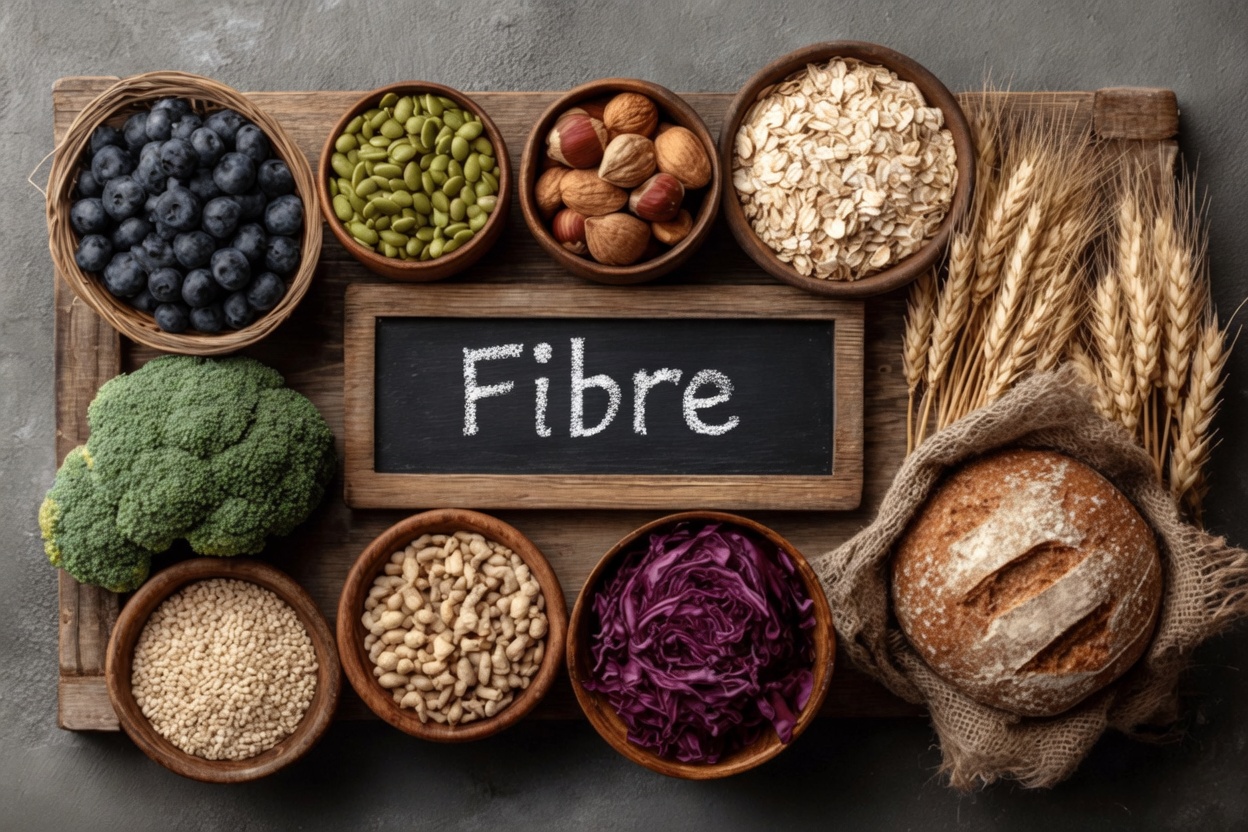
4) Increase Fiber Using Whole Foods
Higher fiber intake has been associated in some studies (including CKD-focused research) with improvements in kidney-related lab markers such as serum creatinine and eGFR over time. Fiber also supports gut health, steadier blood sugar, and may reduce waste reabsorption.
Easy fiber upgrades:
- Oats or whole-grain cereal at breakfast
- Daily servings of berries, apples, carrots, leafy greens
- Add chia seeds or ground flaxseed to yogurt, oatmeal, or salads
5) Do Gentle, Consistent Exercise (Not Extreme Training)
Moderate activity supports circulation, helps regulate blood pressure, and can improve overall kidney perfusion—without the temporary creatinine rise that can happen after very intense workouts.
Good options:
- Walking
- Swimming
- Yoga or mobility routines
A realistic starting point: 20–30 minutes most days, such as a walk after meals. Over time, people often report better energy and less fatigue.
Mid-check: You’ve covered 5 habits so far—what feels easiest to start this week?
6) Keep Blood Pressure and Blood Sugar in a Healthy Range
Two of the biggest drivers of kidney decline are hypertension and diabetes. Lifestyle strategies can help stabilize both, especially when paired with clinical monitoring and treatment as needed.
Supportive actions:
- Emphasize low-glycemic meals (vegetables, legumes, whole grains, healthy fats)
- Use portion awareness and regular meal timing
- Track readings when advised by your healthcare provider
Steadier blood pressure and blood sugar often correlate with improved day-to-day stamina.
7) Reduce Stress to Support Whole-Body Balance
Chronic stress can elevate cortisol and strain multiple systems, indirectly affecting kidney health. Small daily practices can be surprisingly effective.
Quick stress-lowering ideas:
- 5–10 minutes of breathing exercises or meditation
- Time outdoors, light hobbies, or relaxing music
- Combine stress relief with movement (a calm walk is a strong pairing)
8) Make Sleep a Non-Negotiable Health Habit
Consistently poor sleep is linked with worse cardiometabolic health and may be associated with less favorable kidney markers. Aim for 7–9 hours per night.
Better sleep basics:
- Keep a consistent sleep/wake schedule
- Reduce screens and bright light before bedtime
- Keep caffeine earlier in the day
Quality sleep often translates to more stable daytime energy and mood.
9) Support a Healthy Weight with Gradual, Sustainable Changes
A healthier weight can reduce kidney workload and improve blood pressure and insulin sensitivity. The most kidney-friendly approach is steady progress—not crash dieting.
What tends to work best:
- Balanced meals with high-fiber foods
- Consistent moderate movement
- Realistic weekly goals you can maintain
10) Watch for Substances That Can Stress the Kidneys
Some medications and supplements can place extra strain on kidney function.
Be especially cautious with:
- Frequent or high-dose NSAIDs (such as ibuprofen)
- Creatine supplements (can influence creatinine levels and kidney workload)
Always check with a healthcare professional before making changes—especially if you already have abnormal kidney labs.
11) Be Careful With Herbal Remedies
Herbs such as nettle leaf or cinnamon are sometimes discussed for supportive benefits, but evidence is mixed and interactions are possible—particularly if you take medications or have diagnosed kidney disease.
Best practice:
- Discuss any herbal products with your clinician or pharmacist first
12) Personalize Fluids and Overall Balance
The goal is balance—not “as much water as possible.” Your ideal fluid intake depends on health status, medications, activity level, and climate.
A helpful principle:
- Avoid both chronic under-hydration and excessive intake
- Adjust with professional guidance when kidney disease is present
When combined, these 12 habits can create a meaningful “stacking effect” for long-term support.
Everyday Symptoms vs. Supportive Habits (Quick Map)
- Fatigue / low energy → Hydration, gentle exercise, sleep, stress reduction → better recovery and circulation
- Mild swelling → Lower sodium, balanced protein, appropriate hydration → less fluid buildup
- Concern about creatinine → More plant protein + higher fiber → may reduce load and support healthy elimination
- Lower eGFR signals → Blood pressure/blood sugar control + moderate activity → supports filtration conditions
- Overall kidney workload → Consistent use of all 12 habits → cumulative daily protection
Lifestyle Habits vs. Other Kidney Health Approaches
- These 12 habits: low-cost, whole-body benefits; requires consistency; supported by research and clinical observation
- Medications (when prescribed): targeted impact; potential side effects; often strong evidence
- Advanced treatments: essential for severe disease; more intensive and closely supervised
Lifestyle is not a replacement for medical treatment—but it can be a powerful complement.
A Simple 30-Day Kidney Support Plan
Imagine 30 days from now: steadier energy, less puffiness, and more control over your routine. Start with one or two habits today, then build gradually.
A practical structure:
- Week 1: Hydration + sodium reduction
- Week 2: Add fiber + gentle daily movement
- Week 3: Improve sleep routine + stress practice
- Week 4: Refine protein choices + monitor BP/sugar habits (if applicable)
Track weekly changes in:
- Energy level
- Swelling
- Mood and focus
Momentum often becomes noticeable by weeks 3–4.
Medical Disclaimer
This article is for informational purposes only and is not medical advice. If you have abnormal kidney labs, diagnosed kidney disease, take medications, or are considering supplements or major diet changes, discuss your plan with a qualified healthcare professional.