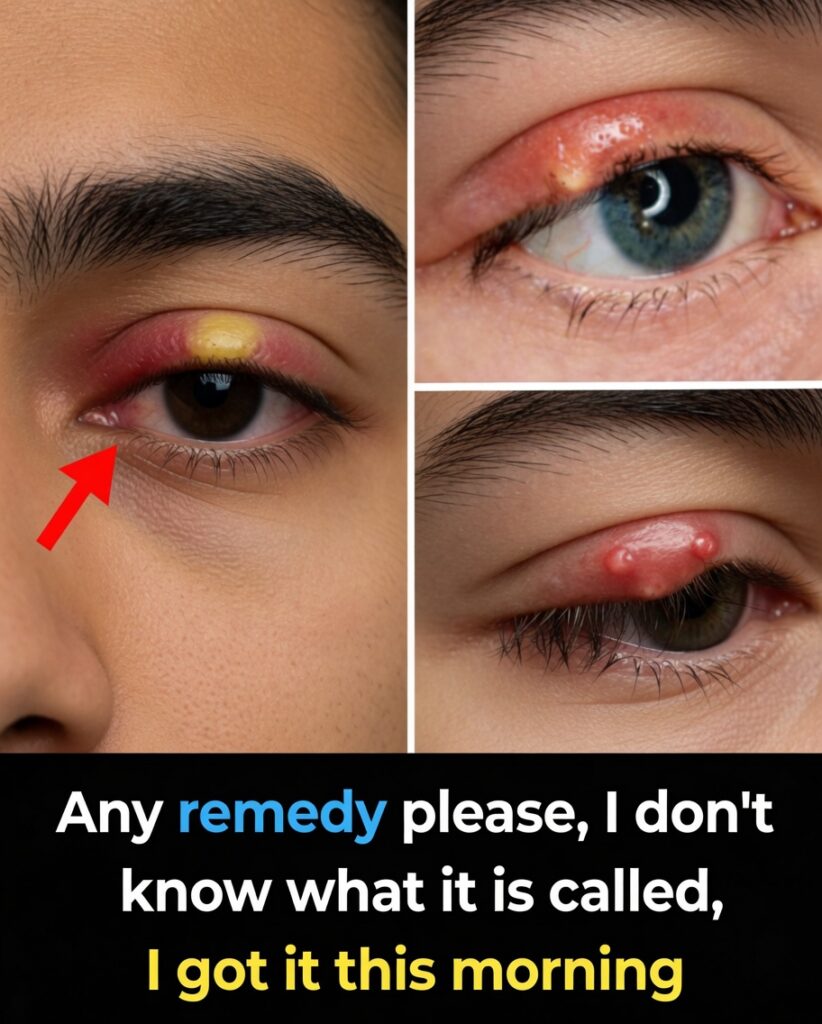
A swollen, sensitive bump on your eyelid can show up seemingly overnight and derail your whole day. It may sting each time you blink, feel heavy, and even make you more self-aware in public. The irritation becomes even more frustrating when it interferes with vision or everyday tasks. The encouraging news: steady, gentle home care often supports natural healing, and one simple prevention habit near the end of this guide is frequently overlooked—yet can make a real difference.
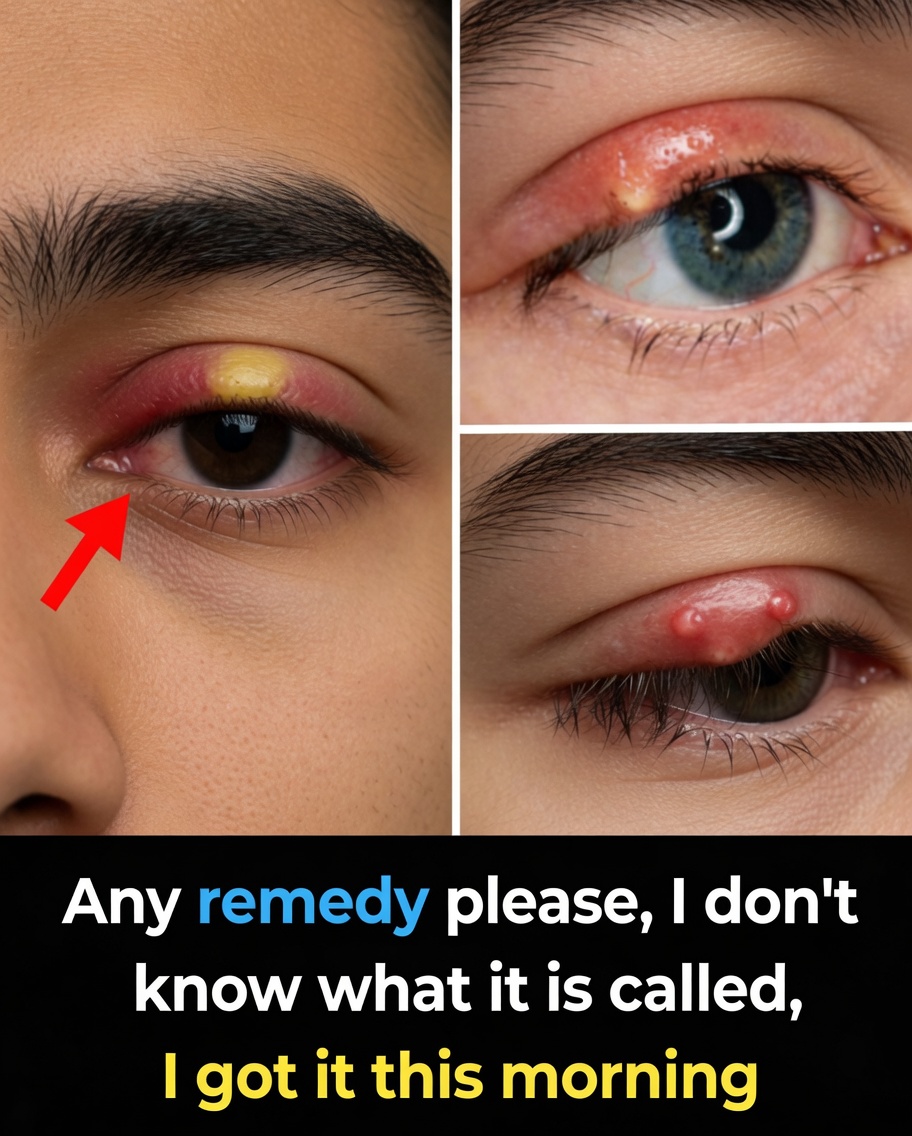
Stye vs. Chalazion: What’s Actually Happening on the Eyelid?
Before you choose a care routine, it helps to understand what you’re dealing with.
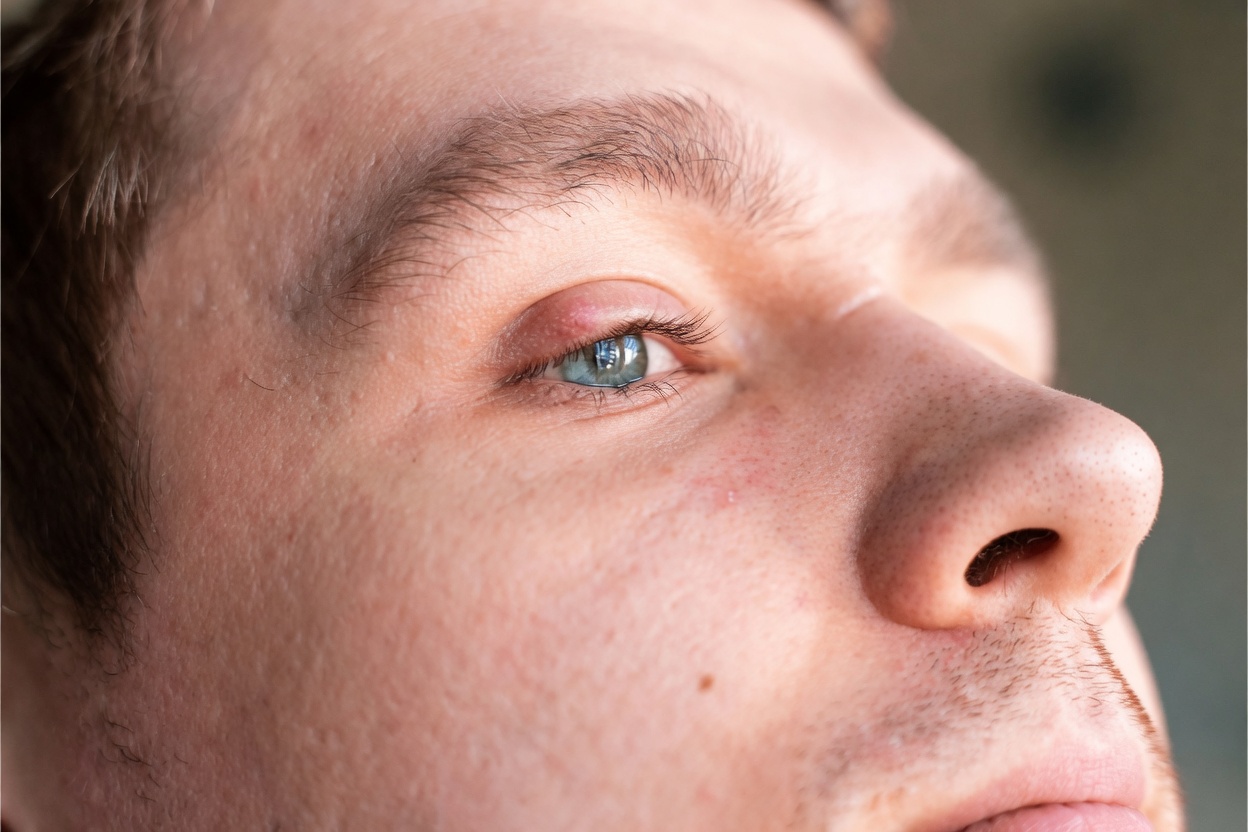
- Stye (hordeolum): A small, usually painful lump near the eyelid edge. It commonly forms when an oil gland becomes blocked and may involve bacterial buildup.
- Chalazion: A deeper blockage within the eyelid. It’s often less painful, but it can be more stubborn and slow to resolve.
Patient education sources and general ophthalmology guidance (including resources commonly associated with organizations such as the American Academy of Ophthalmology) note that styes and chalazia are often self-limited and frequently improve with supportive at-home measures.
One important point: how you treat your eyelid during the first few days can influence how quickly discomfort eases.
Why Gentle Care Beats “Quick Fixes”
It’s easy to feel tempted to squeeze, poke, or scrub—especially when the bump is obvious and uncomfortable. But aggressive handling can irritate fragile eyelid tissue, increase inflammation, and potentially make things worse.
A safer approach focuses on:
- Warmth
- Cleanliness
- Reduced irritation
- Giving the eye a break
Simple, consistent habits usually outperform complicated remedies.
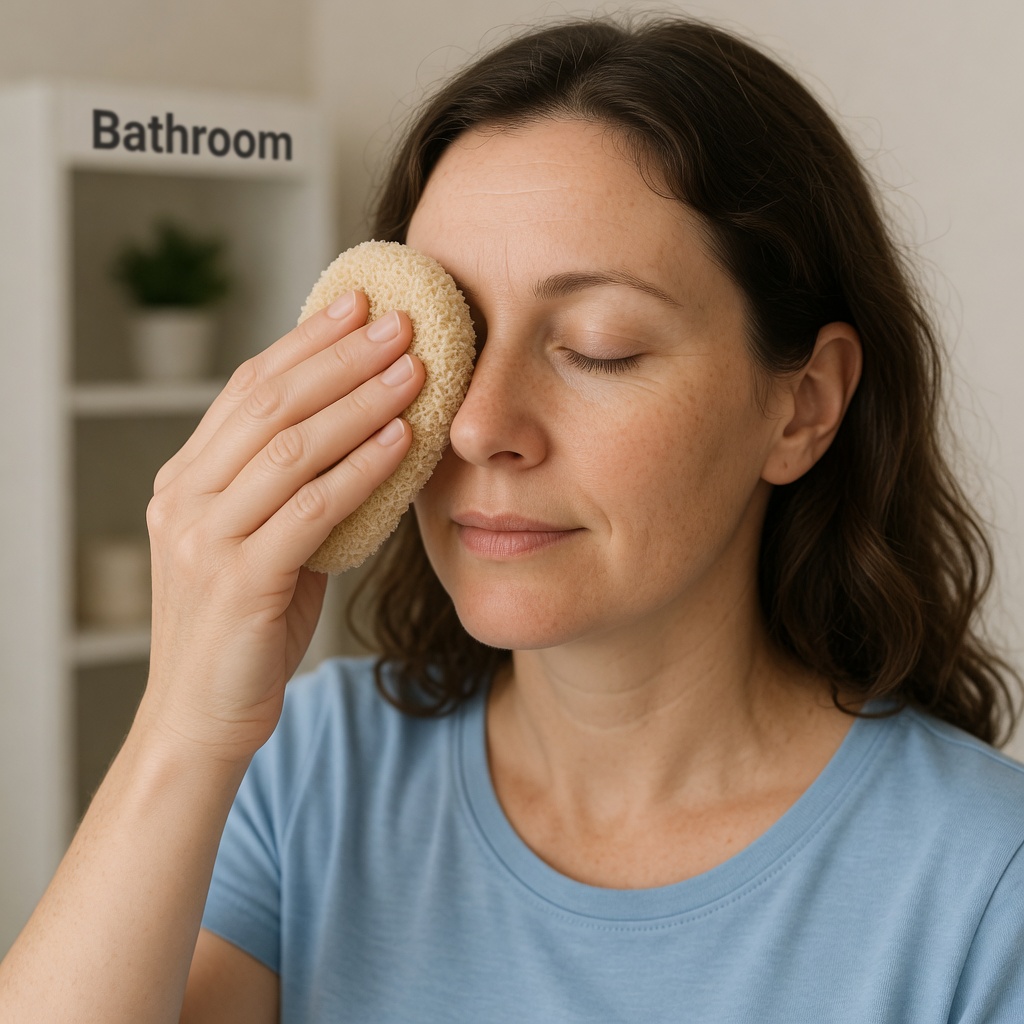
1) Warm Compress: The Most Recommended First Step
A warm compress helps soften and loosen trapped oil in the gland, which can encourage natural drainage and reduce pressure.
How to Use a Warm Compress Safely
- Wash your hands thoroughly.
- Wet a clean washcloth with warm (not hot) water.
- Wring it out so it’s damp, not dripping.
- Place it gently over your closed eyelid.
- Keep it in place for 10–15 minutes.
- Re-warm the cloth as it cools.
- Repeat 3–4 times daily.
The key is consistency. One compress rarely changes much, but repeated warmth often does. Make sure it feels comfortably warm—too much heat can irritate sensitive eyelid skin.
2) Gentle Eyelid Cleaning with Mild Soap (No Scrubbing)
When oil glands are blocked, keeping the eyelid margin clean can support recovery. The goal is to remove buildup, not to “scrub it away.”
Simple Eyelid Hygiene Routine
- Use lukewarm water
- Choose a fragrance-free mild soap or diluted baby shampoo
- Dip a clean cotton pad into the diluted solution
- Gently wipe along the eyelid margin (where lashes meet the lid)
- Rinse carefully
- Pat dry with a clean towel
Consistent eyelid hygiene is commonly recommended in routines designed to reduce recurrence in people prone to styes or chalazia. Keep it gentle—rough rubbing can increase swelling.
3) Warm Black Tea Bag Compress (Comfort Option)
This method is popular because it’s simple and soothing. Black tea contains tannins, which may provide mild soothing or anti-inflammatory support, although strong clinical evidence is limited. Many people still find it comforting as a warm compress alternative.
How to Use a Tea Bag the Safe Way
- Steep a black tea bag in hot water
- Let it cool until warm, not hot
- Squeeze out excess liquid
- Place it over the closed eyelid for 5–10 minutes
Use a new, clean tea bag each time. Avoid reusing tea bags and skip herbal blends that might irritate delicate skin.
4) Pause Eye Makeup and Contact Lenses
Makeup and contacts can prolong irritation and may introduce extra friction or contamination.
While the eyelid is swollen:
- Avoid mascara, eyeliner, and eyeshadow
- Pause contact lens wear if possible
- Use glasses temporarily
If you used eye makeup shortly before the bump appeared, consider replacing it—products can become contaminated and may contribute to repeat issues.
5) Antibiotic Ointment (Only When a Clinician Recommends It)
If there are signs of infection, a healthcare professional may advise an antibiotic ointment. Use only medication that is prescribed or specifically recommended by a qualified provider.
- Apply exactly as directed
- Do not use leftover prescriptions
- Understand that antibiotics are not always necessary—many styes improve with warm compresses alone
A Simple Daily Routine You Can Start Today
Morning
- Warm compress (10–15 minutes)
- Gentle eyelid cleaning
Midday
- Warm compress
Evening
- Warm compress
- Eyelid hygiene
- Avoid makeup overnight
Follow this for several days before expecting noticeable improvement. With stye or chalazion home care, consistency matters more than intensity.
What Not to Do
Avoid actions that can worsen inflammation or spread bacteria:
- Do not squeeze, pop, or pick at the bump
- Do not use harsh cleansers near the eye
- Do not apply essential oils directly to the eyelid
- Do not share towels or cosmetics
- Do not ignore symptoms that are getting worse
The eyelid is delicate—gentle care is the safer strategy.
When to Seek Professional Medical Advice
Many styes improve within 1–2 weeks, but it’s wise to consult a healthcare professional if:
- Swelling spreads beyond the eyelid
- Vision becomes blurry or affected
- Pain becomes severe
- The lump lasts beyond several weeks
- You get repeated styes or frequent chalazia
A persistent chalazion may need further evaluation. Getting guidance early can help prevent complications.
The Overlooked Habit That Helps Prevent Styes from Coming Back
Many people focus only on treating the active bump and skip prevention. Ongoing eyelid hygiene—even after the swelling is gone—can reduce recurrence.
If you frequently get styes or chalazia, consider:
- Cleaning eyelids gently several times per week
- Removing all eye makeup before bed
- Replacing mascara every 3 months
- Washing pillowcases regularly
- Avoiding unnecessary eye touching
Small habits, done consistently, often protect your eyes better than “fast” remedies.
Quick Comparison: Stye vs. Chalazion
-
Pain
- Stye: Usually tender
- Chalazion: Often painless
-
Location
- Stye: Near the eyelid edge
- Chalazion: Deeper within the eyelid
-
Common Cause
- Stye: Blocked gland with bacterial involvement
- Chalazion: Blocked oil gland
-
Typical Duration
- Stye: Short-term
- Chalazion: May last longer
-
Warm Compress Helps
- Stye: Yes
- Chalazion: Yes
Conclusion
Managing a stye or chalazion doesn’t require complicated treatments. Warm compresses, gentle eyelid cleaning, avoiding irritants, and consistent hygiene often support natural healing. Many cases improve over days to weeks with patient, steady care.
If symptoms persist or worsen, seek professional evaluation. In the long run, daily prevention habits are far more effective than aggressive quick fixes.
Frequently Asked Questions
How long does a stye usually last?
Most styes improve within 7–14 days with regular warm compresses and good eyelid hygiene. If it lasts longer, check with a healthcare provider.
Can I wear makeup with a stye?
It’s best to avoid eye makeup until swelling resolves to reduce irritation and the risk of contamination.
Are styes contagious?
They aren’t highly contagious, but bacteria can spread through shared towels, cosmetics, or frequent eye touching. Good hygiene lowers risk.
Medical Disclaimer
This article is for informational purposes only and does not replace professional medical advice. Always consult a qualified healthcare provider for personalized guidance regarding eye health.