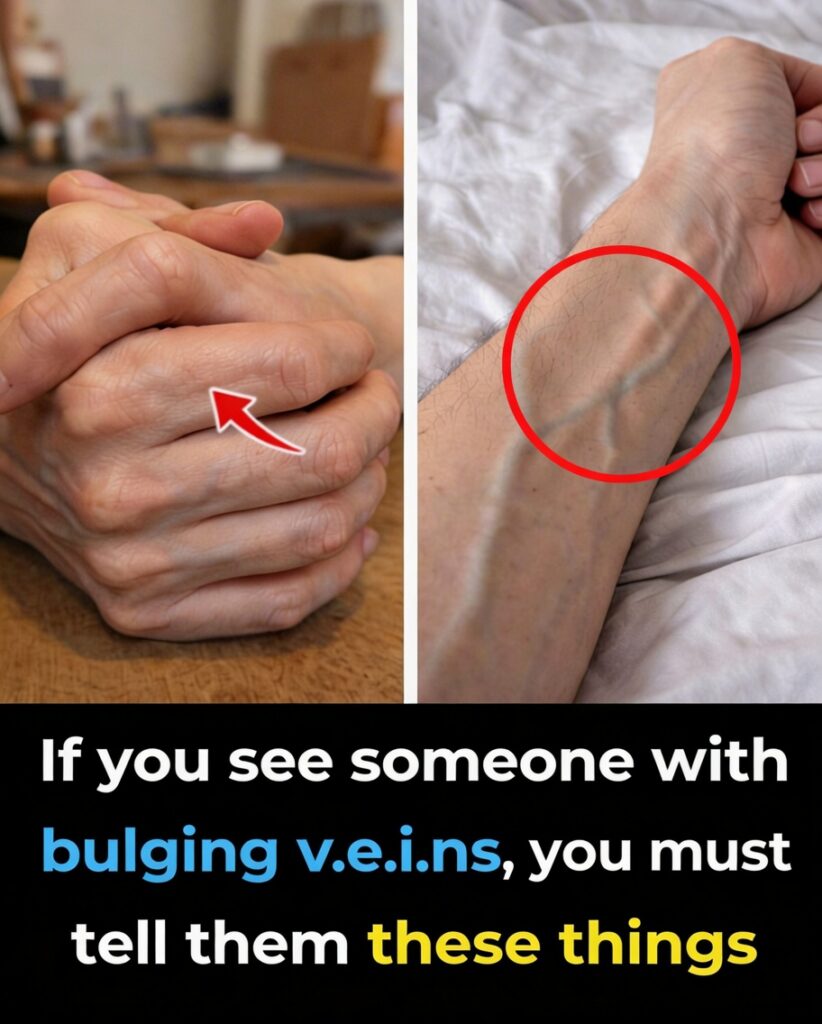
Bulging veins can be uncomfortable, noticeable, and at times painful. You may spot them after hours of standing, or suddenly see raised veins in your legs, neck, or chest and feel immediate worry. When swelling, tenderness, or skin color changes follow, even simple daily routines can start to feel stressful. What’s often overlooked is that in certain situations, visibly enlarged veins can be a warning sign of an underlying circulation issue—and recognizing red flags early can be critical.
Let’s go through this clearly and step by step.
What Bulging Veins Can Indicate
Not every visible vein is a health threat. If you are naturally lean or very physically active, your veins may look more prominent without any disease process involved.
That said, veins that become enlarged, twisted, painful, or paired with swelling and skin changes may be associated with conditions such as:
- Chronic Venous Insufficiency (CVI): leg veins struggle to push blood back toward the heart
- Deep Vein Thrombosis (DVT): a blood clot forms in a deep vein
- Inflammation of superficial veins (surface vein irritation)
- Heart or lung circulation strain, particularly when bulging veins appear in the neck or chest
Vascular research consistently shows that untreated venous problems can slowly progress, especially when the underlying cause is not addressed.
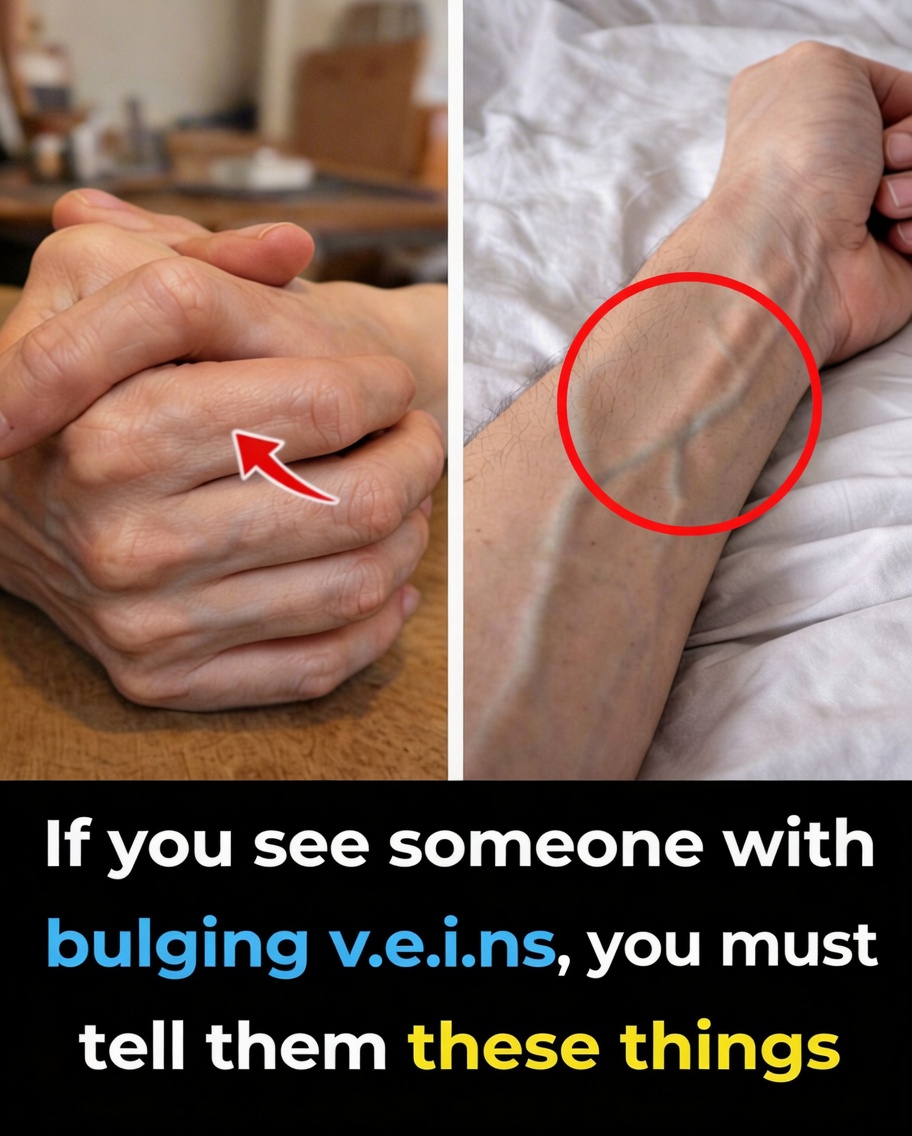
Just as important as the appearance is where the bulging vein shows up—location provides major clues.
Red Flags That Need Prompt Medical Attention
Certain symptoms should not be “wait and see.” If bulging veins come with any of the signs below, seek medical evaluation quickly, ideally with a vascular clinician.
Get urgent assessment if you notice:
- Painful, warm, red, or swollen skin around a visible vein
- Sudden leg swelling that feels heavy, tight, or different than usual
- Bleeding from a vein
- Fast skin color changes, including darkening or a bluish hue
- Bulging neck veins, especially with shortness of breath
- Prominent veins in the chest or abdomen that seem new or worsening
Why this matters: in uncommon but serious cases, these signs may point to:
- A DVT clot that could move to the lungs
- Vein inflammation that can progress to skin injury
- Heart or lung-related circulation pressure
Early evaluation can greatly reduce complication risk.
Possible Complications to Understand
Deep Vein Thrombosis (DVT)
DVT happens when a clot forms in a deep vein—most often in the leg. The danger is that part of the clot can break off and travel to the lungs, potentially blocking blood flow, which becomes a medical emergency.
Major health organizations note that DVT risk can rise with factors such as:
- Long periods of immobility
- Dehydration
- Smoking
- Certain medical conditions and medications
Common DVT warning signs include:
- Sudden one-sided leg swelling
- Calf pain or tenderness
- Warmth in the affected area
- Red or purple discoloration
Chronic Venous Insufficiency (CVI)
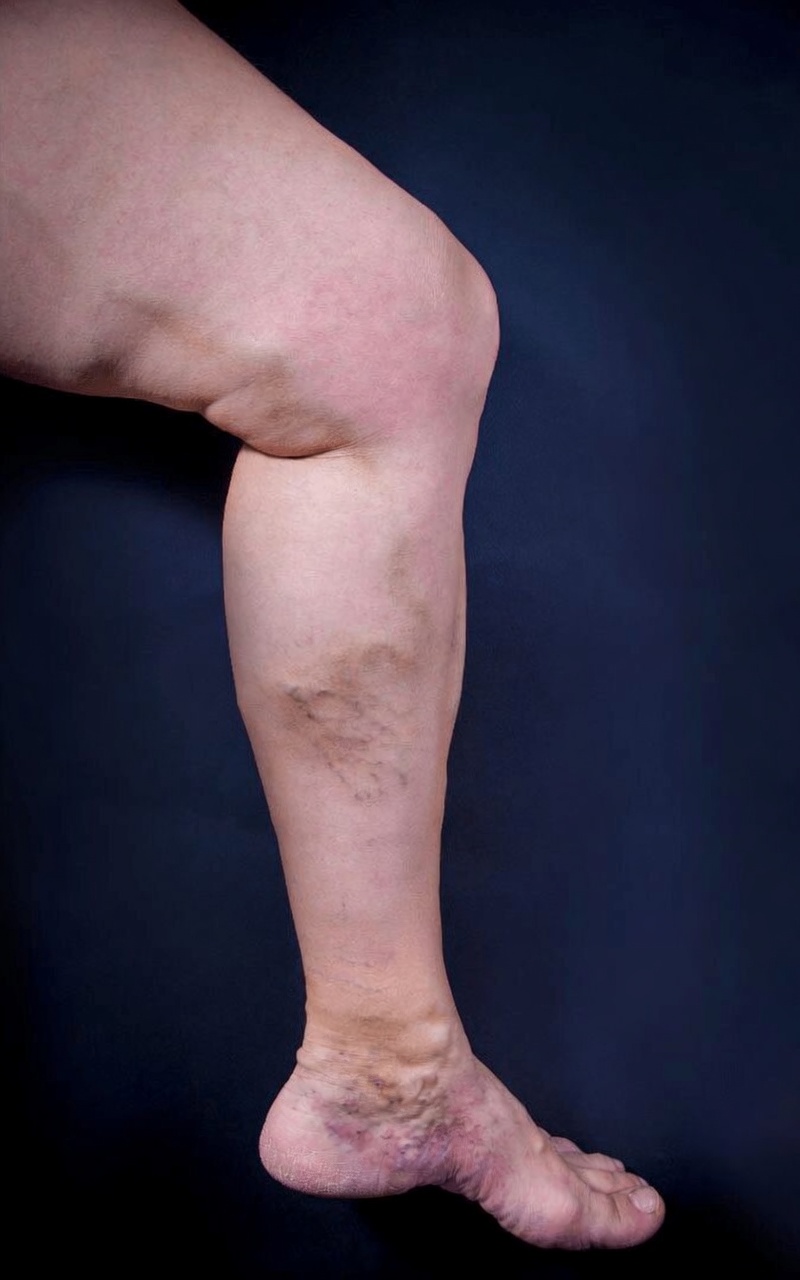
CVI usually develops gradually when vein valves weaken and blood pools in the legs. Typical signs include:
- Aching, throbbing, or heaviness
- Swelling that often worsens later in the day
- Skin thickening over time
- Dark discoloration near the ankles
- In more advanced cases, venous ulcers (slow-healing sores)
CVI rarely improves without consistent lifestyle changes and, in many cases, medical guidance.
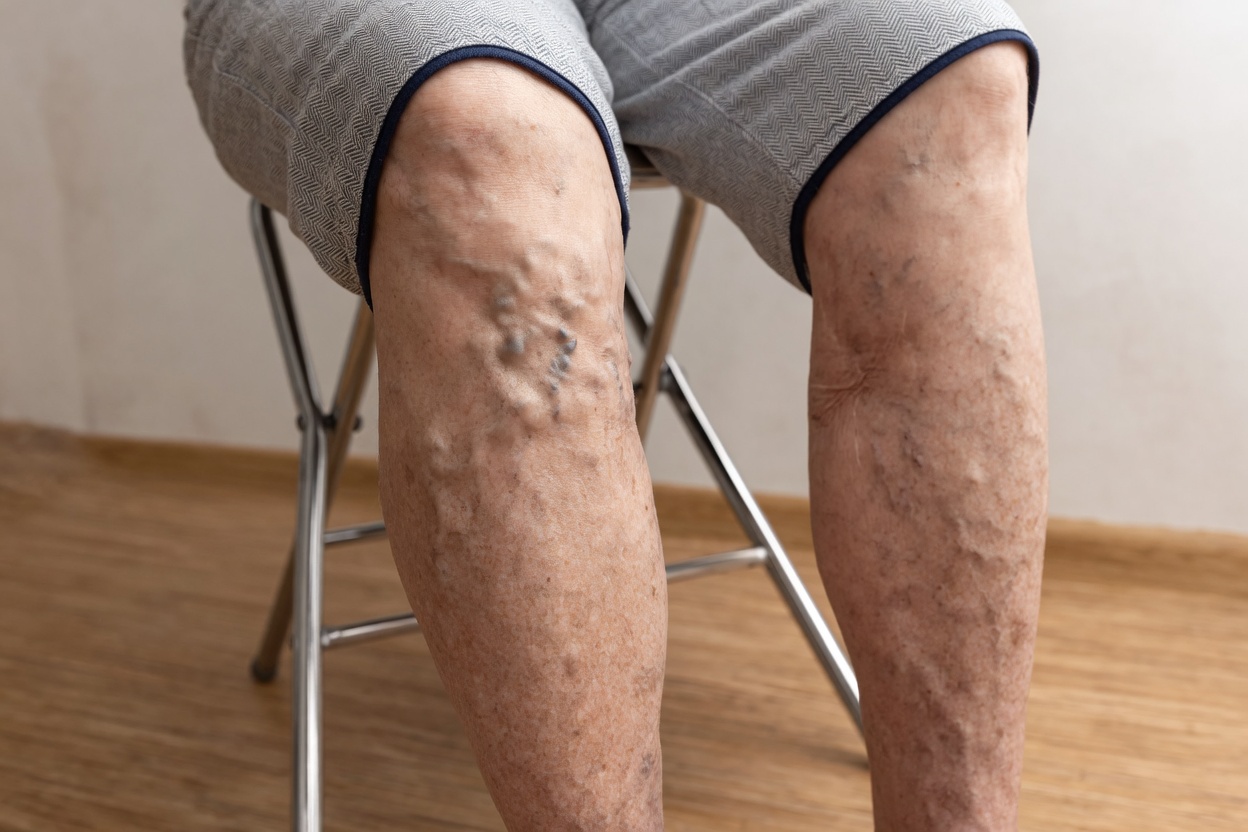
Superficial Vein Inflammation
Inflammation in surface veins can create a tender, firm, rope-like area. While it is often less dangerous than DVT, leaving it untreated can lead to prolonged discomfort and, in some cases, skin complications.
Why Bulging Veins in the Neck or Chest Shouldn’t Be Dismissed
New or prominent veins in the neck may signal increased pressure around the heart or lungs—sometimes described clinically as jugular vein distension.
Likewise, visible vein changes across the chest or abdomen can reflect deeper circulation issues.
This does not automatically mean a severe condition. However, it is a strong reason to get evaluated rather than ignore it—especially if symptoms are new, sudden, or worsening.
What You Can Do Now (Before Your Appointment)
Medical evaluation is essential when warning signs are present, but supportive habits can reduce pressure on leg veins and improve circulation.
Helpful circulation-friendly steps:
- Avoid staying in one position (standing or sitting) for long stretches
- Elevate your legs when resting
- Take brief walks every 1–2 hours
- Wear comfortable, non-restrictive clothing
- Stay well hydrated
- Avoid crossing your legs for extended periods
Even gentle walking supports the calf muscle “pump,” helping blood return upward more efficiently.
Simple leg elevation routine:
- Lie down on a flat surface
- Raise your legs above heart level using pillows
- Hold for 15–20 minutes
- Repeat 2–3 times daily if comfortable
Small, consistent habits can add up over time.
How Clinicians Check Bulging Veins
A vascular evaluation is typically simple and non-invasive. It often includes:
- A physical exam
- Review of symptoms and medical history
- Doppler ultrasound
A Doppler ultrasound is painless and shows blood flow, helping detect clots or valve dysfunction.
Treatment and Management Options
Care depends on the diagnosis and severity. Common options include:
Conservative approaches
- Compression stockings (medical-grade support socks to improve circulation)
- Lifestyle changes (movement, elevation, reducing prolonged standing)
- Weight management support when relevant
Minimally invasive procedures
- Sclerotherapy (injection to close targeted veins)
- Laser-based vein therapy
- Radiofrequency vein treatments
Surgical options (for advanced cases)
- Vein closure or removal procedures
The goal is to improve circulation, reduce symptoms, and lower long-term risk. A qualified professional determines which option is appropriate.
When to Monitor vs. When to Seek Help
- Mild visible veins without pain: Monitor at home
- Temporary swelling after prolonged standing: Monitor at home
- Sudden painful swelling in one leg: Seek medical evaluation
- Red, warm, tender vein: Seek medical evaluation
- Bleeding from a vein: Seek medical evaluation
- Bulging neck veins with breathing difficulty: Seek medical evaluation
If you’re unsure, booking a consultation is a safe choice.
The Emotional Impact of Visible Veins
Vein changes can affect confidence and comfort. Many people avoid shorts, skirts, or certain activities because varicose veins feel embarrassing or distressing. That reaction is understandable—and common.
Support exists. Whether through daily habit changes or medical care, taking action can improve both physical comfort and peace of mind.
Key Takeaways
- Bulging veins can be harmless, but not always
- Pain, redness, sudden swelling, bleeding, or skin changes should be checked promptly
- Neck or chest vein prominence deserves medical attention, especially if sudden or paired with breathing symptoms
- Early assessment by a vascular professional lowers the risk of complications
- Everyday circulation habits (movement, hydration, elevation) can help
Awareness is often the first and most powerful step in protecting long-term vascular health.
Frequently Asked Questions
Are bulging veins always dangerous?
No. Prominent veins can be normal, especially in lean or athletic individuals. However, pain, swelling, redness, bleeding, or sudden changes should be evaluated.
Can dehydration make veins look more noticeable?
Yes. Dehydration can temporarily affect circulation and make veins appear more visible. Still, persistent swelling, pain, or skin changes should not be dismissed.
When should I see a vascular specialist?
Seek evaluation if you have sudden leg swelling, painful or red veins, bleeding, skin discoloration, or new prominent veins in the neck, chest, or abdomen.
Final Thoughts
The body often gives subtle early signals before serious problems appear. Bulging veins can be one of those signals. Paying attention, improving daily circulation habits, and seeking timely medical care can help you avoid complications and protect your vascular health.
If symptoms feel unusual, sudden, or are getting worse, consult a qualified vascular specialist.
Medical Disclaimer
This article is for educational purposes only and does not replace professional medical advice, diagnosis, or treatment. If you believe you may have a medical emergency, seek urgent care immediately.