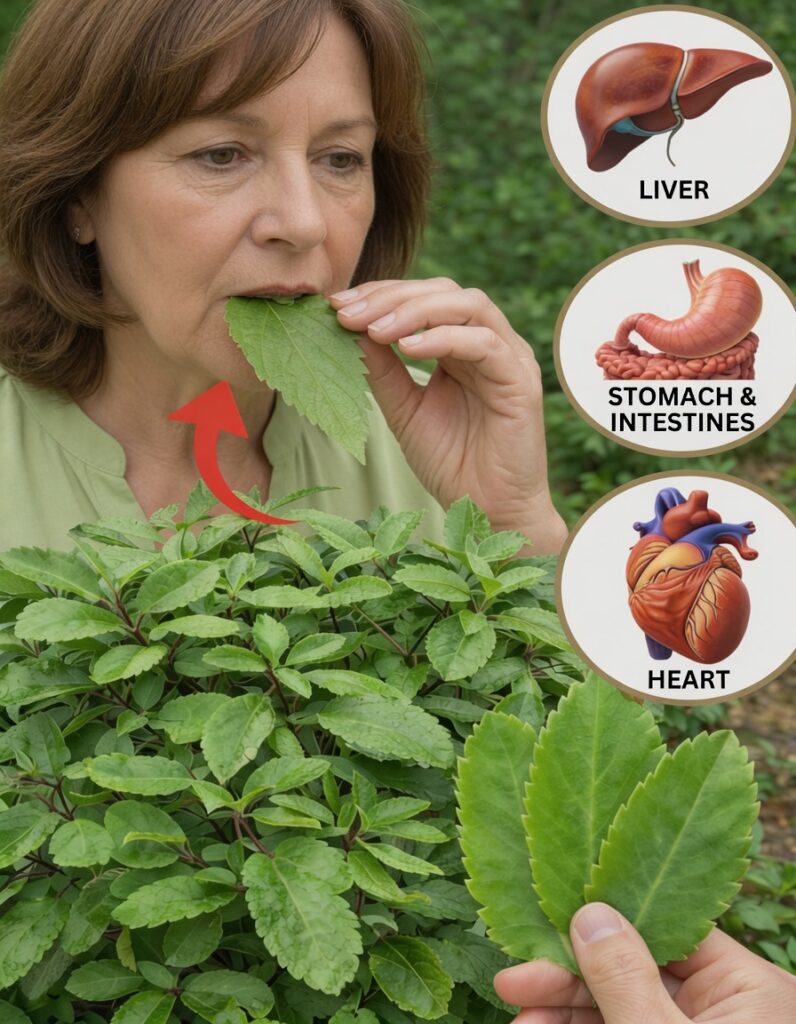
Many people keep Kalanchoe—often called folha-da-vida, miracle leaf, or life plant—because it’s hardy, forgiving, and instantly brightens balconies, windowsills, and gardens. Its thick, water-storing leaves help it handle dry periods and missed watering without trouble. But its value isn’t only decorative. Across tropical regions, this resilient succulent has also been part of traditional everyday routines for generations, especially for gentle comfort during minor issues such as seasonal dryness or post-activity stiffness.
As interest grows in simple, plant-based self-care—particularly when indoor air becomes dry in colder months or after long days—this common houseplant is being rediscovered. What’s surprising is how often people overlook the practical, mindful ways it has traditionally been used for light, soothing support—approaches we’ll walk through step by step.
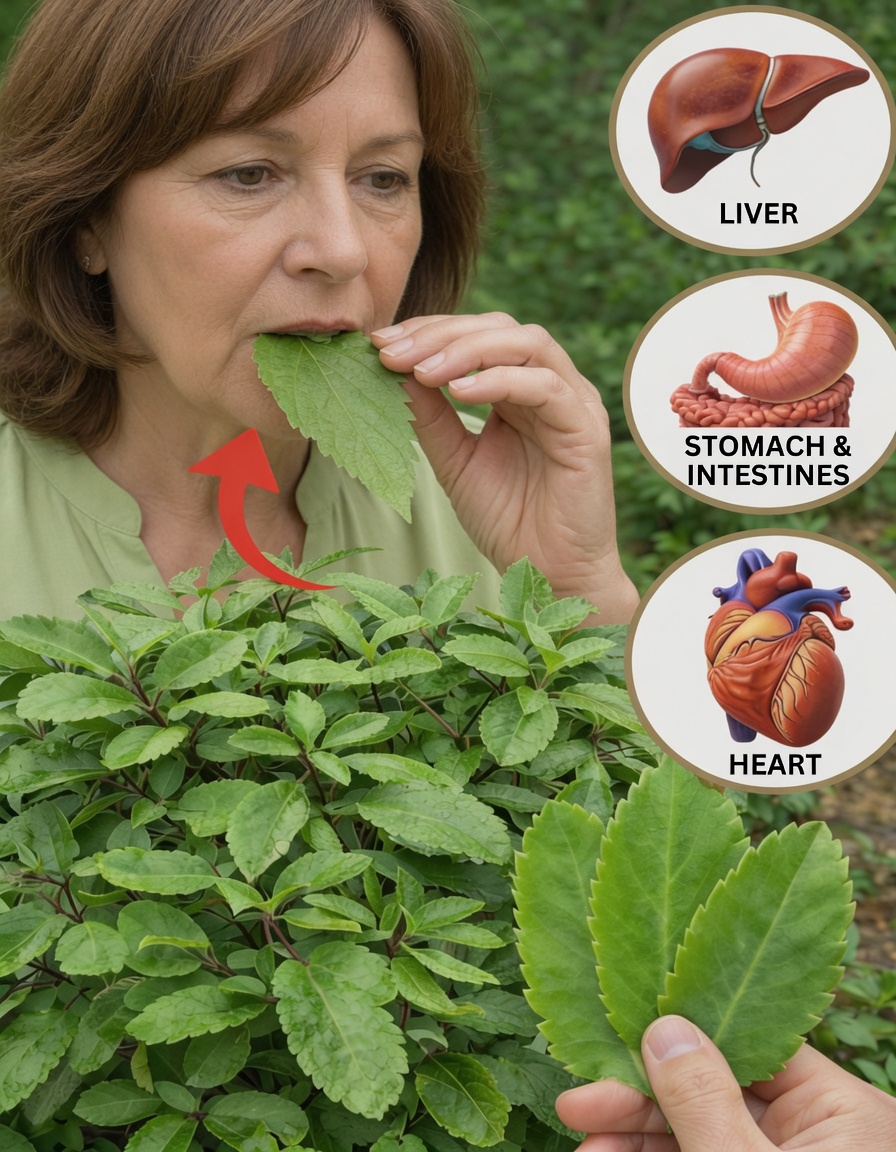
Why This Everyday Succulent Appears in Traditional Practices
Kalanchoe pinnata (the plant most often meant by folha-da-vida or miracle leaf) belongs to the Crassulaceae family and thrives in warm climates. Originally from Madagascar, it is now widely naturalized across tropical areas. The plant is known for its scalloped, juicy leaves, which can produce tiny plantlets along the edges—an unusual feature behind nicknames like “air plant” and, in some related varieties, “mother of thousands.”
In folk traditions throughout Brazil, the Caribbean, parts of Africa, and India, Kalanchoe has been used as a supportive plant for minor, everyday concerns. Ethnopharmacological sources often mention it in home routines aimed at:
- Respiratory comfort during dry seasons
- Mild muscle or joint discomfort after physical effort
- General soothing when the body feels mildly “out of balance”
Why has it remained so popular? Scientific studies on Kalanchoe species report naturally occurring compounds—especially flavonoids and other phytochemicals—often associated (in lab and animal models) with soothing and anti-inflammatory activity. Papers discussed in sources such as Molecules and articles indexed in PMC highlight these constituents as possible explanations for its long-standing traditional reputation.
This is not about quick fixes or dramatic cures. Think of it as a small, complementary habit, similar in spirit to drinking a warm herbal infusion or using a gentle compress.
5 Traditional, Practical Ways People Use Kalanchoe for Gentle Support
These methods come from long-established cultural habits and focus on comfort and hydration, not aggressive intervention. They are not medical treatments—use care and prioritize safety.
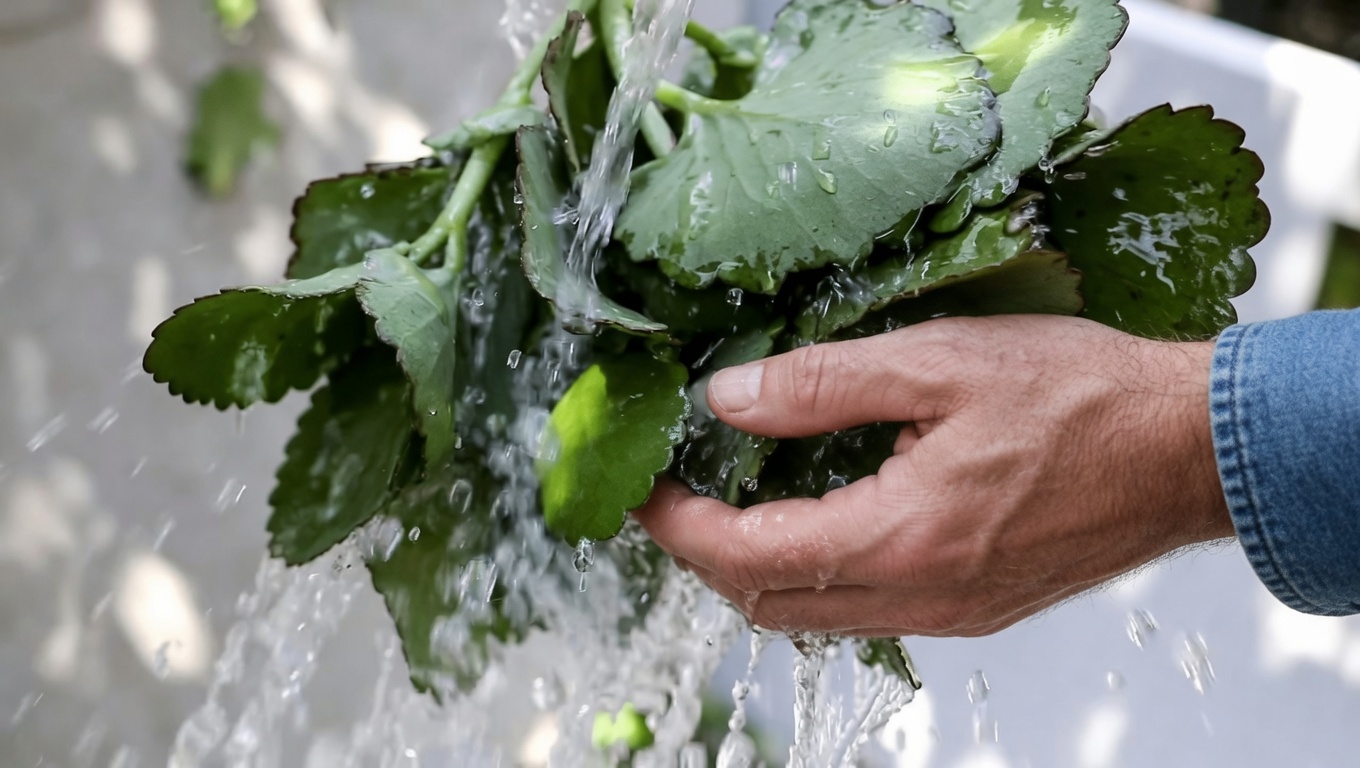
1) Mild Warm Infusion for Throat Comfort
A simple herbal infusion is often considered one of the gentlest starting points.
- Rinse 2–3 fresh, healthy leaves thoroughly under running water.
- Chop the leaves into small pieces to help release moisture and plant juices.
- Put the pieces in a cup and pour in hot (not boiling) water.
- Steep for 8–10 minutes, then strain.
- Sip slowly while warm, often in the evening.
In traditional settings, this warm, hydrating ritual is used for a dry or scratchy throat, especially at night when dryness-related coughing can interfere with rest.
2) Fresh Leaf Compress for Occasional Muscle or Joint Sensations
After gardening, physical work, or a long walk, mild stiffness can show up.
- Choose a few clean, fresh leaves.
- Crush them gently by hand or with a mortar until they become a soft, moist paste.
- Apply the paste to the area (such as knees, shoulders, or wrists).
- Optionally cover with a light cloth and leave for 10–15 minutes.
- Rinse with lukewarm water.
This simple poultice-style use is valued in folk routines for temporary, mild comfort—easy, local, and straightforward.
3) Gentle Steam Inhalation to Add Moisture to the Airways
Seasonal shifts or dry indoor air can make breathing feel less comfortable.
- Boil water, then remove the pot from heat.
- Add 3–4 washed leaves to the hot water.
- Lean over the pot at a safe distance (avoid burns) and drape a towel over your head to retain steam.
- Breathe slowly for 3–5 minutes.
The main benefit here is warm humidity, with the leaves included as part of a traditional soothing ritual—often used during evening wind-down time.
4) Brief, Gentle Chewing for Quick Throat Soothing
Some traditions use a very small amount for short, localized comfort.
- Wash a small piece of leaf (about 1–2 cm).
- Chew gently for a few seconds to release the moisture.
- Spit out the pulp and avoid swallowing large quantities.
This method is typically used to create a light, hydrating sensation in the throat when mild irritation appears.
5) Keeping the Plant Nearby as a Daily Cue for Calm
Not all benefits come from ingesting or applying the plant. Sometimes, the plant’s presence supports routine and relaxation.
Place folha-da-vida where you spend time—near a desk, reading chair, or kitchen window—and care for it with small, steady habits.
- Feeling the cool, thick leaves can encourage a brief pause in a stressful day.
- Watching plantlets form can create a sense of nurturing and continuity.
- A green, living element in the room can make a space feel calmer.
Research on interaction with nature and indoor plants suggests that even passive plant care can support relaxation and emotional balance.
Key Compounds and What Research Suggests
Phytochemical work on Kalanchoe leaves commonly reports:
- Flavonoids
- Bufadienolides
- Other plant constituents studied across the genus
Flavonoids are widely discussed in research for their potential protective and soothing properties, while broader Kalanchoe studies explore roles in models related to inflammation and wound support. Reviews and ethnopharmacological surveys available through PMC and related scientific literature often present traditional uses alongside early-stage laboratory findings such as antioxidant and comfort-related activity.
The key point: these findings may help explain traditional popularity, but they do not replace medical care. Kalanchoe is best understood as a complementary, mindful option.
Quick Comparison: Kalanchoe vs. Common Herbal Comfort Habits
- Hydration-first support: Kalanchoe tea or steam can add gentle moisture during dry conditions (similar to warm water, with a mild plant element).
- Localized topical use: Leaf paste is used for occasional, mild aches (comparable to other herbal compresses, but very targeted).
- Convenience: It grows indoors or outdoors, so many people can harvest a fresh leaf when needed.
- Mindful routine: Caring for the plant adds an emotional benefit beyond physical use.
How to Start Mindfully
If you want to experiment, begin with a small step—one cup of infusion or a short compress—and pay attention to how you respond. Use only clean leaves from a healthy plant, and avoid plants that may have been treated with chemicals.
Anecdotes from everyday users—like people who find warm tea comforting during dry winters—highlight a simple idea: sometimes the most helpful habits are the quiet, consistent ones.
FAQ
What is folha-da-vida, and is it the same as miracle leaf?
Yes. Folha-da-vida commonly refers to Kalanchoe pinnata, also known as miracle leaf, life plant, or air plant, reflecting how easily it propagates and how resilient it is.
Is it safe for everyone to try these traditional methods?
Not for everyone. Speak with a healthcare professional first if you are pregnant, breastfeeding, taking medications, or managing any medical condition. Some Kalanchoe species contain compounds such as bufadienolides, which may carry risks in larger amounts or with extended use.
Can I grow Kalanchoe at home for fresh leaves?
Yes—Kalanchoe is among the easiest succulents to grow. Provide bright, indirect light, water sparingly, and it can thrive with minimal attention.
Disclaimer: This content is for educational purposes only and is not medical advice.