As people grow older—especially after age 60—it’s common to notice gradual shifts in strength, stamina, and overall energy. Simple routines like carrying groceries, rising from a chair, or climbing stairs may start to feel harder because muscle mass and muscle function naturally decline with age. Over time, this can influence balance, mobility, and the ability to live independently. Research consistently shows that nutrition supports muscle health, particularly when paired with regular physical activity. So the real question becomes: can everyday foods provide the raw materials your body needs to maintain muscle?
The encouraging news is that choosing nutrient-dense foods—those rich in high-quality protein, healthy fats, antioxidants, and essential vitamins—can be a practical way to support muscle maintenance in later life. Below, you’ll find research-informed food options, easy ways to use them daily, and how to combine them for a balanced approach. Stay to the end for a simple timing tip that studies suggest may improve results.
Understanding Age-Related Muscle Changes After 60
Sarcopenia is the gradual loss of muscle mass, strength, and performance that often becomes more noticeable after 60. Studies suggest it affects a large portion of older adults and may be driven by several overlapping factors, including:
- Reduced muscle protein synthesis
- Low-grade chronic inflammation
- Lower activity levels with age
You may recognize it through slower recovery after exertion, reduced power during daily movements, or persistent fatigue.
Although it’s a common part of aging, evidence indicates that lifestyle choices—especially protein-focused and anti-inflammatory nutrition—can help support muscle function. The challenge is that many older adults do not consistently consume enough protein or key nutrients to meet these needs.
The good takeaway: simple, enjoyable food upgrades can matter when practiced consistently.
Why Certain Foods Get Attention for Muscle Support in Older Adults
Foods studied for healthy aging often provide a combination of:
- Complete proteins (especially those high in leucine, an amino acid strongly linked to muscle-building pathways)
- Omega-3 fatty acids (associated with lower inflammation and better muscle outcomes)
- Antioxidants and polyphenols (which help counter oxidative stress)
- Vitamin D and minerals (important for movement and overall function)
Observational studies and research reviews frequently link these nutrients with better physical performance, reduced inflammation markers, and improved muscle-related outcomes in older populations—especially when combined with strength-focused movement.
9 Nutrient-Dense Foods That May Help Support Muscle Health
Individual results vary, and research suggests outcomes are strongest when nutrition is paired with resistance exercise (light weights, bands, bodyweight movements, or chair-based strength work). Still, these foods repeatedly show up in studies as helpful building blocks:
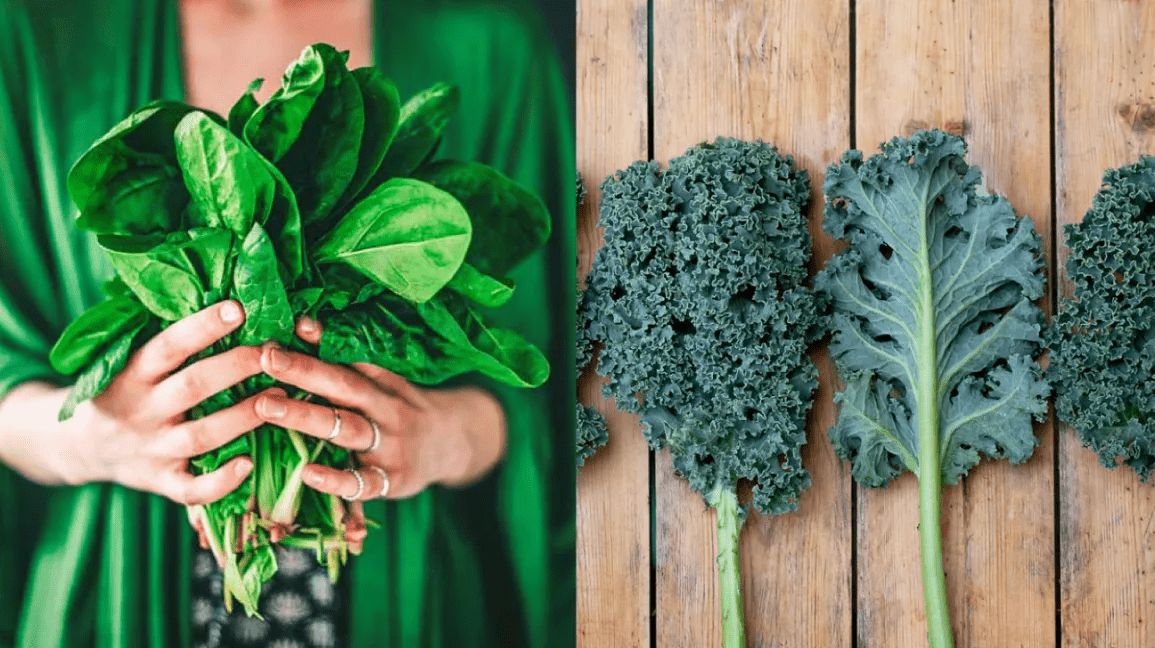
1) Leafy Greens (Spinach, Kale)
Leafy greens provide nitrates, magnesium, and antioxidants, which may support circulation and muscle function. Higher vegetable intake is often associated with better physical performance in older adults.
2) Avocado
Avocados offer monounsaturated fats and potassium, supporting cellular health and helping maintain internal conditions linked to muscle maintenance.
3) Fatty Fish (Salmon, Mackerel)
Fatty fish is rich in omega-3s and naturally contains vitamin D. Research frequently connects omega-3 intake with better preservation of muscle mass and strength in aging adults.
4) Nuts and Seeds
These provide healthy fats, vitamin E, and plant-based protein, supporting antioxidant defenses. Some reviews associate regular nut intake with a lower risk of sarcopenia.
5) Eggs
Eggs deliver complete protein and are notably high in leucine. Studies suggest that regular intake can support muscle protein processes in older adults.
6) Legumes (Beans, Lentils)
Legumes are a budget-friendly source of protein and fiber, supporting stable energy and helping meet daily protein goals without excessive calories.
7) Berries (Blueberries, Strawberries)
Berries contain polyphenols and antioxidants that help combat oxidative stress. Evidence suggests they may support recovery and help lower inflammation.
8) Greek Yogurt or Other Dairy
Greek yogurt is high in protein (including whey) and often includes probiotics. Research indicates dairy protein can support better muscle retention in older adults when consumed consistently.
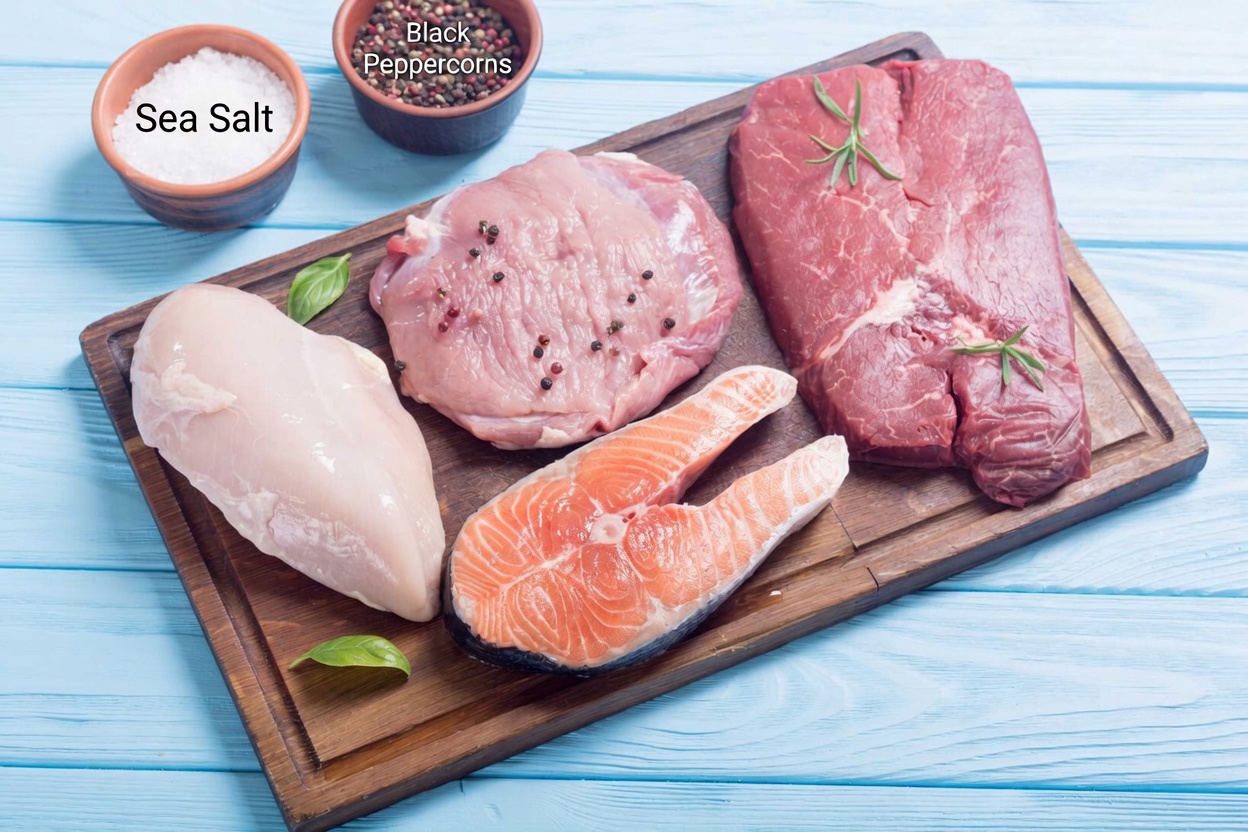
9) Lean Meats and Poultry
Lean animal proteins provide high-quality amino acids and leucine, and studies consistently show they can effectively stimulate muscle protein synthesis, supporting strength over time.
Superfoods vs. Everyday Staples: How These Foods Compare
Instead of relying on one “miracle” ingredient, studies suggest a mix of categories provides broader support.
-
Protein-forward choices (eggs, fish, yogurt, lean meat)
- Strong direct support for muscle protein building pathways
-
Antioxidant-rich foods (berries, leafy greens)
- Indirectly support muscle by reducing oxidative stress and aiding recovery
-
Healthy fat sources (avocado, nuts, fatty fish)
- Support inflammation control and hormone-related functions linked to muscle maintenance
The most consistent research pattern: combine protein + antioxidants + healthy fats rather than focusing on only one group.
Real-Life Examples: How Older Adults Add These Foods
Patricia, 70, found her gardening increasingly exhausting as her strength declined. After building meals around protein and adding berries and leafy greens, she noticed gradual improvements in energy and firmness—making daily activities feel more manageable.
George, 67, struggled with afternoon fatigue. By eating fatty fish several times per week and adding nuts as a regular snack, he felt more capable and steady throughout the day. His experience reflects what studies suggest: consistent nutrient intake can support day-to-day function.
Practical, Safe Ways to Eat These Foods More Often
Start small and aim for routines you can maintain. Research commonly suggests spreading protein across meals, often around 25–30 grams per meal for older adults, with a total daily intake frequently falling near 1.0–1.6 g protein per kg of body weight (individual needs vary).
Easy meal ideas
- Breakfast: Greek yogurt topped with berries and a sprinkle of nuts
- Lunch: Grilled salmon or chicken over leafy greens with avocado
- Snack: Hard-boiled eggs or a handful of almonds
- Dinner: Lentil soup with spinach, or lean poultry with steamed vegetables
Safety and comfort tips
- Chew thoroughly to support digestion
- Watch portions to avoid unwanted calorie excess
- Drink enough water, since protein metabolism increases fluid needs
- If you have kidney disease or other medical concerns, consult a qualified professional before significantly increasing protein
Simple guideline snapshot
- Protein goal: ~1.0–1.6 g/kg/day (individualized)
- Variety: Aim for 3–5 foods from the list daily
- Preparation: Prefer baked, steamed, fresh; limit heavily processed options
Pairing these habits with light resistance work—such as band exercises, chair squats, or weighted walking—often produces stronger outcomes because nutrition and movement reinforce each other.
Reclaiming Strength and Vitality: Start With One Simple Change
From leucine-rich proteins that directly support muscle-building processes to antioxidant-packed produce that helps defend against daily stress, these foods offer realistic, accessible support for staying active and independent.
Quick recap:
- Choose eggs, dairy, fish, legumes, and lean meats to support muscle protein needs
- Add berries and leafy greens for recovery and oxidative stress defense
- Include avocado, nuts, and fatty fish for healthy fats that support inflammation control
Surprising timing tip: research often suggests that evenly distributing protein across breakfast, lunch, and dinner may be more effective than consuming most of it in a single meal—especially for older adults aiming to maintain muscle.