
Many people start the day feeling heavy, low on energy, or dealing with occasional digestive discomfort—common side effects of modern eating habits and packed schedules. When your body feels out of sync, even small tasks can feel exhausting, and it’s natural to look for gentle, food-based ways to support better balance.
Lemon and nopal juice is becoming a popular option because it combines bright citrus with nutrient-rich cactus pads in a refreshing, low-calorie drink. The result is a simple morning blend that supports hydration and adds a clean, zesty lift to your routine. Here’s what makes this combination worth exploring.

The Key Ingredients: Why Lemon + Nopal Works So Well
Nopal (Prickly Pear Cactus Pads)
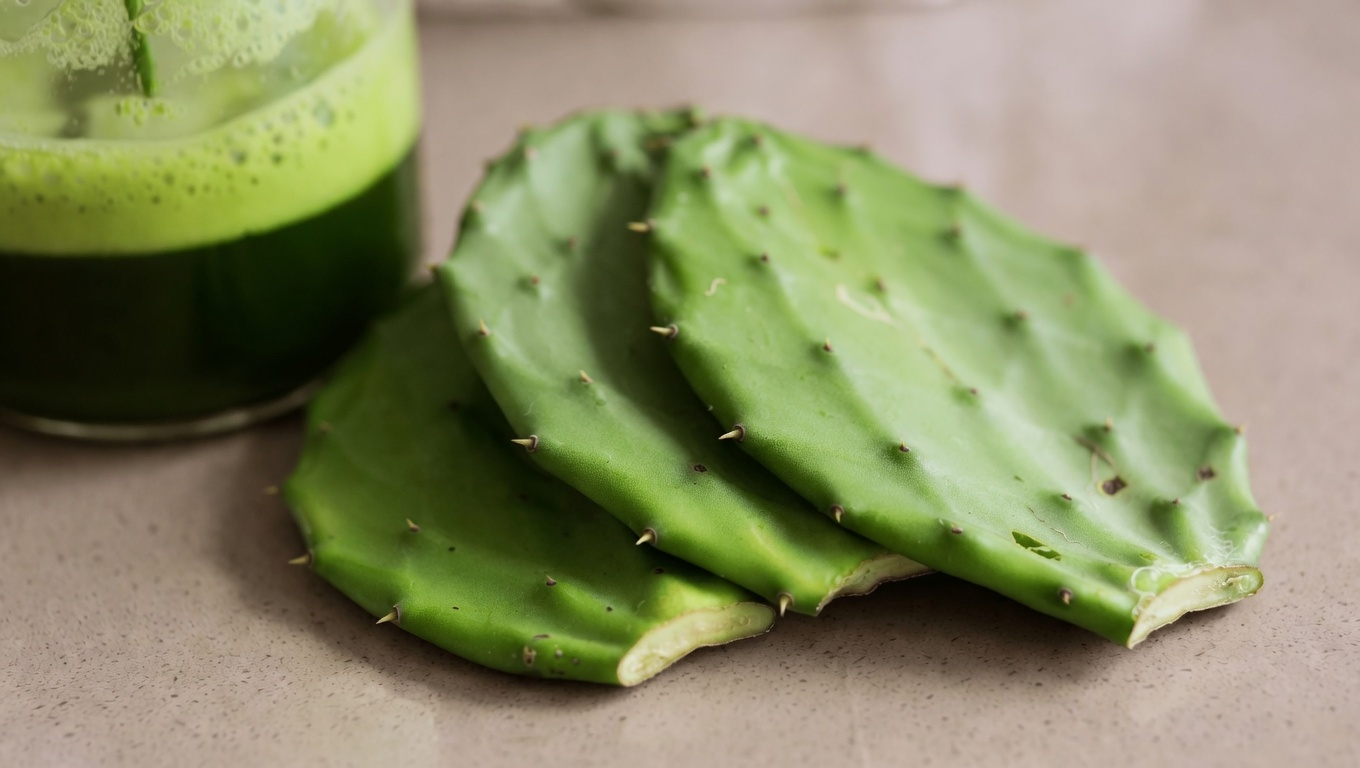
Nopal—also called prickly pear cactus pads (from Opuntia species)—has been used traditionally for generations, especially in regions such as Mexico. Nutritionally, nopal stands out for:
- Soluble and insoluble fiber
- Minerals like magnesium, potassium, and calcium
- Plant antioxidants, including polyphenols and betalains
Lemon
Lemon contributes a crisp, tangy flavor along with:
- Vitamin C, which supports immune function and collagen formation
- Citric acid, which adds brightness and makes the drink feel extra refreshing
- Flavonoids, naturally occurring plant compounds
When you blend them, you get a drink that is both hydrating and nutrient-dense—light enough for daily use, yet satisfying and energizing.
9 Potential Benefits of Lemon and Nopal Juice (Based on Early Evidence)
Research on nopal is still developing. Much of what we know comes from small human studies, lab research, and traditional use, so results can vary. Still, these are the most discussed ways this juice may support everyday wellness.
9) Gentle Support for Blood Sugar Balance
If you notice energy crashes after eating, you’re not alone. Some small studies suggest nopal may help moderate post-meal glucose changes, likely because its fiber can slow carbohydrate absorption. Medical sources (including Mayo Clinic discussions) describe prickly pear as having preliminary evidence in blood-sugar-related contexts, particularly for type 2 diabetes.
Because lemon is naturally low-glycemic, it pairs well with nopal in this type of routine.
8) Antioxidant Support for Daily Stress
Everyday life creates oxidative stress over time. Nopal contains antioxidants such as betalains and polyphenols, which have shown free-radical scavenging potential in research settings. Some supplementation studies have linked cactus pear intake with improved antioxidant status and reduced oxidative damage.
Lemon enhances this angle with vitamin C, a well-known antioxidant nutrient.
7) Comfort Support for Everyday Inflammation
Ongoing low-level inflammation can affect comfort, mobility, and how you feel day to day. Some trials have associated nopal compounds with improvements in markers like CRP. Lemon also contains bioflavonoids, which add another layer of plant-based support.
Many users describe subtle changes like easier mornings or reduced stiffness—small shifts that can help you stay consistent.
6) Hydration + “Clean” Feeling Support
Hydration is a basic wellness foundation, yet many people don’t drink enough fluids. Nopal has a high water content, and its fiber can support digestive movement. Lemon often encourages people to drink more water due to its flavor, and it’s commonly described as having a mild diuretic effect.
A lot of personal anecdotes also mention reduced bloating or a “lighter” feeling after making this drink a habit.
5) Digestive Regularity and Comfort
Nopal’s fiber content may support more predictable digestion and help with occasional irregularity. Lemon is widely used to stimulate digestive flow, and many people find it helpful as part of a morning routine.
Some reviews and research discussions also highlight nopal polysaccharides as potentially beneficial for gut health.
4) Heart-Friendly Nutrient Profile
Some studies (often in specific populations such as individuals with diabetes) suggest nopal may support healthy cholesterol levels, including reductions in total cholesterol and LDL in certain cases. Lemon contains pectin, a type of fiber that may provide additional gentle support.
While it isn’t a replacement for medical care, the overall nutrient profile aligns well with cardiovascular-friendly habits.
3) Natural Vitamins and Minerals for Daily Function
This blend provides nutrients your body uses every day, including:
- Potassium (fluid balance and normal heart function)
- Magnesium (muscle relaxation and energy metabolism)
- Vitamin C (skin, collagen, and immune support)
With consistent use, many people describe a mild but noticeable boost in daily vitality.
2) Immune Nourishment
Lemon’s vitamin C paired with nopal’s antioxidant content may help support immune resilience, especially during seasonal changes. While the evidence isn’t definitive, the combination is a practical way to add immune-supportive nutrients through real foods.
1) Holistic Daily Vitality
When lemon and nopal are used consistently as part of a balanced lifestyle, people often describe benefits that feel “whole-body”: steadier energy, improved mood resilience, and a general sense of feeling better throughout the day.
Keep expectations realistic: the science is promising but still emerging, and individual responses differ.
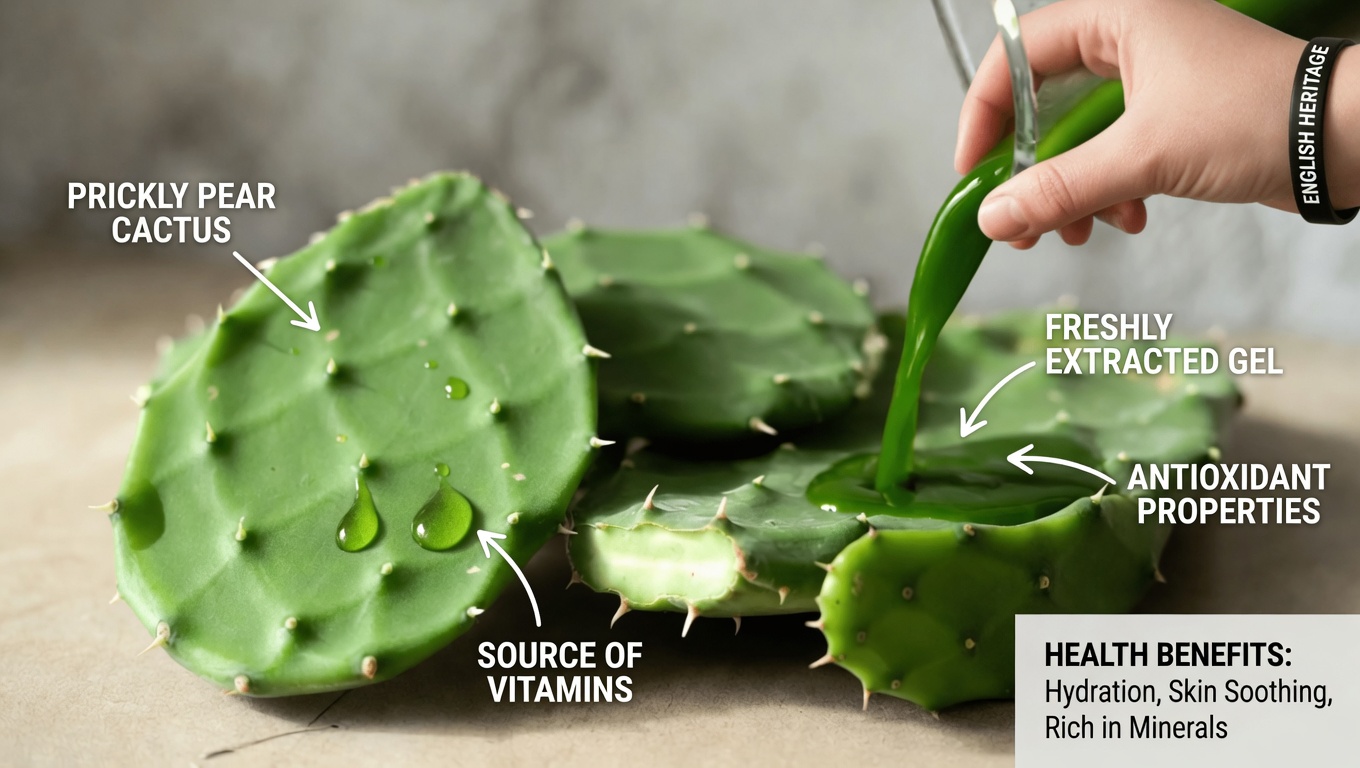
Quick Comparison: Nopal vs. Lemon vs. the Combined Juice
-
Nopal pad
- Key nutrients/compounds: fiber, betalains, polyphenols, magnesium, potassium
- Potential support: blood sugar balance, antioxidant support, inflammation comfort
-
Lemon
- Key nutrients/compounds: vitamin C, citric acid, flavonoids
- Potential support: immune nourishment, digestion support, hydration habits
-
Lemon + nopal juice (together)
- Key feature: complementary nutrient blend
- Potential support: overall vitality, hydration, nutrient replenishment
How to Make Lemon and Nopal Juice (Fresh and Simple)
Use clean, properly de-spined nopal pads from a reliable source.
Ingredients (about 8–12 oz)
- 2–3 fresh nopal pads (about 200 g), cleaned and chopped
- Juice of 2–3 lemons
- 1–2 cups water
- Optional: a small amount of honey or stevia (if you prefer light sweetness)
Steps
- Rinse the nopal pads thoroughly and remove any remaining spines or tough edges.
- Chop into small pieces.
- Blend nopal with water until smooth.
- Strain if you want a smoother texture (optional, especially for beginners).
- Stir in fresh lemon juice.
- Serve cold or over ice.
Suggested starting amount: 8 oz daily, ideally in the morning.
If you’re new to high-fiber drinks, start small—temporary digestive changes are possible while your body adjusts.
Safe Use Guidelines
- Starting amount: 8–16 oz per day
- Best timing: morning (often on an empty stomach for convenience and consistency)
- Ingredient quality: choose fresh and organic when possible; wash well
- Precautions:
- If you have diabetes or take glucose-related medications, monitor your levels carefully.
- Speak with a healthcare professional first if you are pregnant, managing chronic conditions, or have known allergies.
- Too much may cause loose stools due to fiber.
A helpful approach is to integrate it gradually and track how your energy and digestion respond over 7–14 days, alongside balanced meals and movement.
Final Thoughts
Lemon and nopal juice is a refreshing, straightforward option for anyone exploring natural additions to a wellness routine. It’s easy to prepare, naturally low in calories, and provides fiber plus key nutrients that support daily function. While early research and traditional use are encouraging, it’s best viewed as a supportive habit—not a quick fix—within a bigger picture of healthy lifestyle choices.
Note: Some varieties of nopal can produce beautiful pink tones due to betalains, but standard green pads are still highly beneficial for this juice.
Frequently Asked Questions
What does lemon and nopal juice taste like?
It’s typically tart and citrusy, with a mild, slightly earthy and cooling note from nopal. When balanced well, it tastes refreshing rather than “vegetal.”
How quickly might I notice results?
Many people report small changes in digestion or energy within 1–2 weeks of daily use, though results vary widely.
Can I use nopal powder or capsules instead of fresh pads?
Supplements exist, but fresh juice offers whole-food synergy. If you choose powders or capsules, verify quality and consult a professional for dosing guidance.
Medical disclaimer: This content is for informational purposes only and does not replace professional medical advice. Always consult a qualified healthcare provider before changing your diet, especially if you have medical conditions or take medications.