Green Tea Powder and Bone Health After 50: Why Matcha May Matter More Than You Think
As the years add up, it’s common to feel small shifts in the body—morning stiffness, extra care on uneven sidewalks, or a growing concern about staying active without the fear of falling. After 50, bone health often becomes a silent priority because bone density naturally tends to decline, making fractures and mobility issues more likely.
One encouraging takeaway: everyday habits can help support long-term wellness. Something as simple as drinking green tea may contribute to maintaining strong bones and comfortable joints. Even more interesting, research suggests that the beneficial compounds in green tea—especially when delivered through matcha green tea powder—may offer extra support because matcha is consumed differently than brewed tea. Keep reading to see what makes matcha stand out.
Why Bone Health Becomes More Important After Age 50
Bones aren’t “fixed” structures—they are active tissue, constantly breaking down and rebuilding. With age (particularly after 50), the rebuilding side of that cycle can slow, which may lead to lower bone mineral density and a higher chance of fractures, especially in vulnerable areas like the hip.
Lifestyle factors can influence this process. One area researchers have explored is the regular intake of antioxidant-rich beverages, including green tea.
Green tea powder—especially matcha—contains bioactive compounds such as catechins (including EGCG), plus small amounts of minerals like fluoride, magnesium, and trace calcium. Together, these nutrients may help protect bone-related cells from oxidative stress and support normal bone-maintenance processes.
How Green Tea Powder May Support Bones and Joints
Studies looking at long-term tea-drinking habits have found patterns suggesting potential benefits for bone wellness—particularly in older adults.
1) Possible Lower Hip Fracture Risk in Older Adults
Several population studies have linked consistent green tea intake with a reduced risk of fractures. Some research indicates that people who drink roughly three cups of green tea per day may have a lower risk of hip fractures compared with non-drinkers. In certain analyses, adults over 50 who maintain regular consumption show potential reductions in risk of up to around 30%.
This association is often attributed to green tea’s bioactive compounds, which may help support bone structure over time.
2) Anti-Inflammatory Support for Everyday Joint Comfort
Inflammation can contribute to joint discomfort as we age. Green tea’s best-known catechin, EGCG, has been studied in laboratory and animal research for its ability to influence inflammatory pathways. By helping regulate these responses, EGCG may support a more balanced environment in the joints and potentially reduce the effects of long-term wear and tear.
This is not a replacement for medical treatment, but it can be part of a broader, joint-friendly routine.
3) Bone-Supportive Nutrients Inside Green Tea
Although green tea isn’t a mineral supplement, it provides small yet relevant amounts of nutrients involved in bone maintenance:
- Fluoride: Supports bone mineralization when consumed in appropriate amounts
- Magnesium and trace calcium: Important for bone structure and density
- Antioxidants: Help protect cells from oxidative damage that can accumulate with age
Matcha vs. Regular Green Tea: The Key Difference
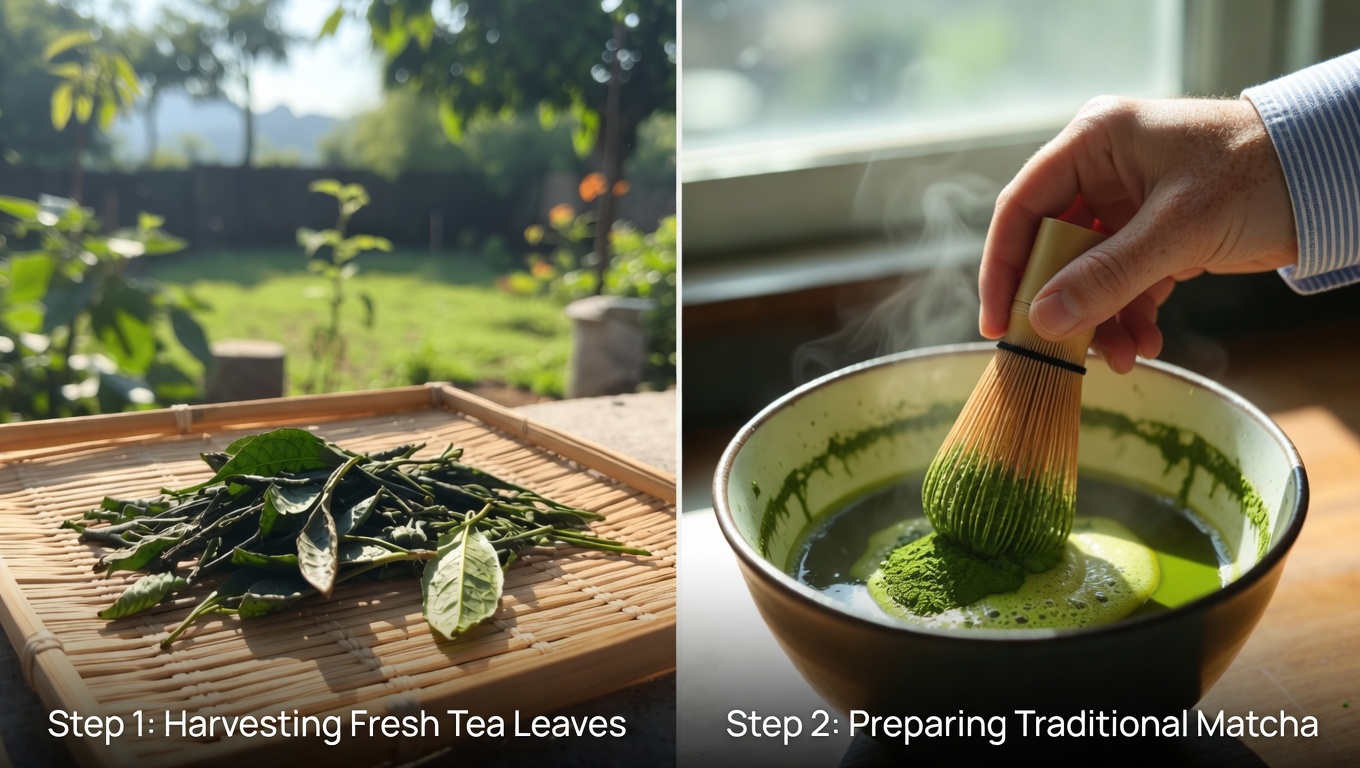
Matcha is not just “another green tea.” It’s a powder made from finely ground whole leaves, which means you consume the leaf itself—not only the water infusion.
A simple comparison makes the difference clear:
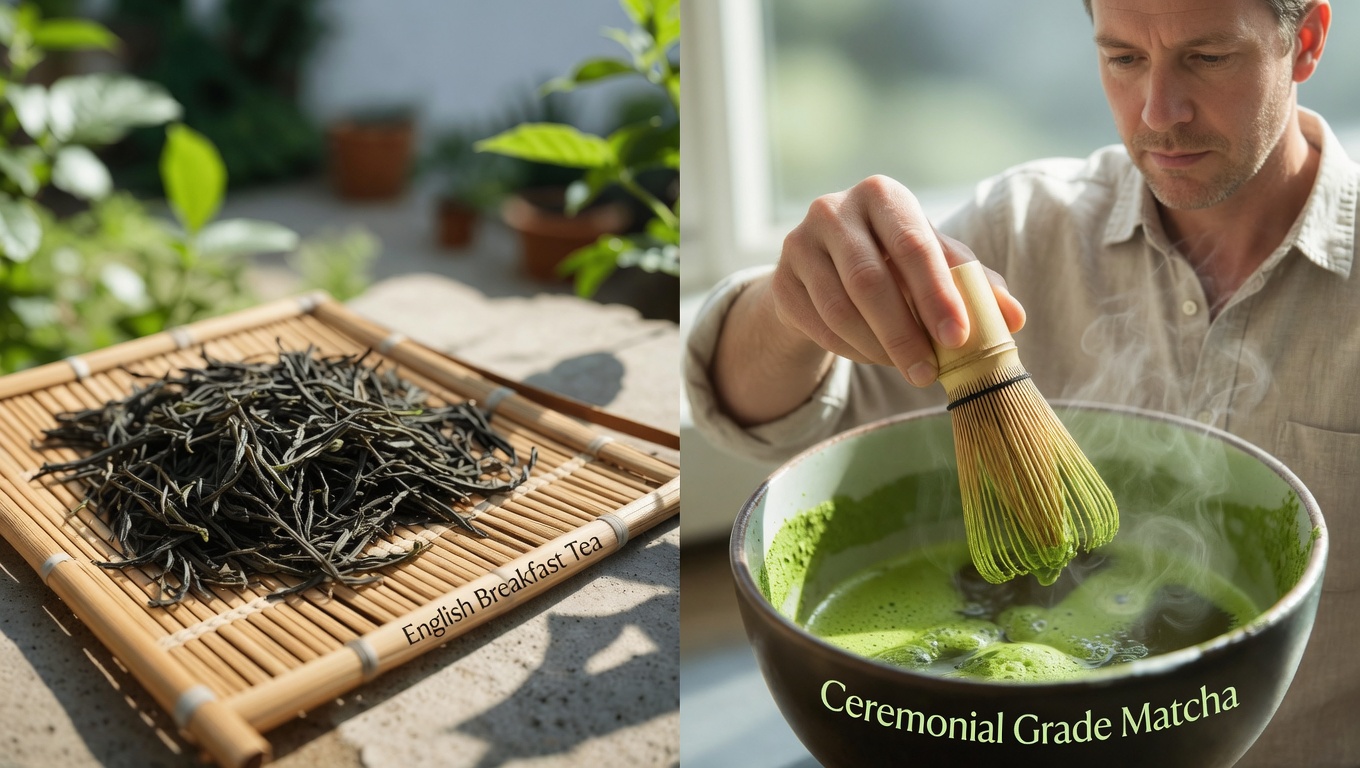
- Regular brewed green tea: Leaves are steeped, then removed; fewer catechins and nutrients end up in the cup
- Matcha green tea powder: Whole leaves are whisked into water; typically delivers significantly more EGCG and antioxidants per serving (often cited as up to about 3x, depending on type and preparation)
- Practical daily range: 2–3 small cups can provide steady intake without overdoing it
In short, matcha can be a more concentrated and convenient way to maximize green tea’s bone-supporting compounds.
How to Use Green Tea Powder Daily (Amount, Timing, and Preparation)
Adding matcha to your routine can be simple and enjoyable. Here’s a practical approach:
- Start gently: Try 1 small cup using about 1/2 to 1 teaspoon of matcha mixed with hot water
- Increase gradually: Build toward 2–3 small servings per day, if it suits you
- Timing tip: Consider drinking it after breakfast or lunch, and wait about 30 minutes after meals for better absorption
- Make it smooth: Whisk vigorously (traditionally with a bamboo whisk) to reduce clumps; add a splash of milk or a little honey if preferred
- Avoid late-day caffeine: Skip matcha in the evening if caffeine affects your sleep
- Choose quality: Ceremonial-grade matcha is often selected for a richer flavor and nutrient profile
Many people also enjoy the calming ritual of matcha—turning a healthy habit into a mindful daily moment.
Safety Notes: Who Should Be Cautious
For most healthy adults, moderate use is key. Sticking to about 2–3 small cups daily is a reasonable range for many people.
Check with a healthcare professional before increasing intake if you are:
- Managing serious bone density conditions
- Sensitive to caffeine or prone to stomach discomfort
- Taking medications that could interact with tea compounds
Because individual responses vary, personalized guidance is the safest route.
Conclusion: A Simple Daily Habit That May Support Bone Strength
Making green tea powder—especially matcha—part of your routine may be an easy, enjoyable way to support bone and joint health after 50. Research points to potential benefits such as improved bone-health markers, lower fracture risk associations, and anti-inflammatory support. It isn’t a cure-all, but consistent, moderate consumption can fit well within a balanced lifestyle focused on staying active, stable, and strong.
Frequently Asked Questions
Is matcha better than regular green tea for bone health?
Often, yes. Because matcha involves consuming the whole leaf, it typically provides higher concentrations of antioxidants (including EGCG) and more of the leaf’s natural nutrients than brewed green tea.
How long does it take to see results?
Bone-related benefits usually appear in long-term studies over years, so green tea powder is best viewed as a preventive, supportive habit, not a quick fix.
Can I drink matcha if I already have low bone density?
Many people can, but if you have significant concerns or a diagnosed condition, it’s best to talk to your doctor to ensure it fits your overall plan.
Disclaimer
This article is for informational purposes only and does not provide medical advice. Consult a qualified healthcare professional before changing your diet or if you have a medical condition. Results vary by individual, and no food or beverage can guarantee prevention or treatment of any condition.