
Many adults find it harder to maintain healthy blood pressure, stable blood sugar, and strong circulation as they get older. Over time, everyday influences—stress, diet quality, sleep, and activity levels—can contribute to fatigue, heaviness, or lower energy. Two underlying factors often discussed in wellness research are inflammation and oxidative stress, which helps explain why many people look for gentle, natural ways to support daily balance.
A warm, calming herbal tea can be one simple option. This blend combines chamomile, turmeric, fennel, and bay leaf—plants used traditionally and increasingly studied for their bioactive compounds. Research on these herbs (individually) suggests potential benefits related to relaxation, inflammation support, digestion, and metabolic health. Below, you’ll find what the science suggests, how the ingredients may work together, and a practical recipe you can make at home.

Why Consider This 4-Herb Tea Blend?
From our 50s onward, changes like arterial stiffness, shifts in insulin sensitivity, and occasional fluid retention become more common. Public health guidance (including organizations such as the CDC) consistently emphasizes proactive habits for supporting cardiovascular and metabolic wellness.
Each herb in this blend has been explored for supportive roles:
- Chamomile: commonly used for relaxation and better sleep quality
- Turmeric (curcumin): studied for inflammation-related pathways
- Fennel: traditionally used for digestion and gentle fluid balance
- Bay leaf: researched for glucose and lipid markers in some studies
Together, these herbs may offer complementary effects, although large clinical trials on this exact combination are limited. Individual responses can vary based on health status, medications, and overall lifestyle.
Chamomile: Calm Support With Possible Metabolic Benefits
Chamomile is known for its soft, apple-like fragrance and its association with relaxation. It contains apigenin, a flavonoid studied for calming effects that may help support the body during stress.
Some research in people with type 2 diabetes has linked chamomile tea intake with improvements in measures such as fasting glucose and antioxidant status in certain trials, and reviews have noted potential value for glycemic control. Even beyond metabolism, many people drink chamomile in the evening to wind down—supporting sleep and stress management, which can indirectly benefit overall wellness.
Turmeric: The “Golden” Ingredient for Inflammation and Vascular Support
Turmeric’s best-known compound is curcumin, widely studied for its role in inflammation-related processes. Because curcumin is not absorbed efficiently on its own, it’s commonly paired with black pepper (piperine) to improve uptake.
In meta-analyses of curcumin supplementation—especially in populations with prediabetes or diabetes—researchers have reported modest improvements in markers such as systolic blood pressure and endothelial function (for example, flow-mediated dilation). These findings suggest potential support for circulation and vascular balance, although results depend on dose, formulation, and individual factors.
Many people also appreciate turmeric’s naturally warming character, which can feel especially comforting in cooler seasons.
Fennel: Digestive Comfort and Gentle Fluid Balance
Fennel seeds bring a mildly sweet, licorice-like taste and contain compounds such as anethole. In traditional use, fennel is often chosen to support:
- Bloating and post-meal discomfort
- Digestion
- Mild diuretic effects, partly due to its nutrient profile (including potassium)
Preclinical research and reviews suggest fennel may influence pathways involved in glucose regulation and nitric oxide, which plays a role in vascular function. While human evidence varies, many people enjoy fennel tea as an afternoon or early evening sip when they want something soothing and light.
Bay Leaf: A Practical Kitchen Staple With Metabolic Research Interest
Bay leaf is familiar in cooking but often overlooked as a wellness ingredient. It contains compounds such as polyphenols and eugenol.
A frequently cited study in people with type 2 diabetes reported that consuming 1–3 grams of bay leaf daily for 30 days was associated with improvements in fasting glucose (reported reductions up to 26%) and positive changes in cholesterol markers. Other research has explored bay leaf’s potential insulin-like activity and broader metabolic relevance. Simmering bay leaf helps release its aromatic and plant compounds into the water.
How These Herbs May Work Better Together
The main appeal of this tea is the potential for synergy:
- Chamomile supports relaxation, which may help reduce stress-driven spikes and improve recovery.
- Turmeric contributes to inflammation and oxidative-stress related pathways.
- Fennel can support digestion and comfortable fluid balance.
- Bay leaf may support glucose and lipid markers based on limited but notable research.
Collectively, the blend provides a mix of flavonoids and polyphenols that may support daily wellness related to vessel function, glucose handling, and oxidative balance. While the exact combination still needs more direct clinical research, the ingredient-level evidence helps explain why people are interested in this type of tea.
Key areas this blend may support (based on ingredient research)
- Relaxation and stress response (chamomile and apigenin-related effects)
- Inflammation pathways (curcumin and related compounds)
- Glucose stability (bay leaf and chamomile in select studies)
- Circulation and vessel support (nitric oxide-related pathways discussed with fennel and curcumin research)
- Mild diuretic support (fennel’s traditional use)
Simple Recipe: How to Make the 4-Herb Tea
Ingredients (makes 1–2 cups)
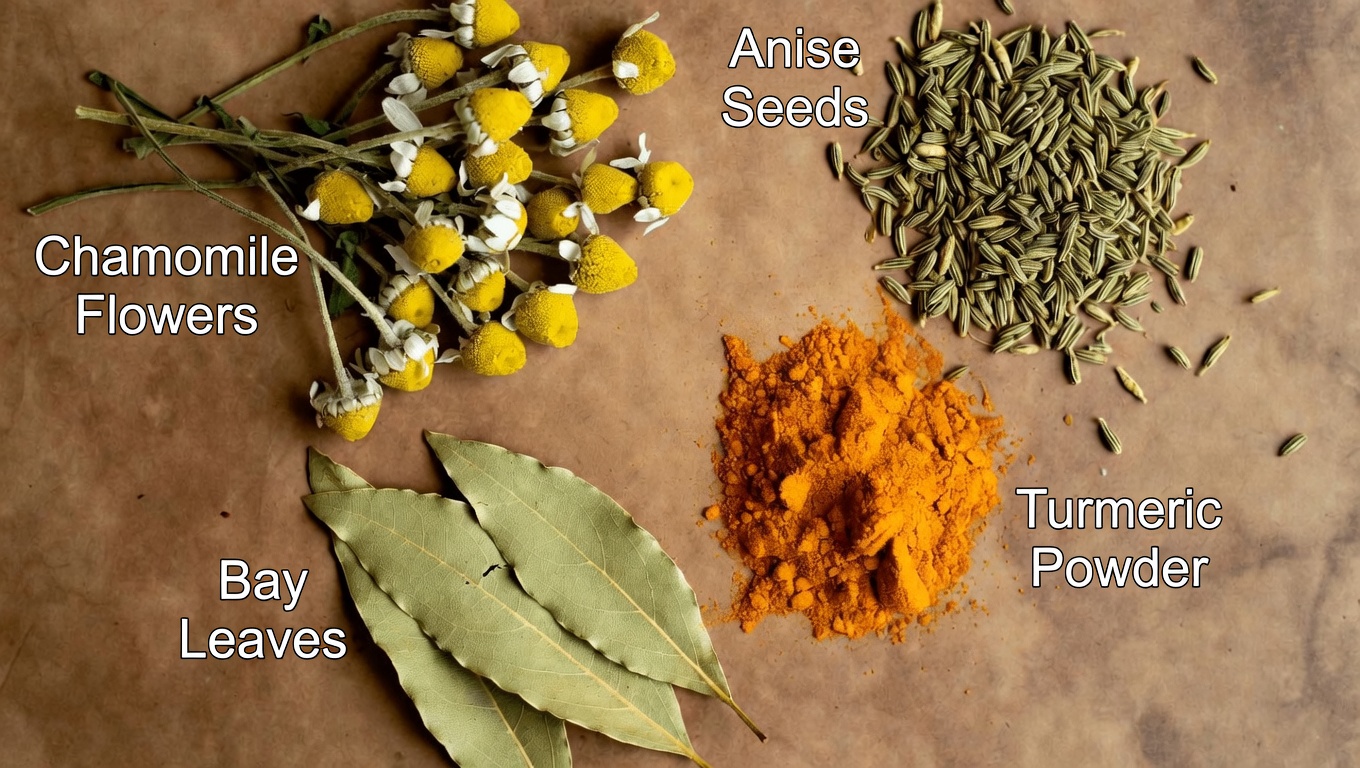
- 1 tsp dried chamomile flowers
- 1/2 tsp ground turmeric (or freshly grated)
- 1 tsp fennel seeds, lightly crushed
- 1–2 dried bay leaves
- A small pinch of black pepper (to support curcumin absorption)
- Optional: lemon slice or honey to taste
Steps
- Bring 2 cups of water to a boil.
- Add chamomile, turmeric, fennel, bay leaf, and black pepper.
- Reduce heat and simmer for 10–15 minutes.
- Strain and drink warm. Start with 1 cup daily, ideally in the evening.
Optional tip: Add a small splash of milk or another fat source to further support curcumin absorption.
30-Day Tracking Guide (Simple and Practical)
-
Week 1: 1 cup in the evening (preferably away from heavy meals)
- Track: calmer evenings, relaxation level, warmth/comfort (1–10)
-
Week 2: Add a morning cup only if you tolerate it well
- Track: energy after meals, cravings, digestion (1–10)
-
Week 3: Try lemon or honey if you want better flavor consistency
- Track: overall comfort, bloating, sleep quality (1–10)
-
Week 4+: Keep the routine consistent
- If you notice meaningful changes and you manage a condition, discuss them with your clinician.
How This Blend Compares With Other Options
- 4-herb tea blend: low cost, easy daily routine, moderate evidence (mostly from individual herb studies)
- Green tea alone: widely used, moderate evidence, simple
- Isolated supplements: potentially stronger doses but variable quality and outcomes
- Prescription approaches: highest evidence for treating diagnosed conditions; requires medical guidance
Real-World Tips for Using Herbal Tea Safely
- Begin with a small amount and observe how you feel for several days.
- Pair tea with fundamentals: movement, balanced meals, hydration, and sleep.
- Consider cycling (for example, 5 days on / 2 days off) if you prefer a structured routine.
What to Do Next
A consistent, soothing evening ritual can be a powerful anchor—especially when it supports relaxation and mindful habits. If this blend sounds appealing, brew a cup and track how your body responds over the next few weeks.
Important: This article is for informational purposes only and does not provide medical advice. Herbal teas can interact with medications or medical conditions. Consult a qualified healthcare professional before using this tea regularly, especially if you are pregnant, have a diagnosed condition, or take medications (including blood thinners).
FAQ
Can I drink this tea every day?
Many people use 1–2 cups daily, but individual tolerance varies. If you have health concerns or take medication, consult a healthcare professional for personalized guidance.
Can this tea replace my medication?
No. This tea may offer gentle support, but it is not a substitute for prescribed treatment.
Are there side effects?
Most people tolerate these herbs well, but possible issues include mild digestive changes or allergies. Start with a smaller serving and stop if you notice discomfort.
Is black pepper necessary?
It’s not required for flavor, but it can help increase curcumin absorption, which is why it’s commonly included with turmeric.