Many people grab a banana as a fast, “healthy” snack and assume it’s always the best option. In reality, everyday choices—like selecting the wrong ripeness, eating a banana by itself first thing in the morning, or forgetting a quick rinse—can influence digestion, energy, and how effectively your body uses the fruit’s nutrients. These small missteps may leave you feeling bloated, sluggish, or oddly unsatisfied, even though bananas are rich in potassium, fiber, and naturally occurring carbs for quick fuel.
The good news is that you don’t need a complicated diet overhaul. A few simple tweaks can help bananas fit your routine better and feel better in your body. Below are eight common banana mistakes, along with practical, nutrition-informed fixes. Near the end, you’ll also learn one detail about bananas that many people overlook—yet it can make a real difference.
Why Bananas May Feel Less “Perfect” After Age 40
As you get older, shifts in metabolism, stress load, sleep, and daily habits can change how you respond to foods you once tolerated easily. Many adults begin noticing energy crashes or mild digestive discomfort after snacks, and bananas often get unfairly blamed.
Bananas are still a nutrient-dense choice: potassium supports heart and muscle function, fiber helps digestion, and antioxidants contribute to overall health. However, timing, preparation, and food pairings matter more as your body becomes more sensitive to blood sugar swings and gut triggers. Research on carbohydrate intake patterns consistently shows that how you eat carbs can influence both blood glucose response and digestive comfort.
If a banana has ever left you feeling foggy or uneasy, the fruit may not be the problem—your habits around it might be. Let’s break down what to adjust.
Mistake #8: Picking the Wrong Banana Ripeness
Bananas don’t behave the same at every stage of ripeness:
- Greener bananas contain more resistant starch, which acts like fiber and can feed beneficial gut bacteria. That’s a plus for many people, but if your gut isn’t used to it, resistant starch may trigger gas or bloating.
- Very ripe bananas have converted more starch into simple sugars, which can raise their glycemic index (GI) and lead to a faster blood sugar rise—sometimes followed by an energy dip.
Studies measuring glycemic response often show a lower GI for unripe bananas (roughly 30–40) and a higher GI for ripe ones (often 50–60+, depending on variety and ripeness).
Quick fix: Choose a bright yellow banana with a few brown speckles. This “in-between” stage tends to offer a better balance of taste, digestibility, and steadier energy than extreme green or heavily spotted fruit.
Even if you pick the perfect ripeness, there’s another overlooked step that affects what ends up on your hands—and potentially on the fruit.
Mistake #7: Skipping a Rinse Before Peeling
The peel protects the banana, but it also collects residue from transport, handling, storage bins, and produce displays. When you peel a banana without rinsing first, whatever is on the peel can transfer to your hands, and then to the banana itself.
Food safety guidance widely supports rinsing produce under running water to reduce surface contaminants.
Actionable tip: When you get home, rinse bananas under cool running water, pat them dry, and store them on the counter. It takes seconds and improves overall food hygiene.
Now let’s talk about timing—because when you eat a banana can be just as important as what it contains.
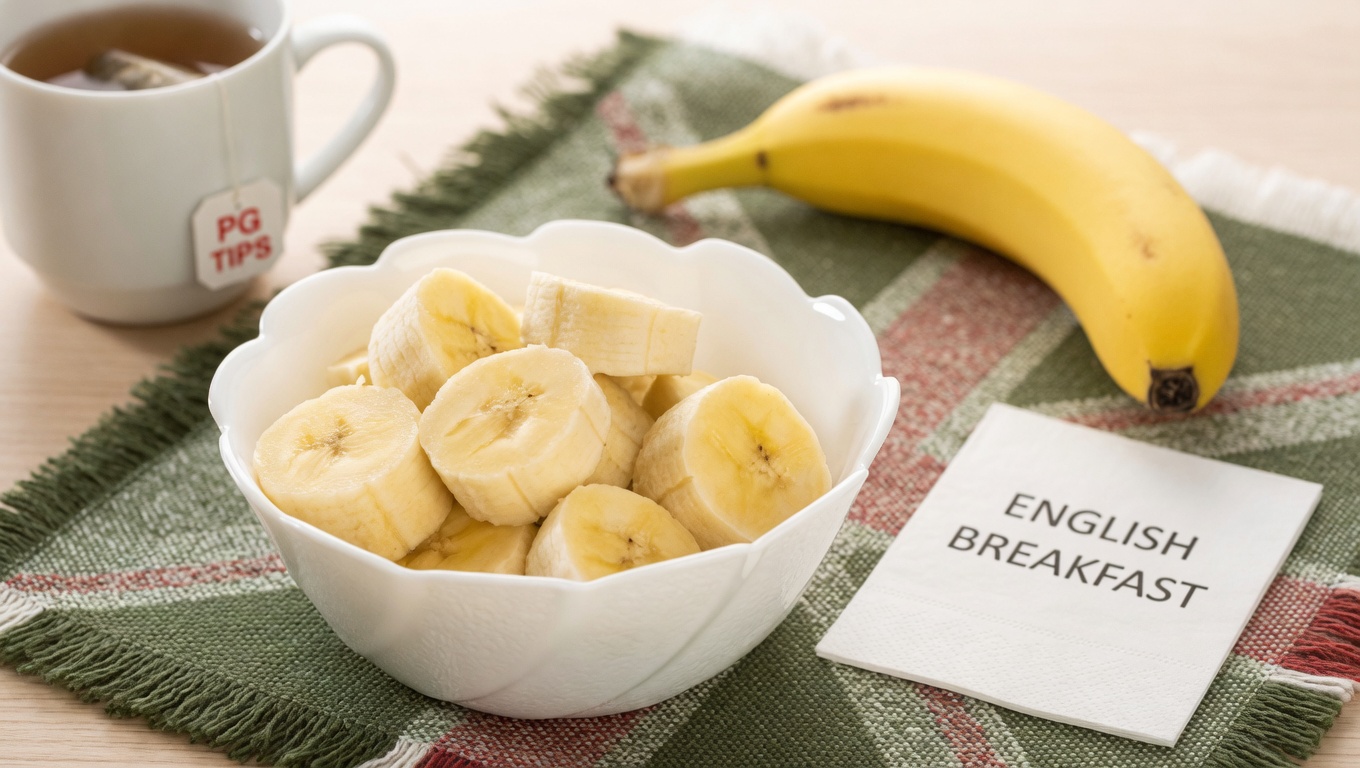
Mistake #6: Eating a Banana Alone on an Empty Stomach
A banana by itself—especially first thing in the morning—delivers quick energy from natural sugars. But without protein, fat, or extra fiber to slow digestion, that sugar can be absorbed rapidly, increasing the chance of:
- a quicker blood sugar rise
- reduced satiety
- an energy drop later
Nutrition fundamentals consistently show that combining carbs with protein and/or healthy fat supports more stable energy.
Simple solution: Pair your banana with one of the following:
- a handful of nuts
- Greek yogurt
- nut butter
- a protein smoothie add-in
This small change often improves fullness and smooths out energy levels.
Mistake #5: Refrigerating Bananas Too Soon
Putting green or barely yellow bananas in the refrigerator can interrupt ripening. The cold slows down the enzymes responsible for turning starch into sugar, which may cause the peel to darken while the inside stays starchy and less sweet.
Once the banana is ripe, refrigeration can be helpful by slowing further breakdown.
Pro tip: Let bananas ripen at room temperature until they reach your preferred stage (often yellow with speckles). Then refrigerate to extend freshness. The peel may brown, but the fruit inside usually stays fine.
You’re halfway through—now let’s look at how to get more benefit from bananas without eating them the same way every time.
Mistake #4: Always Eating Bananas Plain
Plain bananas are convenient, but always eating them alone can mean missing out on nutrient synergy and better satiety. Pairing bananas with other foods can add:
- protein for steadier energy
- fats for longer-lasting fullness
- extra micronutrients and fiber
In many food cultures, bananas are used in both sweet and savory combinations, often alongside beans, grains, or dairy for balance.
Easy ideas to try:
- Slice banana over oatmeal with cinnamon
- Blend into a smoothie with greens and a protein source
- Add seeds (chia, flax, pumpkin) for texture and fiber
Small upgrades like these can make a banana snack feel more like a complete mini-meal.
Mistake #3: Eating Too Many Bananas at Once
Bananas are nutritious, but portion size still matters—especially if you’re monitoring carbohydrate intake. One medium banana typically contains about 20–25 g of carbs, and eating multiple bananas in one sitting can add up quickly.
Practical guideline: Most people do well with 1–2 bananas per day, depending on overall diet, activity level, and blood sugar sensitivity.
Better approach: Choose small-to-medium bananas and spread intake across the day if you enjoy them regularly.
Mistake #2: Removing the “Stringy Bits”
Those thin strands running down the banana are called phloem bundles. They’re completely edible and contain fiber along with naturally occurring nutrients (including potassium and B vitamins). Many people peel them off automatically without realizing they contribute to the banana’s digestive benefits.
Easy change: Eat the banana with the strings included. They’re mild, and most people don’t even notice them once they stop focusing on them.
Mistake #1: Not Using Smart Pairings for Better Energy and Satisfaction
Bananas can be a healthy choice on their own, but if you frequently experience energy swings, the most effective improvement is consistent pairing. Adding protein or fat slows digestion and can help reduce the “spike-and-drop” feeling some people get from carb-only snacks.
High-impact pairings:
- Banana + almonds or walnuts
- Banana + Greek yogurt
- Banana + peanut/almond butter
- Banana + chia seeds (fiber boost)
Quick Fix Table: Common Banana Mistakes and Solutions
-
Wrong ripeness
- Potential issue: bloating or energy dips
- Simple fix: choose yellow with a few spots
- Expected benefit: smoother digestion and steadier energy
-
Not rinsing the peel
- Potential issue: residue transfer from peel to hands/fruit
- Simple fix: rinse under running water
- Expected benefit: improved food hygiene
-
Eating it alone on an empty stomach
- Potential issue: faster sugar absorption, hunger rebounds
- Simple fix: pair with nuts or yogurt
- Expected benefit: longer-lasting energy and fullness
-
Refrigerating too early
- Potential issue: starchy interior, dull flavor
- Simple fix: ripen on the counter first
- Expected benefit: better taste and texture
-
Throwing away the strings
- Potential issue: less fiber than you could be getting
- Simple fix: eat them as part of the fruit
- Expected benefit: extra gut support
A 30-Day “Banana Reset” You Can Actually Follow
- Week 1: Rinse the peel, choose mid-ripe bananas, add a simple pairing (like almonds). Notice whether digestion improves.
- Week 2: Stop removing the strings and limit intake to 1–2 per day. Track how you feel after eating them.
- Week 3: Try one new banana recipe or pairing (oatmeal, smoothie, yogurt). Observe energy stability.
- Week 4: Fine-tune based on your results and stick to what feels best consistently.
Bonus: Advanced Pairing Ideas
- Nuts + banana slices: healthy fats slow absorption
- Yogurt parfait with banana: protein supports steadier energy
- Chia or flax sprinkled on top: extra fiber for digestive support
The Overlooked Detail Most People Miss
Those phloem “strings” are not trash—they’re a natural part of the banana that can add extra fiber and reinforce the fruit’s gut-friendly benefits. Many people throw them away without realizing they contribute to what makes bananas healthy in the first place.
Try one change today—rinse the peel and add a pairing to your next banana. Small adjustments can noticeably improve how you feel.
FAQ
-
Are green bananas better than ripe bananas?
It depends on your goal. Green bananas have more resistant starch that may support gut health, but they can be harder to digest. Ripe bananas are sweeter and provide faster energy. -
Do I need to pair bananas with other foods every time?
Not necessarily. Pairing helps most if you notice energy crashes, hunger rebounds, or want a more satisfying snack. -
Can bananas be part of a daily routine?
Yes. For many people, 1–2 medium bananas per day can fit well in a balanced diet and provide potassium, fiber, and helpful micronutrients.
This article is for informational purposes only and does not replace professional medical advice. Consult your healthcare provider for personalized guidance.