Many adults deal with periodic tiredness, mild bloating, or a “slowed down” feeling—even when they’re trying to eat responsibly. One common reason is the modern diet: it often comes up short on essential nutrients such as potassium, magnesium, and vitamin K, which play key roles in daily energy, fluid balance, and overall wellness. Large national nutrition surveys have repeatedly found that many U.S. adults don’t reach recommended intakes, especially for potassium and vitamin K.
What if a familiar plant—often growing right outside—could help close some of those nutritional gaps in a natural way? Dandelion (Taraxacum officinale) is far more than a lawn weed: it’s nutrient-rich, widely used in traditional wellness practices, and surprisingly easy to work into everyday life. Below, you’ll find what makes dandelion worth considering, plus practical and safe ways to use it.
Common Everyday Challenges: Why So Many People Feel “Off”
With age, busy schedules, stress, and diets heavy in processed foods, it’s not unusual to notice:
- Slower or less comfortable digestion
- Occasional puffiness or water retention
- Energy dips that linger through the afternoon
Surveys consistently suggest that a large share of adults experience digestive discomfort and low energy at least from time to time.
A frequent contributor is a diet low in bitter greens and mineral-dense foods, which can make it harder for the body to maintain a steady internal balance. While supplements and “detox” products are popular, they may not deliver the broad, food-based mix of compounds that plants naturally provide for gentle day-to-day support.
Fortunately, one accessible option grows freely in many regions.
Dandelion: A Nutrient-Dense Plant Hiding in Plain Sight
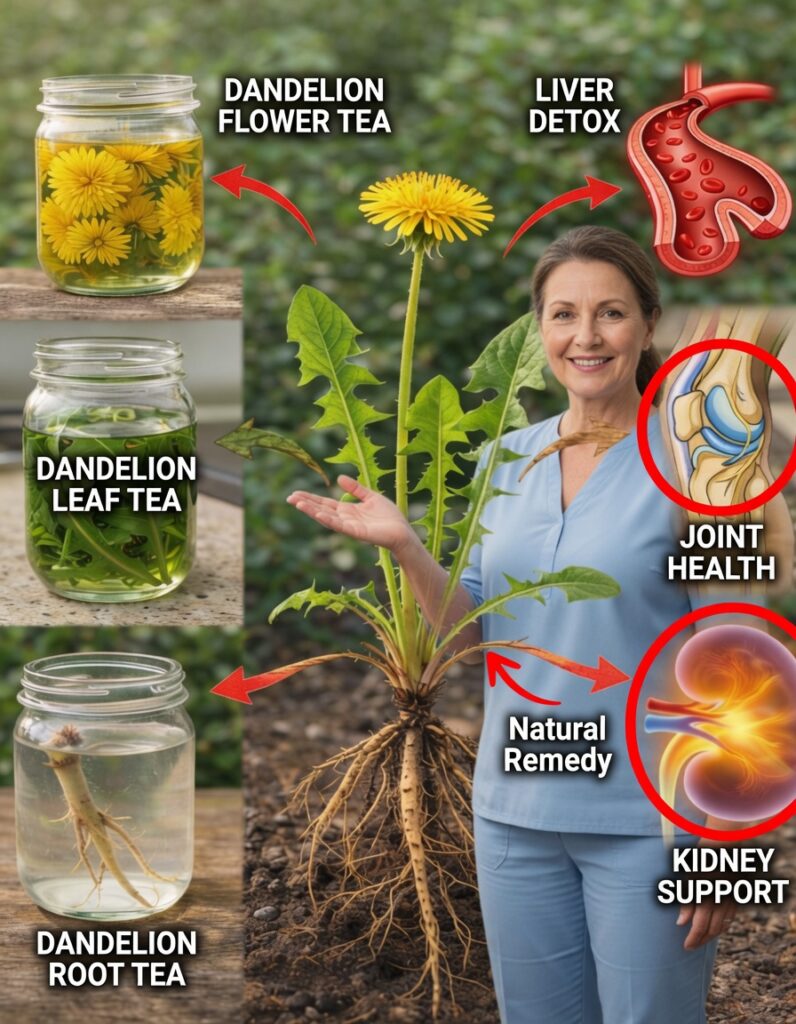
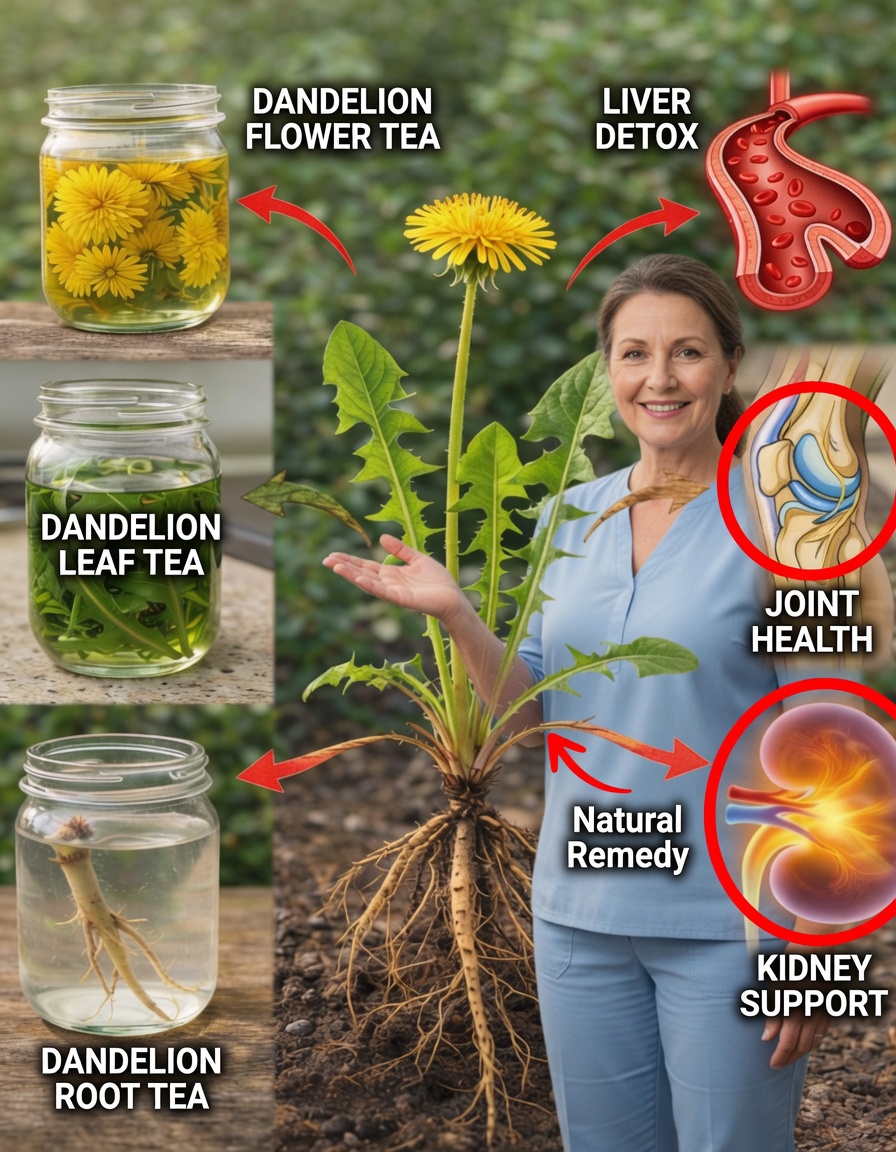
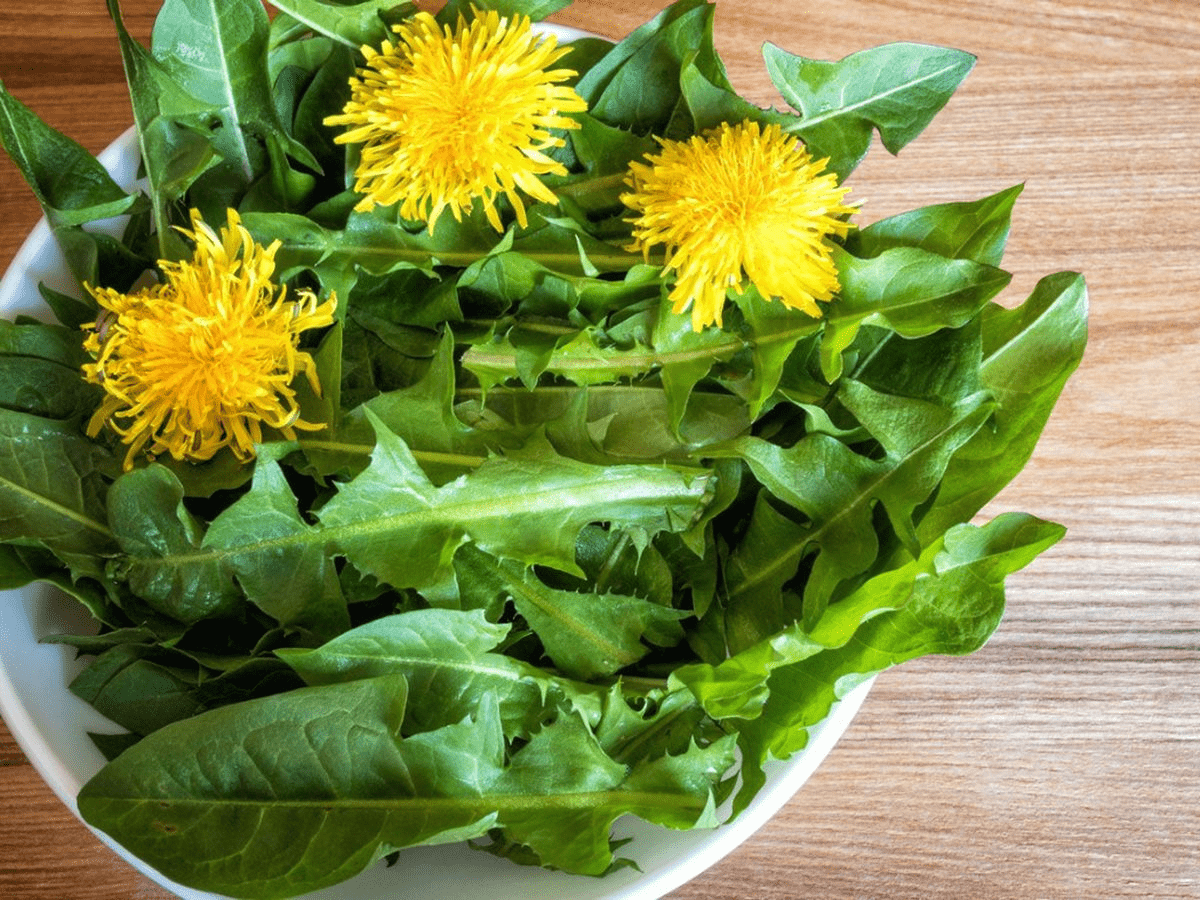
Dandelion is an edible plant where leaves, roots, and flowers can all be used, each offering distinct benefits.
- Leaves: Notably rich in potassium (about 397 mg per 100 g), plus magnesium, calcium, and very high vitamin K content. The leaves also contain bitter constituents traditionally associated with digestive support.
- Roots: A key feature is inulin, a prebiotic fiber that helps feed beneficial gut microbes, along with antioxidant compounds.
- Flowers: Provide flavonoids and other plant phytonutrients that may contribute to a healthy inflammatory response.
Research summaries and preclinical studies (lab and animal research) suggest dandelion contains compounds with antioxidant and anti-inflammatory activity, and potential supportive effects for digestive and liver health. Some studies point to mechanisms such as bile flow stimulation and protection against oxidative stress.
One especially notable point: dandelion is traditionally used as a natural diuretic, and because it’s potassium-rich, it’s often described as more potassium-sparing compared with some conventional diuretic approaches.

Why Interest in Dandelion Keeps Growing
Beyond research, many people describe positive day-to-day changes when they use dandelion in simple ways—such as tea, lightly cooked greens, or salads. Commonly reported experiences include feeling less “weighed down” after meals or noticing more consistent energy with regular use.
While personal stories aren’t proof, they align with long-standing traditional use across cultures and with emerging scientific interest in dandelion’s nutritional and functional profile.
12 Potential Reasons to Add Dandelion to Your Routine
The points below reflect dandelion’s nutrient content and its traditional applications.
Foundation Benefits
-
Natural support for fluid balance
Dandelion’s potassium content may encourage gentle diuresis while helping maintain electrolyte balance—useful for occasional water retention. -
Liver wellness support
Bitter compounds may encourage bile flow, supporting fat digestion and the body’s natural detox pathways. Preclinical research also suggests liver-protective activity. -
Digestive comfort
Bitter flavor compounds are traditionally used to stimulate digestive processes, potentially supporting enzyme activity and gut motility. -
Mineral-rich nutrition
Potassium, magnesium, and calcium contribute to normal muscle function, bone health, and blood pressure regulation.
Building Momentum
-
Prebiotic benefits (root)
Inulin serves as fuel for beneficial gut bacteria, supporting a healthier microbiome environment. -
Antioxidant and inflammation-response support
Flavonoids and polyphenols may help the body manage everyday oxidative stress. -
Blood sugar awareness
Early research suggests dandelion may influence carbohydrate handling and support healthy insulin sensitivity (evidence is still developing). -
Cellular protection
Antioxidants help neutralize free radicals associated with aging and daily environmental stressors.
Advanced Wellness Territory
-
Gentle elimination support
The combination of fiber and mild diuretic action may support regularity and comfortable elimination. -
Skin appearance support (indirectly)
By supporting digestive and liver-related pathways, some people find their skin looks clearer over time (individual results vary). -
Immune and seasonal wellness support
Nutrient density paired with antioxidant compounds offers broad, general support. -
Sustained vitality
Over time, consistently improving micronutrient intake may contribute to steadier energy and resilience.
How to Harvest and Use Dandelion Safely
Foraging can be convenient and cost-effective, but it must be done carefully.
- Choose young spring leaves for a milder taste.
- Harvest roots in fall, when inulin content is often higher.
- Avoid roadsides, industrial areas, parks treated with chemicals, and any lawn that may be sprayed.
- Wash thoroughly, and prioritize organic or untreated sources.
Easy Ways to Use Dandelion Daily
- Dandelion tea: Steep 1–2 teaspoons of dried leaves or roots in hot water for about 10 minutes.
- Salad greens: Combine young leaves with olive oil, lemon, and other greens to balance bitterness.
- Roasted root drink: Clean, dry, roast, and grind the roots; brew like coffee for an earthy, caffeine-free alternative.
- Smoothie boost: Blend a small handful of fresh leaves with fruit to soften the bitter flavor.
Start with small amounts to assess how your body responds.
Dandelion vs. Common Alternatives (Quick Comparison)
-
Natural diuretic effect
- Dandelion: Yes, often considered potassium-sparing
- Commercial diuretics/detox teas: May deplete potassium
- Probiotic supplements: No
-
Liver-related support
- Dandelion: Traditionally used; preclinical evidence suggests bile-related mechanisms
- Commercial detox products: Varies widely
- Probiotics: Indirect
-
Prebiotic fiber
- Dandelion roots: High (inulin)
- Commercial detox teas: Usually low
- Probiotic supplements: Strain-specific, not a fiber source
-
Cost and access
- Dandelion: Free if safely foraged
- Commercial products: Ongoing purchases
- Supplements: Ongoing purchases
What Results Might Look Like: A Practical Timeline
Individual outcomes depend on overall diet, hydration, stress, and baseline nutrient intake, but a realistic pattern may be:
- Weeks 1–2: Some people notice less bloating and improved regularity (especially with tea).
- Weeks 3–4: A lighter digestive feel and steadier energy may appear as mineral intake becomes more consistent.
- Week 5 and beyond: More stable digestive comfort and daily vitality with continued use.
Safety Notes You Should Not Skip
This article is for education only and does not replace medical care. Speak with a qualified healthcare professional before using dandelion—especially if you are pregnant, breastfeeding, or taking medications such as:
- Diuretics
- Blood thinners
- Lithium
- Certain antibiotics
Use extra caution if you have gallbladder concerns, kidney conditions, or allergies to the Asteraceae family (for example, ragweed). Begin with small servings to monitor tolerance.
Your Next Step Toward Everyday Wellness
Adding dandelion to your routine can be a simple, food-based way to support nutrient intake and everyday comfort—sometimes from your own backyard.
Try one approach this week (tea, salad greens, or roasted root drink) and track your energy and digestion on a 1–10 scale to see what changes over time.
Foraging tip: Many experienced foragers prefer harvesting after rainfall, when plants are often cleaner and more tender.
FAQ
Is dandelion safe to use every day?
For most people, dandelion is generally safe in typical food amounts. If you have health conditions or take medications, check with a healthcare provider first.
Can I buy dandelion instead of foraging?
Yes. You can find dried leaves, dried roots, tea bags, tinctures, and capsules at many health stores and online.
Can dandelion interact with foods or supplements?
Because dandelion can be high in potassium, total potassium intake can add up—especially if you also use supplements or potassium-affecting medications. Discuss your full routine with a qualified professional.
Disclaimer
This article is informational and reflects available research and traditional use. It does not diagnose, treat, cure, or prevent any disease. Always seek personalized guidance from a qualified healthcare professional.