
Swollen Legs, Ankles, and Feet: Why It Happens—and How Gentle Herbal Teas May Help
Swelling in the legs, ankles, and feet (often referred to as peripheral edema) can turn routine tasks into a challenge. After a long day of standing, sitting through a flight or road trip, or simply enduring warm weather, many people notice that their shoes feel tighter and their legs feel heavy and achy by evening. This is especially common in adults over 50, where factors such as fluid retention, gravity, high sodium intake, and slower circulation can contribute. Persistent swelling is also relatively common among older adults in the U.S., affecting roughly one in five.
Now consider a different end to your day: less puffiness, fewer deep sock impressions, and legs that feel lighter and more comfortable. Alongside proven lifestyle habits, some people choose to add a simple herbal tea to support the body’s natural fluid balance. Below, you’ll find an evidence-informed look at one often-overlooked tea with a long history of traditional use, plus additional strategies that may improve daily comfort.

Why Do Legs and Ankles Swell? It’s Not “Just Aging”
Lower-leg swelling often develops when fluid shifts downward due to gravity and the body has trouble moving it back up efficiently. Several everyday and health-related factors can play a role, including:
- High-sodium eating patterns, which can encourage the body to hold onto water
- Long periods of sitting or standing, slowing venous and lymphatic return
- Low-grade inflammation in tissues or blood vessels
- Not drinking enough fluids, which can paradoxically trigger fluid retention
- Low activity levels, reducing the pumping action of the calf muscles that helps push fluid upward
Over time, ongoing swelling can become more than a nuisance. It may contribute to discomfort, skin changes, and even reduced stability that raises fall risk.
Hydration is important, but in some cases the body may also benefit from gentle, supportive routines that help manage excess sodium and fluid. Many people reach for over-the-counter options, though stronger diuretics can sometimes affect electrolyte balance or cause other side effects. This is one reason plant-based, milder approaches—such as certain herbal teas—are commonly explored.
Dandelion Tea: A Traditional Herb with Gentle Fluid-Balance Support
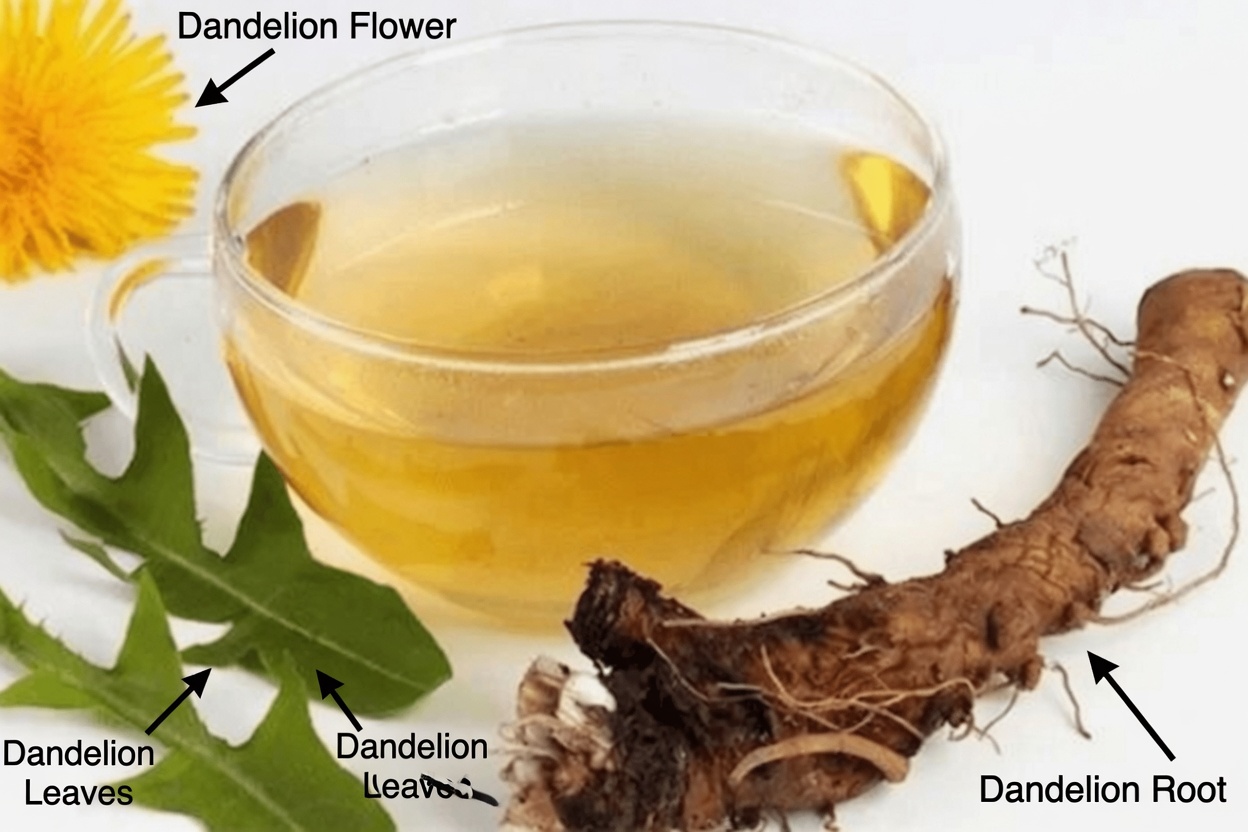
Dandelion (Taraxacum officinale) is often dismissed as a lawn weed, yet it has been used in traditional wellness practices for generations. Both dandelion leaf and dandelion root are used for tea, and the plant is best known for supporting digestive and fluid-related functions in a mild way.
What makes dandelion tea especially interesting for occasional swelling?
- Mild diuretic potential: It may help the kidneys increase urine output, supporting the release of extra water and sodium.
- Naturally contains potassium: Potassium is a key electrolyte involved in fluid balance—an advantage compared with stronger approaches that may deplete it.
- Antioxidant and soothing compounds: Dandelion contains bioactives such as polyphenols and taraxasterol that may support a calmer inflammatory response.
Early research is encouraging. In a small pilot study involving healthy volunteers, dandelion leaf extract increased urination frequency and volume during a single day—supporting its long-standing reputation. Laboratory and animal studies also suggest potential benefits related to kidney function and fluid handling. Larger, targeted human studies are still needed, especially for peripheral edema specifically, but many people use dandelion tea as part of a broader routine for mild, occasional puffiness.
Practical observation: People who spend long hours on their feet—such as educators, retail workers, and caregivers—often describe feeling “lighter” when dandelion tea is used consistently alongside movement and leg elevation.
Other Herbal Teas That Can Complement Dandelion
Dandelion can be a strong “base” option, and some people rotate or combine it with other teas that support circulation and comfort. Popular choices include:
- Green tea: Rich in catechins (antioxidants) that support vascular health. It also offers a mild diuretic effect due to natural caffeine and may support circulation, especially in more sedentary lifestyles.
- Ginger tea: Gingerols may promote healthy blood flow and help ease discomfort linked to inflammation. Many find it especially comforting later in the day.
- Parsley tea: Traditionally used for fluid support; some animal research suggests it may increase urine output. It also contains flavonoids that support overall wellness.
- Hibiscus tea: Bright and tart, hibiscus may encourage urination in certain models and provides antioxidants that support tissue health. It may also support healthy blood pressure in some individuals.
Instead of large, infrequent amounts, regular use matters more. A practical range for many adults is 1–3 cups per day, depending on tolerance and overall health.
How to Make Dandelion Tea (and Fit It Into Your Day)
A simple preparation method:
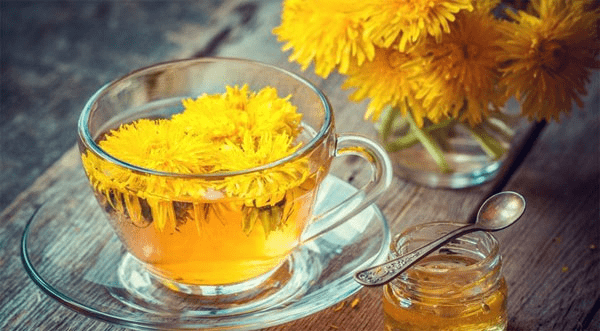
- Use 1–2 teaspoons of dried dandelion leaf or root (or one tea bag).
- Pour 8–10 oz of boiling water over the herb.
- Steep for 5–10 minutes, then strain if needed.
- Drink warm or chilled. Start with 1–2 cups daily (morning and early afternoon are common choices).
Ways to improve results with supportive habits:
- Pair with potassium-rich foods such as bananas, spinach, beans, or avocado.
- Elevate your legs for 15–30 minutes per day to assist fluid return.
- Add brief movement “snacks”: short walks, ankle pumps, calf raises, or gentle yoga.
- If caffeine disrupts sleep, keep green tea earlier in the day and choose caffeine-free herbal options in the evening.
Many people enjoy rotating teas to keep the routine sustainable and pleasant.
Herbal Teas vs. Common Swelling Strategies: A Simple Overview
-
Dandelion tea:
- Potential benefit: mild diuretic support + potassium
- Pros: generally gentle; supports mineral balance
- Considerations: can taste bitter; discuss with a clinician if you have kidney/gallbladder concerns
-
Green tea / ginger / hibiscus:
- Potential benefit: circulation and antioxidant support, mild fluid effects
- Pros: enjoyable flavors; broad wellness value
- Considerations: green tea contains caffeine; hibiscus is tart and may not suit everyone
-
Hydration + leg elevation:
- Potential benefit: supports fluid movement naturally
- Pros: simple, free, foundational
- Considerations: may take longer to feel noticeable changes if retention is significant
-
OTC diuretics:
- Potential benefit: faster fluid reduction
- Pros: quick effect
- Considerations: possible electrolyte imbalance and rebound effects; not ideal for casual use without guidance
-
Compression + low-sodium eating:
- Potential benefit: mechanical and dietary support for fluid control
- Pros: evidence-based for venous support
- Considerations: may not be sufficient alone; compression fit matters
Prevention and Long-Term Comfort: Daily Habits That Add Up
For steadier improvements, focus on consistent basics:
- Drink adequate fluids (many aim for around 8 glasses/day, adjusting for body size and climate).
- Keep sodium in check (a common guideline is under 2,300 mg/day) by prioritizing fresh, minimally processed foods.
- Move frequently: ankle circles, brief walks, standing breaks, or gentle stretching can help.
- Monitor patterns: consider weekly ankle measurements or photos to spot trends.
- Know when to seek care: sudden swelling, one-sided swelling, pain, redness, or swelling with shortness of breath or chest discomfort requires prompt medical attention.
Key Takeaway: Small, Consistent Steps Can Reduce End-of-Day Heaviness
Dandelion tea can be a simple, natural addition to support gentle fluid balance, especially when combined with movement, leg elevation, and smarter sodium intake. It’s not an instant fix—but with consistency, many people notice improved comfort and lighter-feeling legs over time.
This content is for informational purposes only and is not medical advice. Consult a healthcare professional before using herbal teas, particularly if you are pregnant, managing a medical condition (kidney, liver, heart), or taking medications such as diuretics, lithium, or blood thinners.
FAQ
-
Is dandelion tea safe to drink every day?
For many healthy adults, moderate intake is generally well tolerated based on traditional use and limited research. However, daily use should be discussed with a clinician if you take medications or have ongoing health conditions. -
How soon could swelling feel better?
Results vary. Some people report feeling less heavy or puffy within 1–2 weeks, especially when tea is combined with leg elevation, regular movement, and reduced sodium intake.