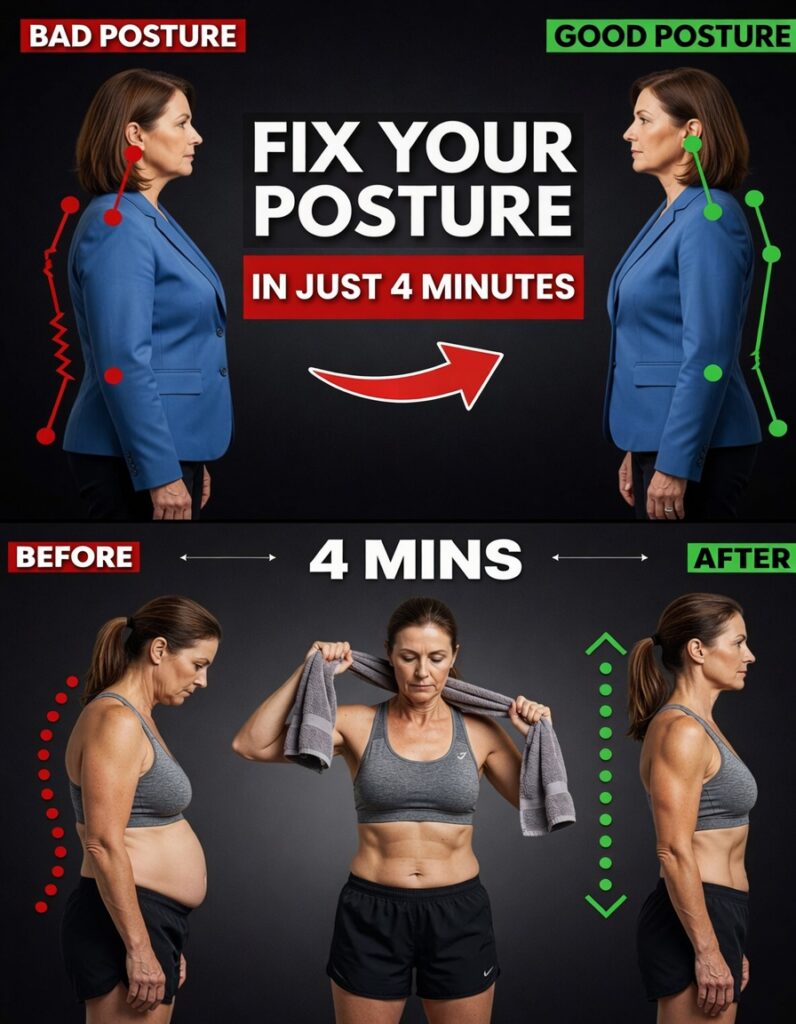
Many adults over 60 begin to notice their head drifting forward more than it used to. That subtle shift can make everyday activities—like walking, reading, cooking, or even chatting—feel less comfortable as the neck and shoulders work harder than they should. Often, this posture change builds slowly after years of common habits such as looking down at phones, leaning toward screens, or carrying heavy bags, all of which can add ongoing tension and make movement feel strangely “heavier.”
It can be discouraging to correct your posture for a moment, only to fall back into the same pattern soon after. The encouraging news is that you don’t need harsh stretching or complicated equipment to start improving alignment. A gentle, consistent routine can help your body rediscover a more natural head-and-shoulder position—and the final step includes a surprisingly powerful element that helps everything “stick” with more ease.
Forward Head Posture After 60: What It Is and Why It Matters
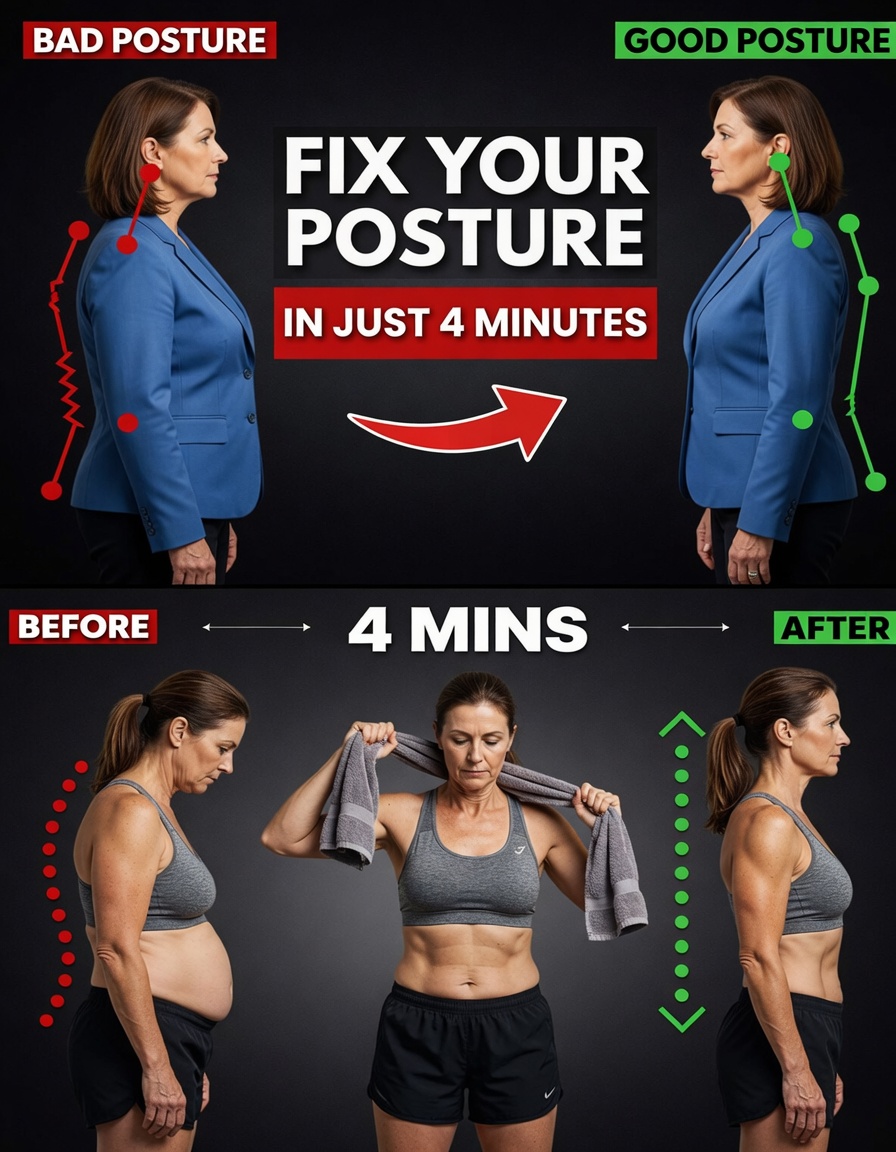
Forward head posture describes a position where the head sits in front of the shoulders rather than stacking comfortably over them. This doesn’t usually happen overnight—it tends to develop gradually through repetitive daily positions.
Research discussed in publications such as The Spine Journal links forward head posture with increased neck discomfort and suggests it may be associated with fatigue and a sense of unsteadiness in older adults. Beyond neck pain, studies also indicate potential effects on:
- Balance and stability
- Daily energy levels
- Comfort during routine movements
The most important takeaway: improvements are often possible with gentle, progressive habits, rather than forcing yourself into “perfect posture.”
Why Typical Posture Fixes Often Don’t Last
Many people try quick solutions—like constant reminders to “sit up straight” or a few isolated neck drills—but the results often fade fast. That’s usually because these approaches can feel like work, and the body tends to revert as soon as attention drops.
Common issues with popular methods include:
- Effort-based cues (“stand tall!”) that lead to fatigue and rebound slouching
- Posture braces that provide passive support but may reduce the body’s own control over time
- Aggressive stretching that can trigger protective tightness, especially when tissues aren’t prepared
After 60, sustainability matters more than intensity. Gentle, nervous-system-friendly strategies are often easier to maintain—and more effective long-term.
A Low-Effort Routine Inspired by Japanese Senior Care Principles
In Japanese senior care, many clinicians emphasize small, mindful, low-strain practices that help older adults move safely and confidently. This simple 4-minute routine follows that same spirit: it prioritizes awareness, calm breathing, and gradual alignment changes rather than force.
It also aligns with principles of nervous system communication: slow, comfortable movements can signal safety, reduce guarding, and improve the body’s sense of position (proprioception). Research on senior mobility suggests that rhythmic, gentle drills may support better body awareness, which can translate into improved balance and reduced strain.
Now let’s break down the routine step by step.
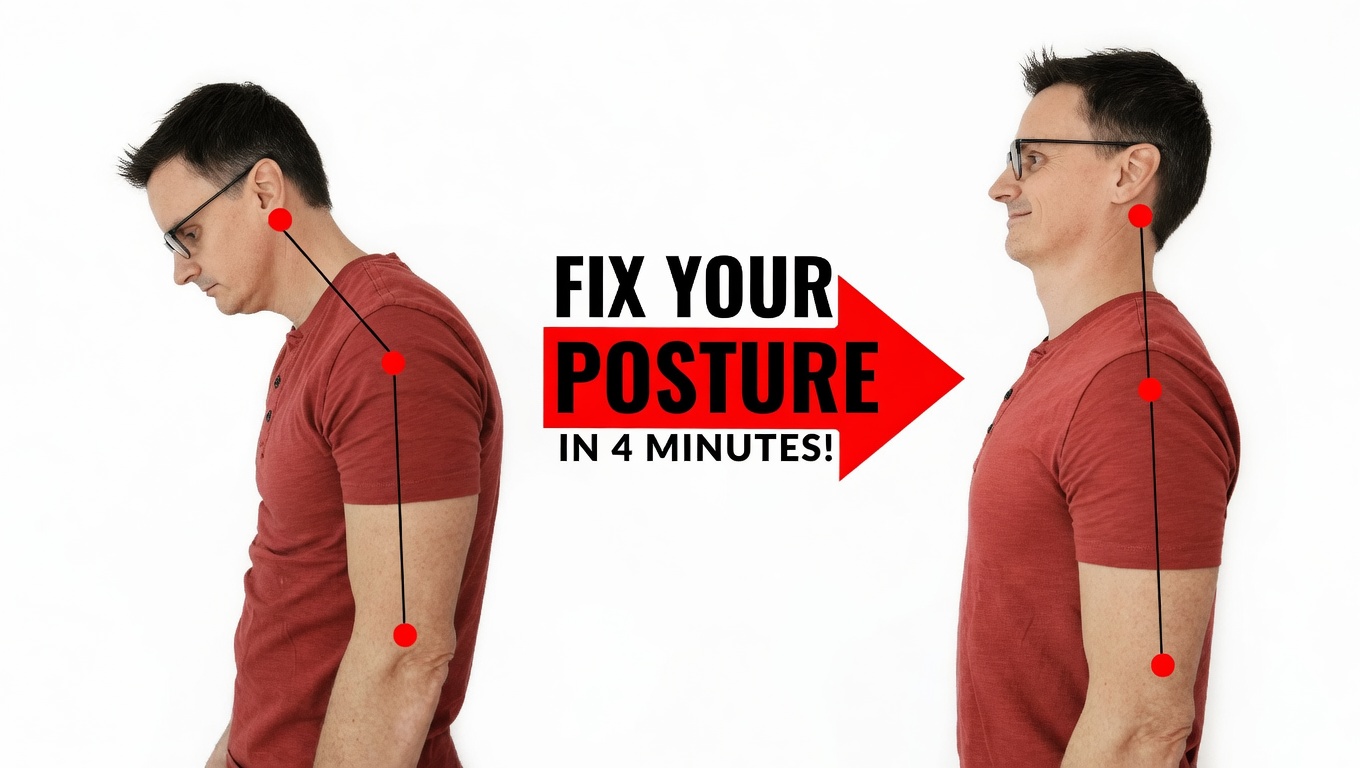
Step-by-Step: The 4-Minute Forward Head Posture Routine
Choose a comfortable setting—either sitting in a stable chair or standing with support nearby. You won’t need equipment, though a small towel is helpful for one portion. For best results, do the sequence daily, such as in the morning or after extended sitting.
1) Sensory Warm-Up (Reconnect and Reduce Tension)
Start seated or standing with your hands resting on your thighs.
- Slowly turn your head side to side
- Gently look up and down
- Bring one ear toward one shoulder, then switch
Stay in a comfortable range only, and pair movements with slow breathing (especially longer exhales). Continue for 60–90 seconds, focusing on smooth, relaxed motion.
Similar gentle mobility practices studied at institutions including Tohoku University have been associated with improved neck movement in older adults—without stressing the joints.
2) Integrated Retraction (Support Alignment From the Upper Back)
This phase helps recruit key postural muscles instead of relying on “forcing the neck back.”
- Place your hands on your lap, or lightly clasp them behind your back (whatever is comfortable)
- Gently draw your shoulder blades toward each other while keeping shoulders down
- Glide your head straight back (not up), creating a mild “double chin”
Hold 10–15 seconds, breathing calmly, then relax. Repeat 3 times (about 60 seconds total).
A study in Journal of Physical Therapy Science observed improvements in head/neck angle in older adults using similar daily alignment drills.
3) Passive Traction (Gentle Lengthening With Gravity)
Sit in a firm chair. Place a rolled towel at the base of your skull (where the head meets the neck).
- Let your head rest back into the towel
- Allow gravity to create a soft, natural “decompression” feeling
- Keep arms relaxed and breathe into the ribcage
Hold 15–20 seconds, repeat 3 times.
This step encourages length without effort. Geriatric research from Japan has highlighted potential benefits of gentle decompression strategies for posture patterns over time.
4) Thoracic Opening (Improve Mid-Back Mobility and Breathing)
Forward head posture is often linked to stiffness in the thoracic spine (mid-back), not just the neck.
- Lie on your back
- Place a rolled towel under the shoulder blades (not the lower back or neck)
- Bend knees and open arms out to the sides
- Breathe deeply and let the chest expand
Hold 30–60 seconds, then roll off the towel slowly.
Recent findings in Geriatric Physical Therapy associate thoracic mobility work with improved breathing capacity—an important factor for comfort and endurance.
Real-World Experiences: What People Commonly Notice
Many older adults report subtle but meaningful shifts when they practice consistently:
- Margaret (68) felt her neck move more freely after a few days of the warm-up phase
- Robert (71) noticed he stood a bit taller and had less midday fatigue
- Helen (74) described her shoulders feeling “lighter” and less tense
Individual results vary, but these stories point to the same theme: small inputs, repeated regularly, can add up.
How This Routine Compares With Other Posture Methods
- Chin-tuck drills alone: often feel demanding; may not integrate shoulders and upper back
- Posture braces: passive support; can reduce long-term self-control if overused
- Aggressive stretching: can be too intense and may cause the body to tighten defensively
- This gentle routine: low effort, nervous-system-friendly, and typically easier to sustain
Many people begin noticing changes in comfort and awareness within 1–4 weeks, especially with daily practice.
Bonus Tips to Make the Routine Stick
Use simple strategies that don’t add extra mental load:
- Link the routine to an existing habit (like brushing teeth)
- Do a quick weekly mirror check (not daily self-criticism)
- Add one deep breath each hour to reinforce alignment patterns
- Start with shorter holds if you’re new to movement
- Track weekly comfort and energy on a simple 1–10 scale
Consistency matters more than intensity.
Conclusion: Gentle Changes That Support Better Days
If you’re over 60 and noticing a forward head position, this 4-minute routine offers a realistic, equipment-free way to explore improvement. By using gentle signals instead of force, you may gradually feel more aligned, steady, and comfortable during everyday life.
If you only start one part today, start small—and stay consistent.
The surprising element that ties everything together: breathing. Deep, calm breaths act like an accelerator, making each step more effective by helping the nervous system relax and accept new alignment patterns.
Frequently Asked Questions
What if I feel discomfort during the routine?
Stay within a pain-free range, shorten the holds, and stop if symptoms feel sharp or worsening. If discomfort persists beyond mild sensations, consult a healthcare professional.
How often should I do it?
Daily is ideal, but even a few sessions per week can help. The key factor is consistent repetition over time.
Can this help with balance issues?
It may support proprioception and posture-related steadiness, but it is not a replacement for professional balance assessment or training when needed.
Important: This article is for informational purposes only and does not replace medical advice. Speak with your healthcare provider before starting a new routine, especially if you have existing conditions or symptoms.