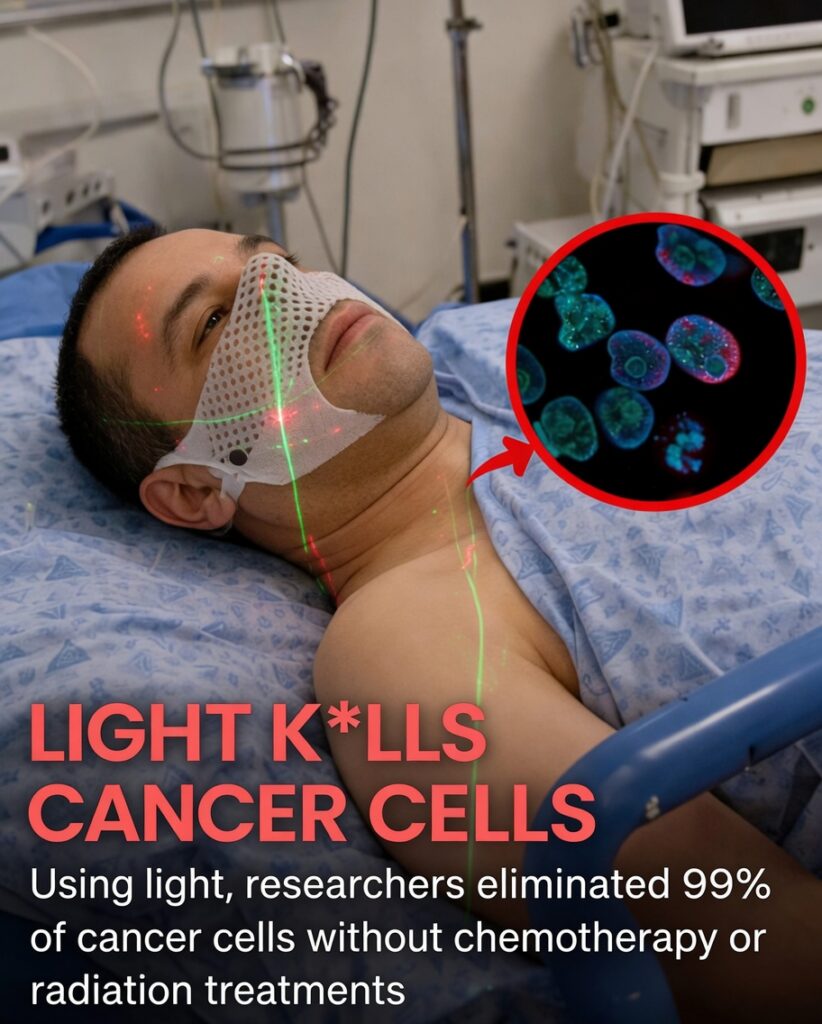
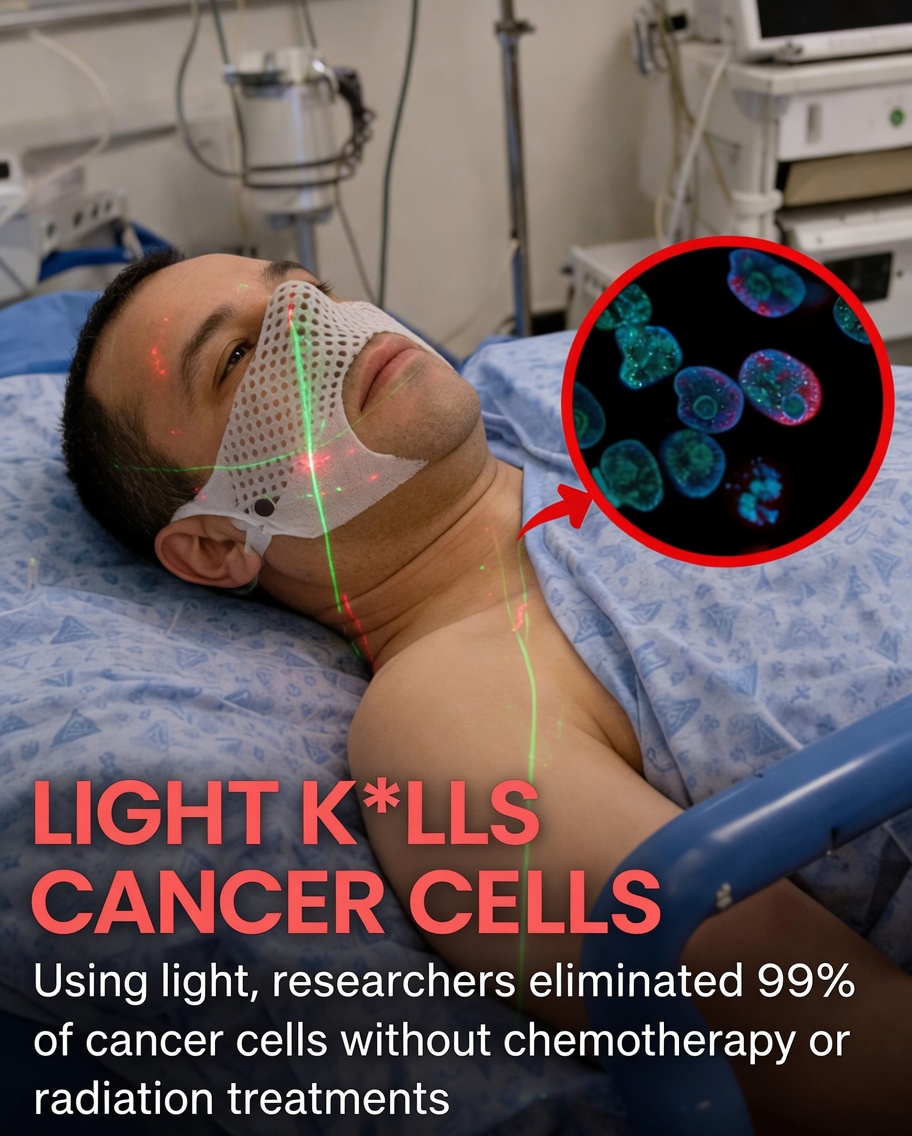
Living with cancer can be overwhelming—physically, emotionally, and financially. Beyond managing symptoms and treatment side effects, many patients and families also face difficult decisions about care pathways, each carrying uncertainty and real-life impact. It’s natural to look for credible, emerging research that may reshape how we approach cancer over time. One developing area drawing attention is a light-based technique designed to target cancer cells in a more precise way—an approach we’ll unpack step by step to understand why researchers find it so promising.
The Role of Light in Modern Medical Research
Light has been used in medicine for decades, ranging from basic imaging and diagnostics to specialized therapeutic tools. Recently, scientific interest has expanded into how specific wavelengths of light may influence cells at the molecular level.
Researchers are motivated by a clear goal: develop interventions that are more targeted and potentially less disruptive to healthy tissues. Early studies suggest that certain wavelengths can affect cellular activity with fewer broad, invasive effects than many conventional approaches.
The real opportunity lies in the ability to focus light energy on defined areas, applying principles from both physics and biology to act with greater precision.
How Near-Infrared Light Powers This Emerging Technique
At the center of this research is near-infrared (NIR) light, known for penetrating tissue more effectively than visible light. Scientists have tested a strategy that combines NIR light with special dyes that bind to cancer cell membranes, essentially “marking” those cells to respond to light exposure.
When activated by NIR light, these dye molecules trigger extremely rapid membrane vibrations. The movement becomes intense enough to rupture the cancer cell membrane, which can cause the cell to break down. In controlled laboratory settings, researchers have reported destruction of up to 99% of targeted cells.
This work has been associated with research teams at institutions including Rice University and Texas A&M, using aminocyanine molecules—compounds considered biocompatible and already utilized in medical imaging.
Why Researchers Find It Distinct From Traditional Approaches
A key difference is that this method is designed to avoid common sources of collateral damage:
- No heat-based destruction as the primary mechanism
- No reliance on harsh chemicals to kill cells
- A focus on mechanical disruption rather than thermal or chemical injury
Research discussed in Nature Chemistry describes these vibrations occurring at over a million times per second, fast enough to destabilize and dismantle targeted cell structures.
Potential Advantages Highlighted in Early Research
- Precision targeting: Only cells labeled with the dye are activated by the light, potentially sparing nearby healthy cells.
- Lower invasiveness (in concept): The approach aims for focused delivery rather than extensive surgery or broad systemic exposure.
- Versatility in early tests: Initial experiments suggest the mechanism could apply to multiple cell types, though this remains under investigation.
What Lab and Animal Studies Have Shown So Far
In early laboratory experiments, researchers observed large reductions in cancer cells grown in culture. Melanoma cells, for example, were reported to respond particularly well under experimental conditions.
When moved into animal models—such as mice with tumors—researchers reported tumor shrinkage with no obvious damage to surrounding healthy tissue in those studies. Team members have noted that this work builds on the legacy of photodynamic research, but introduces a more mechanically driven effect rather than relying primarily on chemical reactions.
A major hope is that, if the approach translates successfully to humans, it could result in fewer systemic side effects, since the action is meant to remain localized to dyed, illuminated cells.
Conceptual Comparison (High-Level Overview)
| Aspect | Traditional Methods | Light-Based (NIR + Dye) Approach |
|---|---|---|
| Targeting mechanism | Often broader exposure | Selective vibration of labeled cells |
| Side effect potential | Higher due to non-specific impact | Potentially lower with localized activation |
| Current stage | Widely used in clinical practice | Early-stage research (lab/animal studies) |
| Evidence base | Extensive human clinical data | Studies still expanding |
This progress is driven by collaboration across chemistry, bioengineering, and oncology, with ongoing work focused on optimizing safety and effectiveness.
Where This Fits in Broader Cancer Research Trends
Cancer treatment research is increasingly focused on personalization and reduced invasiveness, including approaches such as targeted therapies and immunotherapy. Light-based technologies align with this direction—especially when they aim to act on a defined target while minimizing harm elsewhere.
Organizations such as the National Cancer Institute track a wide range of innovations, and interest in light-enabled tools continues to grow as researchers explore ways they might integrate with or enhance existing care strategies.
Global urgency also plays a role: with cancer incidence rising worldwide, there is strong momentum behind developing breakthroughs that could improve outcomes across diverse cancer types.
Practical Ways to Stay Informed (Without Getting Overwhelmed)
This technique remains in the research phase, but staying informed can help patients and caregivers feel more prepared and empowered. Consider these practical steps:
- Follow trusted medical sources: Look to organizations such as the American Cancer Society, peer-reviewed databases like PubMed, and reputable cancer centers for updates on light-based therapies.
- Talk with your healthcare team: During appointments, ask what emerging options may be relevant to your specific diagnosis and treatment plan.
- Connect with supportive communities: Online groups and patient forums can provide shared experiences and pointers to resources (while still verifying claims through medical professionals).
- Build knowledge gradually: Accessible books—such as The Emperor of All Maladies by Siddhartha Mukherjee—can help you understand cancer research in a broader context.
Key Challenges Researchers Still Need to Solve
Like any early-stage breakthrough, this approach comes with real hurdles. A major technical challenge is ensuring the dye reaches all intended cancer cells effectively inside a complex human body.
Scientists are testing different delivery strategies, such as:
- Injection-based delivery
- Localized or topical approaches (where appropriate)
- Refinements in molecule design to improve targeting and distribution
Another major step is moving from promising lab results into carefully designed human trials. That transition requires extensive safety validation and regulatory review, often aligned with frameworks like FDA guidelines.
Progress will depend on sustained funding, rigorous replication of results, and international collaboration.
What This Could Mean for Future Health Strategies
If proven safe and effective in humans, this technology could expand future cancer care discussions by adding a new category of targeted, light-driven intervention. In a broader sense, it may contribute to a shift toward treatments that aim to reduce downtime and minimize effects on healthy tissue.
Experiences from established light-based methods—such as photodynamic therapy used for certain skin conditions and select cancers—offer a hint of how light-enabled care can sometimes be delivered with limited recovery time, depending on the case.
Conclusion
This near-infrared, dye-activated research direction offers a compelling look at how cancer treatment might evolve—using precise, mechanical disruption of cancer cell membranes rather than broad systemic effects. While it remains early in development, it reflects a wider movement in oncology toward smarter targeting and potentially safer interventions. As studies advance, following credible updates can help patients and families understand how emerging science may shape future care options.
Frequently Asked Questions
What does “light-based therapy” mean in cancer research?
In this context, light-based therapy refers to using carefully selected wavelengths (such as near-infrared light) to trigger specific effects in cells—often with the help of agents like dyes or sensitizers that improve selectivity.
Are similar light-based methods already used in real healthcare?
Yes. Photodynamic therapy (PDT) is an established technique used in certain conditions, including some skin disorders and select cancers, where light activates a photosensitizing agent to target affected tissue.
How can I track real research progress in this field?
You can monitor ClinicalTrials.gov, read updates from major universities and cancer centers, and review published studies through PubMed. For personal decision-making, discuss any findings with a qualified clinician.
Always consult a qualified healthcare professional for medical guidance. This article is for informational purposes only and does not provide medical advice.