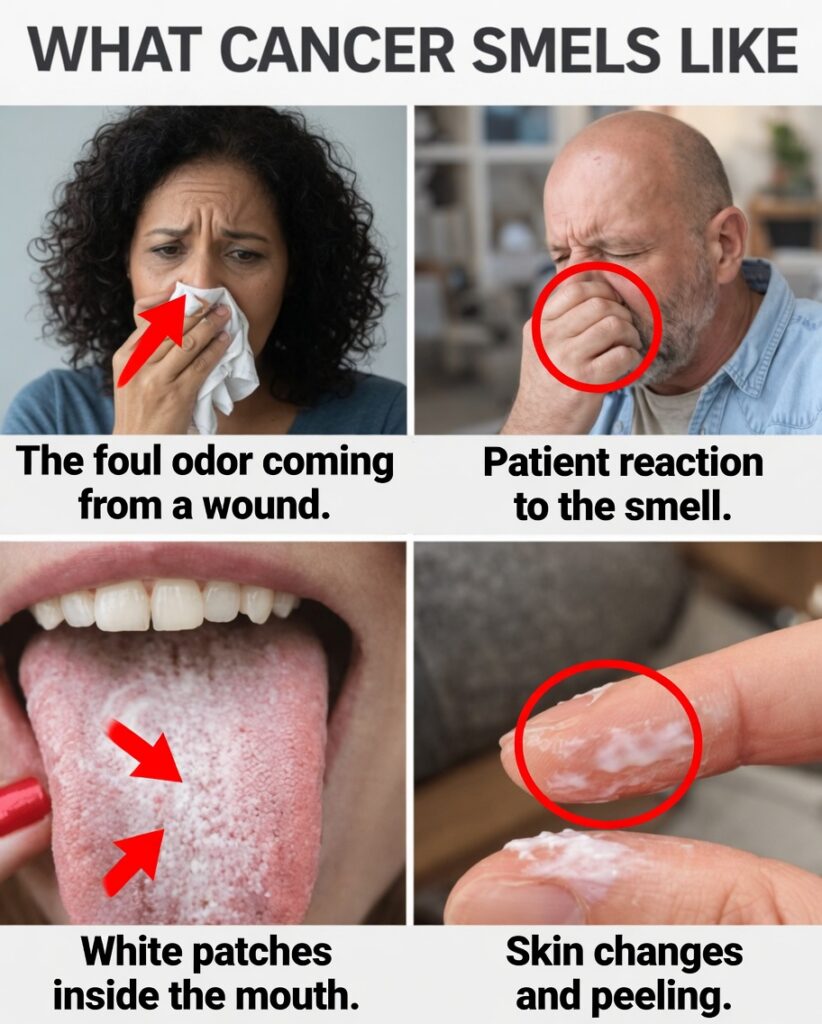
Many adults over 45 notice unexpected shifts in breath, sweat, urine, or overall body odor. It’s easy to blame these changes on diet, stress, or “just getting older”—especially when the smell feels stubborn even after improving hygiene or adjusting daily habits. Still, when an odor change is new, persistent, or clearly different from your normal, it can be a useful signal to pay attention to your health and consider discussing it with a healthcare professional.
What makes this topic so interesting is that emerging research suggests certain scents may reflect changes in the body’s chemistry—sometimes even before other obvious symptoms appear. And near the end, you’ll learn a surprising fact about animal detection that may change the way you think about smell and health.
Why Body Odor Can Change (and What It May Suggest)
Body scent is shaped by many everyday factors, including:
- Food and hydration
- Hormonal shifts (including menopause-related changes)
- Medications and supplements
- Stress and sleep
- Skin and oral microbiome balance
When the body breaks down nutrients and manages internal processes, it can produce volatile organic compounds (VOCs)—tiny molecules that can leave the body through breath, sweat, urine, and other fluids. These VOCs may subtly alter how you smell, sometimes in ways you don’t notice right away.
Scientific observations have reported that VOC patterns can differ in certain health conditions. Some studies have examined skin samples and found distinct VOC profiles, while others (including animal-based research) have noted measurable changes in urine odor tied to internal changes. None of this means an unusual odor automatically signals disease—but it does reinforce an important point: context and persistence matter.
It’s also fair to be skeptical. Many odor changes come from normal causes like diet, stress, dehydration, or new medications. But if an odor shift is paired with other changes—such as unexplained fatigue, weight loss, pain, bleeding, or skin changes—it becomes more important to take note and seek guidance. In general health recommendations, early attention to subtle changes can support better outcomes.
8 Subtle Body Odor Changes Worth Noticing
These scenarios are not diagnoses. Think of them as observations that may justify tracking patterns and asking questions during a medical visit—especially if they’re persistent or combined with other symptoms.

8) Persistent Bad Breath Despite Careful Oral Hygiene
If you notice a strong, unpleasant breath odor that doesn’t improve with brushing, flossing, mouthwash, or mints, it may be more than a routine issue. Research suggests that shifts in oral bacteria and conditions affecting the mouth or nearby areas can contribute to stubborn halitosis. If it persists alongside mouth sores, swelling, or unusual lumps, bring it up at a checkup.
7) A Fishy Vaginal Odor That Doesn’t Resolve With Basic Hygiene
A pronounced “fish-like” scent that remains despite standard hygiene may reflect changes in vaginal pH or secretions. Gynecologic research notes that odor shifts can become more common with post-menopausal changes, and odor paired with discharge, irritation, or bleeding should be evaluated by a professional.
6) Strong, Unpleasant Urine Odor Not Explained by Hydration
Urine odor can change after certain foods, vitamins, or temporary dehydration. But if you’re drinking enough fluids and the smell remains sharp, strong, or unusual, it may be worth tracking. Some reports associate changes in urine scent with urinary tract variations and metabolic byproducts. Persistent odor—especially with pain, fever, urgency, or dark urine—should be discussed with a clinician.
5) A New Onion-Like Sweat Smell
If your sweat suddenly takes on an onion-like odor despite consistent hygiene and deodorant use, the cause may involve dietary factors, stress, skin microbiome shifts, or metabolic changes. Research into sweat VOCs shows that odor profiles can vary under different internal and skin-related conditions. A smell that is sudden, one-sided, or paired with a new skin change is a good reason to take note.
4) Sweet or Fruity Breath (Sometimes Like Acetone)
Breath that smells sweet, fruity, or similar to nail polish remover is often associated with the presence of ketones. Breath-analysis work has documented this pattern in certain metabolic contexts. If you are not fasting, not on a low-carb diet, and notice this alongside fatigue, nausea, or unexpected weight change, consider getting medical advice.
3) Extremely Foul-Smelling Stool Beyond Normal Variation
Stool odor naturally varies based on food and gut bacteria. However, a consistently intensely rotten smell that feels far outside your normal may be linked to digestion or absorption changes. Colorectal and digestive health research notes that bleeding or other intestinal changes can alter stool characteristics and odor. If this occurs with abdominal pain, ongoing diarrhea, or blood, seek evaluation.
2) Ammonia-Like Smell From Sweat or Skin
A noticeable ammonia scent—especially after only mild activity—can relate to how the body processes protein and manages metabolic byproducts. Certain liver-related research discusses ammonia buildup in specific scenarios. If this smell is strong, persistent, and unexplained, and especially if it appears with other concerns (such as yellowing skin/eyes, swelling, or unusual fatigue), it deserves attention.
1) A General “Musty” or Unusually “Off” Body Smell
Sometimes the most concerning shift isn’t one specific odor, but an overall musty, stale, or unfamiliar body scent that feels new. In some cases, other people notice it before you do. While aging and hormones can influence baseline scent, VOC-focused research and anecdotal reports suggest that broader internal factors may also affect whole-body odor. If this change arrives with unexplained fatigue or other ongoing symptoms, it can be a prompt for a health conversation.
Common Causes vs. When an Odor May Deserve More Attention
Here’s a simple comparison to help separate everyday explanations from patterns that may justify closer monitoring.
-
Bad breath
- Common benign causes: diet, dehydration, inconsistent oral care
- Potential concern signs: persistent foul smell despite good care, plus sores or lumps
- When to note it: when it doesn’t improve and other mouth changes appear
-
Fishy vaginal odor
- Common benign causes: temporary pH shifts
- Potential concern signs: odor with discharge, irritation, or bleeding
- When to note it: especially post-menopause or if recurrent
-
Strong urine odor
- Common benign causes: dehydration, foods, vitamins
- Potential concern signs: pain, fever, dark urine, persistent odor without explanation
- When to note it: when hydration and diet changes don’t help
-
Onion-like sweat
- Common benign causes: diet, stress, exercise
- Potential concern signs: sudden onset, one-sided smell, skin changes
- When to note it: when it’s new and persistent
-
Fruity/acetone breath
- Common benign causes: fasting, low-carb eating
- Potential concern signs: fatigue, weight loss, no diet change
- When to note it: when it’s unexpected and ongoing
-
Extremely foul stool
- Common benign causes: diet changes, short-term infection
- Potential concern signs: blood, persistent change, abdominal pain
- When to note it: when paired with pain or lasts beyond a short illness
-
Ammonia-like sweat
- Common benign causes: intense workouts, high-protein intake
- Potential concern signs: lingering strong smell, other systemic symptoms
- When to note it: when it appears without clear triggers
-
Overall musty odor
- Common benign causes: hormones, aging, hygiene changes
- Potential concern signs: noticeable to others, paired with unexplained fatigue
- When to note it: when it’s a clear shift from your normal baseline
Practical Ways to Track and Respond to New Odor Changes
If you want a simple plan, use these steps:
-
Record what’s different
- Note when the smell started, how strong it is, and whether it appears after meals, exercise, or stress.
- Include any accompanying changes (fatigue, pain, skin irritation, weight change).
-
Check the basics first
- Review hydration, diet changes, supplements, and medications.
- Make sure hygiene routines haven’t shifted (new soap, deodorant, laundry changes).
-
Seek medical guidance if it persists
- If the change lasts weeks, keeps worsening, or comes with other symptoms, schedule an appointment.
- Clear descriptions help: what the odor resembles, when it occurs, and what you tried.
-
Support overall metabolic health
- Aim for balanced meals, consistent activity, and adequate sleep.
- Stress management can also influence sweat and breath patterns.
These habits don’t just reduce uncertainty—they can improve your ability to notice meaningful changes early.
Conclusion: Smell as a Tool for Health Awareness
Subtle shifts—like stubborn bad breath, unusual urine odor, new sweat scents, or a musty overall smell—are often harmless. But when they’re persistent or paired with other changes, they can be useful clues worth tracking. Staying observant puts you in a better position to have informed conversations and gain peace of mind.
One surprising detail from health research: in controlled trials, dogs have been trained to detect VOC patterns linked to certain health conditions with impressive accuracy. That suggests our pets may sometimes sense chemical changes before we recognize them ourselves—another reminder that scent can carry more information than we assume.
Frequently Asked Questions (FAQ)
What should I do if my body odor changes suddenly?
Start by tracking timing and triggers, then rule out basics like diet, hydration, and new medications. If it continues or comes with other symptoms, speak with a healthcare professional.
Do odor changes always mean something serious?
No. Many odor shifts come from normal causes. The main red flags are persistence, a clear departure from your normal, and odor changes accompanied by other symptoms.
How can I improve my natural body scent overall?
Prioritize hydration, balanced nutrition, consistent hygiene, regular exercise, and stress reduction. These support more stable metabolism and skin/oral balance.
This article is for informational purposes only and is not a substitute for professional medical advice. Always consult your healthcare provider for personalized guidance.