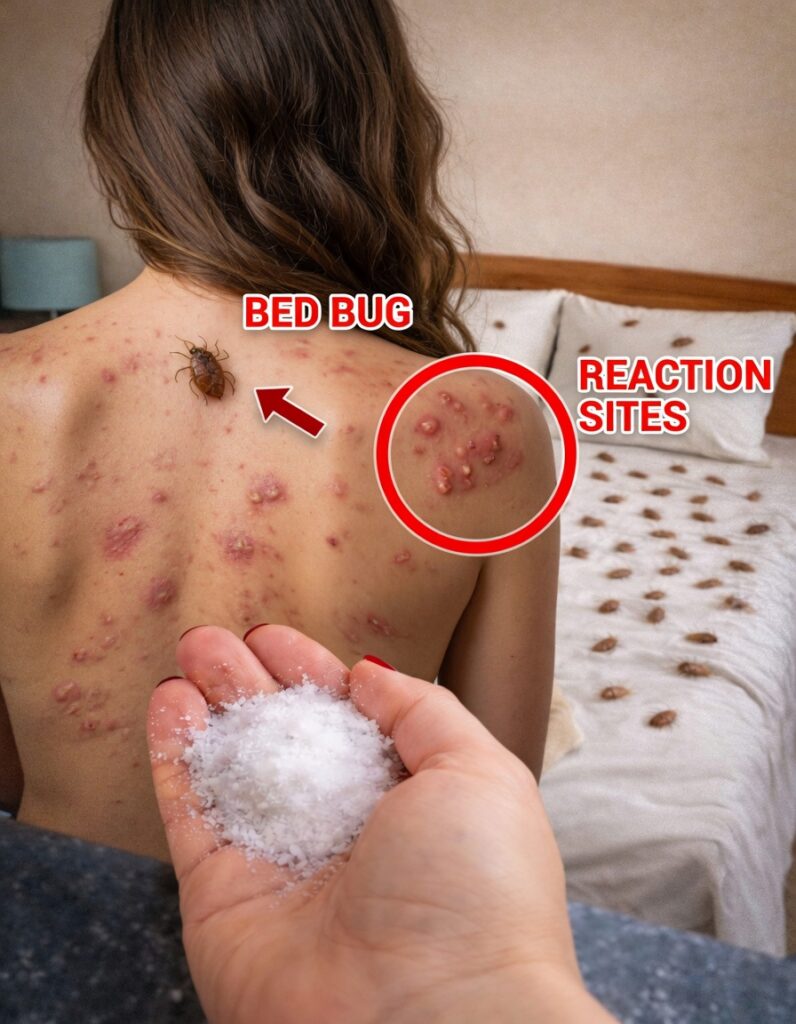
Why Itchy Mornings and Endless Sneezing May Start in Your Mattress
Waking up with irritated skin, watery eyes, or nonstop sneezing can ruin the start of your day—especially when the cause is something you can’t see. Mattresses can quietly harbor tiny pests that interfere with sleep and make your bedroom feel uncomfortable instead of restorative. The encouraging news is that you can reduce these problems with practical, natural techniques—often using items you already have at home—without relying on harsh chemicals.
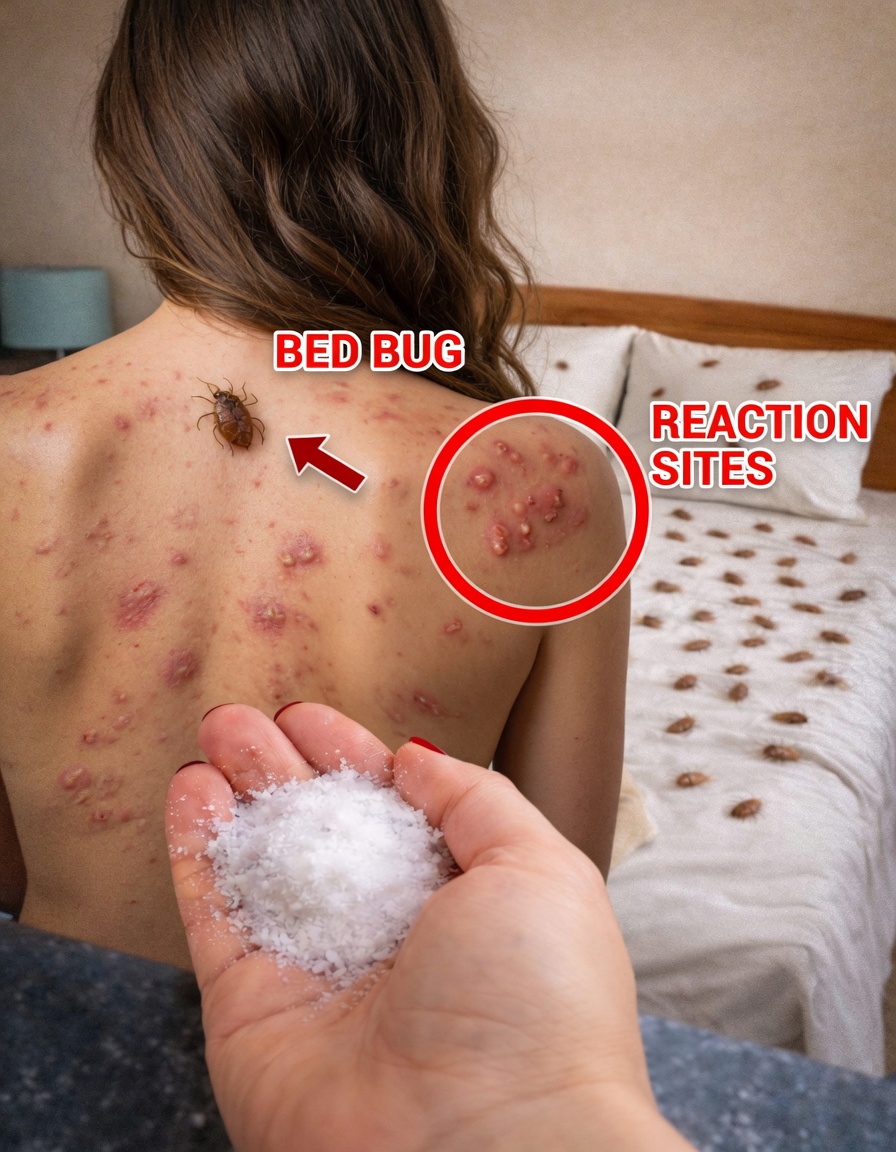
Dust Mites vs. Bedbugs: What You’re Dealing With
Before you treat the problem, it helps to know which pest may be involved and what makes each one thrive.
What Are Dust Mites?
Dust mites are microscopic organisms that flourish in warm, humid environments such as mattresses, pillows, and bedding. They feed on the skin flakes humans and pets shed every day. While dust mites don’t bite, their waste particles can trigger allergy-like reactions in sensitive people, including sneezing, itchy eyes, and nasal congestion. Organizations such as the American College of Allergy, Asthma & Immunology commonly highlight dust mite allergens as a frequent indoor trigger.
Dust mites typically multiply faster when indoor humidity stays above about 50%, allowing them to build up over time if bedding care is inconsistent.
What Are Bedbugs?
Bedbugs are visible to the naked eye—small, flat, and typically reddish-brown, roughly comparable in size to an apple seed. They hide in mattress seams, crevices, and bed frames during daylight hours, then emerge at night to feed on blood. Guidance from sources such as the U.S. Environmental Protection Agency (EPA) notes that bedbugs often spread by “hitchhiking” on luggage, clothing, and personal items, which is why travel frequently plays a role.
Their bites may result in itchy, red welts, and early detection is important because infestations can expand quickly.
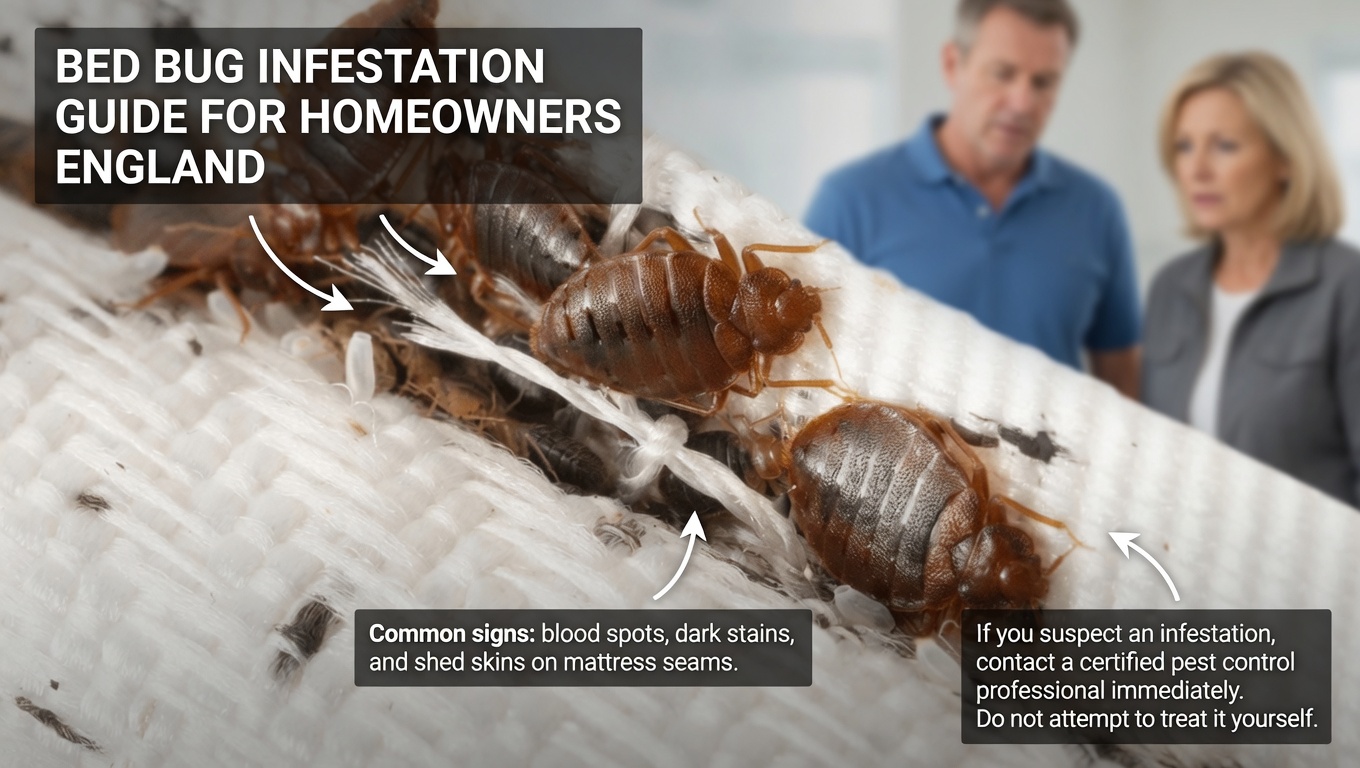
How These Pests End Up in Your Mattress
Pests don’t appear randomly—specific conditions and everyday habits can make your sleeping area a perfect target.
Why Dust Mites Build Up
Dust mites become more common when:
- Dead skin accumulates in bedding: Sleeping naturally sheds skin cells that collect in sheets and mattresses.
- Humidity is high: Moist air (often above 50% humidity) supports their survival.
- Cleaning is irregular: Infrequent hot washing and vacuuming gives mites time to multiply.
General entomology research often notes that humans shed enough skin over time to provide a steady food source for dust mites—especially in soft, fabric-rich spaces like beds.
Why Bedbugs Show Up
Bedbugs are often introduced through:
- Travel exposure: They can cling to suitcases, clothing, and shoes.
- Secondhand items: Used mattresses, upholstered furniture, and even clothing can carry them unnoticed.
- Neighboring infestations: In apartments or multi-unit buildings, bedbugs can migrate through walls, floors, and shared structures.
Even spotless homes can face bedbugs if new items aren’t inspected carefully.
Natural, Eco-Friendly Ways to Reduce Dust Mites and Bedbugs
You can make your mattress less hospitable using simple tools and plant-based options. The key is consistency.
1) Baking Soda to Reduce Moisture and Odors
Baking soda (sodium bicarbonate) is widely used in homes because it helps absorb moisture and neutralize smells. Creating a drier surface can make it harder for moisture-dependent pests to persist.
How to use baking soda on a mattress
- Sprinkle a generous, even layer over the entire mattress surface.
- Let it sit for 2–3 hours to absorb moisture and odors.
- Vacuum thoroughly—ideally with a HEPA filter attachment—to remove the powder and loosened debris.
How often: Repeat every 1–2 weeks for ongoing support, especially in humid seasons.
2) Essential Oils as Natural Repellents
Some essential oils contain aromatic compounds that many pests tend to avoid. Common choices include:
- Tea tree
- Eucalyptus
- Lavender
- Peppermint
Simple essential oil spray
- Add 10–15 drops of essential oil to 1 cup of water in a spray bottle.
- Shake well.
- Lightly mist the mattress (avoid soaking it).
- Let it air-dry completely before making the bed.
How often: Use 2–3 times per week. Always patch-test first because some fabrics may discolor.
3) Steam Cleaning for Heat-Based Control
Heat is a strong non-chemical option for many pests. Steam can penetrate seams and edges where pests hide.
How to steam clean a mattress
- Heat the steamer according to the manufacturer’s instructions.
- Slowly pass the steamer across the mattress, paying special attention to:
- seams
- edges
- tufts and folds
- Allow the mattress to dry fully (often several hours).
Many university pest management resources (including Cornell-linked guidance) cite steam temperatures around 130°F (54°C) or higher as effective against pests and their life stages.
How often: About once per month, or more often if you suspect activity.
4) Food-Grade Diatomaceous Earth (DE)
Food-grade diatomaceous earth is a fine powder made from fossilized algae. It works mechanically—damaging pests’ outer layers and dehydrating them. The EPA recognizes DE as a low-toxicity option when used correctly.
How to apply DE
- Lightly dust a thin layer along:
- mattress seams
- bed frame joints
- cracks and crevices near the bed
- Leave it in place for 4–6 hours (or longer when targeting bedbugs).
- Vacuum thoroughly afterward.
Reapply: As needed, especially after cleaning.
5) Cloves for an Extra Deterrent Effect
Cloves contain eugenol, a naturally occurring compound associated with insect-repelling properties. Cloves won’t replace cleaning, but they can complement other approaches.
Two easy options
- Powder method: Grind cloves and sprinkle a small amount around mattress edges and nearby hiding zones.
- Spray method: Mix 15–20 drops of clove essential oil with water, then apply lightly to cracks, seams, and bed frame corners.
How often: Refresh every few days, particularly after vacuuming.
DIY Natural Repellent Spray (Multi-Ingredient Blend)
If you prefer an all-in-one option, you can combine common household ingredients.
Ingredients
- 1 cup white vinegar
- 1 cup water
- 10 drops peppermint or eucalyptus oil
- 1 tablespoon baking soda
- Optional: 1 teaspoon Castile soap
Directions
- Pour water and vinegar into a spray bottle.
- Add baking soda slowly (it will fizz).
- Add essential oil and optional Castile soap.
- Shake gently before each use.
Where to spray
- mattress edges and seams
- baseboards near the bed
- cracks, corners, and bed frame joints
How often: Daily during active concerns, then reduce frequency for maintenance.
Ongoing Mattress Maintenance That Makes a Big Difference
Targeted treatments work better when supported by consistent habits:
- Wash sheets and bedding weekly in hot water (aim for 130°F / 54°C or higher) and dry on high heat.
- Keep indoor humidity below 50% using a dehumidifier when needed.
- Vacuum the mattress and bedroom regularly; empty the vacuum canister outside to avoid redistributing allergens.
- Use zippered mattress protectors to create a physical barrier and reduce buildup.
How to Prevent Dust Mites and Bedbugs From Coming Back
Prevention is simpler than repeated cleanup. Build these steps into your routine:
- Encase pillows and mattresses in hypoallergenic covers.
- Inspect secondhand furniture and textiles carefully before bringing them indoors.
- Reduce clutter around the bed to limit hiding places.
- Improve airflow and control humidity with fans or ventilation.
Quick Comparison of Natural Methods
| Method | Best For | Frequency | Main Advantage |
|---|---|---|---|
| Baking soda | Moisture reduction | Every 1–2 weeks | Absorbs humidity and odors |
| Essential oils | Repelling pests | 2–3 times/week | Plant-based scent deterrent |
| Steam cleaning | Heat treatment | Monthly | Can disrupt multiple life stages |
| Diatomaceous earth | Dehydration via contact | As needed | Low-toxicity, non-chemical action |
| Cloves | Deterrence support | Every few days | Strong aromatic compounds |
Conclusion
A cleaner, more comfortable mattress usually comes from steady, natural routines—not a single one-time fix. Baking soda, essential oils, steam cleaning, and careful moisture control can all work together to reduce dust mites and discourage bedbugs. Stay consistent, and your bed can return to what it should be: a healthier place to rest.
FAQ
How often should I vacuum my mattress?
Once a week is a solid baseline. For best results, use a vacuum with a HEPA filter to capture fine particles.
Can essential oils discolor or stain a mattress?
Yes, if applied too heavily or without dilution. Always dilute and patch-test a small area first.
What if natural approaches aren’t enough?
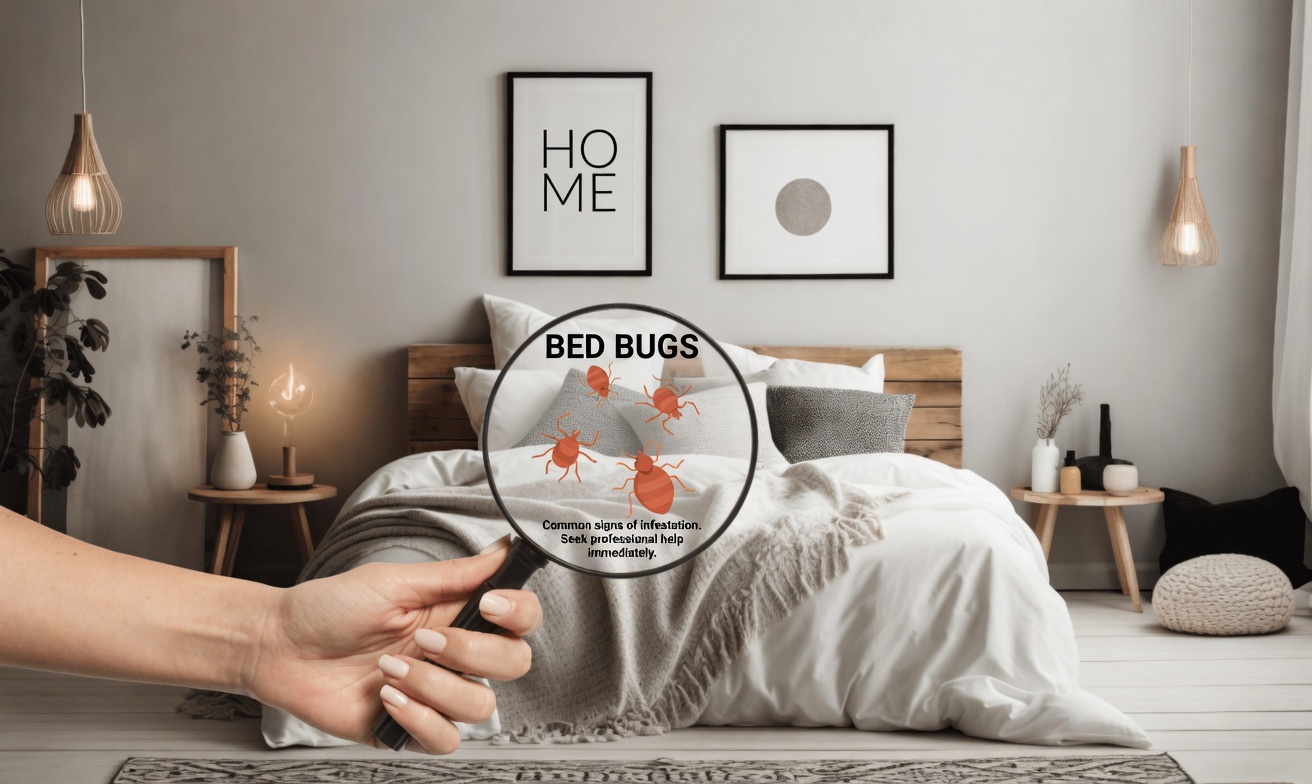
If bites, visible signs, or symptoms persist, consider contacting a professional pest control service—especially for suspected bedbug infestations.
Disclaimer: This information is for general educational purposes.