Baking Soda for Skin: What It Really Does, Benefits, Risks, and Safer Alternatives
Many people reach for baking soda as a quick, budget-friendly way to get smoother, brighter-looking skin—especially when dealing with dullness, rough patches, or the urge for an easy DIY exfoliation. Social media often frames it as a fast “glow” hack, but skincare rarely works that simply.
Dermatologists caution that baking soda is alkaline (about pH 8–9), while healthy skin is naturally slightly acidic (about pH 4.5–5.5). Shifting your skin away from its ideal pH can weaken the protective barrier and may lead to dryness, irritation, and increased sensitivity over time.
This article breaks down how baking soda affects the skin, the commonly claimed benefits, the most important safety concerns, and lower-risk ways to use it if you still choose to experiment—while keeping skin health the top priority. Stay to the end for a gentler daily glow strategy many people rely on for consistent radiance.
What Does Baking Soda Do to Your Skin?
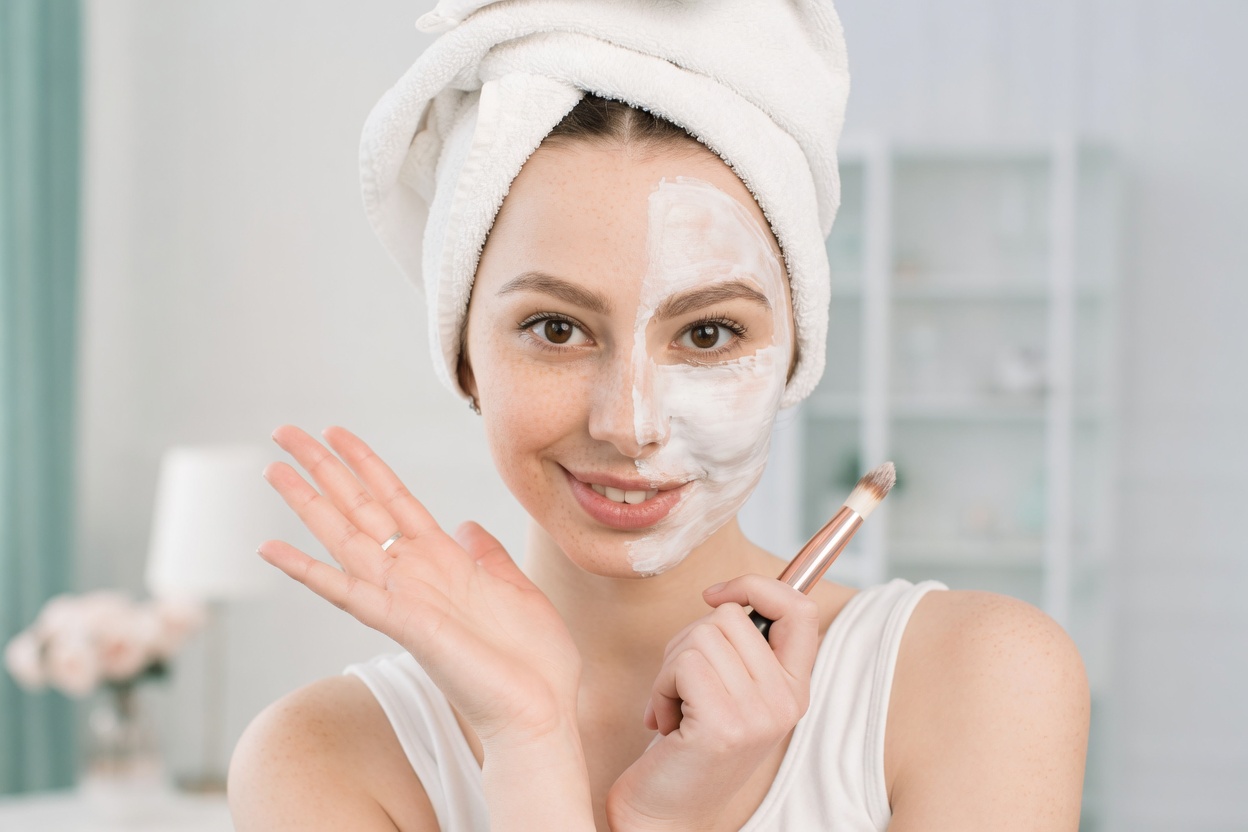
Baking soda (sodium bicarbonate) is a fine powder with a slightly gritty texture. When combined with water (or another liquid), it creates a paste that can work as a physical exfoliant. That mild abrasion may help lift away dead surface skin cells, which can make skin feel temporarily softer and look a bit brighter right after rinsing.
However, the results are typically surface-level and short-lived. Baking soda does not:
- Penetrate deeply to change long-term texture
- Reduce pigment formation or meaningfully fade dark spots
- Stimulate collagen for wrinkles and firmness
- Create lasting improvements in fine lines
Dermatology sources often emphasize that frequent use—or rubbing too aggressively—can compromise the skin barrier, which is responsible for keeping moisture in and irritants out.
Commonly Mentioned Benefits (Mostly Anecdotal)
There isn’t much high-quality research specifically supporting baking soda as a facial skincare ingredient, so most “benefits” come from personal experiences rather than strong clinical evidence. Still, people who use it occasionally may report:
- A smoother feel due to physical exfoliation
- A temporary brighter look from removing surface buildup
- A “cleaner” sensation, especially on oilier areas
- Low cost and easy access at home
- Better comfort when mixed with moisturizing ingredients (like honey)
Results vary widely by skin type. What feels fine on one person’s skin may trigger irritation for another—so paying attention to your skin’s feedback matters.
Risks and Precautions You Shouldn’t Ignore
Because baking soda is both alkaline and abrasive, dermatologists frequently flag it as a higher-risk DIY option—particularly with regular use. Potential issues include:
- Dryness, tightness, and visible flaking
- Redness, burning, stinging, or itching
- Increased sun sensitivity after exfoliation
- Worsening of rosacea, eczema, or acne-prone irritation
Do not apply baking soda to:
- Broken or cracked skin
- Open cuts or healing areas
- Inflamed pimples
- Highly reactive zones
- The delicate area around the eyes
Patch testing is the safest first move
How to Patch Test Baking Soda
- Mix a small amount of baking soda paste.
- Apply it to the inner forearm.
- Leave it and wait 24 hours.
- Check for redness, itching, burning, or discomfort.
If you react at all, do not use it on your face.
How to Use Baking Soda More Safely at Home (If You Still Want to Try)
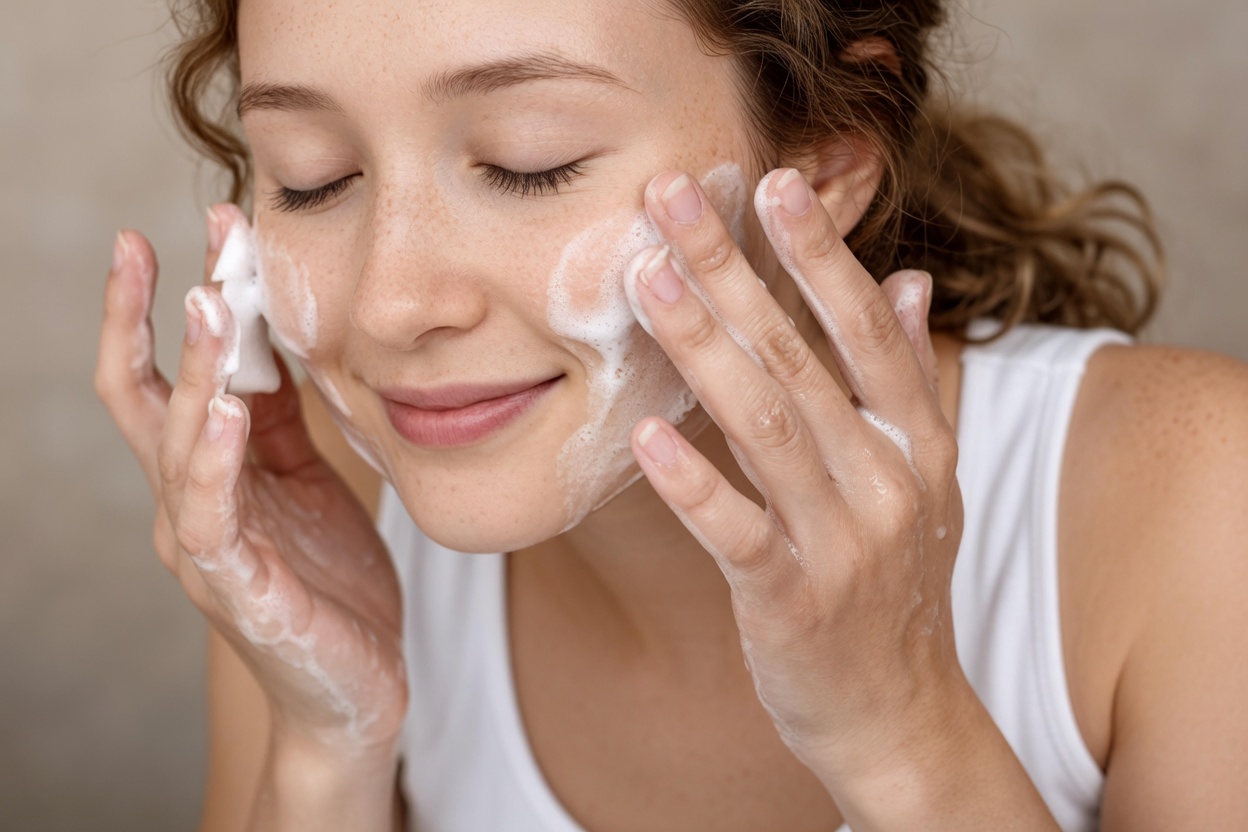
If you decide to experiment despite the drawbacks, keep it truly occasional: no more than once weekly (and less often if your skin is sensitive). Never scrub hard—pressure and friction are what cause many problems.
Basic Gentle Exfoliating Paste (Occasional Use Only)
Ingredients
- 1 teaspoon plain baking soda
- 2–3 teaspoons water
- Optional: replace water with a more hydrating liquid like milk for added softness
Steps
- Mix into a smooth paste.
- Start with a freshly cleansed face.
- Apply lightly using soft, minimal circular motions.
- Avoid the eye and lip areas completely.
- Massage very gently for 1–2 minutes max.
- Rinse thoroughly with lukewarm water.
- Pat dry (do not rub).
- Apply moisturizer immediately.
- Use broad-spectrum sunscreen if you’ll be outdoors.
Variation 1: Honey Blend (Often Better for Normal to Dry Skin)
Ingredients
- 1 teaspoon baking soda
- 1 tablespoon honey
Honey is commonly used for its soothing, moisturizing feel. Apply gently, leave on 3–5 minutes, rinse, then moisturize.
Variation 2: Coconut Oil Blend (Extra Softness, Not for Everyone)
Ingredients
- 1 teaspoon baking soda
- 1 teaspoon virgin coconut oil
This may feel more comfortable on dry skin. However, coconut oil can clog pores for some acne-prone individuals—patch test carefully.
Tips to Reduce Irritation and Get Better Results
- Choose pure, additive-free baking soda only
- Avoid pairing it with strong acids (such as lemon juice) in the same routine
- Don’t use it on the same day as retinol, AHAs, or BHAs
- Moisturize immediately after any exfoliation
- Wear sunscreen daily—freshly exfoliated skin needs protection
- Stop immediately if you feel burning, stinging, or persistent redness
Baking Soda vs. Dermatologist-Preferred Exfoliants (Quick Comparison)
-
Cost
- Baking soda paste: Very low
- AHA/BHA exfoliants: Moderate
-
Type of exfoliation
- Baking soda: Physical (abrasion)
- AHA/BHA: Chemical (helps dissolve dead cells more evenly)
-
Irritation risk
- Baking soda: Higher, especially with overuse
- AHA/BHA: Often lower when correctly formulated and used
-
Typical frequency
- Baking soda: Once a week or less
- AHA/BHA: Often 2–3 times weekly (depends on product and skin type)
-
Scientific support
- Baking soda: Mostly anecdotal
- AHA/BHA: Supported by dermatological research
For more predictable, evidence-based results, many professionals recommend formulated exfoliants designed to respect skin’s natural pH and barrier function.
FAQ: Baking Soda and Facial Skin
Does baking soda permanently lighten dark spots?
No. There’s no strong scientific evidence that it can meaningfully reduce deep pigmentation. Any “brightening” effect is usually temporary and comes from removing surface dead cells. For persistent dark spots, a dermatologist can recommend targeted options.
Can baking soda reduce fine lines or wrinkles?
It may create a short-lived smooth feeling, but it does not build collagen or deliver long-term anti-aging results. Ingredients like daily sunscreen, retinoids (used appropriately), and peptides have far stronger clinical backing.
Is baking soda safe for every skin type?
Not always. Some oily or combination skin types may tolerate occasional use better, while dry, sensitive, or barrier-impaired skin often reacts poorly. If you’re unsure, choose gentler alternatives.
A Gentler Glow Routine Many People Rely On
Instead of chasing quick exfoliation hacks, consistent basics tend to create the most reliable radiance:
- Drink enough water and use a hydrating moisturizer daily
- Apply broad-spectrum SPF 30+ every morning
- Add a vitamin C serum for antioxidant support
- Prioritize sleep, balanced nutrition, and stress control
Long-term glow comes from strengthening the skin barrier—not repeatedly stressing it.
Final Thoughts
Baking soda can provide mild, temporary exfoliation, but its alkaline pH and abrasive nature mean the downsides often outweigh the benefits for regular facial use. If you experiment, keep it rare, gentle, and barrier-focused—and stop immediately if irritation appears. When in doubt, professional skincare advice is safer than DIY trends.
Disclaimer
This content is for informational purposes only and does not replace medical advice. Consult a qualified dermatologist or healthcare provider before trying new skincare methods, especially if you have existing skin conditions. Results vary, and no outcome is guaranteed.