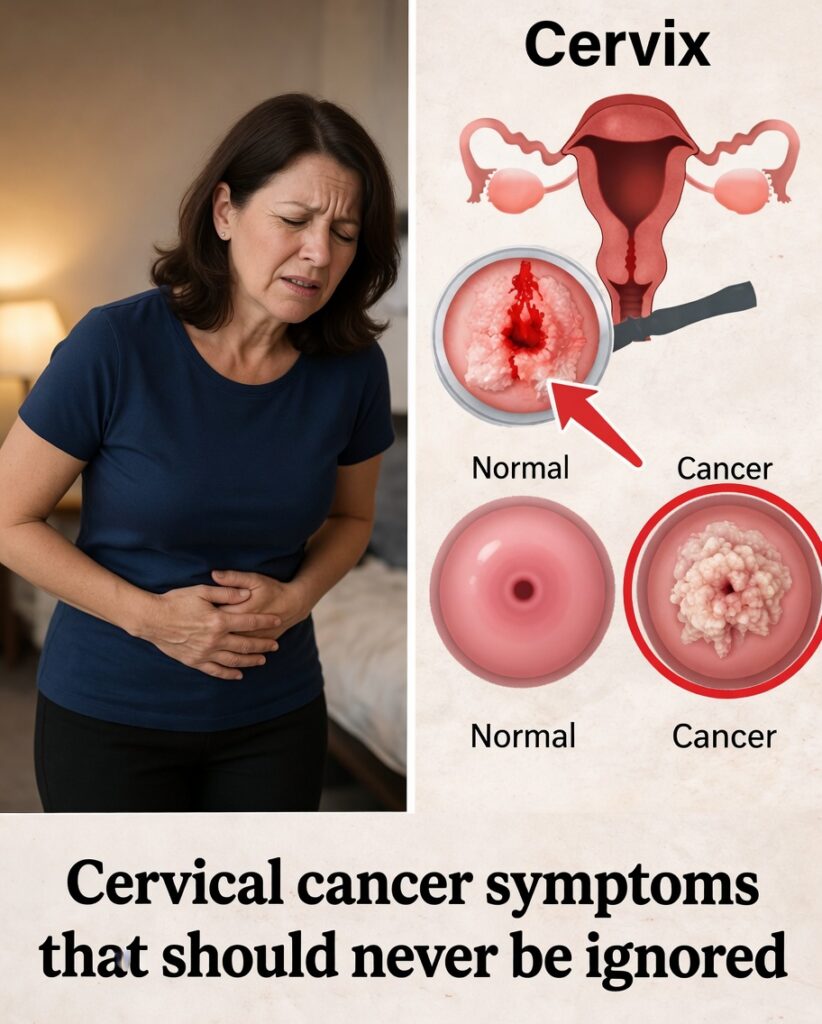
Cervical Cancer: A Preventable Disease That Often Starts Silently
Cervical cancer is widely considered one of the most preventable cancers affecting women worldwide—yet it can still become life-threatening when it goes unnoticed. A major reason is that early-stage disease frequently causes few to no obvious symptoms, so many people only recognize something is wrong after it has progressed.
This can feel unsettling, especially when changes in bleeding, discharge, or pelvic comfort get dismissed as “normal,” stress-related, or temporary. The encouraging reality is that noticing subtle shifts and responding early can lead to faster medical evaluation—and often better outcomes.
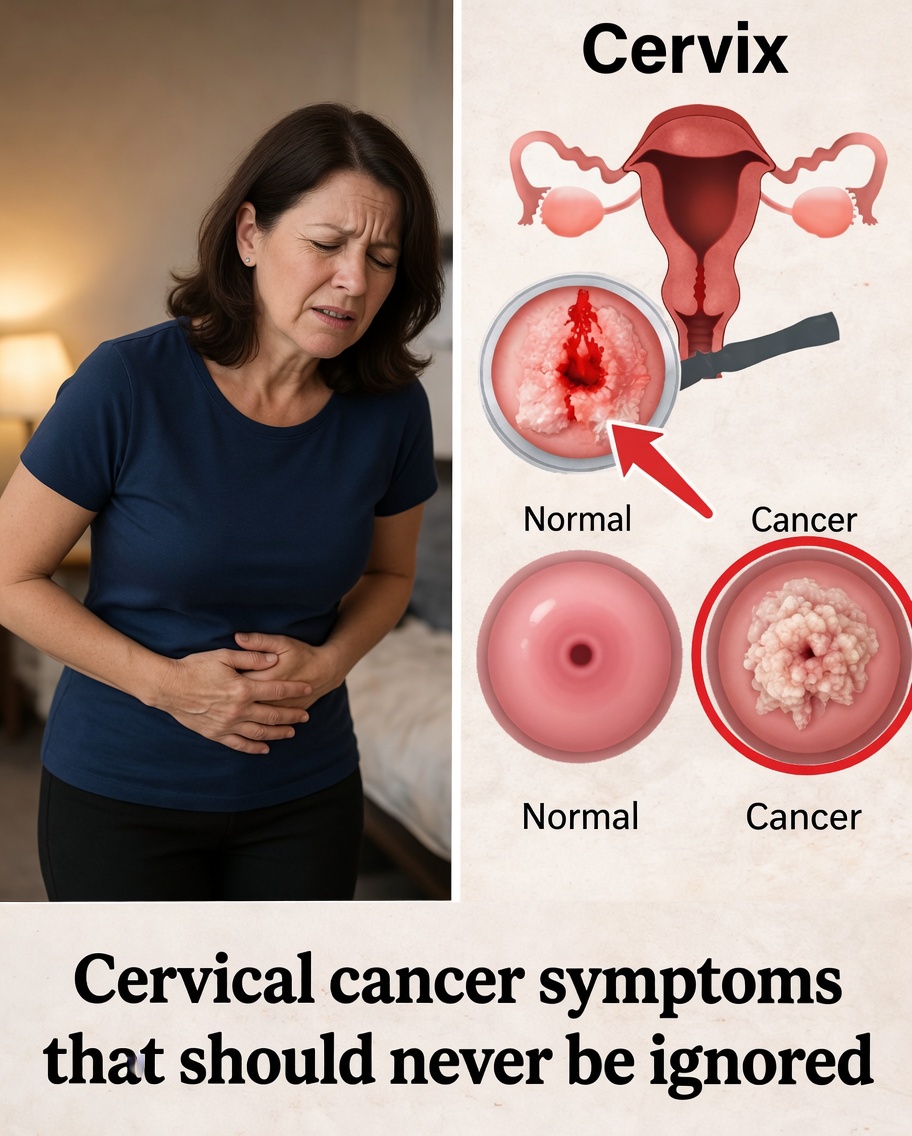
Many of the most important warning signs can look like minor annoyances you might tolerate for weeks or months. Knowing what to watch for—and taking action when something feels off—can make a meaningful difference. You’ll also find one prevention step that research consistently links to a major reduction in risk.
What Is Cervical Cancer?
Cervical cancer develops in the cells of the cervix—the lower, narrow part of the uterus that connects to the vagina. According to global health research, nearly all cervical cancer cases are linked to long-term infection with high-risk types of human papillomavirus (HPV), a very common virus transmitted through sexual contact.
In most people, HPV clears naturally. However, when high-risk HPV persists, it can trigger abnormal cellular changes over time. If those changes aren’t detected and treated early, they can progress into cancer.
A critical point: cervical cancer often produces no symptoms in the beginning. That’s why routine screening is so important—screening can identify HPV infection or precancerous changes long before cancer develops.
Cervical Cancer Symptoms to Watch For
These symptoms do not automatically mean you have cervical cancer. Many are caused by non-cancerous conditions such as infections, hormonal fluctuations, or cervical irritation. Still, if a symptom lasts longer than about two weeks, keeps recurring, or feels unusual for you, it’s worth getting evaluated.
Health organizations such as the American Cancer Society and Mayo Clinic commonly highlight the following warning signs.
1) Abnormal Vaginal Bleeding
This is one of the most frequently reported early clues. Pay attention to:
- Bleeding after sex
- Spotting or bleeding between periods
- Periods that are heavier or last longer than usual
- Any bleeding after menopause (even light spotting)
Postmenopausal bleeding in particular should never be ignored, even if it seems minor.
2) Unusual Vaginal Discharge
Discharge changes can be easy to overlook at first. Consider a checkup if discharge becomes:
- Watery, bloody, or pink-tinged
- Noticeably heavier than your usual pattern
- Strong-smelling or foul odor develops
- Persistently different from what’s normal for you
Infections can cause similar changes, but ongoing or unexplained discharge deserves medical attention.
3) Pain During or After Sex
New discomfort with intercourse—whether it feels like deep pressure, soreness, or sharp pain—can be an important sign to discuss with a clinician. It may feel awkward to bring up, but it’s medically relevant and common enough that providers are used to hearing about it.
4) Pelvic or Lower Back Pain That Doesn’t Resolve
Ongoing pain or aching in the lower abdomen, pelvis, or lower back—especially without a clear cause like injury—can sometimes signal a deeper issue, particularly if it occurs alongside bleeding or discharge changes.
Possible Symptoms in More Advanced Disease
When cervical cancer is more developed, broader body-wide symptoms may appear, such as:
- Ongoing fatigue or reduced appetite
- Unintentional weight loss
- Swelling in the legs
- Changes in urination or bowel habits (often in later stages)
These signs are not specific to cervical cancer, but a cluster of persistent symptoms should be taken seriously.
When to See a Doctor Promptly
Listen to your body and act early. Contact a healthcare professional if:
- Bleeding or discharge changes continue for more than two weeks
- Pain during sex becomes frequent or worsening
- You feel persistent pelvic discomfort or pressure
- Symptoms intensify, or new symptoms appear
Early evaluation often involves straightforward tests that can either reassure you or detect changes when they are easiest to treat.
How Cervical Cancer Is Often Found Early
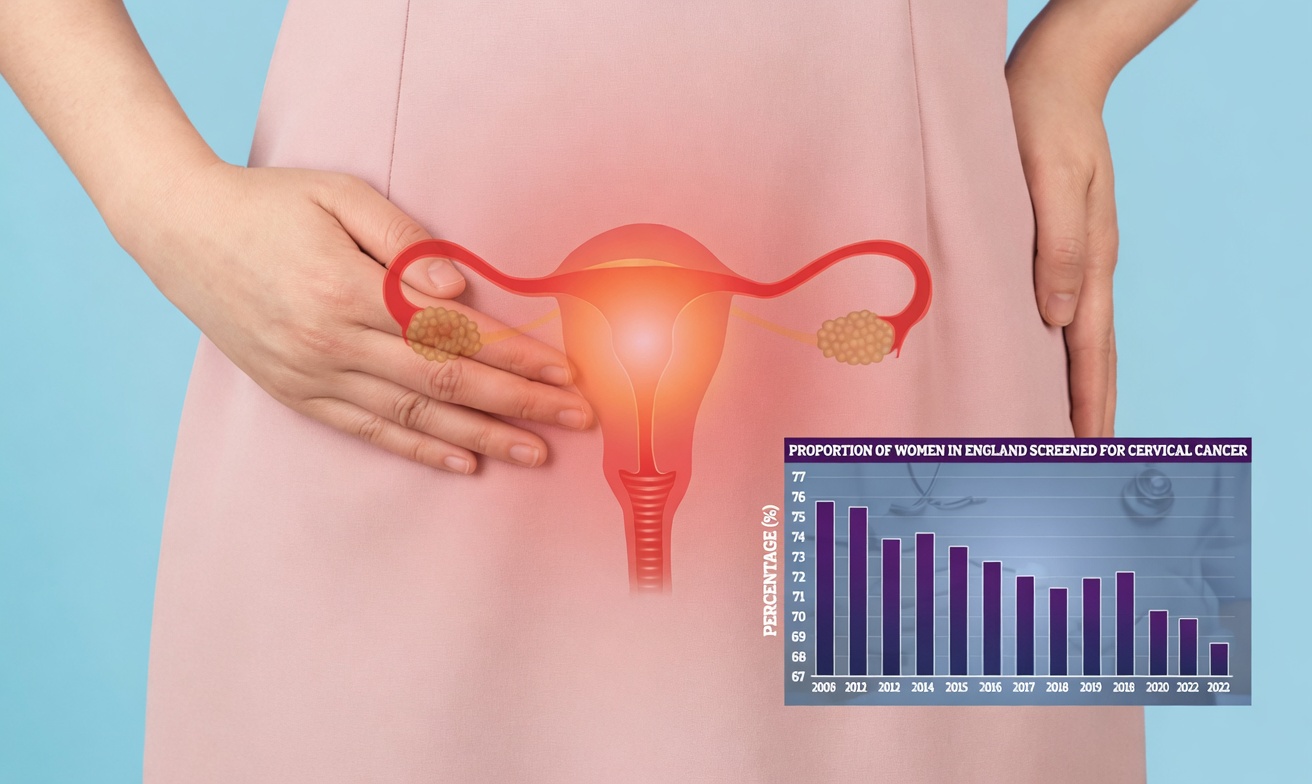
The strongest protection is screening before symptoms begin. Current guidance from the American Cancer Society includes these options for people ages 25–65:
- Primary HPV testing every 5 years (preferred)
- Co-testing (HPV test + Pap test) every 5 years
- Pap test alone every 3 years
In some regions, self-collected HPV testing is becoming more available, offering a more convenient route for certain patients.
These tests can identify HPV infection and precancerous cellular changes years before cancer would develop—one reason cervical cancer rates drop sharply where screening is consistent.
Practical Ways to Lower Your Risk Starting Now
Cervical cancer prevention is highly actionable. The most effective steps include:
Prioritize Routine Screening
- Schedule HPV testing and/or Pap testing based on age and local guidelines.
- Keep follow-up appointments if results are abnormal—follow-up is where prevention becomes protection.
Get the HPV Vaccine If You’re Eligible
- HPV vaccination helps prevent infection from the highest-risk HPV strains.
- Some evidence supports strong protection even with simplified dosing in younger groups.
- Even if you’re older, talk with your clinician—vaccination may still offer benefits depending on your situation.
Strengthen Everyday Health Habits
While no lifestyle habit removes risk entirely, these choices support immune health and lower vulnerability:
- Avoid smoking (it can impair immune response and is linked to higher cervical cancer risk)
- Eat nutrient-dense foods to support immune function
- Practice safer sex to reduce HPV exposure risk
A Simple Step Many People Overlook: Track Patterns
Use a basic app or journal to record:
- Bleeding (timing, amount, triggers like sex)
- Discharge changes
- Pelvic pain and when it occurs
Bringing a clear symptom history to an appointment can help a clinician identify patterns faster and decide which tests are most appropriate.
Key Takeaway: Awareness + Prevention Gives You the Advantage
Noticing possible cervical cancer symptoms early is not about fear—it’s about control. Staying alert to warning signs such as unusual bleeding, persistent discharge changes, and pelvic pain—combined with routine screening and prevention tools like HPV vaccination—puts you in the strongest position to protect your health.
Your body often signals problems quietly before they become loud. Paying attention can change the outcome.
Frequently Asked Questions
What is the most common symptom of cervical cancer?
Abnormal vaginal bleeding—including bleeding after sex, between periods, or after menopause—is the most frequently reported early symptom cited by major medical organizations.
Can cervical cancer exist without symptoms?
Yes. Early cervical cancer often causes no noticeable symptoms, which is why HPV testing and Pap screening are so important.
Does the HPV vaccine help if you’re over 26?
Many guidelines recommend routine vaccination through age 26, with shared decision-making up to age 45 in some cases. The vaccine does not treat an existing HPV infection, but it may still protect against other high-risk strains. Discuss your personal benefit with a healthcare provider.
Disclaimer
This article is for informational purposes only and is not a substitute for professional medical advice. Always consult a qualified healthcare provider for personalized guidance, diagnosis, or treatment. Screening and early detection save lives, but only a clinician can provide recommendations tailored to your health history and needs.