
Everyday Stress, Digestion, and Body Wear: Why Simple Herbs Matter
Modern life can be demanding. Ongoing stress, occasional digestive discomfort, and the everyday “wear and tear” of busy routines can quietly chip away at your energy, mood, and overall comfort. When things like joint stiffness after a long day or bloating after meals start to feel normal, it’s natural to look for gentle, practical ways to support your wellbeing.
Fortunately, many time-tested culinary herbs offer more than taste. Used for generations and increasingly studied today, certain herbs contain bioactive compounds that may help support inflammation balance, digestive comfort, cardiovascular health, and even mental clarity.

Below are six standout herbs, what research suggests about their potential benefits, and easy ways to use them consistently—without overcomplicating your routine.
Turmeric: The Golden Spice for Daily Comfort
Turmeric is known for its bright golden color and its most studied compound, curcumin. Research indicates curcumin may provide antioxidant support and help maintain healthy inflammation levels, which can contribute to overall comfort—particularly for joints.
Reviews of clinical trials suggest curcumin’s anti-inflammatory activity may support wellness areas such as joint function and metabolic balance, including improvements in certain inflammation-related markers when used regularly.
Simple Ways to Use Turmeric
- Mix 1 teaspoon into warm milk or plant-based milk with a pinch of black pepper (often used to improve curcumin absorption) for “golden milk.”
- Add to soups, rice, lentils, or vegetable stir-fries for gentle warmth.
- Blend into smoothies with pineapple, mango, or banana to soften the earthy flavor.
Consistency matters—and combining turmeric thoughtfully with other foods and herbs can enhance how easy it is to use day to day.
Ginger: A Gentle Go-To for Digestive Ease
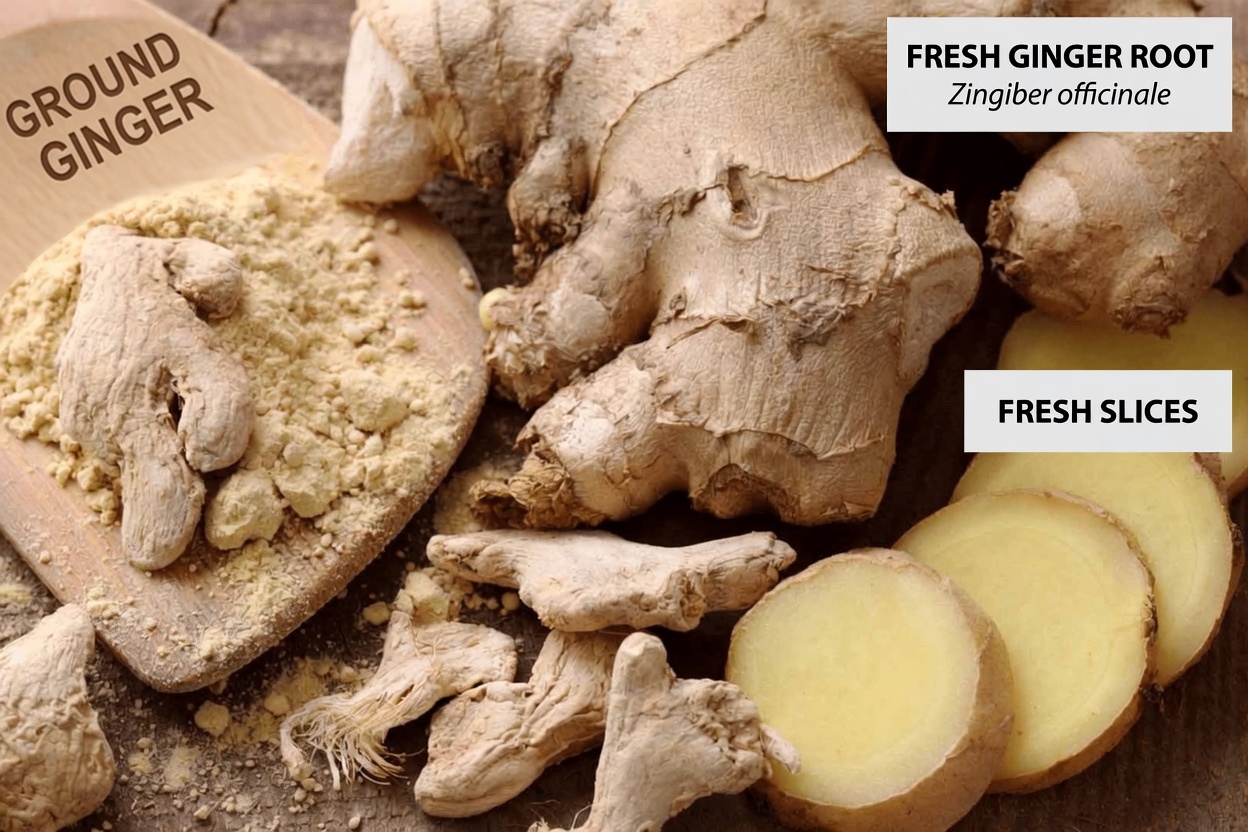
Ginger is prized worldwide for its bold taste and its long history of supporting digestion. Compounds such as gingerol are associated with digestive comfort, occasional nausea relief, and antioxidant effects.
Systematic reviews suggest ginger may be particularly useful for nausea, including nausea related to pregnancy or post-meal discomfort, and may also support healthy gut motility.
Practical Ginger Options
- Steep fresh ginger slices in hot water for 10 minutes to make a simple tea; add lemon or honey if you like.
- Grate ginger into stir-fries, soups, broths, and salad dressings for an instant flavor upgrade.
- Blend into fresh juices or infused water with cucumber and mint.
Many people report the most noticeable results when they use fresh ginger rather than relying only on dried powder.
Garlic: Everyday Support for Heart Health
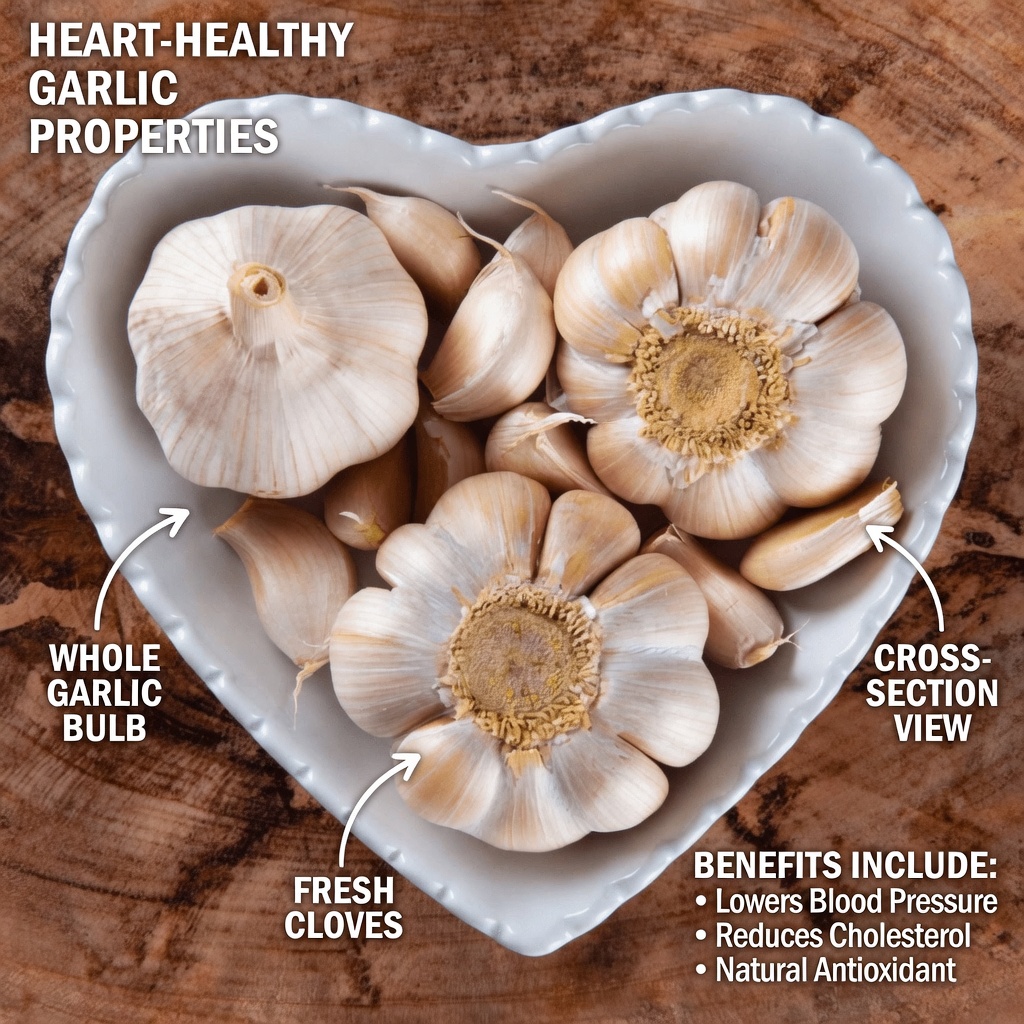
Garlic is more than a kitchen staple—it contains sulfur-based compounds, especially allicin, which forms when garlic is crushed or chopped. These compounds may help support cardiovascular wellness by assisting with healthy blood pressure and cholesterol levels within normal ranges.
Research—including clinical trials and population studies—has linked routine garlic intake with potential benefits such as better circulation and lower oxidative stress.
Easy, Tasty Ways to Eat More Garlic
- Chop or crush fresh garlic and add it near the end of cooking in pasta, sautéed vegetables, and marinades.
- Roast whole garlic bulbs until soft, then spread on toast or mix into mashed potatoes.
- Infuse olive oil with garlic for cooking or dressings (use within a week and store properly for safety).
Key detail: crushing or chopping is what activates allicin—don’t skip it.
Rosemary: Aromatic Antioxidants for Mind and Body
Rosemary’s distinctive, pine-like aroma comes with a rich supply of antioxidants, including rosmarinic acid and carnosic acid. These compounds are studied for their role in helping the body manage oxidative stress and for their potential to support brain function.
Some human research suggests rosemary may help improve aspects of memory, alertness, and processing speed, possibly related to circulation support and neuroprotective activity.
Rosemary Ideas You Can Use Immediately
- Add fresh sprigs to roasted potatoes, carrots, chicken, or fish.
- Infuse olive oil with rosemary for drizzling over salads, beans, or bread.
- Combine rosemary with lemon in herbal tea blends for a refreshing daily sip.
Interesting note: some studies suggest the scent of rosemary alone may be linked to short-term improvements in mental clarity.
Peppermint: Cooling Comfort for an Unsettled Stomach
Peppermint is well known for its cooling menthol content. It may help relax smooth muscle in the digestive tract, which can support comfort when you experience occasional bloating, gas, or abdominal discomfort.
Clinical evidence—including meta-analyses—supports enteric-coated peppermint oil for easing IBS-like symptoms such as abdominal pain and general digestive upset.
Ways to Use Peppermint
- Steep fresh peppermint leaves or a tea bag for 5–7 minutes, then sip after meals.
- Sprinkle chopped leaves onto fruit salads, desserts, or iced drinks.
- Use peppermint aroma in a diffuser for a quick, refreshing reset.
For gentle everyday use, peppermint tea is often the simplest place to start.
Sage: Traditional Support for Memory and Focus
Sage has a long-standing reputation for supporting memory, and modern research continues to explore its role in cognitive wellness. It contains antioxidants and other compounds studied for effects on mood, attention, and mental performance.
Clinical trials suggest sage (as tea or standardized extracts) may improve aspects of memory, attention, and mood in healthy adults, potentially through antioxidant activity and cholinergic support.
Easy Sage Uses
- Season roasted poultry, squash, or stuffing with dried or fresh sage.
- Steep sage leaves in hot water for 5 minutes to make tea; add honey if desired.
- Stir sage into soups, sauces, or bean dishes for a warm, savory depth.
How to Combine These Herbs for Real-World Consistency
The most sustainable “herbal routine” is usually culinary: small amounts used often. Consider simple combinations like:
- Golden milk (turmeric + black pepper) after dinner
- Ginger tea after heavier meals
- Garlic + rosemary in roasted vegetables or proteins
- Peppermint or sage tea in the afternoon instead of an extra coffee
Small, regular habits typically beat occasional high doses.
Choosing and Using Herbs Safely
Culinary amounts (fresh or dried in food) are generally well tolerated for most people. If you want stronger effects through extracts or supplements, quality and safety become even more important.
- Speak with a healthcare professional if you are pregnant, nursing, taking medications (especially blood thinners), or managing chronic conditions—herbs can interact.
- Start with low amounts and pay attention to how you feel.
- Purchase herbs and supplements from reputable brands and sources.
Quick Reference: Which Herb Supports What?
- Inflammation balance / antioxidant support: turmeric, ginger, rosemary
- Digestive comfort: ginger, peppermint
- Heart wellness: garlic
- Mental sharpness: rosemary, sage
Summary
Using turmeric, ginger, garlic, rosemary, peppermint, and sage is a simple, enjoyable way to support daily wellness through meals and drinks. Research highlights their potential antioxidant, anti-inflammatory, and soothing properties—connected to digestion, joint comfort, heart health, and cognitive performance.
These herbs are not substitutes for medical care, but they can be smart additions to a balanced lifestyle. Try adding one or two this week and see how consistency works for you.
Frequently Asked Questions
Can I use supplements instead of food?
Yes. Food-based use provides flavor and fits naturally into meals, while supplements (such as curcumin capsules or enteric-coated peppermint oil) can be more concentrated. Follow label directions and consult a healthcare professional for guidance.
How long does it take to notice benefits?
Digestive changes are often noticed within days to a few weeks with consistent use. Support related to inflammation balance or cognition may take longer—commonly 4–8 weeks in research settings.
Are side effects possible?
Culinary use is typically well tolerated. Higher doses—especially oils or concentrated extracts—may cause issues like heartburn (peppermint) or medication interactions (notably garlic and turmeric). Start small and increase gradually.
Disclaimer
This article is for informational purposes only and does not provide medical advice. Herbs may interact with medications or health conditions. Always consult a qualified healthcare professional before making significant changes, especially if you have medical concerns. Individual results vary.