A Simple Anti-Inflammatory Infused Oil for Everyday Wellness: Olive Oil, Turmeric, and Ginger
Daily life can come with subtle aches, stiffness, or that run-down feeling often linked to oxidative stress and low-grade inflammation. If you’re looking for an easy, food-first way to support your body’s natural balance—without relying only on supplements or major lifestyle overhauls—this homemade infusion is a practical place to start.
By combining extra virgin olive oil (EVOO) with turmeric and ginger, you can add well-studied, naturally occurring compounds to everyday meals. This isn’t a cure or a medical treatment—but it is a flavorful, science-aligned tool that fits nicely into an anti-inflammatory eating pattern.
Why Extra Virgin Olive Oil, Turmeric, and Ginger Work Well Together
This trio makes sense because each ingredient brings a different set of bioactive compounds that research frequently associates with antioxidant and anti-inflammatory effects.
- Extra virgin olive oil (EVOO) is a cornerstone of the Mediterranean diet, one of the most researched dietary patterns for metabolic health. Regular EVOO intake has been associated in studies with improved inflammatory profiles, including lower markers such as C-reactive protein (CRP) and interleukin-6 (IL-6)—often attributed to EVOO’s polyphenols and monounsaturated fats.
- Turmeric contains curcuminoids, especially curcumin, which has been widely studied for its potential role in influencing inflammatory pathways and supporting antioxidant defenses. Reviews of clinical research often highlight curcumin’s ability to modulate mechanisms involved in inflammation.
- Ginger contributes gingerols, compounds linked in research to supportive effects on inflammation and digestive comfort.
Some lab and animal research also suggests that turmeric and ginger together may have complementary (potentially synergistic) effects on pro-inflammatory mediators. Turning them into an infused oil helps you incorporate these compounds into meals in a simple, repeatable way.
Ingredients (Small Batch, Kitchen-Friendly)
You only need three basics to make this turmeric ginger olive oil infusion:
- 250 ml high-quality extra virgin olive oil
- 2 tablespoons turmeric powder (organic is often chosen for purity)
- 1 tablespoon fresh ginger, finely grated
This amount typically lasts for weeks with regular use while keeping the process easy.
How to Make Turmeric and Ginger Infused Olive Oil (Step-by-Step)
To protect EVOO polyphenols and preserve aromatic compounds, this method uses gentle, low heat.
- Pour the extra virgin olive oil into a small saucepan.
- Warm it over very low heat—aim for warm, not hot. Avoid simmering, boiling, or smoking (about 100–110°F / 38–43°C if you’re using a thermometer).
- Add the turmeric powder and fresh grated ginger.
- Stir gently for about 5 minutes, allowing the mixture to begin infusing.
- Remove from heat and let it cool completely.
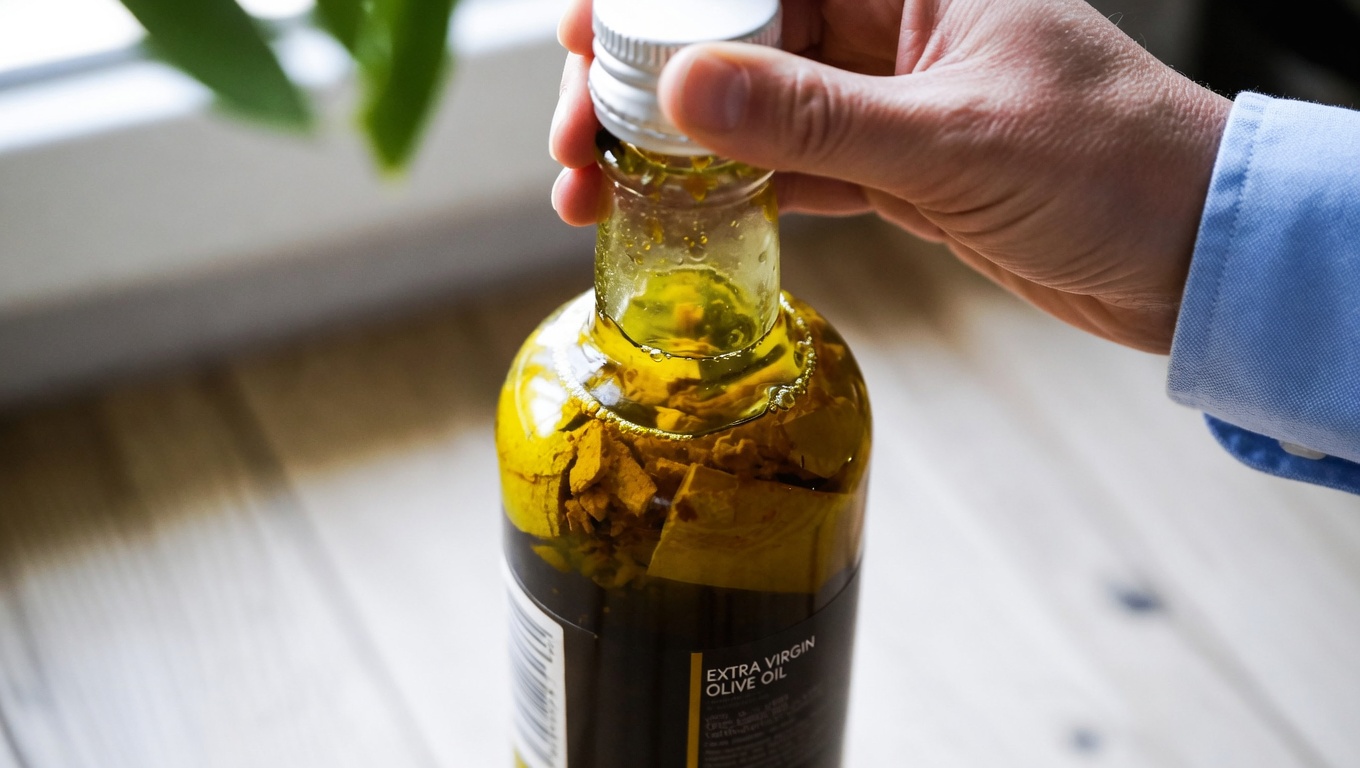
- Pour into a clean dark glass jar (light protection helps preserve quality).
- Let it steep at room temperature for 48 hours, shaking occasionally.
- Strain through a fine mesh sieve or cheesecloth into a second clean jar.
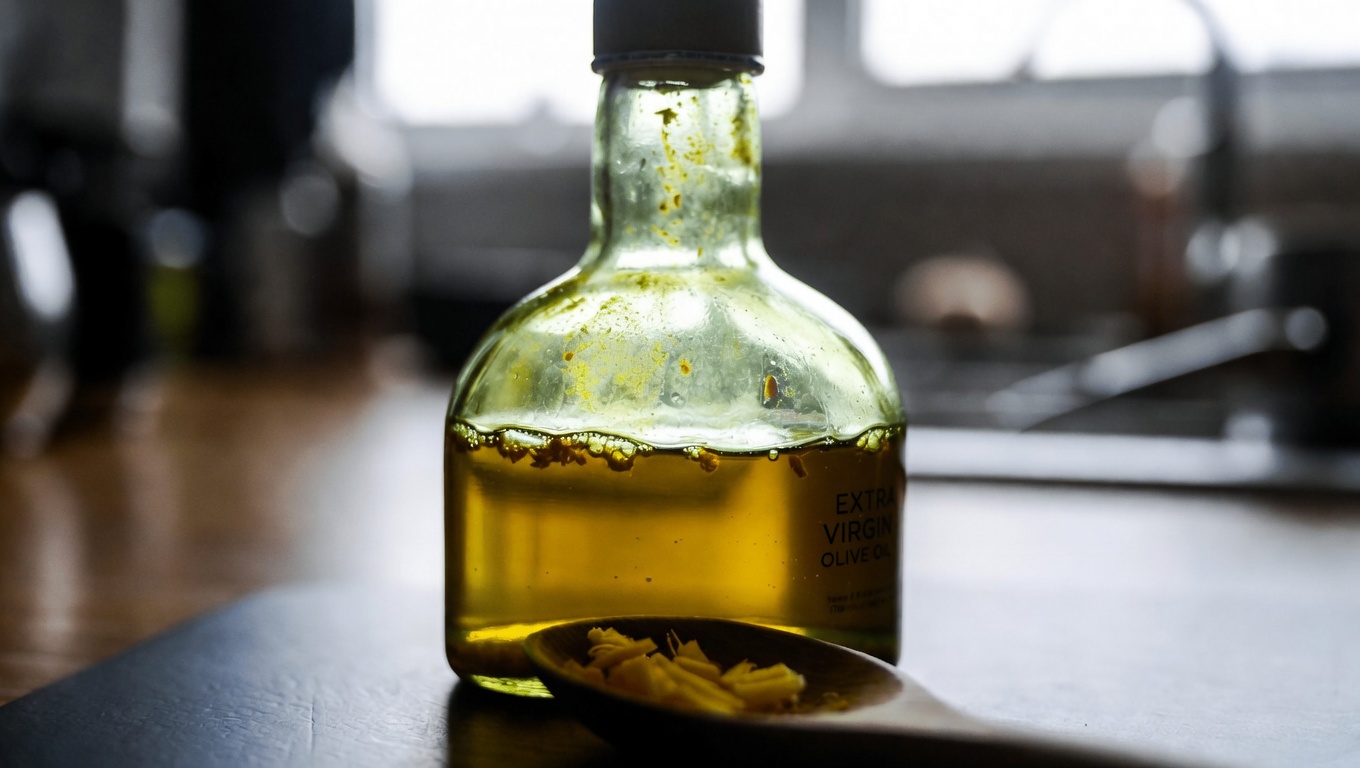
Storage: Keep it in a cool, dark place or refrigerate it. For best quality, use within up to 1 month. The color should be a rich golden tone with a warm, earthy aroma—always discard if it smells “off.”
How to Use This Infused Oil in Meals (Without Overheating It)
For best results, use it as a finishing oil or in low-heat cooking, since high temperatures can reduce delicate compounds.
Try these easy options:
- Drizzle over roasted vegetables right before serving
- Whisk into salad dressings with lemon juice and a pinch of black pepper (often discussed for its potential to improve curcumin bioavailability)
- Spoon over grilled fish, soups, lentils, or grain bowls for gentle warmth
- Use for low-temperature sautéing of eggs or leafy greens
These approaches keep the infusion both enjoyable and practical in everyday cooking.
Potential Benefits Supported by Research (In a Food-Based Context)
When used consistently as part of a balanced diet, this infused oil may support wellness in several evidence-aligned ways:
- Antioxidant support: EVOO polyphenols are associated with reduced oxidative stress, while turmeric curcuminoids and gingerols add complementary antioxidant activity.
- Dietary anti-inflammatory support: Curcuminoids and gingerols have been linked in research to modulation of inflammatory responses. This aligns well with Mediterranean-style patterns, which have shown improvements in inflammatory markers in multiple studies.
- Heart and brain health associations: EVOO intake within Mediterranean-style eating is associated with cardiovascular and cognitive benefits—often discussed in relation to healthier metabolic markers and inflammation balance.
- Consistency over supplements: This is an easy way to add evidence-backed plant compounds to meals using whole-food ingredients, rather than relying solely on isolated products.
A practical point seen across many nutrition studies: meaningful changes tend to appear gradually, especially when paired with overall dietary quality (more whole foods, fewer ultra-processed items), along with movement and sleep.
Quick Tips to Get the Most From It
- Start with 1–2 tablespoons per day, incorporated into meals
- Combine with black pepper in recipes when appropriate
- Pair with a variety of colorful vegetables for broader nutrient coverage
- Monitor changes over weeks, not days
Safety Notes and Realistic Expectations
This infusion is a culinary preparation, not a high-dose supplement and not a medical therapy. It can complement a healthy lifestyle, but it should not replace care for conditions such as arthritis, gout, or other inflammatory disorders.
Keep these points in mind:
-
Choose authentic extra virgin olive oil from reputable sources for best polyphenol content and quality.
-
Use moderate amounts—more isn’t necessarily better, and excess oil increases calorie intake.
-
Speak with a healthcare professional before using regularly if you:
- take anticoagulants (blood thinners)
- have a bleeding disorder
- use medications that affect blood clotting
Turmeric and ginger may influence bleeding risk in sensitive individuals or at higher intakes.
-
Expect slow, steady progress—diet-related benefits often build over consistent weeks or months.
Conclusion
Extra virgin olive oil infused with turmeric and ginger is a delicious, research-informed way to support anti-inflammatory eating. Grounded in Mediterranean diet principles and backed by studies on EVOO polyphenols, curcumin, and gingerols, it’s an easy upgrade that fits seamlessly into daily meals.
Long-term health is built through consistent habits, credible information, and professional guidance when needed.
Disclaimer
This article is for informational purposes only and is not medical advice. Consult a qualified healthcare professional before making dietary changes, especially if you have health conditions or take medications.
FAQ
What makes extra virgin olive oil better for infusions than regular olive oil?
Extra virgin olive oil is minimally processed and generally retains more natural polyphenols and antioxidants than refined oils, making it a stronger choice for an infusion aimed at preserving bioactive compounds.
Can I use ground ginger instead of fresh ginger?
Fresh grated ginger usually delivers the best flavor and aromatic profile. If you only have ground ginger, you can substitute it—use about half the amount and adjust based on taste.
How long does turmeric ginger infused olive oil last, and what’s the best way to store it?
When kept in a dark glass jar in a cool place (or refrigerated), it can stay fresh for up to a month. Always check for unusual odors or rancid notes before using.