Gray strands can show up sooner than you expected—and when they do, it’s common to feel frustrated, self-conscious, or as if a piece of your youthful identity is slipping away. Maybe you’ve noticed more silver around the hairline, experimented with hair dye, and started worrying about harsh chemicals, frequent touch-ups, or long-term damage. With so much contradictory advice online, finding a gentler, more natural approach can feel confusing.
The often-missed truth is this: simple daily habits and a few common at-home ingredients may help your hair look healthier, shinier, and naturally richer over time. And the most surprising insight—what many people overlook—appears near the end.
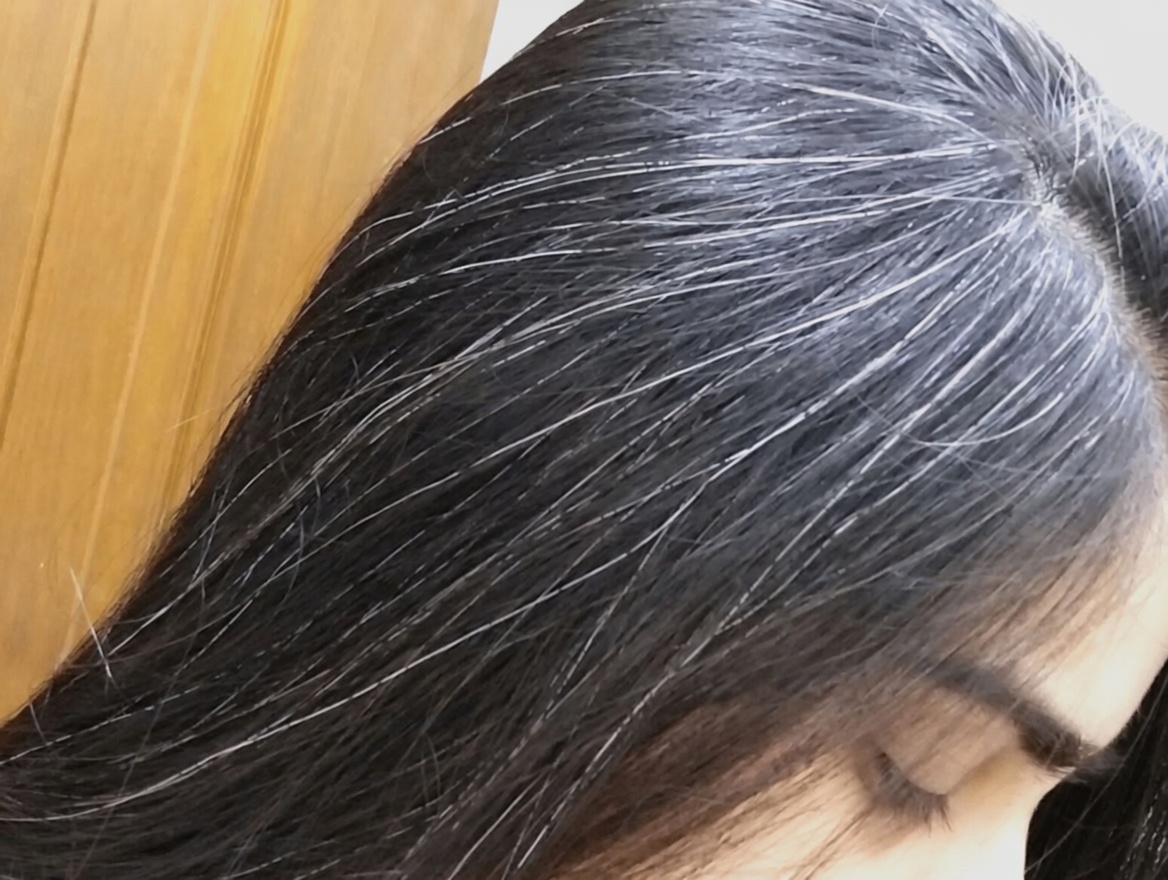
Why Hair Turns White in the First Place
Before trying natural methods for darker-looking hair, it helps to understand what’s happening inside the hair follicle.
Hair color comes from melanin, a pigment made by specialized cells within the hair follicle. Over time, melanin production can slow down—most commonly due to aging and genetics. However, other factors may influence how quickly graying appears, including:
- Chronic stress
- Nutrient deficiencies
- Environmental exposure and overall oxidative stress
Dermatology research suggests oxidative stress (an imbalance between free radicals and antioxidants) may affect pigment-producing cells. While home remedies cannot promise permanent repigmentation, certain routines may support hair vitality and follicle health, which can make gray strands less obvious.
A key takeaway: when hair looks stronger, smoother, and glossier, gray hair often blends in more naturally.
Can White Hair Turn Black Again Naturally?
It’s important to keep expectations realistic.
At this time, there isn’t strong scientific proof that fully white hair can reliably return to its original color for everyone. That said, some evidence suggests that when graying is related to stress or nutritional imbalance, improving lifestyle factors may support pigment function in certain cases.
So what’s the practical goal?
Instead of chasing a guaranteed color reversal, focus on:
- Nutrient support for hair and pigment health
- Scalp care to promote a healthier follicle environment
- Daily protection habits that improve the look and feel of your hair
Everyday Habits That Support Natural Hair Pigment
Small, consistent actions can gradually improve the appearance of your hair.
1) Reduce Stress Consistently
Long-term stress has been linked to pigment changes in research models, likely due to its effects on follicle stem cells and body-wide inflammation.
Try simple options like:
- 10 minutes of deep breathing in the morning
- Gentle stretching or yoga at night
- Short outdoor walks to calm the nervous system
Lower stress supports not only hair health, but overall well-being.
2) Eat for Hair Pigment and Strength
Hair health depends heavily on nutrition. Prioritize foods rich in:
- Vitamin B12: eggs, dairy, fortified cereals
- Iron: leafy greens, beans, lentils
- Copper: nuts, seeds
- Antioxidants: berries, colorful vegetables
A balanced diet supports the body systems involved in healthy hair growth and pigment maintenance.
3) Limit Harsh Chemicals and Heat Damage
Frequent coloring, bleaching, and high-heat styling can weaken the hair shaft—making gray strands look more prominent due to dryness and breakage.
Consider these swaps:
- Reduce heat styling or lower the temperature
- Use gentle, sulfate-free or mild shampoos
- Avoid repeated bleaching whenever possible
Healthier strands reflect light better, giving hair a deeper, fuller appearance.
Popular Home Ingredients People Use for Darker-Looking Hair
These traditional methods are best viewed as cosmetic support rather than guaranteed solutions. Results vary, and most effects are temporary—but many people like them because they’re simple and low-chemical.
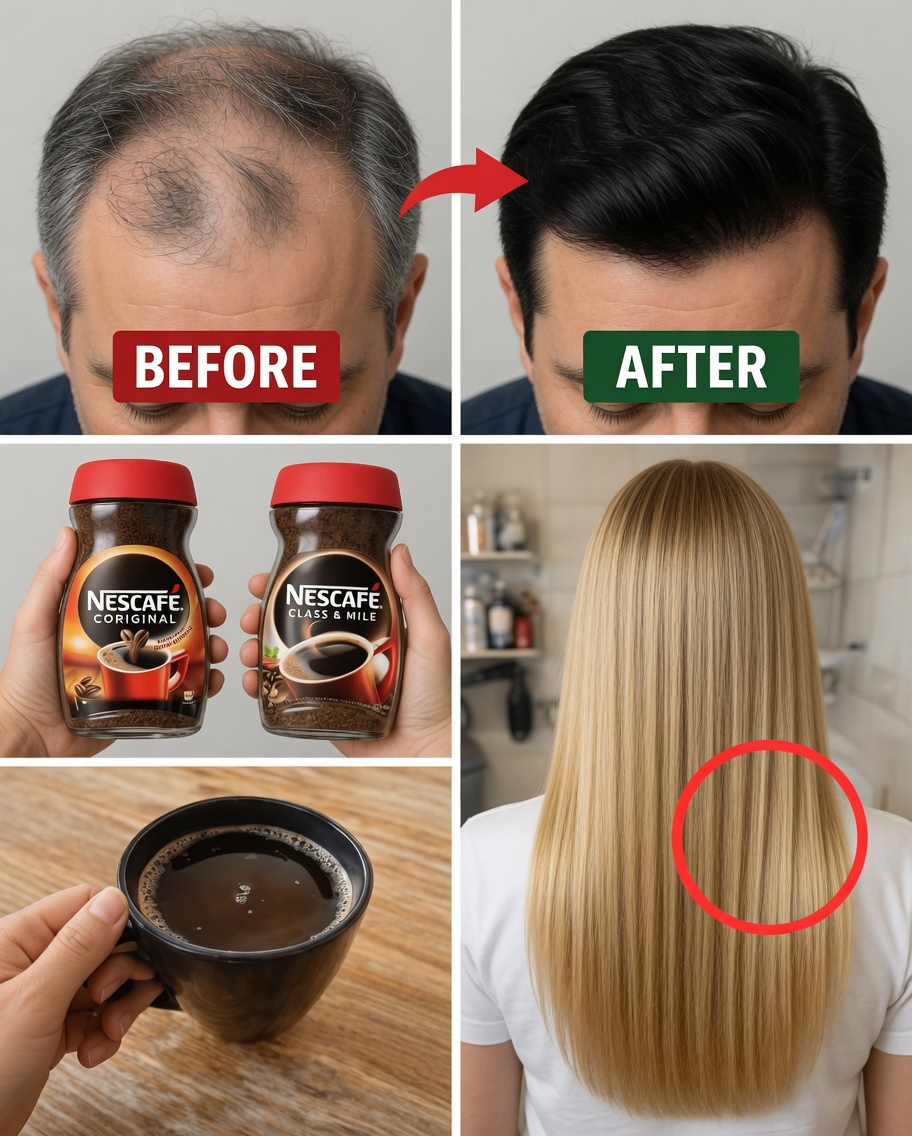
Coffee Rinse
Coffee is often used to add a mild tint and boost shine.
Why people use it:
- May subtly tone down the look of gray strands
- Can enhance shine
- Provides antioxidants for scalp comfort
How to use:
- Brew strong black coffee and let it cool
- Apply to clean, damp hair
- Leave on for about 20 minutes
- Rinse with water (no shampoo immediately if you want the tint to last longer)
The effect typically fades with washing.
Black Tea Rinse
Black tea contains natural pigments that may slightly deepen hair tone with repeat use.
Steps:
- Steep 2 tea bags in hot water
- Let the tea cool fully
- Apply evenly through hair
- Leave for 30 minutes, then rinse
Many people repeat this 1–2 times per week for gradual, cosmetic improvement.
Amla Oil Scalp Massage
Amla (Indian gooseberry) is widely used in traditional hair care.
Potential benefits:
- High in antioxidants
- May support scalp circulation
- Helps hair look smoother and shinier
Warm a small amount of amla oil, massage into the scalp, leave for about 1 hour, then wash gently.
An important detail: regular scalp massage can improve blood flow and scalp condition, which supports hair health regardless of pigment.
Natural Methods vs. Chemical Hair Dye: A Simple Comparison
Here’s a practical way to compare your options:
-
Immediate color change
- Natural methods: subtle, gradual
- Chemical dyes: strong, fast results
-
How long it lasts
- Natural methods: temporary
- Chemical dyes: often lasts weeks
-
Maintenance
- Natural methods: frequent reapplication
- Chemical dyes: regular root touch-ups
-
Chemical exposure
- Natural methods: typically minimal
- Chemical dyes: higher exposure
-
Focus on overall hair health
- Natural methods: usually yes
- Chemical dyes: not always
The “best” approach depends on your priorities: convenience, sensitivity to chemicals, desired intensity, and time.

A Simple Weekly Routine for Darker-Looking, Healthier Hair
If you prefer an easy plan, start here and keep it consistent.
Morning
- Eat a protein-rich breakfast plus fruit
- Drink water soon after waking
- Do 5 minutes of slow breathing
Afternoon
- Choose a balanced meal with leafy greens
- Cut down on frequent sugary snacks
- Add light movement (a walk counts)
Evening
- Massage scalp with a natural oil 2–3 times per week
- Wash with a mild shampoo and avoid very hot water
- Aim for at least 7 hours of sleep
Consistency matters more than intensity. Visible changes in hair shine and texture often take weeks to months, not days.
Lifestyle Factors That Can Influence Graying Over Time
A few additional factors can affect how quickly gray appears—or how noticeable it looks.
Smoking
Studies have linked smoking with earlier graying. Cutting down or quitting supports health overall and may benefit hair longevity.
Sun Exposure
Too much sun can dry out hair and degrade its surface, reducing shine. A hat during long outdoor periods can help protect strands.
Hydration
Dry, dehydrated hair looks dull, which increases contrast and makes gray appear more prominent. Staying hydrated and conditioning regularly can improve richness and softness.
The Hidden Factor Most People Overlook: Shine and Contrast
Gray hair stands out not only because it’s lighter—but because surrounding hair often lacks smoothness and shine.
When hair is:
- Smooth
- Moisturized
- Protected from breakage
…it reflects light more evenly. Dark strands appear deeper, and gray strands blend more naturally. In many cases, improving hair quality creates a bigger visual change than trying to force pigment to return.
When to Seek Professional Guidance
Consider speaking with a qualified health professional if graying happens very suddenly, or if it comes with:
- Hair thinning
- Scalp irritation
- Patchy hair changes
They may evaluate factors such as:
- Nutritional status
- Hormonal balance
- General health conditions
Sometimes correcting an underlying issue leads to noticeable improvements in overall hair appearance.
Final Thoughts
Gray hair is a normal part of life for many people, and it doesn’t automatically signal a problem. While there’s no guaranteed natural method to permanently turn white hair black, daily nourishment, stress management, gentle scalp care, and strand protection can support healthier, darker-looking hair over time.
And here’s the “surprising part” from the beginning: often the real goal isn’t forcing pigment to change—it’s building such strong, glossy, well-conditioned hair that gray becomes a soft highlight rather than something you feel you need to hide.
Frequently Asked Questions
Can white hair turn black again naturally?
In many cases, once a hair strand has lost pigment, it won’t fully return to its original color. However, if graying is influenced by stress or nutritional imbalance, improving lifestyle and nutrient intake may support healthier pigment function in some individuals—and can significantly improve shine and overall appearance.