Don’t Ignore Quiet Urine Changes: Early Clues Your Kidneys May Be Under Stress
Small shifts in your urine can seem insignificant—especially when you’re busy and nothing hurts. But when the body sends subtle signals, dismissing them can allow minor problems to become bigger ones over time. Many people only think about kidney health once pain shows up, even though early warning signs often appear in the bathroom long before discomfort starts.

Why Urine Can Reveal Kidney Health Issues Early
Your kidneys do much more than “make urine.” They filter waste, maintain fluid balance, and help regulate electrolytes and minerals in the bloodstream. When kidney function is strained, changes may show up in your urine’s appearance, color, smell, or frequency.
Health organizations such as the National Kidney Foundation emphasize that early kidney problems can develop quietly. That’s why visible urine changes may be among the first noticeable hints that something is off.
At the same time, not every urine change is dangerous. Dehydration, diet, medications, and intense exercise can all temporarily affect urine. The key is to watch for patterns that persist, not one-off events.
Below are nine urine-related symptoms worth paying attention to.
1. Persistent Foamy or Bubbly Urine
A few bubbles can be normal—especially if urine hits the toilet quickly. But urine that repeatedly looks frothy, similar to soap suds, may suggest protein in urine (proteinuria).
Protein is supposed to remain in your bloodstream. If kidney filters aren’t working efficiently, protein can leak into urine. Persistent protein in urine is often discussed in research as an early marker of kidney strain.
Things to notice:
- Foam that lingers longer than a few seconds
- Thick, frothy urine appearance
- The same pattern returning over multiple days
If foamy urine also appears with swelling in the hands, feet, or ankles, it’s a stronger reason to get checked.
2. Dark Brown or Cola-Colored Urine
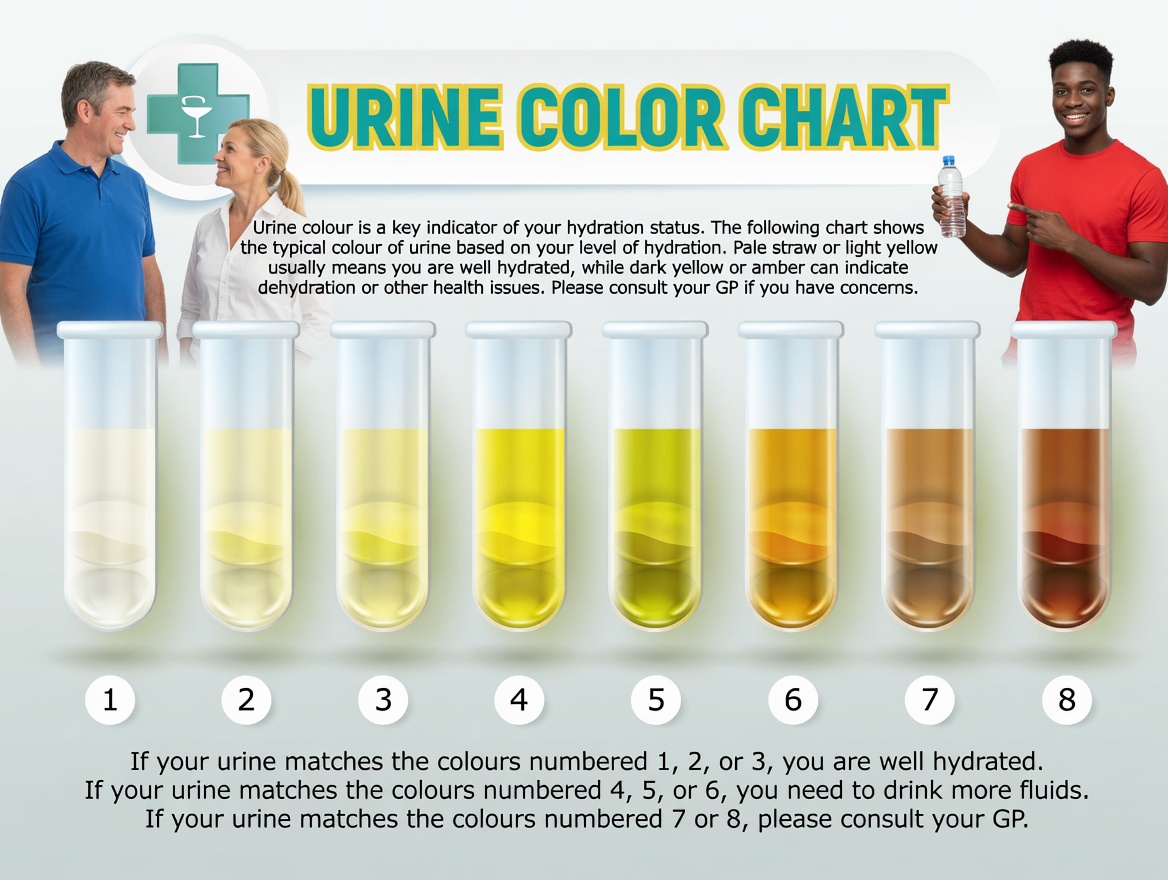
Urine can darken when you’re dehydrated, but brown or cola-colored urine that doesn’t improve after rehydration deserves attention.
This shade may be associated with:
- Breakdown of red blood cells
- Muscle injury-related byproducts
- Liver concerns
- Kidney filtration problems
It’s easy to assume “I just need more water.” Sometimes that’s true—but if hydration doesn’t lighten the color, don’t ignore it.
3. Pink or Red Urine
Seeing pink or red urine can be alarming. Blood in urine, called hematuria, may be clearly visible or so subtle you wouldn’t notice without testing.
Possible causes include:
- Urinary tract infections (UTIs)
- Kidney stones
- Inflammation
- Structural kidney or urinary tract issues
Some foods (like beets) can also tint urine red, so context matters. Still, repeated red-tinged urine should always be taken seriously. Clinical findings also suggest that even microscopic blood (not visible to the eye) can sometimes reflect kidney stress.
4. Extremely Pale or Clear Urine All Day Long
Light-colored urine often indicates good hydration—but there’s a difference between occasionally pale urine and urine that is constantly clear, especially if you’re also urinating frequently.
Because kidneys regulate water balance, ongoing overly diluted urine may suggest a shift in fluid regulation.
A practical way to think about it:
- Pale urine after drinking water is normal
- Constantly clear urine despite moderate intake may be worth discussing with a clinician
Health is usually about balance, not extremes.
5. Frequent Nighttime Urination (Nocturia)
Getting up once at night can be normal. But waking multiple times to urinate—especially if it’s new—can point to changes in kidney or urinary function.
When filtration efficiency changes, the body may shift fluid handling and increase urine production overnight.
Monitor closely if:
- You wake up more than twice each night
- The pattern is new and continues
- Sleep quality is consistently disrupted
Poor sleep alone affects overall health, so this sign shouldn’t be brushed aside.
6. Noticeably Reduced Urine Output
If you’re drinking about the same amount but producing much less urine, this may reflect reduced filtration.
It may show up as:
- Urinating far less than usual
- More concentrated, darker urine
- Swelling in hands, feet, or ankles
A commonly missed detail: reduced output paired with fatigue or shortness of breath should be evaluated promptly.
7. Cloudy Urine With a Strong Odor
Cloudiness can result from infection, dehydration, or mineral buildup. If kidneys struggle to manage waste effectively, urine clarity may change.
Signs that deserve attention:
- Cloudy urine that doesn’t go away
- Unusually strong or foul smell
- Burning or pain during urination
UTIs are a frequent cause, but if infections recur, kidney involvement can sometimes contribute.
8. Swelling That Occurs Alongside Urine Changes
Swelling in the face, hands, feet, or ankles can appear when kidneys have difficulty balancing salt and fluids. When that regulation is disrupted, fluid may collect in body tissues.
Studies often link fluid retention plus protein in urine with early kidney strain. If swelling and foamy urine occur together, that combination is especially important to note.
9. Ongoing Fatigue Combined With Urine Changes
Fatigue may not seem related to urination, but kidneys help support red blood cell production through hormone signaling. If kidney function declines, anemia may develop, leading to persistent tiredness.
Watch for:
- Unusual, ongoing exhaustion
- Pale skin
- Shortness of breath with minimal effort
When fatigue overlaps with visible urine changes, it may signal a deeper issue worth evaluating.
Quick Reference: Common Urine Changes and What They May Suggest
- Foamy urine — possible protein leakage — monitor if it persists for several days
- Pink/red urine — possible blood — monitor closely if not linked to food or exercise
- Dark brown urine — concentration or breakdown byproducts — monitor if hydration doesn’t improve color
- Frequent nighttime urination — possible fluid balance changes — monitor if it regularly disrupts sleep
- Reduced urine output — possible filtration issues — monitor especially if swelling is present
This isn’t meant to create fear. It’s a practical way to spot recurring patterns.
What You Can Do Today to Monitor Kidney Health
You don’t need complicated equipment to be proactive. These simple steps can help you take control of early warning signs.
-
Track urine changes for 7 days
- Color
- Frequency
- Foam or odor
- Related symptoms (swelling, fatigue, pain)
-
Hydrate consistently
- Sip throughout the day rather than drinking large amounts at once
- Urine is often healthiest when it’s light yellow, not perfectly clear
-
Reduce excess sodium
- High salt intake can increase fluid retention and strain kidney function
- Prioritize fresh foods and limit heavily processed options
-
Keep up with routine screenings
- Yearly exams often include urine tests and blood work
- Public health research consistently shows early detection improves long-term outcomes
-
Get medical advice if symptoms persist
- If changes last more than a few days—or appear with swelling, fatigue, or pain—consult a qualified healthcare professional
- Early evaluation doesn’t automatically mean something serious; it provides clarity and direction
The Overlooked Urine Sign Many People Rarely Mention
Most people focus on urine color, but one of the most frequently dismissed signs is persistent foamy urine. Because it can seem temporary or harmless, many people don’t bring it up—yet ongoing foam can be an early clue of protein leakage and kidney stress.