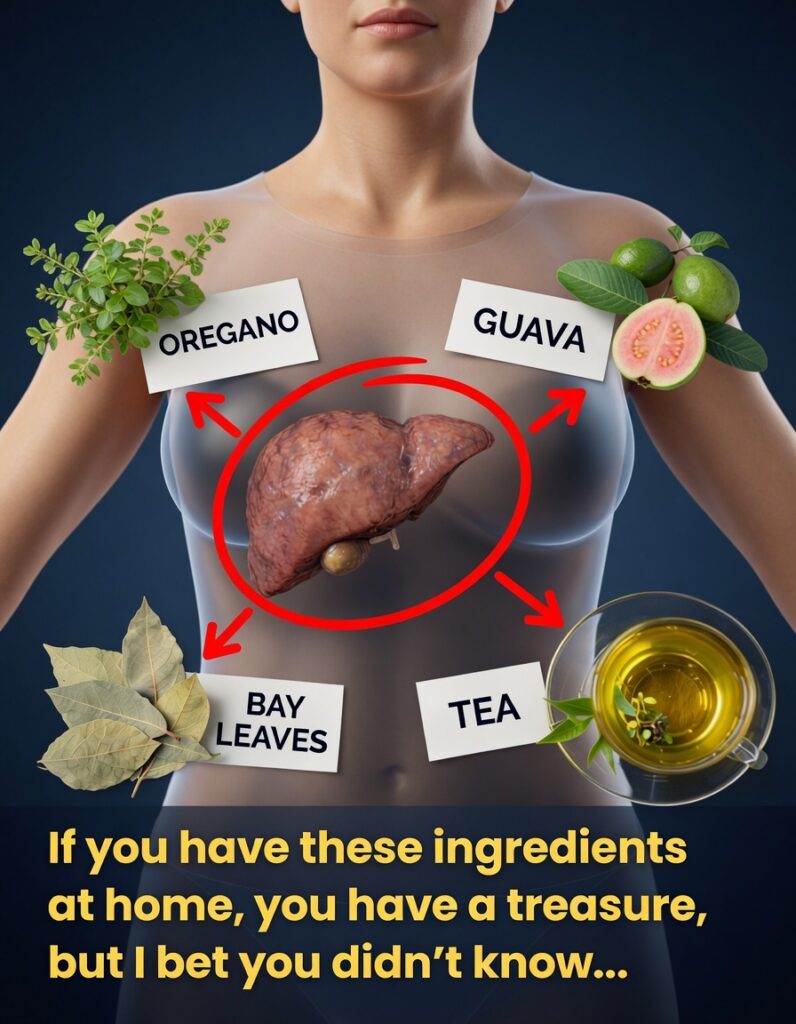
Many people today feel weighed down by daily pressures that can influence liver function, blood pressure balance, digestion, and overall energy. A nutrient-poor diet, low physical activity, and environmental stressors often show up as persistent tiredness, occasional bloating, and growing concerns about cardiovascular wellness. Fortunately, traditional herbal practices offer gentle, nature-based options to support everyday well-being.
One easy approach is a calming infusion made from guava leaves, bay leaves, and oregano—three plants widely used across cultures for their naturally occurring beneficial compounds. In this guide, you’ll learn why this blend has drawn interest, what emerging research suggests, how to make it, and how consistent use may help it fit into a sustainable wellness routine.
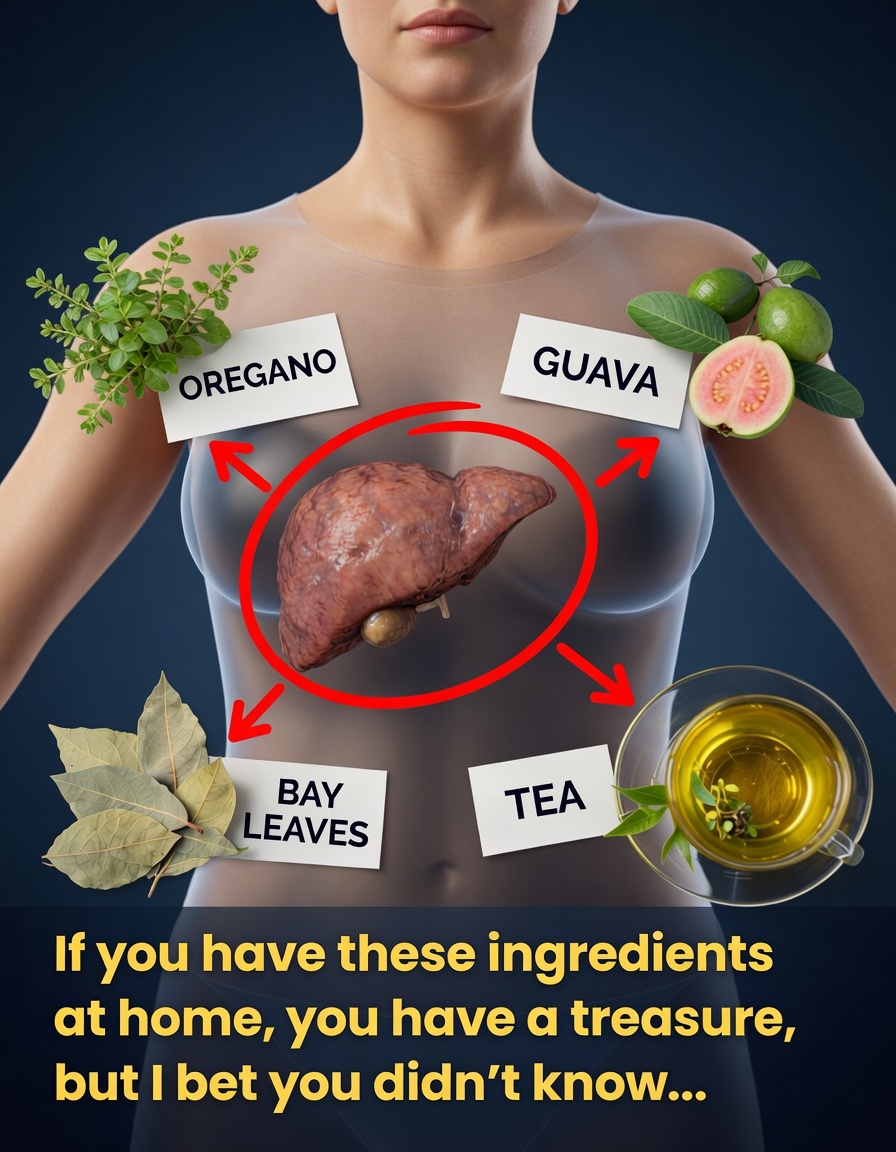
Why Guava Leaf, Bay Leaf, and Oregano Tea Is Getting So Much Attention
Herbal teas have supported wellness traditions for generations. What makes this trio especially interesting is the range of bioactive plant compounds each ingredient contributes—such as antioxidants and phenolic substances that may help the body handle everyday oxidative stress.
- Guava leaves have been studied for potential support in metabolic balance, including blood sugar-related pathways and heart-friendly effects. Some findings suggest guava leaf compounds may influence enzymes involved in glucose processing and may support healthy blood pressure in certain experimental settings.
- Bay leaves (commonly used in cooking) have been explored for possible circulation support and mild diuretic-like effects. Early research and traditional use also associate bay leaf with digestive comfort.
- Oregano contains notable compounds such as carvacrol, widely studied for antimicrobial and anti-inflammatory activity in lab and animal research—often linked to gut support and healthier inflammation markers.
Combined as a tea, they create a fragrant, flavorful drink that many people enjoy—while potentially offering broad, gentle wellness support.
Potential Benefits Suggested by Tradition and Emerging Research
Below are key areas where traditional use and early scientific exploration overlap. Keep in mind that many studies are preliminary, and results can vary by person.
-
May support liver wellness
Guava leaf antioxidants have shown protective potential for liver cells in some animal studies, including models related to fatty liver. Bay leaf and oregano contribute additional phenolic compounds that may complement antioxidant defense. -
May promote healthier blood pressure balance
Bay leaf and oregano contain compounds that may support blood vessel relaxation, while guava leaf research has been associated with modest cardiovascular support in selected trials. Together, they may contribute to everyday circulatory comfort. -
May help with blood sugar management
Guava leaves are frequently highlighted in research for potential hypoglycemic activity, including effects related to carbohydrate breakdown and insulin sensitivity in lab and animal studies. -
May improve digestive comfort
This blend is often used for easing occasional bloating, gas, or mild indigestion. Oregano is associated with antispasmodic properties, and bay leaf has long been used traditionally to support the stomach. -
May strengthen antioxidant defenses
All three plants contain natural antioxidants that may help protect cells from free-radical damage and support immune resilience over time. -
Other possible supportive roles
Some traditional and early research discussions include support for cholesterol balance, mild inflammation-related comfort (including joints), and gentle metabolic support for those pursuing weight-management goals.
Beyond the compounds themselves, the routine of preparing tea can also encourage calm, consistency, and better daily habits—factors that matter in holistic wellness.
The Key Medicinal Profiles of Each Ingredient
Guava Leaves
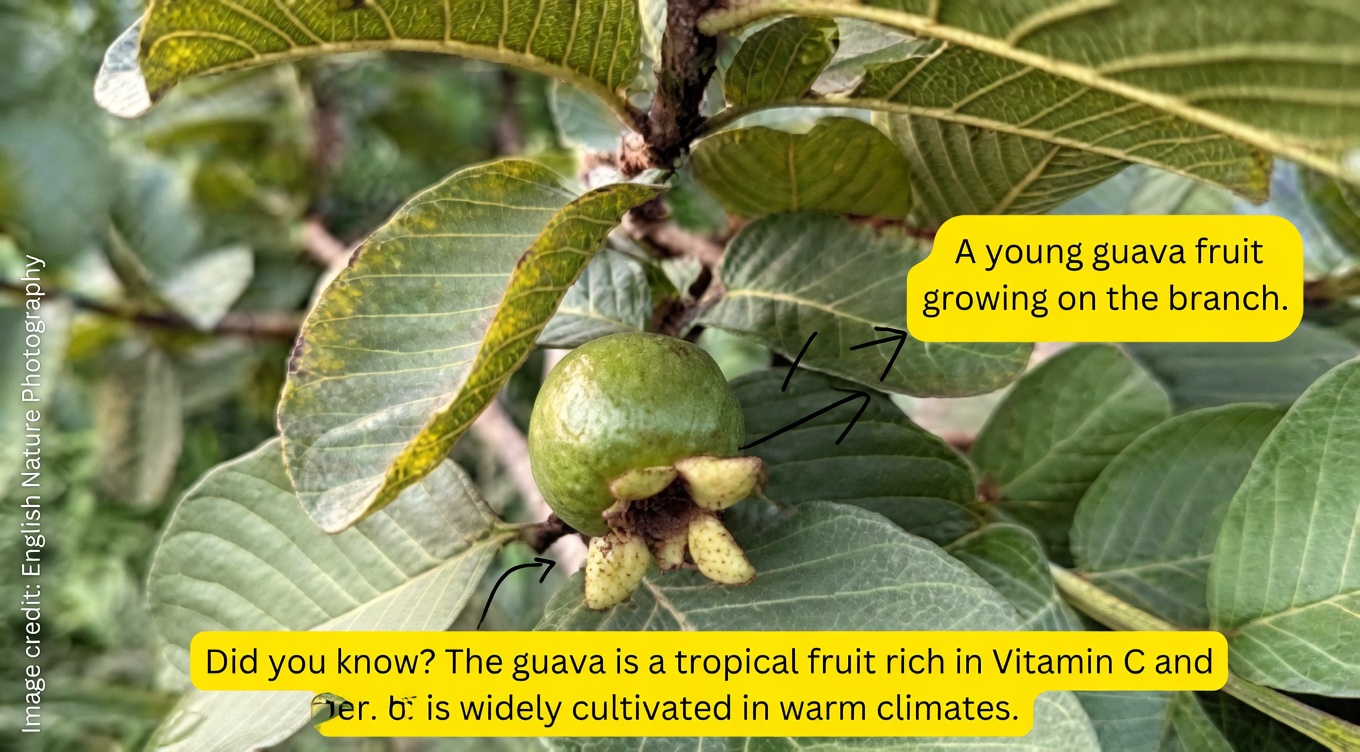
Guava leaves are rich in flavonoids (including quercetin), which are valued for antioxidant activity and potential metabolic support. Traditional uses often include digestive support and antimicrobial applications.
Bay Leaves
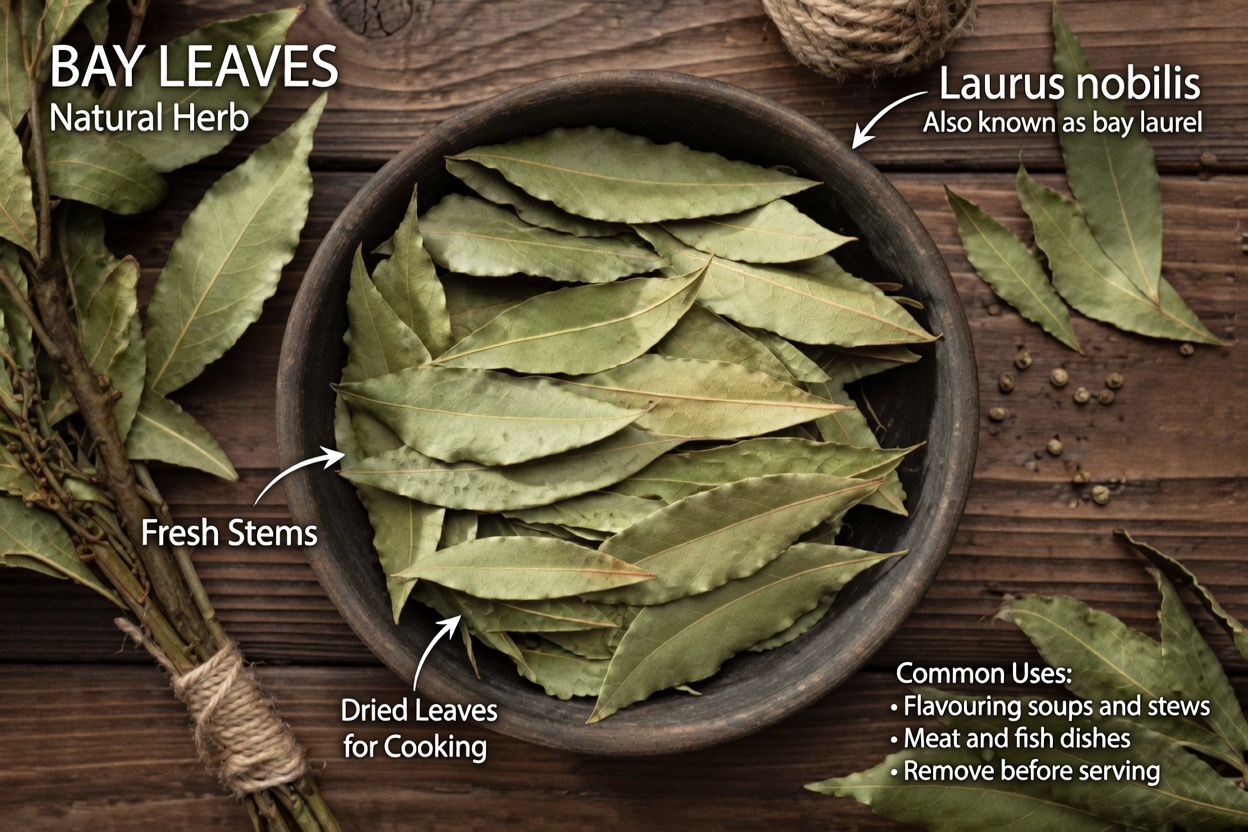
Bay leaves contain aromatic oils and plant compounds that may support circulation and fluid balance. They’re also commonly used in traditional wellness for gas, cramping, and respiratory comfort.
Broadleaf Oregano
Oregano is known for potent constituents such as thymol and carvacrol, often discussed for antimicrobial support, inflammation modulation, and immune-related benefits.
How to Make Guava Leaf, Bay Leaf, and Oregano Tea (Step-by-Step)
This recipe makes about 1 liter and is designed to extract helpful compounds without turning overly bitter.
Ingredients
- 5 guava leaves (fresh or dried)
- 3 bay leaves
- 1 tablespoon broadleaf oregano (fresh or dried)
- 1 liter water
- Optional: 1 teaspoon honey or juice of 1/2 lemon (for taste)
Instructions
- Bring 1 liter of water to a boil.
- Add guava leaves, bay leaves, and oregano.
- Lower the heat and simmer gently for 10 minutes.
- Turn off the heat and let it steep for 5 more minutes.
- Strain into a cup or teapot.
- Drink warm. Add honey or lemon if you want a softer flavor.

How to Add This Herbal Tea to Your Routine
For steady, everyday support, many people prefer a simple schedule:
- Drink 1 cup in the morning, ideally on an empty stomach.
- Optionally, have a second cup in the evening before bed.
- Try it for 3 weeks, then take a 1-week break to evaluate how you feel.
- Repeat if it suits you—paying attention to your body’s signals.
Consistency can be the surprising factor: some people report noticing gradual improvements in comfort or energy after several weeks of regular use.
Precautions and Safety Notes
This tea is often well tolerated, but smart use matters:
- Keep intake to 1–2 cups per day to reduce the risk of mild stomach upset.
- Avoid use during pregnancy or breastfeeding unless a clinician approves (some herbs may be stimulating or unsuitable in certain situations).
- If you take medications—especially for blood pressure, blood sugar, or heart conditions—talk to a healthcare professional first, as interactions may occur.
- Use caution if you have known sensitivities to plants in similar families (oregano is in the mint family).
- Discontinue if you notice unusual symptoms or reactions.
Conclusion: A Simple Herbal Ritual for Everyday Wellness Support
Guava leaf, bay leaf, and oregano tea can be an affordable, accessible way to support liver health, blood pressure balance, digestion, and antioxidant protection. Grounded in traditional use and increasingly discussed in emerging research, it may be a practical wellness ritual for those seeking gentle, plant-based support.
Small daily habits—repeated consistently—often create the most meaningful long-term changes.
Important Disclaimer: This content is for informational purposes only and does not provide medical advice. It is not intended to diagnose, treat, cure, or prevent any disease. Consult a qualified healthcare professional before starting any new herbal routine, especially if you have a medical condition or take medications. If symptoms persist or worsen, seek professional care promptly.
FAQ
-
Can I drink this tea every day?
Many people do well with 1–2 cups daily, ideally with periodic breaks and mindful monitoring of how they feel. -
Is this tea appropriate for people with diabetes or high blood pressure?
It may offer supportive potential, but because it could interact with medications, it’s best to consult your doctor first. -
What if the flavor is too strong?
Add a small amount of honey or lemon to smooth the taste without masking the herbal character.