A Simple End-of-Day Reset: Clove Foot Soaks for Tired Feet and a Calmer Mind
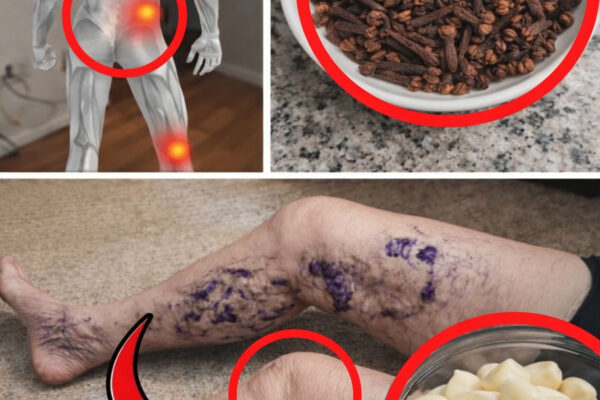
After a long day on your feet, it’s common to come home feeling drained—aching soles, a little swelling, and that lingering tension that makes it hard to truly relax. For many women, foot discomfort becomes part of daily life, turning even quiet evenings into another hurdle.
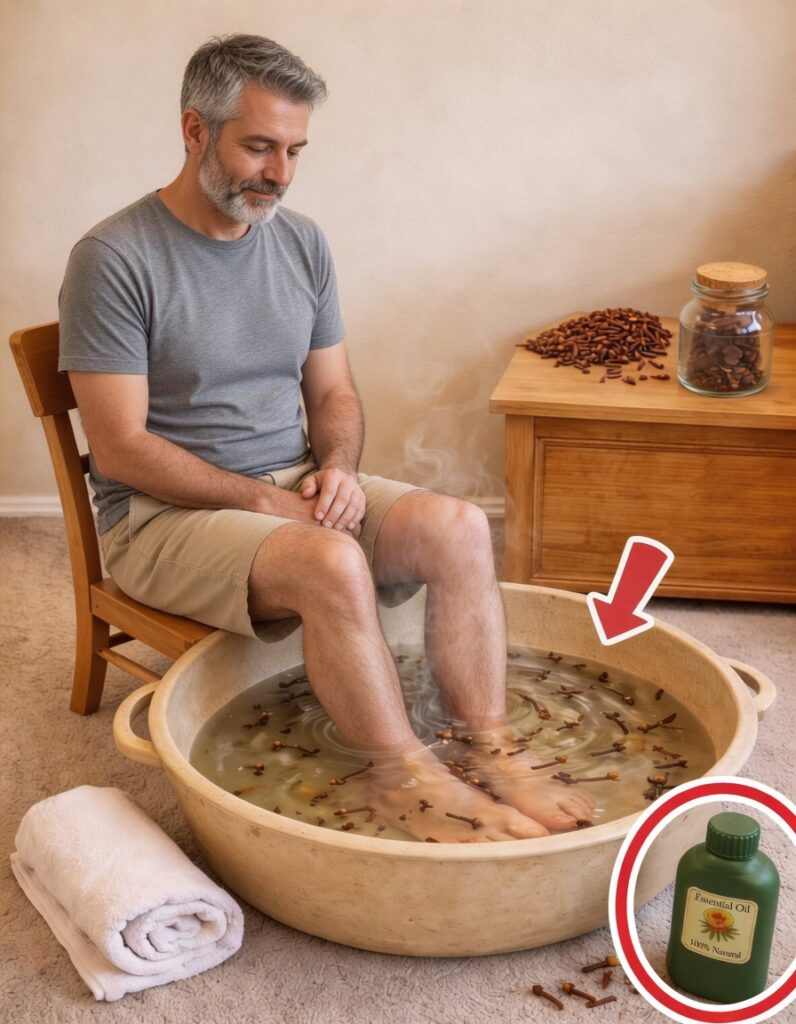
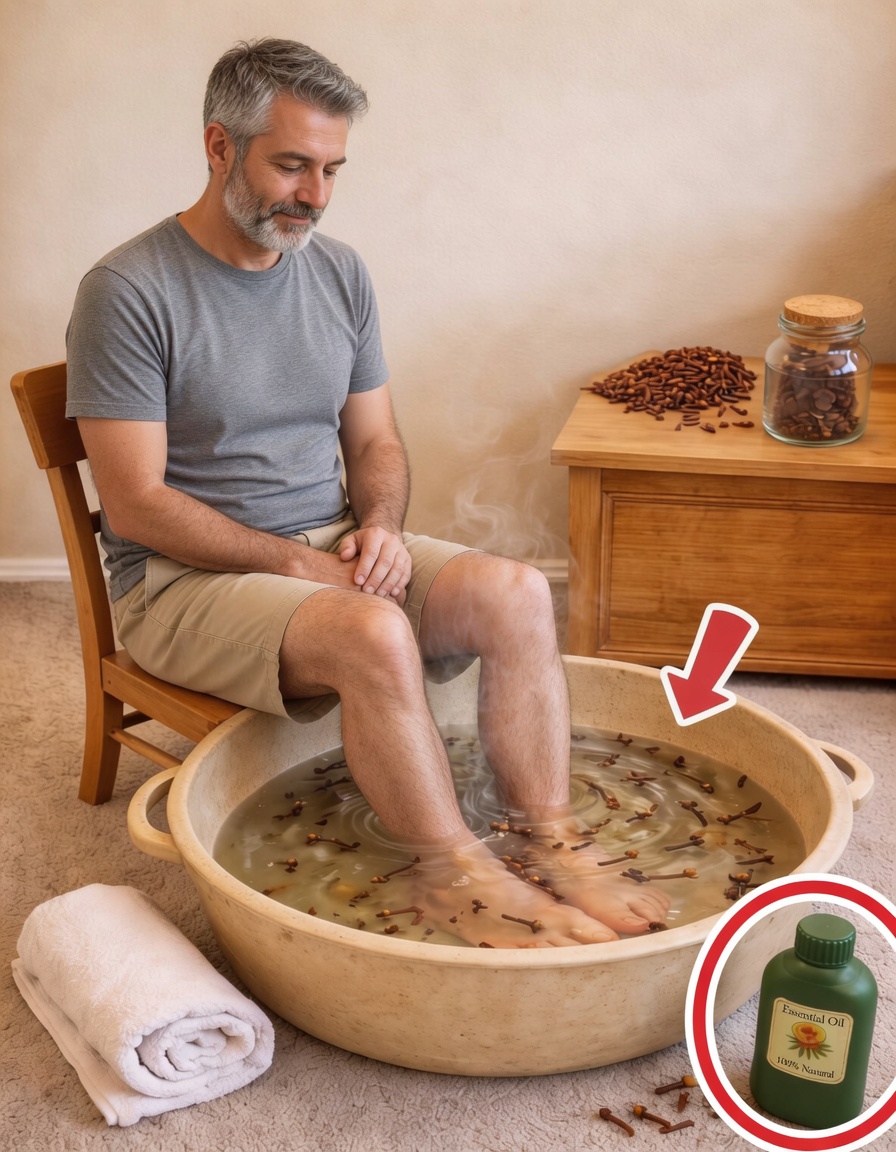
A gentle self-care habit can make a difference. One surprisingly easy option uses an everyday kitchen spice: cloves. With warm water and a few whole cloves, you can create a calming foot soak that feels comforting, smells amazing, and may offer added support for everyday foot freshness and relaxation.
Why Cloves Are Used in Wellness Traditions
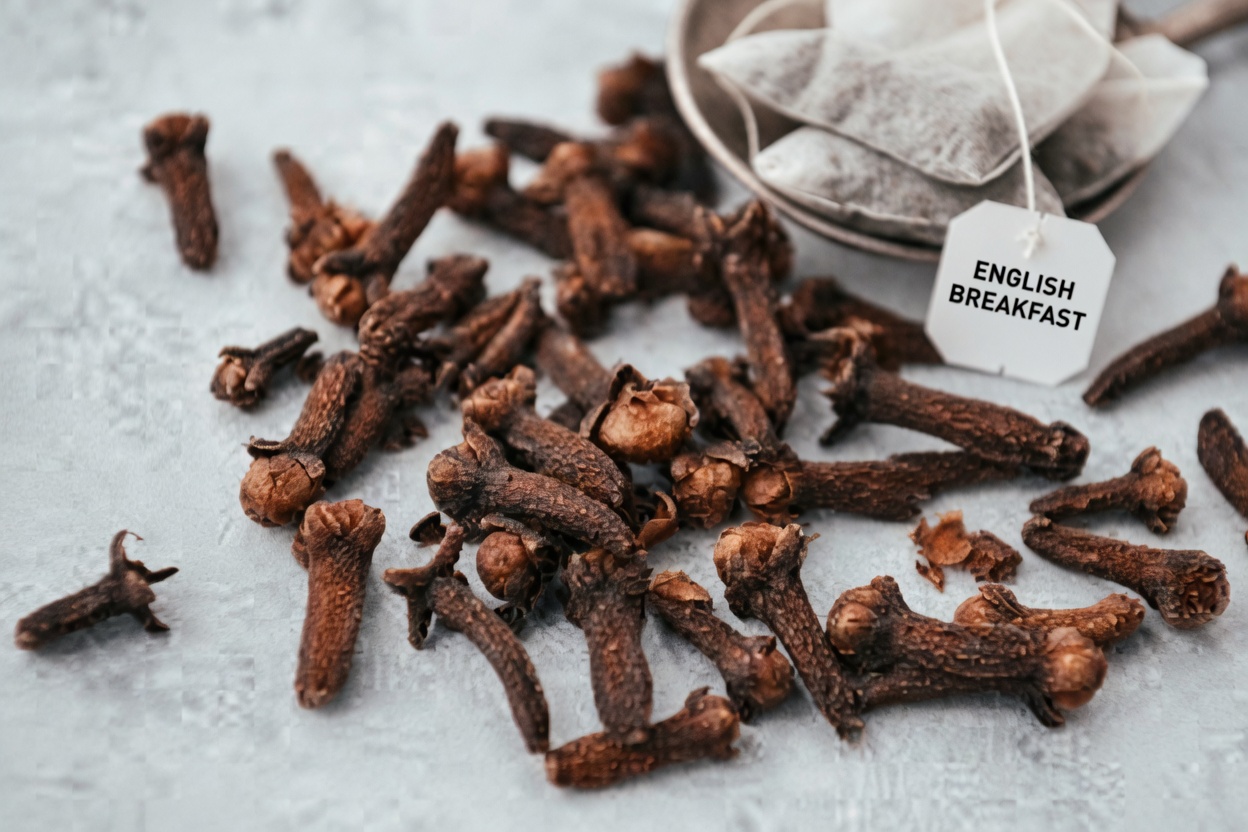
Cloves are the dried flower buds of Syzygium aromaticum, valued for centuries in traditional practices. Their signature scent comes largely from eugenol, a natural compound that has been widely studied.
Research suggests eugenol may be linked with anti-inflammatory and antimicrobial activity (as discussed in sources such as Cleveland Clinic and Healthline). While many studies focus on clove oil or concentrated extracts (rather than whole cloves in water), these findings help explain why clove-infused soaks are a popular choice for comfort-oriented routines.
Why a Clove Foot Soak Can Feel Extra Relaxing
A warm foot soak on its own is a classic way to unwind. Adding cloves can elevate the experience by infusing the water with a cozy, spicy aroma—creating a simple “at-home spa” moment.
Many people report noticing:
- Comforting warmth that helps tired feet feel less tense
- A relaxing scent that supports a calmer mood
- A cleaner, fresher feel that may be linked to cloves’ antimicrobial reputation
Studies on eugenol have explored how it may help with minor inflammation and certain microbes, including those involved in common foot concerns (such as athlete’s foot in lab-based research). While a home soak is not a medical treatment, the combination of warm water + aroma + gentle ritual can be a powerful signal to your body that it’s time to slow down.
How to Make a Clove Foot Soak (Step by Step)
This clove foot soak recipe is quick, low-cost, and easy to repeat—ideal for an evening wind-down routine.
-
Prepare what you need
- A basin or small tub (large enough for both feet)
- Warm to hot water (comfortable, not scalding)
- 10–15 whole cloves
- Optional: Epsom salt (for an extra soothing soak)
-
Steep the cloves (optional but helpful)
- Boil a small amount of water
- Add cloves and steep for 5–10 minutes
- Alternatively, you can skip this and add cloves straight into the basin
-
Fill the basin
- Add warm water
- Pour in the clove infusion (or add the cloves directly)
-
Soak and breathe
- Soak feet for 15–20 minutes
- Sit comfortably and take slow breaths to enjoy the aroma
-
Dry and moisturize
- Pat feet dry gently
- Apply a light moisturizer if desired
Routine tip: Try it 2–3 times per week, especially in the evening, to make it a consistent self-care habit.
Other Easy Ways to Use Cloves in Daily Wellness
Cloves can also fit into simple lifestyle routines beyond foot care:
- In tea or cooking: A few cloves in herbal tea or meals can add warmth and provide antioxidants in culinary amounts
- For aromatherapy: The spicy scent can help create a cozy, calming atmosphere
- For general support: Eugenol and other compounds contribute to cloves’ antioxidant profile when used moderately in food
Some reviews and consumer health sources discuss cloves’ potential links to digestion support, oral comfort, and more (including WebMD and PubMed-indexed summaries). If you’re new to cloves, start small and pay attention to how you feel.

Clove Foot Soak vs. Plain Warm Water Soak
-
Relaxation
- Plain warm water: good basic unwind
- Clove soak: enhanced by aromatic warmth
-
Aroma and mood
- Plain warm water: neutral
- Clove soak: warm, spicy scent that many find calming
-
Foot freshness
- Plain warm water: softens and hydrates
- Clove soak: may support a fresher feel due to cloves’ antimicrobial reputation
-
Extra benefits
- Plain warm water: comfort and circulation support
- Clove soak: adds eugenol-associated anti-inflammatory potential (based mainly on concentrated forms studied)
-
Ease
- Plain warm water: simplest
- Clove soak: nearly as easy—just add cloves
Safety Notes: Use Cloves Sensibly
Cloves are generally safe in food-level use, but keep these precautions in mind:
- Use whole cloves or a mild infusion—avoid applying undiluted clove oil directly to skin
- If your skin is sensitive, do a patch test first
- Avoid use if you have a known clove allergy
- If you’re pregnant, breastfeeding, or taking medication, ask a healthcare professional first—eugenol can interact in certain situations
Use this as supportive self-care, not a substitute for professional diagnosis or treatment.
Final Thoughts: A Small Habit That Can Feel Big
A clove foot soak isn’t about changing your life overnight. It’s about creating a small, intentional pause—15 to 20 minutes to breathe, soften tension, and care for yourself after demanding days. The warmth, scent, and traditional reputation of cloves can turn a basic soak into a comforting ritual you actually look forward to.
The next time your feet feel heavy and your mind won’t slow down, reach for the cloves in your kitchen. Simple can be surprisingly effective.
FAQ
How often can I do a clove foot soak?
A good starting point is 2–3 times per week. If your skin stays comfortable and you enjoy it, you can make it part of your regular evening routine.
Can I drink clove water instead of soaking my feet?
Some people use cloves in tea or infused water, but keep amounts small. A foot soak provides external comfort without ingestion concerns.
Is a clove foot soak suitable for everyone?
Many adults can try it in moderation. If you have diabetes, circulation problems, or skin conditions, check with a healthcare professional first.
Disclaimer
This article is for informational purposes only and does not provide medical advice. The statements in this article have not been evaluated by the FDA. Cloves may offer supportive benefits in traditional use, but they are not intended to diagnose, treat, cure, or prevent any disease. Always consult a qualified healthcare professional before starting new wellness practices, especially if you have medical conditions or take medications.