
Chia Seeds in a Week: What You May Notice (And Why It Matters)
Modern life makes it easy to grab fast snacks and skip well-rounded meals. The downside often shows up quickly: low energy, unpredictable digestion, and a nagging sense that your body feels “off.” Over time, these patterns can lead to bloating, sluggishness, and frustration with your day-to-day routine. A small, practical addition—like chia seeds—may offer gentle, natural support.
What surprises many people is that the first week doesn’t always feel dramatic. The changes can start quietly, then build—often beginning with digestion and energy before influencing other areas. Here’s what may actually happen when chia becomes a daily habit.

The Quiet Problem with Today’s Eating Patterns
When schedules are packed, meals can become irregular and lower in fiber. Research frequently links low-fiber diets and inconsistent eating to common digestive discomfort—impacting a large portion of adults. That discomfort can snowball into:
- Fatigue and reduced stamina
- Mood dips and irritability
- Worries about long-term wellness, including heart health and sustained energy
The encouraging part is that you don’t always need a total diet overhaul. Small, consistent upgrades—especially nutrient-dense foods—can make a meaningful difference.
Why Chia Seeds Are Such an Easy Upgrade
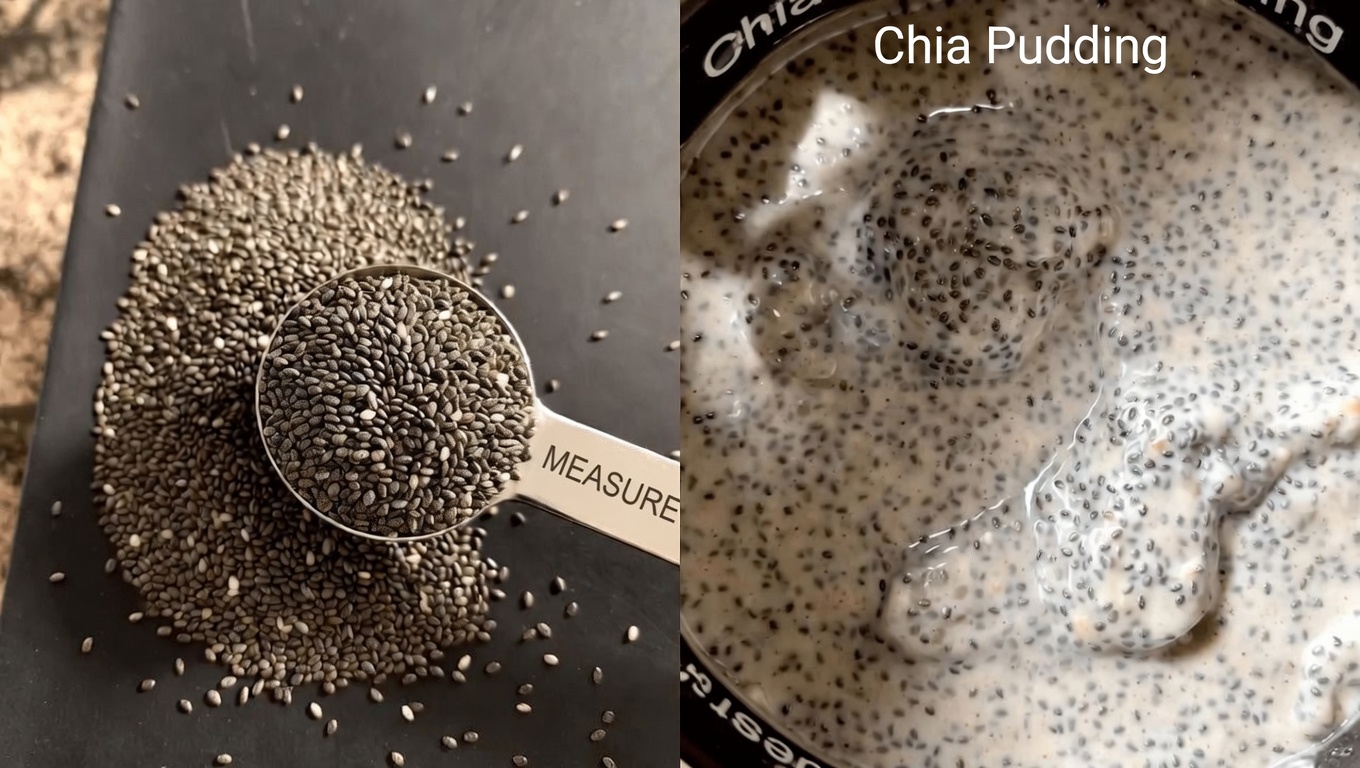
Chia seeds are tiny, but their nutrition profile is anything but small. In a simple spoonful, you’re getting:
- High fiber
- Plant-based omega-3s (ALA)
- Protein
- Minerals that support daily function
While they’re sometimes dismissed as a trend, studies and reviews suggest chia seeds can fit seamlessly into everyday meals and may contribute to noticeable shifts over time.
9 Changes People Commonly Report After 7 Days of Chia Seeds
9. More Noticeable Digestive Comfort and Regularity
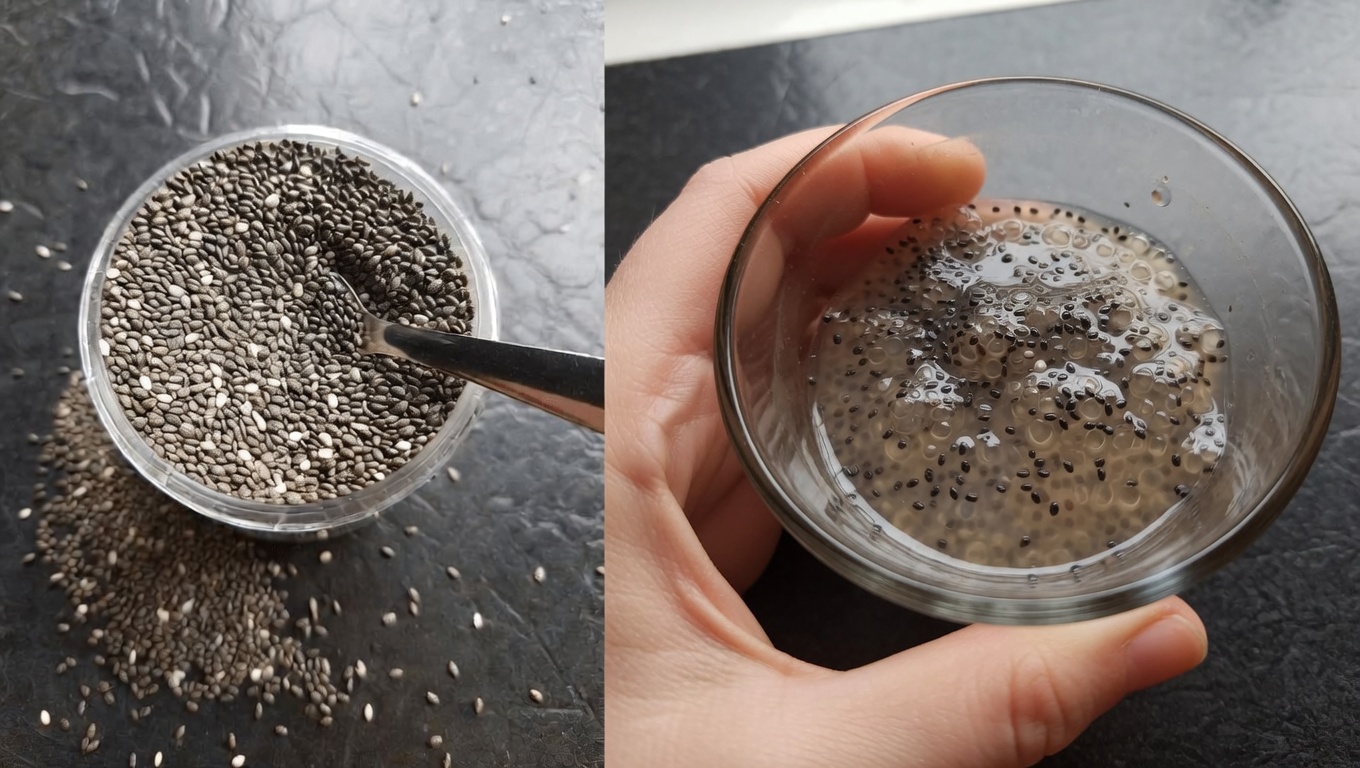
One of the earliest changes many people describe is easier, more consistent bathroom habits. Chia contains soluble fiber that absorbs water and forms a gel-like texture, which can help:
- soften stool
- support regularity
- reduce that heavy, bloated feeling after meals
For some, the improvement is subtle—but genuinely comforting within just a few days. And better digestion often sets the foundation for steadier energy.
8. More Stable Energy (Less Afternoon Crash)
Instead of the familiar post-lunch slump, some people notice a more even energy curve. Chia’s combination of:
- fiber
- protein
- healthy fats
may provide slower, steadier fuel. Reviews often associate this mix with better blood-sugar balance, which can reduce energy dips and help you stay focused longer.
7. Low-Key Support for Heart Health
Chia seeds are a strong source of ALA omega-3 fatty acids, which have been linked in research to cardiovascular benefits—such as modest support for:
- healthy cholesterol levels
- blood pressure management (in context of an overall healthy diet)
This isn’t an overnight transformation, but rather the kind of gradual improvement that can contribute to long-term vitality.
6. Feeling Fuller with Less Effort
If portion control is a goal, chia may help simply because it’s so filling. The fiber expands with liquid and, paired with protein, can increase satiety—so you may naturally:
- snack less
- feel satisfied longer
- reduce grazing without feeling deprived
This is less about “quick weight loss” and more about making mindful eating easier to maintain.
5. Potentially Smoother Blood Sugar Response
Blood sugar swings can leave you foggy, tired, or irritable. Because chia fiber can slow digestion and glucose absorption, research suggests it may help support steadier blood sugar levels after meals.
That can translate into clearer focus and fewer crashes—especially for people who notice energy shifts after eating.
4. Subtle Relief Through Lower Inflammation Support
Chia seeds contain antioxidants (including compounds such as quercetin) that help fight oxidative stress. Some reviews suggest potential improvements in inflammation-related markers (such as CRP), depending on the individual and overall diet.
In practical terms, this may feel like better day-to-day comfort and easier recovery after normal activity.
3. A More Hydrated Look to Skin and Hair Over Time
Internal nutrition can show up externally. With omega-3s and key nutrients that support the skin barrier, some people report:
- softer-looking skin
- improved texture
- shinier hair over time
It’s not instant “glow,” but consistent intake may support a healthier appearance gradually.
2. Extra Nutrients That Support Bone Strength
Chia seeds provide minerals associated with bone health, including:
- calcium
- magnesium
- phosphorus
These nutrients play important roles in maintaining bone density as you age, making chia a small but meaningful addition to long-term wellness habits.
1. A Broader, Everyday Boost in Well-Being
When digestion improves and energy becomes steadier, the overall effect can feel bigger than expected. Many people describe a more “balanced” day—sometimes with additional benefits like better mood or sleep quality.
It’s the cumulative impact of consistent, supportive nutrition rather than a sudden, dramatic change.
Chia Seeds vs. Other Staples (Per 1 oz / 28g)
- Chia Seeds: Fiber 10g, Protein 5g, Omega-3s ~5g, Calcium 18% DV
- Oatmeal: Fiber 3g, Protein 3g, Omega-3s 0g, Calcium 2% DV
- Flax Seeds: Fiber 8g, Protein 5g, Omega-3s ~6g, Calcium 7% DV
Chia stands out for its especially balanced combination of fiber, omega-3s, and calcium.
Simple and Safe Ways to Eat Chia Seeds Daily
Start gently so your digestion can adapt. A common beginner amount is 1 tablespoon per day (about 15g).
Easy ways to use them:
- Mix into smoothies or yogurt for a thicker texture
- Soak in water or milk overnight for chia pudding
- Sprinkle on salads, oatmeal, or baked goods for added crunch
Quick Usage Tips
- Starter amount: 1–2 tablespoons daily
- Hydration matters: Drink plenty of water; soaking helps avoid discomfort
- Adjust slowly: Mild bloating can happen at first—scale up gradually
Consult your healthcare provider before making major dietary changes, especially if you have medical conditions or take medications.
The Takeaway: A Small Habit That Can Add Up
A week of chia seeds may lead to quiet but meaningful shifts—smoother mornings, steadier afternoons, and a lighter, more comfortable routine. It’s not a miracle cure, but it can be a simple habit that feels empowering.
Fun historical note: Ancient Aztecs valued chia for sustained energy during long periods of activity.
Disclaimer: This article is for informational purposes only and does not replace professional medical advice. Speak with a qualified healthcare provider for personalized guidance.
FAQ
How many chia seeds should I eat per day?
A widely recommended starting range is 1–2 tablespoons (15–30g) daily, taken with plenty of fluids.
Can chia seeds cause digestive discomfort?
Yes, especially if you jump to a high amount too quickly. Temporary bloating or gas can occur when increasing fiber—start small and increase gradually.
Do chia seeds support weight management?
They may help by promoting fullness due to fiber and protein, which can support portion control as part of a balanced diet. Results vary, and there are no guarantees.