Many adults over 60 experience everyday annoyances—post-meal indigestion, mild skin flare-ups, or fatigue that seems to show up more often. Even small discomforts can make routine activities feel harder and reduce day-to-day enjoyment. While store-bought products are widely available, some people prefer gentle, familiar options found at home. One pantry staple that often comes up is baking soda (sodium bicarbonate), largely because it is alkaline and has been used traditionally for a variety of minor comfort needs.
So, can a common kitchen ingredient play a supportive role in a balanced wellness routine for older adults? Below are 15 potential uses often discussed in general health resources, along with practical ways people typically try them and key safety considerations. At the end, you’ll find implementation tips, comparisons, and FAQs you can review with your healthcare provider.
Why Baking Soda Gets Attention in Wellness Conversations for Older Adults
As the body ages, natural balance can shift—sometimes leading to more frequent acid-related issues (such as heartburn) or minor irritations. Reputable summaries from outlets such as WebMD and Healthline commonly explain that sodium bicarbonate works as a mild antacid by neutralizing acid. This basic chemistry is why it has a long history of occasional use for indigestion.
Some discussions also mention its ability to influence pH in certain contexts. That said, evidence quality varies by use, and long-term or frequent use is not equally supported across all applications. The most important safety point: baking soda contains a lot of sodium, so moderation matters—especially for anyone managing high blood pressure, heart conditions, fluid retention, or kidney concerns.
1) Occasional Heartburn and Indigestion Support
Heartburn after a heavy or spicy meal can cause a burning feeling in the chest or throat. Baking soda can neutralize excess stomach acid quickly for short-term relief.
- How it’s commonly used: Mix ½ teaspoon in ½ cup of water and sip slowly.
- Use pattern: Only occasionally and in line with over-the-counter label guidance.
General guidance cited by sources like WebMD indicates it can be effective for short-term indigestion relief when used properly.
2) Oral Care: Fresh Breath and Surface Stain Reduction
Even with good brushing habits, minor surface stains or lingering odor can happen. Baking soda is sometimes used as a gentle abrasive and may help create a less acidic oral environment.
- Simple approach: Combine a small amount with water to form a paste, brush gently once or twice weekly, then rinse thoroughly.
Dental literature (including publications associated with the Journal of the American Dental Association) has discussed baking soda’s potential role in stain reduction due to mild abrasion and pH effects.
3) Comfort for Minor Skin Irritation
Dryness, friction, or everyday environmental exposure can leave skin feeling itchy or irritated. A baking soda bath or paste may provide temporary soothing for mild irritation.
- Bath option: Add 1–2 tablespoons to a warm bath.
- Spot option: Make a paste with water and apply briefly, then rinse.
Some general references suggest it may help with short-term calming by affecting surface pH.
4) Relief for Insect Bite Itch
Bug bites can quickly become distracting and uncomfortable. A simple paste is a common home method for reducing itch sensations.
- Typical method: Mix baking soda with water, apply to the bite, let it dry, then rinse off.
Its alkaline nature may help reduce irritation for some people, though responses vary.
5) Sunburn Redness and Tenderness Support
After too much sun exposure, skin may feel hot or sensitive. A cool compress made with baking soda is sometimes used as a gentle comfort measure.
- How to try it: Dissolve baking soda in cool water, soak a cloth, and apply lightly as a compress.
This may feel soothing by helping calm the surface sensation and irritation.
6) Deodorizing Support for Body Odor
Body odor can become more noticeable with age, activity level changes, or certain medications. Baking soda can help by absorbing moisture and reducing odor.
- Common use: Apply a small amount to underarms (patch test first) or sprinkle into shoes.
Its deodorizing function is well known in everyday household use.
7) Exercise Comfort (Acid Buffering Interest)
For people who stay active, some exercise physiology research explores how sodium bicarbonate may buffer acid buildup during short, intense activity.
- Important context: This is more relevant to athletic-style exertion than casual walking.
- Bottom line: Interesting research exists, but it’s not a universal fatigue solution.
8) Post-Activity Muscle Recovery Bath
After gardening, longer walks, or household work, mild muscle soreness can appear. A warm bath with baking soda may feel relaxing.
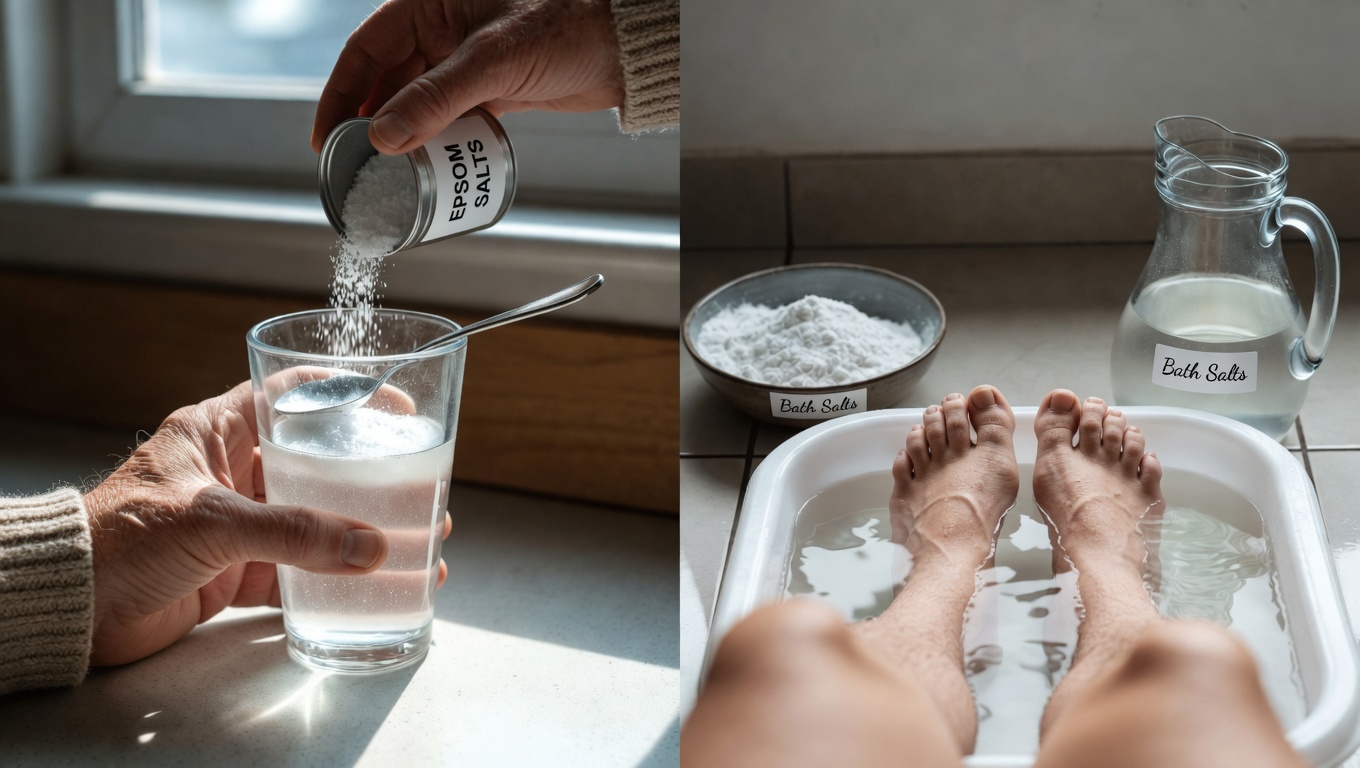
- Comfort routine: Add baking soda to a warm bath; some people combine it with Epsom salts.
The benefit is usually described as comfort-based, potentially tied to relaxation and perceived relief.
9) Urinary Comfort: pH Discussion (Limited Evidence)
Some individuals explore urine alkalinization for occasional urinary discomfort. Baking soda can temporarily shift pH, but the evidence for ongoing relief is limited.
- Key caution: Persistent urinary symptoms require medical evaluation to rule out infection or other causes.
Always consult a clinician if symptoms continue or worsen.
10) Foot Soak for Itchy or Flaky Feet (Minor Fungal Concerns)
For feet that feel itchy, sweaty, or flaky, baking soda soaks are sometimes used to create a drier environment.
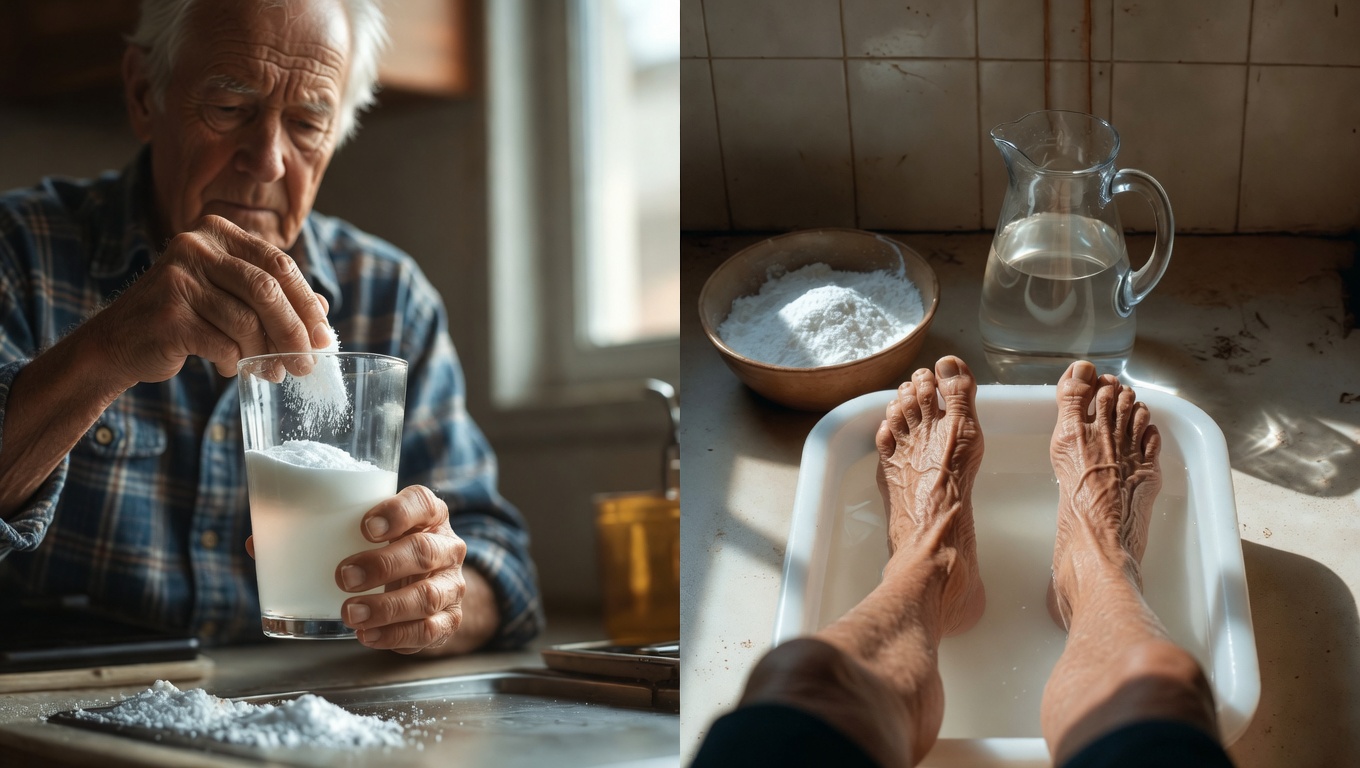
- How it’s commonly done: Soak feet 15–20 minutes in warm water with 2 tablespoons of baking soda.
Some lab findings suggest mild inhibition of certain organisms, but this is not a substitute for medical antifungal treatment when needed.
11) Relaxing “Detox-Style” Bath for General Comfort
Many people use baking soda baths as a simple self-care ritual when feeling sluggish or tense.
- Bath idea: Add ½ cup to bathwater and soak comfortably.
While “detox” claims are often overstated, the bath itself may support relaxation and perceived comfort.
12) Kidney Health: Medical Use in Certain Situations
In chronic kidney disease (CKD) with metabolic acidosis, bicarbonate supplementation has been studied under medical supervision.
- Research (including studies published in journals such as Kidney International) suggests bicarbonate may help maintain acid-base balance in specific cases.
- However, findings are mixed regarding broader outcomes like physical function in older adults.
This use should be doctor-directed only.
13) Gout Flare Comfort (Exploratory)
Because uric acid is involved in gout, some discussions mention alkalinizing approaches for comfort.
- Reality check: Evidence is limited, and it should not be treated as a stand-alone strategy.
- Gout management typically requires medical guidance and, for many people, prescription treatment.
14) Broader Digestive Ease After Meals
If mild bloating or sluggishness occurs after eating, occasional antacid-style use may be considered by some.
- Common approach: A diluted mixture in water after meals when needed.
Frequent symptoms should be evaluated to rule out reflux disease or other digestive conditions.
15) General pH Balance Goals in Daily Life
Some older adults look for small habits that support a sense of balance and energy. Baking soda is sometimes discussed in that context, but benefits are not guaranteed and should be weighed against sodium intake.
Quick comparison snapshot
- Heartburn
- Typical options: Antacids
- Baking soda angle: Fast acid neutralization for occasional use
- Minor skin irritation
- Typical options: Moisturizers/creams
- Baking soda angle: Short-term soothing for some people
- Oral care
- Typical options: Whitening toothpastes
- Baking soda angle: Mild polishing effect
- Exercise discomfort
- Typical options: Rest/hydration
- Baking soda angle: Possible buffering in specific performance contexts
Practical Tips for Safe Use
If you’re considering baking soda, keep safety and simplicity first:
- Start small and infrequent
- For indigestion: use only when needed and avoid routine daily use unless your clinician approves.
- Track sodium intake
- Baking soda adds sodium; this matters for blood pressure, swelling, and kidney function.
- Avoid long-term self-treatment
- If a symptom keeps returning, get it evaluated instead of repeatedly masking it.
- Patch test for skin use
- Stop if burning, redness, or worsening irritation occurs.
Alternatives at a Glance
- Commercial antacids
- Cost: Moderate
- Notes: Convenient; may include additional ingredients
- Baking soda
- Cost: Very low
- Notes: High sodium; best for occasional use
- Herbal teas
- Cost: Medium
- Notes: Effects vary widely by herb and person
Conclusion
Baking soda has a long-standing reputation as a versatile household staple, with the strongest general support for short-term indigestion relief and practical deodorizing uses. Other applications—such as baths, skin comfort, or performance-related buffering—are more variable and sometimes exploratory. For older adults, the deciding factors are moderation, personal tolerance, and medical context, especially due to sodium content.
FAQ
-
Is baking soda safe for everyday use after 60?
Occasional short-term use is generally considered acceptable for many people, but daily use can be risky due to sodium and potential acid-base imbalance. Adults over 60 should be especially cautious and discuss it with a doctor, particularly with hypertension, heart disease, or kidney issues. -
Can baking soda replace medications?
No. It may serve as a complementary, occasional comfort option, but it should not replace prescribed treatments or professional care. -
What side effects can happen if it’s overused?
Potential issues include gas, bloating, increased thirst, and problems related to excess sodium or altered acid-base balance. Stop use and seek medical advice if symptoms feel unusual or severe.
Important Disclaimer
This article is for informational purposes only and is not medical advice. Consult your healthcare provider before trying any new remedy, especially if you have chronic conditions or take medications.