Many women move through busy days assuming that period changes, occasional pelvic aches, or constant tiredness are simply part of being female. However, these “everyday” symptoms can sometimes signal underlying uterine conditions—most commonly uterine fibroids or endometriosis—that affect millions worldwide. Studies suggest fibroids may develop in up to 80% of women by age 50, and many people don’t realize they have them until symptoms start interfering with daily life. Heavy menstrual bleeding alone affects over 10 million women in the U.S. each year, often contributing to fatigue, low iron, and reduced quality of life.
Dismissing these warning signs can allow problems to worsen over time. Recognizing patterns early, on the other hand, puts you in a stronger position to seek medical guidance and protect your long-term well-being.
What if the issues you’ve been “powering through” are actually important messages from your body? Below are 12 common signs worth taking seriously—based on medical insights and real women’s experiences.
How Uterine Changes Can Quietly Disrupt Daily Life
For women in their 20s, 30s, 40s, and 50s, responsibilities often come first—work, family, and personal goals—so discomfort gets pushed aside. Yet research indicates that menstrual irregularities affect roughly 14–25% of women of reproductive age, and heavy bleeding is strongly linked to fatigue and lower day-to-day functioning. Many women report canceling plans due to unpredictable flow, coping with pain that reduces productivity, or avoiding intimacy because of discomfort.
These symptoms are not always “normal variations.” They can be tied to:
- Uterine fibroids: noncancerous growths that can contribute to heavy bleeding, pressure, and urinary frequency
- Endometriosis: tissue similar to the uterine lining growing outside the uterus, often associated with severe pain and fertility challenges
Fibroids occur in an estimated 40–80% of women at some point, while endometriosis affects about 10–11% of women ages 15–44. The encouraging news is that timely evaluation and treatment options can significantly improve comfort and quality of life. Start by checking whether any of the signs below match what you’re experiencing.
Sign #1: Irregular Menstrual Cycles (Unpredictable Timing)
If your cycle becomes inconsistent—arriving much earlier than usual, skipping months, or lasting far longer than expected—it may reflect hormonal changes or structural issues such as fibroids. Many women also notice increased mood changes, stress, or concerns about fertility when their cycle feels unpredictable.
Because irregular cycles can be associated with factors like thyroid problems or uterine changes, tracking your cycle in an app or journal can help you identify patterns to discuss with a clinician.
Sign #2: Heavy Menstrual Bleeding (More Than a “Strong Period”)
Bleeding that feels unmanageable—such as soaking a pad or tampon within an hour, bleeding longer than seven days, or passing large clots—often points to something beyond typical menstruation. This issue affects roughly 1 in 5 women and can contribute to iron deficiency and persistent exhaustion.
Potential contributors include:
- Fibroids
- Adenomyosis (endometrial tissue growing into the uterine muscle wall)
Many women report a noticeable improvement in energy after proper assessment and treatment.
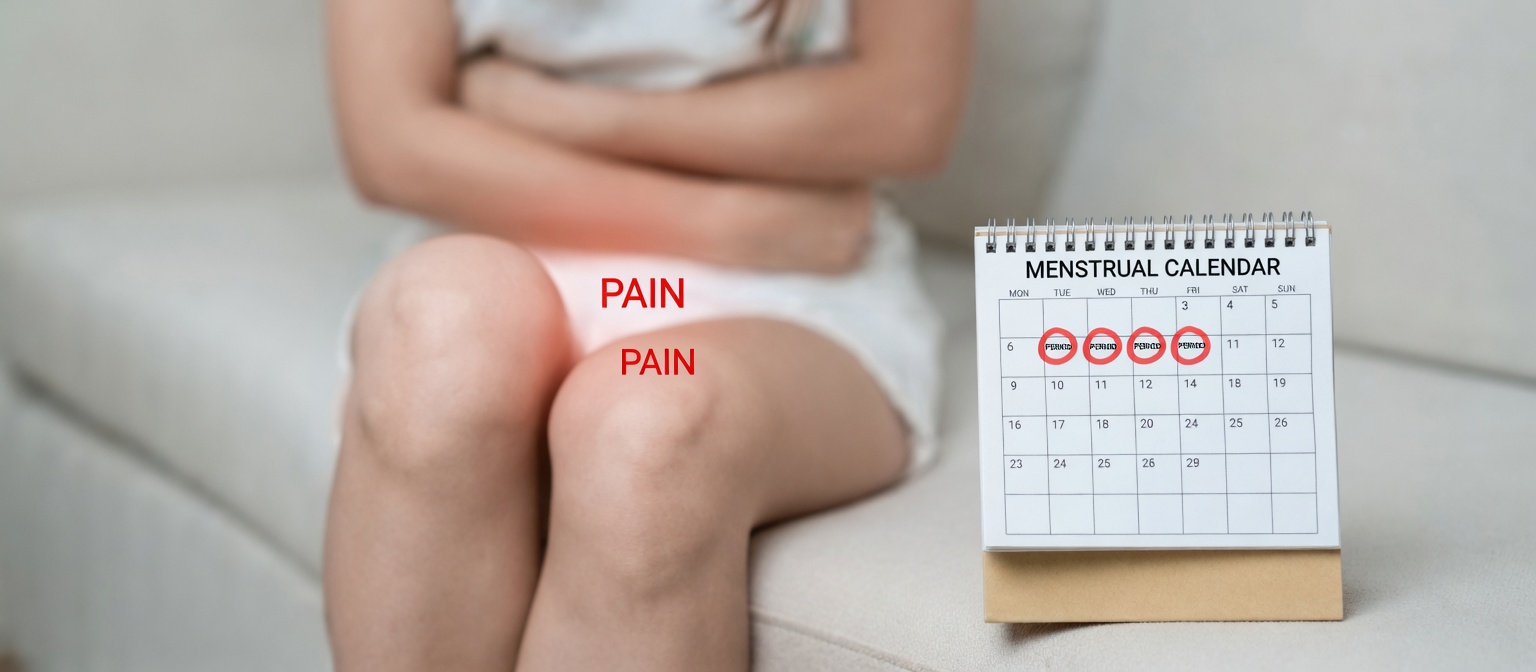
Sign #3: Severe Menstrual Cramps (Pain That Interrupts Life)
Some cramping is common, but pain that makes you miss work, stay in bed, or rely heavily on medication may signal an underlying condition. Endometriosis is a frequent cause of severe period pain and affects more than 10% of women of reproductive age. Fibroids can also worsen cramping and pressure.
If your pain consistently limits daily activities, it deserves evaluation rather than endurance.
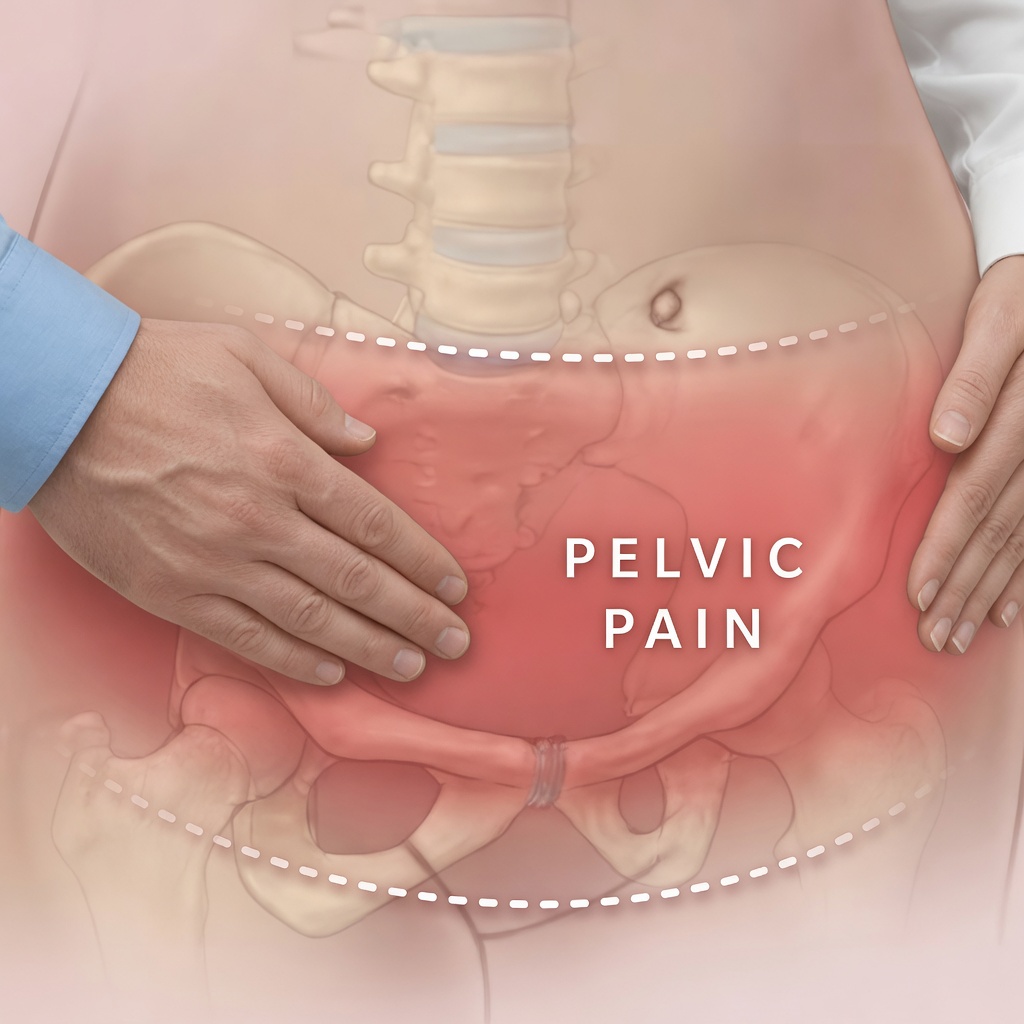
Sign #4: Pelvic Pain When You’re Not on Your Period (Ongoing Pressure)
A persistent pelvic ache or sense of heaviness outside your cycle can be related to cysts, inflammation, or uterine growths pressing on nearby organs. It’s easy to blame posture, stress, or exercise strain—but pain that continues or returns regularly is a reason to get checked.
Imaging and a pelvic exam often clarify what’s happening and can lead to effective relief.
Sign #5: Pain During Sex (When Intimacy Becomes Uncomfortable)
Painful intercourse (dyspareunia) may feel sharp, deep, or pressure-like, and it can create emotional strain in relationships. Endometriosis is frequently associated with this symptom, though other pelvic conditions can contribute as well.
If discomfort is persistent, seeking medical support can help restore comfort and confidence.
Sign #6: Noticeable Changes in Vaginal Discharge
Discharge that changes in color, odor, or volume can indicate infections or inflammation that may affect overall reproductive health. While many changes are treatable and not serious, symptoms that persist should be assessed to rule out complications.
Healthy discharge is often clear to white and typically has minimal odor.
Sign #7: Frequent Urination or Bladder Pressure
If you’re using the bathroom far more often—especially at night—or you constantly feel pressure on your bladder, fibroids or an enlarged uterus may be pressing against the bladder. This can disrupt sleep, concentration, and routine activities.
Keeping a brief log of frequency and timing can be helpful during a medical visit.
Sign #8: Low Back Pain That Worsens Around Your Period
Lower back discomfort is common, but when it intensifies around menstruation or lingers as a cycle-related pattern, uterine pressure or inflammation may be involved. Fibroids and endometriosis can both contribute.
Short-term fixes may reduce symptoms temporarily, but identifying the root cause is key for lasting improvement.
Sign #9: Unexplained Fatigue (Even After Rest)
Constant exhaustion that doesn’t improve with sleep can be connected to anemia, especially when heavy bleeding is present. Low iron can affect energy, focus, and exercise tolerance.
Treating iron deficiency and managing the cause of bleeding often helps women feel significantly more like themselves again.
Sign #10: Difficulty Getting Pregnant
Trouble conceiving can sometimes be linked to uterine changes (such as fibroids that alter the uterine cavity) or endometriosis affecting implantation and pelvic anatomy. Fertility workups commonly uncover these contributing factors.
If you’ve been trying to conceive without success, a targeted evaluation can clarify next steps.
Sign #11: Spotting Between Periods
Unexpected spotting or light bleeding between cycles can be related to:
- Hormonal shifts
- Uterine polyps
- Other gynecologic concerns
Importantly, post-menopausal spotting should always be evaluated promptly.
Sign #12: Persistent Bloating or Visible Abdominal Swelling
If you feel “puffy” most days or notice a persistent increase in abdominal size that doesn’t match typical digestion changes, uterine fibroids, ovarian cysts, or fluid buildup may be contributing. Many women see a clear reduction in bloating and abdominal pressure after treatment.
Quick Symptom Overview
- Irregular periods → hormonal shifts, fibroids → track patterns; evaluate if persistent
- Heavy bleeding → fibroids, adenomyosis → watch for anemia signs
- Severe cramps → endometriosis, fibroids → especially if life is disrupted
- Pelvic pain (non-cyclic) → cysts, inflammation, growths → if it lasts or recurs
- Pain during sex → endometriosis, pelvic issues → persistent pain needs assessment
- Unusual discharge → infections/inflammation → color/odor changes that persist
- Frequent urination → fibroids pressing bladder → impacts sleep and routine
- Lower back pain → cycle-related pressure/inflammation → beyond posture issues
- Fatigue → anemia from blood loss → ongoing low energy
- Fertility challenges → structural or inflammatory causes → after trying to conceive
- Spotting → polyps, hormone changes → between periods or after menopause
- Bloating/swelling → fibroids, cysts, fluid → ongoing abdominal changes
Commonly Dismissed Symptoms vs. What They May Actually Mean
- “Heavy periods are just my normal.” → Heavy bleeding can lead to anemia, weakness, and brain fog.
- “Pelvic or back pain is just stress or aging.” → Pain that persists can worsen if an underlying condition is untreated.
- “Spotting is just hormones.” → It may still need evaluation, especially if recurring.
- “Bloating is only diet-related.” → In some cases, it’s linked to uterine growths or pelvic conditions.
Simple Steps You Can Take Now
- Start a symptom journal for one month (dates, intensity from 1–10, triggers, and what helps).
- Track your cycle using an app or calendar to spot irregularities.
- Add general supportive nutrition, including anti-inflammatory foods like berries, leafy greens, and omega-3 sources.
- Book a routine gynecology appointment and bring your notes to make the visit more productive.
- Support energy with hydration and balanced meals, especially if bleeding is heavy.
Small, consistent actions can help you feel more in tune with your body—and help you get clearer answers sooner.
FAQ
-
What should I do if I notice several of these signs?
Track your symptoms carefully and schedule an appointment with a healthcare provider. They may recommend tests such as bloodwork (to check for anemia) and imaging like an ultrasound, depending on your symptoms. -
Are these signs always caused by fibroids or endometriosis?
No. These symptoms can have multiple causes, including hormonal changes, infections, thyroid issues, or other gynecologic conditions. A medical evaluation is the best way to determine what’s behind your symptoms.