
Waking up several times a night to urinate, dealing with a weak stream, or feeling a constant urge can take a real toll on sleep, productivity, and everyday confidence—especially as men get older. By age 60, more than half of men experience symptoms linked to benign prostatic hyperplasia (BPH), a non-cancerous enlargement of the prostate, and the likelihood rises with age. These lower urinary tract symptoms (LUTS) often push men to look for gentle, natural ways to support urinary comfort, ideally alongside appropriate medical care.
Growing research suggests that certain common fruits—rich in antioxidants and protective plant compounds—may support prostate health by helping regulate inflammation and oxidative stress. One tropical fruit, in particular, is gaining attention for its unusually broad nutrient profile. Below are seven science-backed fruits, simple ways to eat them, and why papaya frequently appears as a standout.
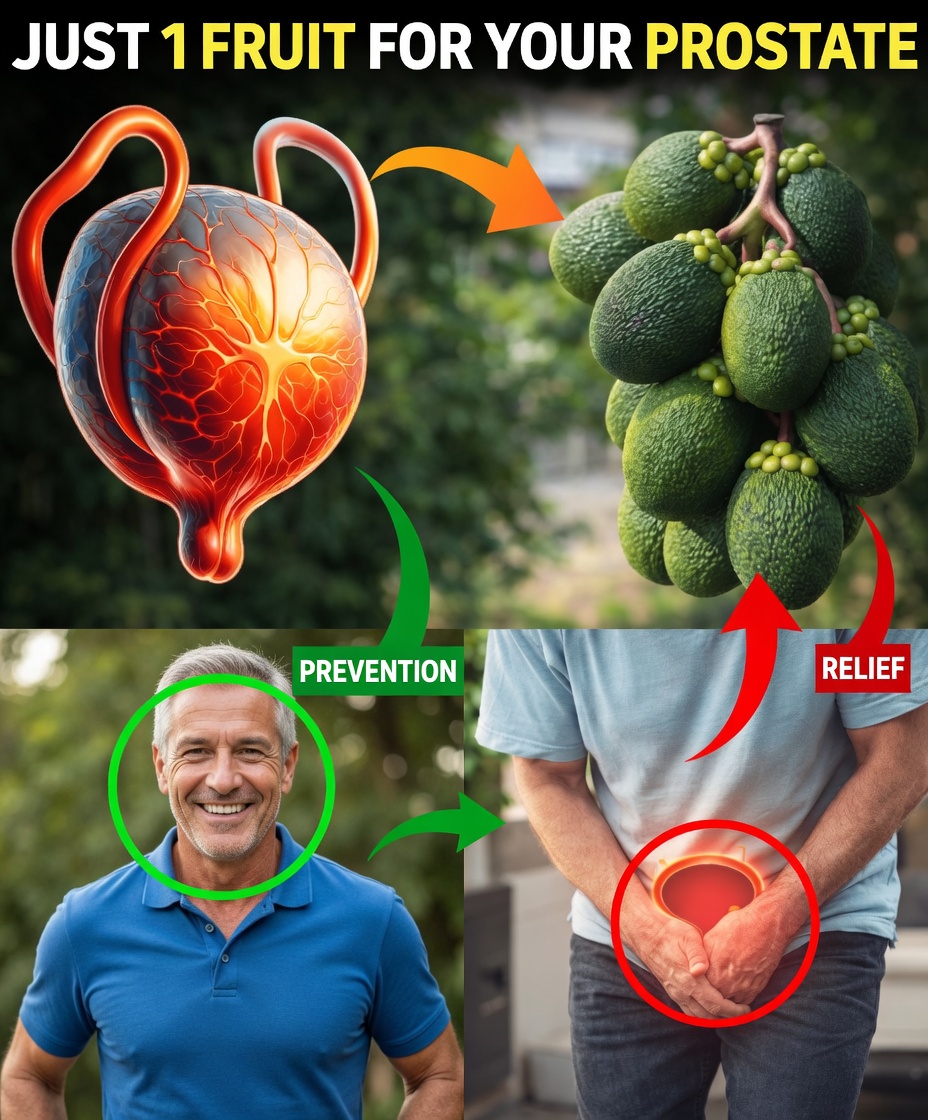
The Everyday Reality of BPH-Related Urinary Symptoms
Nighttime bathroom trips, trouble getting started, and the feeling of not fully emptying the bladder are more than minor annoyances—they can quietly chip away at rest and quality of life. While medication is helpful for many, others prefer adding diet-based strategies that are easy to maintain, enjoyable, and generally low risk when used wisely.
7 Fruits That May Support Prostate Wellness and Urinary Comfort
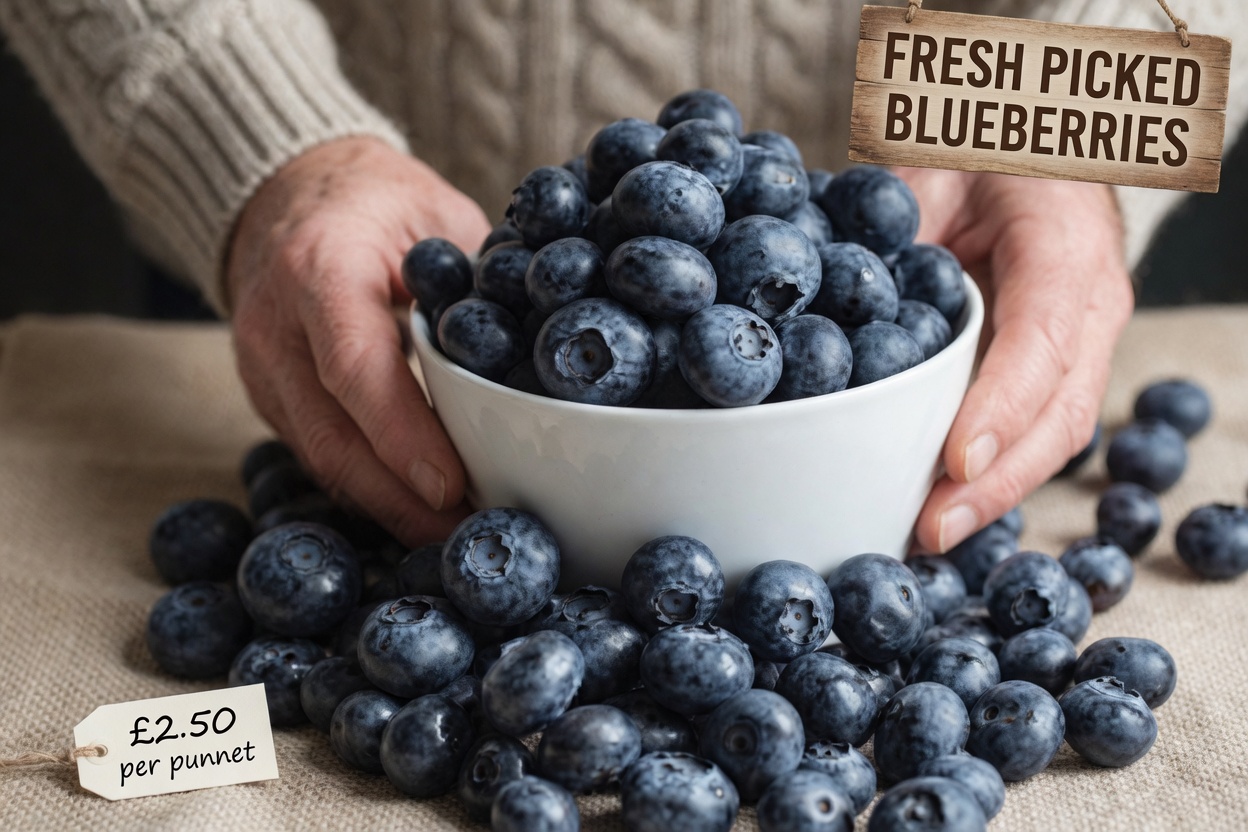
7. Avocado — A Smooth Source of Plant Sterols
Avocado isn’t just creamy and satisfying. It contains beta-sitosterol, a plant sterol that has been studied for its ability to support urinary flow and reduce discomfort related to BPH symptoms. Reviews of clinical findings suggest improvements in urinary measures, even though the prostate size may not change.
- Try it: Mash avocado on toast, add slices to salads, or blend into a savory smoothie.
- Bonus: Its healthy fats can help the body absorb certain nutrients more effectively.
6. Tomatoes — Lycopene Works Better When Cooked
Tomatoes are best known for lycopene, a powerful antioxidant that becomes more bioavailable after cooking. Studies examining tomato-based foods have linked higher intake to better urinary symptom scores in men.
- Try it: Tomato soup, marinara sauce, roasted tomatoes, or stewed tomato dishes.
- Tip: Cooked tomato products are often the easiest way to get more usable lycopene.
5. Watermelon — Hydration Plus Lycopene and Citrulline
Watermelon supports hydration and also provides lycopene and citrulline, a compound associated with blood vessel relaxation and circulation support. Staying well-hydrated can also help dilute urine, which may reduce bladder irritation for some people.
- Try it: Fresh slices, chilled cubes, or blended into a smoothie.
- Easy win: Its natural sweetness makes it simple to enjoy regularly.
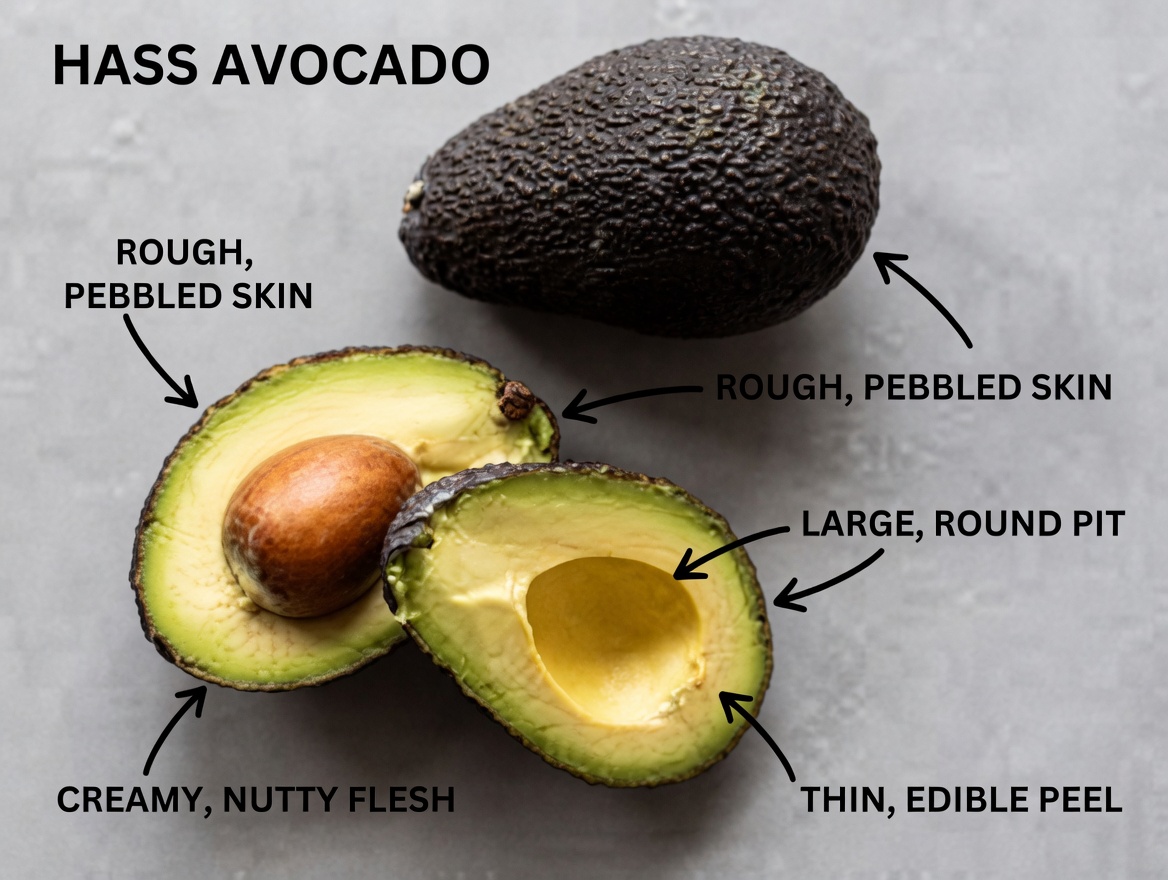
4. Berries — Small Fruits, Big Antioxidant Impact
Berries like blueberries, strawberries, raspberries, and blackberries are loaded with flavonoids and vitamin C. Long-term observational research (including large cohort studies) links higher intake of flavonoid-rich fruits with lower odds of bothersome LUTS in men.
- Try it: A handful as a snack, stirred into yogurt, or added to oatmeal.
- Flexible: Fresh or frozen berries can both work well.
3. Citrus Fruits — Vitamin C and Flavonoids for Inflammation Support
Oranges, grapefruits, lemons, and limes provide vitamin C along with flavonoids such as hesperidin, which early research has explored for potential inflammation-modulating effects. They’re also easy to incorporate into daily habits.
- Try it: Lemon in water, whole oranges, or citrus added to salads.
- Note: Whole fruit generally offers more fiber than juice.
2. Pomegranate — Rich in Punicalagins
Pomegranate arils and juice contain punicalagins, unique antioxidants studied in both lab and human research for potential anti-inflammatory effects and influence on prostate-related markers. Some men report improved comfort when using it consistently.
- Try it: Sprinkle arils on salads or yogurt, or drink a small serving of pure juice.
- Flavor boost: The tartness pairs well with both sweet and savory dishes.
1. Papaya — The Tropical Fruit Getting Increased Research Attention
Papaya leads the list thanks to its combination of lycopene, beta-carotene, vitamin C, and the digestive enzyme papain. Pilot research in areas where papaya is commonly consumed suggests that eating fresh papaya daily may be associated with notable improvements in urinary symptom scores and flow in men with BPH concerns.
Papaya’s soft texture and natural sweetness make it easy to eat every day. What makes it stand out is that it gathers multiple prostate-supportive nutrients in one fruit, with early evidence pointing toward gentle, natural support.
Quick Comparison: Key Compounds in Each Fruit
Here’s a practical snapshot of what makes each option notable:
- Tomato: Lycopene (higher when cooked; ~3–9 mg/100g) — best in sauces, soups
- Watermelon: Lycopene + citrulline (~4.5 mg/100g lycopene) — best fresh
- Pomegranate: Punicalagins — juice or arils
- Papaya: Papain + lycopene + beta-carotene (~1.8–3 mg/100g lycopene) — ripe cubes or smoothies
- Berries: Anthocyanins + vitamin C — fresh or frozen
- Avocado: Beta-sitosterol — about half a fruit daily
- Citrus: Vitamin C + hesperidin — whole fruit or juice
Mixing and rotating these fruits can help you cover a wider range of supportive compounds.
Simple, Daily Ways to Add These Fruits
Make consistency easier with a few plug-and-play ideas:
- Breakfast: Yogurt topped with mixed berries and diced papaya
- Mid-morning: A small glass of pure pomegranate juice
- Lunch: Salad with avocado, cherry tomatoes, and a squeeze of lemon
- Afternoon snack: Watermelon cubes finished with lime
- Dinner: A tomato-based soup or sauce on the side
Start with one fruit per day, then build variety over time.
Safety Notes and Practical Tips
Most people tolerate these fruits well when eaten in moderate amounts. Approximate studied or commonly used portions include:
- Papaya: 150–300 g ripe flesh daily — avoid unripe parts if you take certain medications
- Pomegranate: Up to 8 oz of pure juice — check with your clinician if you use blood pressure medication
- Citrus: 1–2 fruits — rinse your mouth after to help protect tooth enamel
- Avocado: 1/2–1 fruit — be mindful of calories if weight management is a goal
- Other fruits: 1–2 cups is typically reasonable
Pay attention to how your body responds, and consult a healthcare professional if you have medical conditions or take medications.
Real-World Experiences: Small Changes That Add Up
Many men report subtle but encouraging improvements after adding fruit consistently. One man in his 60s described fewer nighttime trips after making papaya smoothies and eating berries regularly. Another noticed better flow when tomatoes and watermelon became routine staples. Individual results vary based on overall lifestyle, but these stories highlight how simple dietary habits can be meaningful over time.
Start With One Step
Pick one fruit from this list and eat it daily for the next month. Keep a simple note of changes in sleep, urgency, and comfort—some men notice gradual improvements. Papaya, in particular, is sometimes overlooked due to availability, but its nutrient profile may make it worth seeking out.
Medical disclaimer: This article is for informational purposes only and does not replace professional medical advice. Speak with your healthcare provider before changing your diet, especially if you take medications or have health conditions.