Many adults over 50 start noticing an uneven complexion—especially dark patches on the hands, face, or neck that become more visible after decades of sun exposure. Research consistently links UV radiation to a large share of the visible changes we associate with aging skin, including hyperpigmentation and a generally dull look that can impact confidence in everyday life.
Because these spots develop slowly, they can make simple choices—like going without makeup—feel less comfortable. Although in-office treatments are available, plenty of people prefer gentler at-home approaches using familiar ingredients. Below is a popular DIY mask made with cornstarch, baking soda, and lemon—including how it’s commonly used, possible advantages, and the safety steps that matter most. You’ll also find variations, supportive habits, and a realistic routine to follow.
Understanding Sun Damage and Uneven Skin Tone
Over time, repeated sun exposure can trigger the skin to produce extra melanin. The result is often age spots—also called liver spots or solar lentigines—which typically appear as flat brown patches on areas that receive frequent sun, such as the face, hands, and arms.
Studies on photoaging show that ultraviolet radiation plays a central role in pigmentation changes and uneven tone. For many people, these spots become more noticeable with age, leading to frustration and a desire for brighter-looking skin.
The encouraging part is that gentle exfoliation and antioxidant-focused skincare (including certain natural ingredients) may support a more even-looking appearance over time. Results differ from person to person, and sun protection remains the most important long-term strategy.
Why Cornstarch, Baking Soda, and Lemon Are Popular in DIY Skincare
This mask comes from a long tradition of home remedies and combines three common ingredients:
- Lemon juice: A natural source of vitamin C, often associated with brightening support because it may influence processes related to melanin.
- Baking soda: Used as a mild physical exfoliant, helping lift away surface dead skin cells.
- Cornstarch: Acts as a soothing base that helps create a spreadable paste and may reduce the harsh feel of stronger ingredients.
Together, they create a low-cost mixture that many users enjoy for its fresh scent and cooling sensation. That said, it’s important to be clear: strong scientific evidence for this exact combination is limited, and outcomes are typically gradual rather than dramatic. Use it with realistic expectations and extra care.
Core Recipe: Cornstarch, Baking Soda, and Lemon Mask
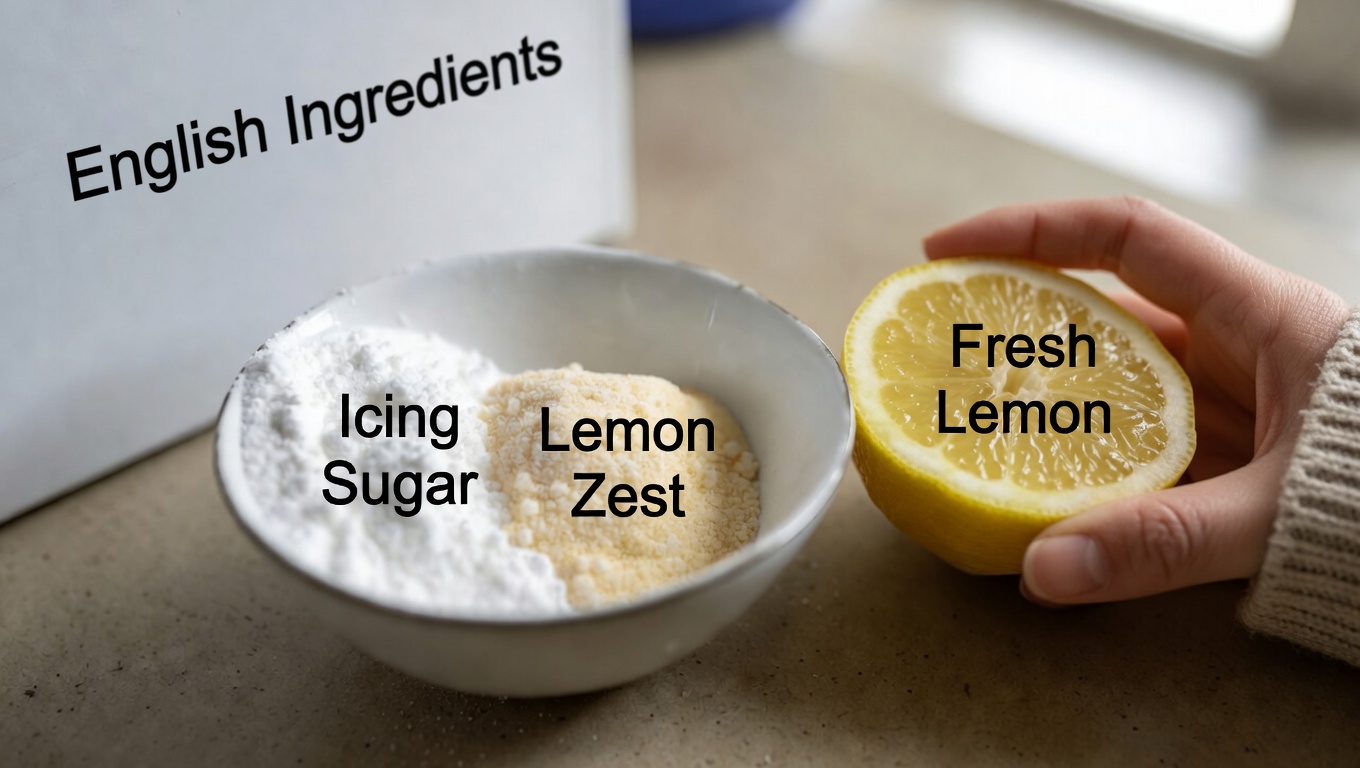
Ingredients (single use)
- 1 tablespoon cornstarch
- 1 tablespoon baking soda
- Juice of ½ fresh lemon (about 1–2 tablespoons)
How to make and apply
- Add the cornstarch and baking soda to a small bowl.
- Slowly mix in the fresh lemon juice, stirring until you get a smooth paste that spreads easily.
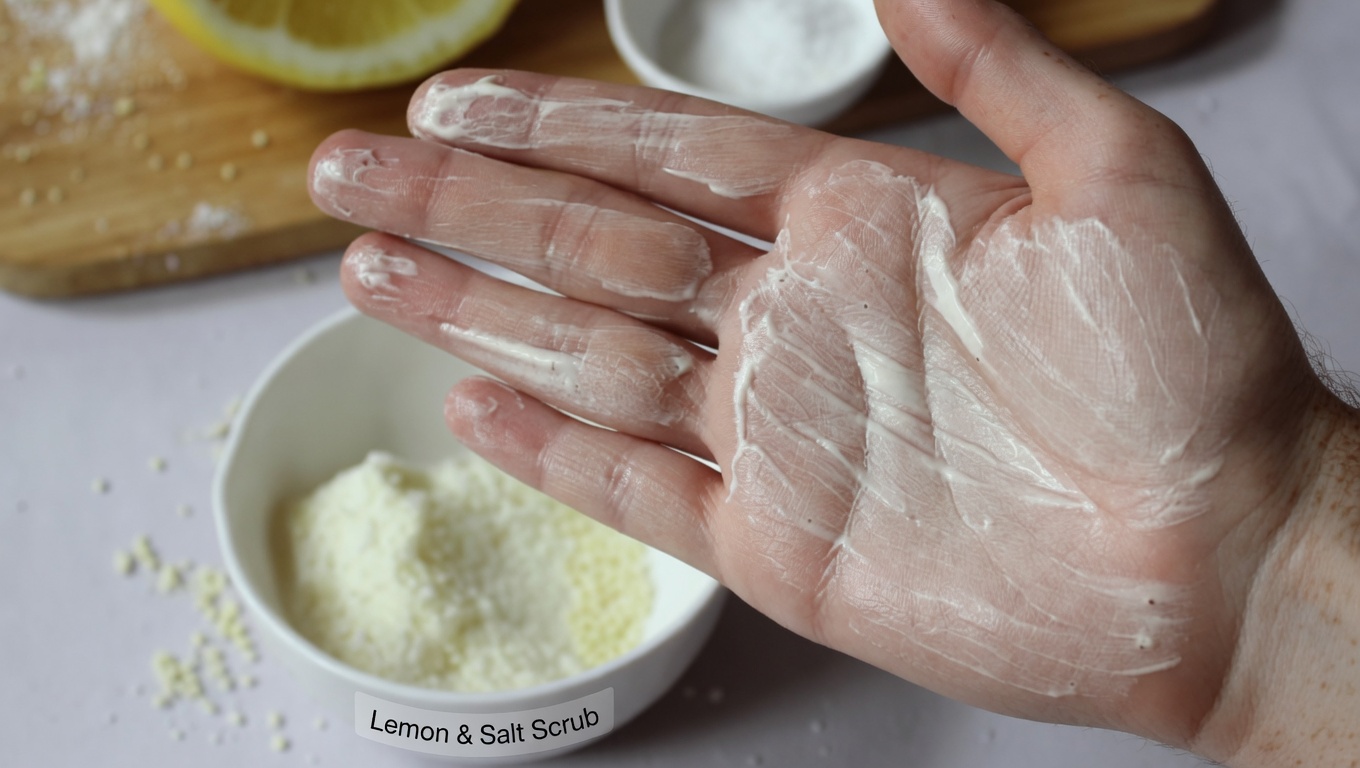
- Cleanse the area (face, hands, or other sun-exposed spots) and apply a thin layer.
- Leave it on for 5–10 minutes (start with 5 if you’re new to it).
- Rinse with lukewarm water, then pat dry.
- Finish with a moisturizer.
How often to use
- Use 2–3 evenings per week.
- Always patch test first (see the safety section below).
A mild tingling feeling can happen due to the natural acids in lemon. Tingling is not always a problem—but burning, stinging, or redness is a sign to stop.
Variation 1: Add Honey for Comfort and Hydration
If your skin feels dry or mature skin is easily irritated, mix in:
- 1 teaspoon raw honey
Honey is a natural humectant, meaning it helps attract moisture. Many people find this version feels less drying and leaves the skin softer—especially on rough hands.
Variation 2: Use Yogurt for a Softer, Creamier Exfoliation
For a gentler feel, replace some lemon juice with:
- 1 tablespoon plain yogurt
Yogurt contains lactic acid, which is often milder than citric acid and may be easier for sensitive skin to tolerate. The creamy texture can also help buffer the formula.
Variation 3: Mix Aloe Vera for Cooling Relief
For extra soothing and hydration, add:
- 1 teaspoon pure aloe vera gel
Aloe is widely used for calming and moisturizing the skin, especially after sun exposure. Many people prefer this version during warmer months because it feels refreshing.
Application Tips for Gentle, Consistent Results
- Apply at night to reduce immediate sun exposure after use.
- Start with 5 minutes, then increase to 10 minutes only if your skin stays calm.
- Do not exceed 3–4 times per week, as overuse can lead to irritation or over-exfoliation.
- Moisturize after rinsing, and wear broad-spectrum SPF 30+ the following day.
Skin changes take time. Gradual progress is more sustainable than aggressive “quick fix” approaches.
Quick Role Guide: What Each Ingredient Does
- Lemon juice: Vitamin C support; may contribute to a brighter look, but can increase photosensitivity
- Baking soda: Surface exfoliation; can be irritating if overused
- Cornstarch: Helps texture and can feel soothing
- Honey / yogurt / aloe: Added hydration and calming support
Safety First: Patch Testing and Key Precautions
Both lemon and baking soda can be challenging for some skin types:
- Citrus may trigger sensitivity and can increase sun sensitivity.
- Baking soda is alkaline and may disrupt the skin’s natural balance if used too often.
How to patch test
- Apply a small amount to the inner forearm.
- Leave it briefly, rinse, and then monitor the area for 24 hours.
- Do not proceed if you notice redness, itching, swelling, burning, or discomfort.
Avoid using this mask if:
- Your skin is very sensitive or reactive
- You have eczema, rosacea, or an impaired skin barrier
- You have open cuts, irritation, or broken skin
Avoid the eye area. Stop immediately if irritation occurs. If you have any existing skin condition, consult a dermatologist before trying new DIY treatments.
Daily Habits That Help Skin Look Brighter
Topical routines work best when paired with consistent daily protection and care:
- Wear broad-spectrum sunscreen every day, including indoors if you sit near windows
- Drink enough water and eat antioxidant-rich foods like berries, leafy greens, and nuts
- Use a gentle cleanser and a moisturizer designed for mature skin
These habits reduce ongoing UV damage and support a more even-looking tone over time.
When to See a Dermatologist
Make an appointment promptly if any spot:
- Changes in size, shape, or color
- Becomes raised, itchy, painful, or bleeds
A dermatologist can rule out serious concerns and suggest proven options tailored to your skin and goals.
Sample Weekly Timeline (Practical and Realistic)
- Weeks 1–2: Use the basic mask 3x/week, short contact time, prioritize patch testing
- Weeks 3–4: Add honey or yogurt if you want more comfort and hydration
- Week 5+: Maintain 2–3x/week, adjust based on tolerance, and stay consistent with daily SPF
Many people who see benefits describe them as subtle and gradual, often taking weeks to months.
Important Disclaimer
This article is for informational purposes only and does not provide medical advice. It is not intended to diagnose, treat, cure, or prevent any condition. Always consult a qualified healthcare professional before starting a new skincare routine, especially if you have skin concerns or sensitivities.
FAQ
-
How often can I use a lemon-based mask safely?
Use it 2–4 times per week at most, and begin slowly. If your skin becomes dry, tight, or irritated, reduce frequency or stop. -
Does lemon juice increase sun sensitivity?
Yes. Citrus can increase photosensitivity. Apply at night, avoid sun right after use, and wear SPF 30+ the next day. -
Are there stronger alternatives for dark spots?
Many people choose dermatologist-recommended options such as vitamin C serums, gentle exfoliants, or professional treatments. A dermatologist can help you select the safest, most effective approach for your skin type.