
You may finish each day feeling drained, aware that your body faces constant pressure from stress, pollution, and normal aging. Over time, these factors can contribute to oxidative stress and low-grade inflammation, which may leave you waking up tired, stiff, or less refreshed—even after a full night in bed. Sleep is when your system is meant to reset, but sometimes your natural repair work benefits from gentle nutritional support. One easy, enjoyable evening habit—adding antioxidant-rich fruits—may help reinforce overnight recovery in a natural way. The often-missed link is how sleep timing, antioxidants, and specific fruits can work together.
Why Nighttime Is When Your Body Does Its Best Repair Work
Sleep is not “shutdown time.” It is when the body shifts resources toward restoration. During deeper sleep stages, your system focuses on:
- Cellular clean-up and repair
- Hormone regulation
- Protection against daily wear caused by free radicals
Oxidative stress can quietly build from everyday influences such as diet quality, environmental exposure, and lifestyle strain. Public health guidance consistently emphasizes eating more fruits and vegetables for their protective plant compounds—but when you eat them may also matter.
Evening is a particularly interesting window because it aligns with your body’s natural rise in melatonin, a key nighttime regulator that supports both rest and antioxidant activity.

Melatonin: More Than a Sleep Signal
Melatonin is widely known for helping you fall asleep, but it also functions as a powerful antioxidant that helps defend cells and may support a healthier inflammatory balance.
Because melatonin naturally peaks at night, this is an ideal period for recovery. Research also suggests that certain foods may:
- Provide small amounts of dietary melatonin
- Support melatonin’s effects through synergy with other plant nutrients
This is where two familiar fruits often stand out in nutritional discussions: cherries (especially tart cherries) and blueberries. Their combination of melatonin and antioxidants may complement what your body is already trying to do overnight.
Tart Cherries: A Natural Evening Partner for Rest and Recovery
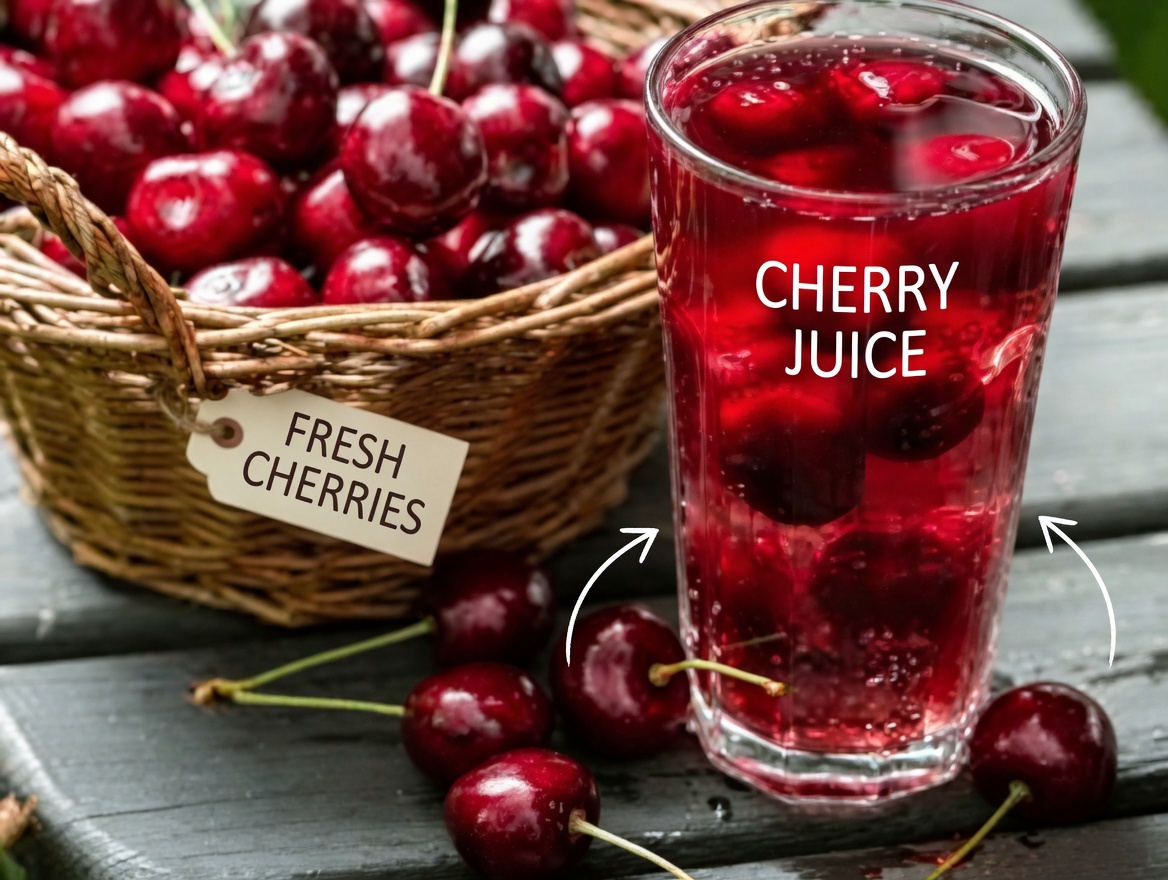
Among commonly eaten foods, tart cherries are frequently noted for their comparatively higher natural melatonin content. Lab analyses and research observations—particularly involving Montmorency tart cherries—show meaningful melatonin levels compared with many other fruits.
Cherries also contain beneficial plant compounds such as:
- Anthocyanins
- Phenolics
These antioxidants have been studied in various models for their potential role in helping manage inflammation and supporting cellular protection.
In real-life use, many people who add tart cherries in the evening report improvements such as better rest and feeling more refreshed in the morning—consistent with studies that associate tart cherry intake with sleep quality benefits.
They also provide vitamin C and fiber, making them a light option that can be easy on digestion for many people.
Blueberries: Small Fruit, Big Antioxidant Support
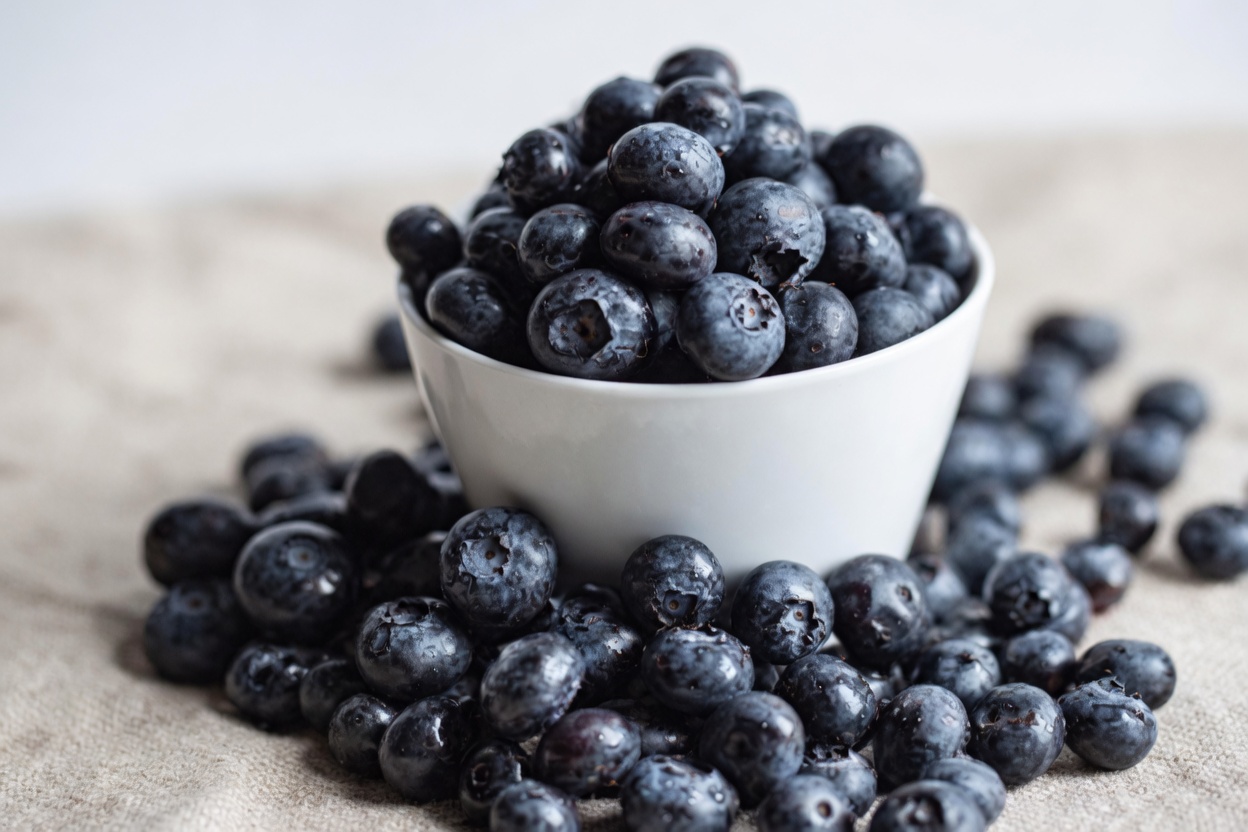
Blueberries are often labeled a “superfood” because they are rich in deep-blue anthocyanins, compounds strongly associated with antioxidant activity. Research—including lab and animal studies—has linked these plant nutrients with potential support for:
- Reducing oxidative damage
- Helping maintain a balanced inflammatory response
- General cellular resilience
A modest evening serving of blueberries can feel light but satisfying—naturally sweet with a pleasant tang. Broader scientific reviews also associate blueberries with benefits related to brain health and vascular function, adding to their reputation as a high-value fruit choice.
Why Cherries and Blueberries May Be Stronger Together
When combined, these fruits offer a complementary blend:
- Cherries: more notable dietary melatonin support
- Blueberries: diverse anthocyanins and flavonoids
Berry research often highlights antioxidant synergy, meaning plant compounds can work together to strengthen protective effects against free radicals. As an evening snack, this pairing provides supportive nutrients at a time when your body may be most focused on recovery.
Benefits You May Notice From This Evening Fruit Habit
While individual results vary, people often choose this routine for potential advantages such as:
- Possible improvements in sleep quality due to natural melatonin sources
- An antioxidant boost to help counter daily oxidative stress
- Support for healthier overnight inflammation balance, leading to better mornings
- Gentle nutritional support during deep-sleep recovery phases
- Added vitamin C for immune support
- A light snack that typically doesn’t feel heavy before bed
- A flavorful, low-calorie option that satisfies cravings
- A simple habit that fits easily into many evening routines
Quick Nutrient Overview
- Cherries (especially tart cherries): higher melatonin content, rich in anthocyanins and phenolic compounds; often discussed for rest support and inflammation balance
- Blueberries: moderate melatonin presence, high in anthocyanins and flavonoids; studied for cellular, brain, and overall antioxidant protection
Together, they provide melatonin support plus broad antioxidant coverage—a balanced approach for evening nutrition.
Easy Ways to Add Cherries and Blueberries at Night
Keep it simple and start small—no major changes required.
- Eat a small serving (about ½ cup) of fresh or frozen tart cherries 1–2 hours before bed
- Enjoy blueberries alone, or add them to plain yogurt
- Make a light smoothie: ½ cup cherries + ½ cup blueberries + water (or another simple base)
- Mix both fruits in a small bowl for variety and taste
Consistency matters more than intensity. Aim for most days of the week. If you notice digestive sensitivity, reduce the portion. If you manage blood sugar concerns or take medications, it’s wise to speak with a qualified healthcare professional before making this a regular routine.
Why Evening Timing May Feel Different
Eating these fruits at night may better align with your circadian rhythm, potentially complementing the body’s natural melatonin rise. Population studies and observational findings also associate regular berry consumption with healthier sleep patterns, though this is not a guaranteed solution for everyone.
As a simple wind-down ritual, a small fruit bowl can be both comforting and practical—ending the day with a sweet-tart flavor while giving your body additional nutritional support overnight.
Frequently Asked Questions
What makes cherries and blueberries particularly suited to evenings?
They contain natural melatonin and antioxidant compounds that may fit well with the sleep-and-repair cycle, based on nutritional analyses and sleep-related research.
How much should I eat before bed?
Many people do well with ½ to 1 cup total, eaten 1–2 hours before sleep. This is typically enough to be beneficial without overloading digestion.
Any precautions to consider?
These fruits are nutritious for most individuals. However, consult a healthcare professional if you have diabetes, use blood thinners, have allergies, or take medications—personal responses and interactions can vary.
Medical Disclaimer
This article is for informational purposes only and does not provide medical advice. It is not intended to diagnose, treat, cure, or prevent any disease. Always consult a qualified healthcare professional before making dietary changes, especially if you have medical conditions or take medications. Study outcomes vary, and individual results may differ.