
Many adults over 50 begin to notice subtle shifts—an afternoon slump that arrives earlier than it used to, mild joint stiffness, or brief lapses in memory that make everyday tasks feel more tiring. National health data also points to a common issue behind these experiences: nutrient gaps. In particular, low vitamin D and vitamin B12 levels are frequently reported in older populations, and over time they can contribute to reduced energy, lower resilience, and a general sense of declining vitality. These changes often appear gradually, quietly shaping how active and mentally sharp people feel as the years go by.

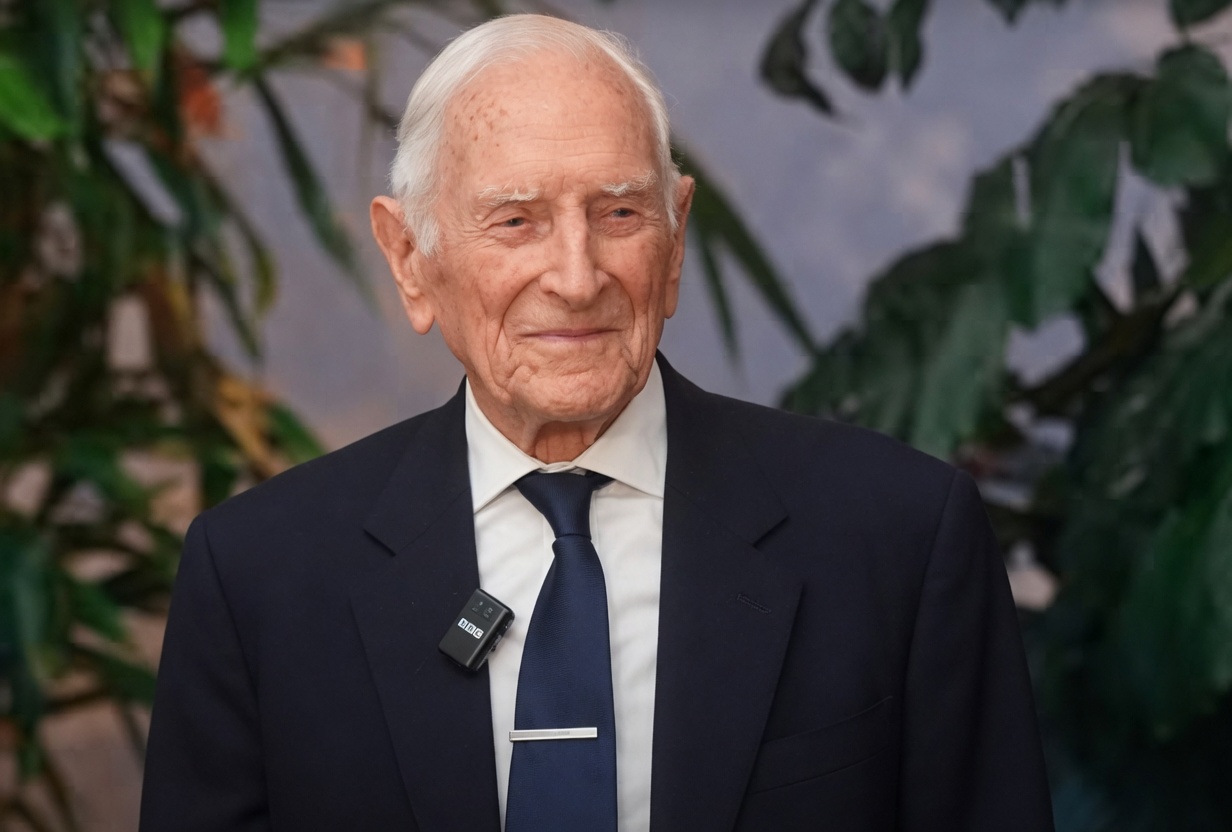
What if steady, realistic lifestyle habits—grounded in long-standing public health principles—could help support energy, mobility, and mental clarity well into later life? One compelling real-world example is Dr. John Scharffenberg, a Harvard-trained public health expert and longtime professor at Loma Linda University who remains active at over 100 years old. By the end of this article, you’ll learn the three nutrients he repeatedly highlights, along with the everyday habits that work together to create long-term impact.
Who Is Dr. John Scharffenberg? A Practical Model of Healthy Longevity
Dr. John Scharffenberg was born in 1923 in Shanghai. He graduated from Loma Linda University School of Medicine and later completed a Master of Public Health at Harvard. For more than six decades, he has taught nutrition as an adjunct professor at Loma Linda University—located in a well-known Blue Zone, where residents (notably many Seventh-day Adventists) often experience unusually long, healthy lives.
What makes his story especially interesting is that he does not credit genetics as the main driver of his longevity. In fact, his family history includes earlier deaths from serious conditions such as heart disease and Alzheimer’s. Dr. Scharffenberg instead emphasizes daily lifestyle choices. Even in advanced age, he has remained notably engaged—traveling, lecturing, and sharing health education widely, including online.
His habits strongly reflect Adventist health principles:
- A largely plant-based diet
- Consistent physical activity
- Regular rest
- Avoidance of tobacco and alcohol
Research involving Loma Linda’s Adventist community has repeatedly linked these patterns to longer life expectancy and healthier aging outcomes.
Next, let’s break down the foundations he prioritizes—starting with movement.
Exercise: Why Movement Becomes Non-Negotiable After Midlife
Dr. Scharffenberg describes daily exercise as “extremely important,” especially from midlife onward. One of his key points is easy to overlook: someone who carries extra weight but stays active may still have better health prospects than a sedentary person at a “normal” weight.
Long-term research consistently connects regular activity with lower risk of chronic disease and cognitive decline. Some studies suggest that sustained physical activity is associated with a significantly reduced risk of memory and thinking problems over time. Movement supports:
- Better circulation
- Healthier inflammation balance
- Improved brain-supportive factors
- Stronger muscles and mobility (critical for independence)
Simple ways to start (and keep going)
- Walk briskly for 30 minutes most days (start at 20 minutes if that’s more realistic)
- Add basic strength work 2–3 times per week, such as:
- Bodyweight squats
- Wall push-ups
- Light dumbbells or resistance bands
- Choose activities you actually enjoy:
- Gardening
- Dancing
- Walking with a friend
A common pattern many people report is that consistent walking improves daily energy and mental clarity within a few months. If your activity level is currently low, this single habit can create momentum fast.
But exercise is even more effective when paired with supportive eating.

The Plant-Focused Diet Advantage: Blue Zone Lessons from Loma Linda
In Loma Linda, many Seventh-day Adventists follow a predominantly vegetarian, whole-food style of eating. Studies on this community have associated these patterns with improvements in heart health, steadier energy, and more years of good function later in life.
Dr. Scharffenberg often emphasizes several core food groups:
- Legumes and whole grains
Beans, lentils, oats, and brown rice provide fiber and complex carbohydrates that support digestion and steadier blood sugar. - Nuts
A small daily portion (such as walnuts or almonds) is frequently associated in research with cardiovascular benefits. - Fruits and vegetables
Colorful produce supplies antioxidants and micronutrients that support overall wellness. - Soy foods
Options like tofu and soy milk provide plant protein and beneficial compounds commonly used in Adventist dietary patterns.
Many people find that eating more of these foods helps reduce everyday discomfort and supports a more stable sense of vitality. Large Adventist cohort studies have suggested that vegetarian dietary patterns may contribute to more healthy years over a lifetime.
Quick grocery list upgrades
- Add beans or lentils to soups, stews, or salads
- Keep nuts available for a simple snack
- Use tofu in stir-fries, bowls, or blended recipes
- Buy a variety of seasonal fruits and vegetables
A helpful self-check: How many plant-based meals do you eat each week? Even small increases can compound over time.
The Three Key Nutrients Dr. Scharffenberg Often Highlights
Nutrient requirements and absorption can change with age. Dr. Scharffenberg frequently points to three nutrients that many older adults do not get enough of.
- Vitamin A (from beta-carotene)
Found in carrots, sweet potatoes, and leafy greens. It supports vision and immune function. Plant-based sources (beta-carotene) are generally considered a safer long-term approach than high-dose preformed vitamin A. - Vitamin B12
B12 absorption commonly declines with age. Deficiency or insufficiency can occur even in people with varied diets. Fortified foods and supplements are often reliable tools to support nerve function and energy metabolism. - Vitamin D
Low levels are widespread, especially in people with limited sun exposure. Vitamin D is essential for bone health and helps the body use calcium effectively. Appropriate sun exposure and/or fortified foods or supplements (guided by a clinician when needed) can help.
Many experts recommend that older adults periodically check levels, particularly for B12 and D, and make adjustments based on personal needs. Dr. Scharffenberg generally encourages emphasizing food first, while using supplementation thoughtfully when appropriate.
Beyond Food and Exercise: Everyday Habits That Reinforce Vitality
Dr. Scharffenberg also avoids two major factors that can accelerate health decline:
- No tobacco
- No alcohol
He also emphasizes the value of:
- Community and purpose, which can reduce stress and strengthen consistency with good habits
- Regular rest, including reliable sleep and intentional downtime (often reflected in Sabbath-style rest traditions)
These practices may seem simple, but their power lies in long-term repetition—especially when started or strengthened in midlife.
Daily Habits at a Glance
- Exercise (daily, especially after midlife)
- Potential benefit: supports mobility and cognitive health
- Easy starting tip: take a 30-minute brisk walk most days
- Plant-forward eating (legumes, grains, nuts, fruits/vegetables)
- Potential benefit: heart support and more stable energy
- Easy starting tip: add beans to one meal per day
- Key nutrients (beta-carotene, B12, D)
- Potential benefit: addresses common age-related shortfalls
- Easy starting tip: eat more colorful vegetables and consider testing levels
- Avoid tobacco and alcohol
- Potential benefit: reduces major health risks
- Easy starting tip: replace evening routines with herbal tea or other non-alcohol habits
- Community and rest
- Potential benefit: stress management and recovery
- Easy starting tip: join a group or schedule downtime weekly
Stacking Habits: Why the Combination Works Better Than Any Single Change
The biggest advantage comes from consistency and synergy:
- Movement supports circulation, strength, and brain health
- Plant-centered meals improve nutrient density and metabolic stability
- Nutrient awareness helps correct common age-related gaps
Dr. Scharffenberg’s example reinforces one central idea: what you do in midlife and beyond matters—because these choices compound.
Try these quick steps this week
- Walk 20–30 minutes daily
- Eat one legume-based meal
- Get 10–15 minutes of safe sun exposure (as appropriate for your skin type and location)
- Track how you feel—energy, mood, and sleep quality
FAQ
What makes Loma Linda a longevity hotspot?
Loma Linda is recognized as a Blue Zone, where many Seventh-day Adventists practice plant-forward eating, regular activity, strong community ties, and restorative rest—habits linked in studies to longer, healthier lives.
Should everyone take vitamin supplements?
Not always. Many people can meet needs through food, but B12 and vitamin D are commonly low in older adults. Testing levels and discussing options with a healthcare professional is often a practical approach.
Can these habits work with a busy schedule?
Yes. Start with small, repeatable actions: a daily walk, adding beans to meals, and making time for consistent rest. Long-term consistency matters more than perfection.
Medical Disclaimer
This article is for informational purposes only and is not a substitute for professional medical advice. Consult a qualified healthcare provider before making health or supplement changes, especially if you have existing medical conditions or take medications.