Many people move through everyday life feeling unusually tired, bloated, or simply “not quite right,” without realizing these symptoms can sometimes reflect excess fat stored in the liver. This condition is called metabolic dysfunction-associated steatotic liver disease (MASLD)—previously known as non-alcoholic fatty liver disease (NAFLD). It’s extremely common worldwide and is strongly associated with excess body weight, insulin resistance, and ultra-processed diets. Research estimates that about 30–40% of adults globally are affected, and in the United States the number is often cited as around 1 in 3 adults—with many people unaware until the condition progresses.
What makes MASLD especially frustrating is how quietly it can develop. Early symptoms may look like “normal life” issues such as stress, busy schedules, or aging. Still, noticing subtle patterns—and making supportive lifestyle changes—can meaningfully improve how you feel. If persistent fatigue or stubborn abdominal discomfort keeps showing up, it may be worth exploring further. Toward the end, you’ll find evidence-based foods linked in research to liver support, plus a simple method to start using them consistently.
Why Fatty Liver Should Be Addressed Early
Your liver quietly performs essential tasks every day: filtering toxins, supporting digestion, helping regulate blood sugar, and managing fat metabolism, among many others. When fat accumulates inside liver cells (in people who aren’t heavy alcohol users), those functions can become strained over time. Studies connect this fat buildup to metabolic risk factors, including the rising rates of obesity and type 2 diabetes. Early on, MASLD may cause no obvious symptoms, but if it advances, it can contribute to inflammation and scarring.
Many people report feeling exhausted even after rest, or notice weight gain around the midsection despite trying to “do everything right.” According to widely cited clinical sources (including organizations like the American Liver Foundation and Mayo Clinic), fatigue and upper abdominal discomfort are among the most commonly reported early complaints. The encouraging news: lifestyle strategies—especially dietary patterns—can support liver health, ideally alongside medical evaluation and guidance.
14 Common Warning Signs to Watch For
These symptoms do not automatically mean you have MASLD, because they can overlap with many other health conditions. However, if several persist or worsen, it’s wise to speak with a healthcare professional. Evaluation may include blood tests (such as ALT and AST) and/or imaging.
-
Ongoing, unexplained fatigue
You sleep enough, yet you feel drained throughout the day. Fatigue is frequently reported in people with fatty liver. -
Stubborn belly fat or unexplained weight gain
Central weight gain often appears alongside metabolic changes associated with MASLD. -
Discomfort in the upper right abdomen
A dull ache, pressure, or sense of fullness beneath the right ribs—sometimes more noticeable after meals. -
Frequent headaches or “brain fog”
Difficulty concentrating, irritability, or forgetfulness may occur, potentially related to metabolic stress and toxin processing. -
Nausea or feeling overly full after eating
Queasiness, bloating, or discomfort even with smaller meals. -
Easy bruising or bleeding gums
The liver supports production of clotting factors; when liver function is impaired, bruising or bleeding may become more noticeable. -
Dark urine
Urine may appear tea-colored even when hydration is adequate. -
Pale or clay-colored stools
Light stools can be associated with bile flow changes. -
Reduced appetite or getting full quickly
A persistent lack of interest in food or early satiety. -
A feeling of swelling or fullness on the right side
A sense that something is “enlarged” under the ribs. -
Regular abdominal bloating
A swollen, tight feeling not clearly tied to overeating. -
Intense itching (especially palms and soles)
Itching can worsen at night and may relate to bile salt buildup. -
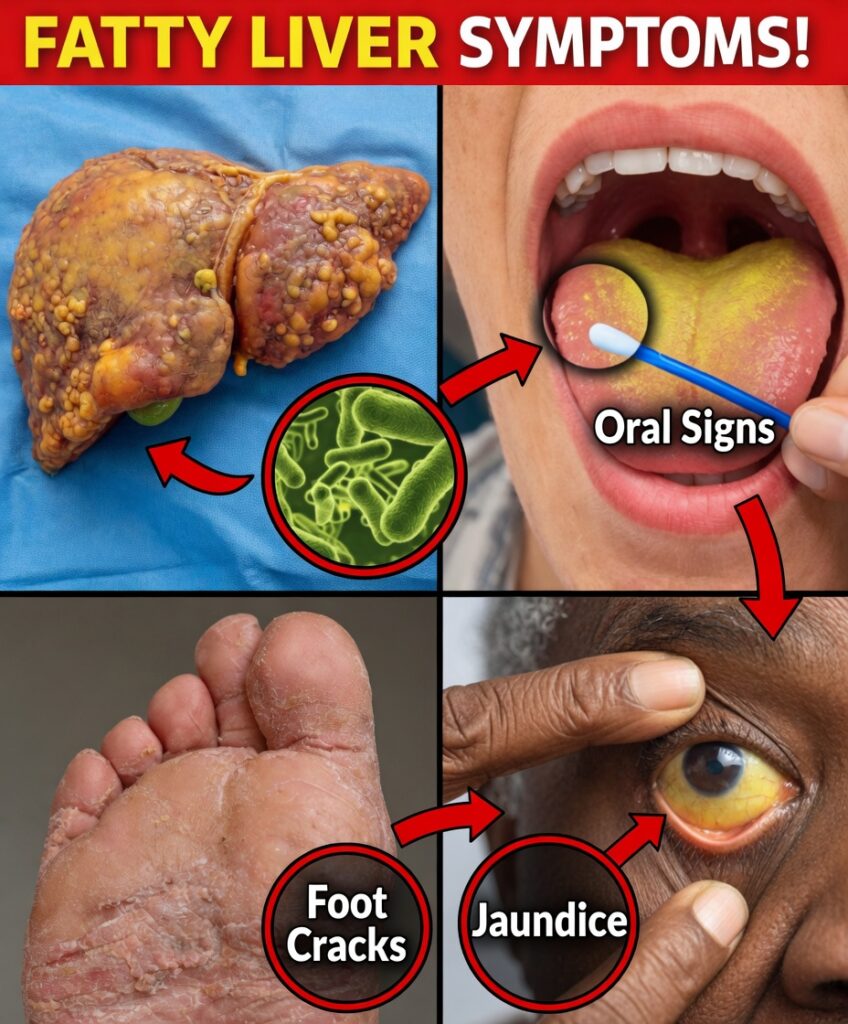
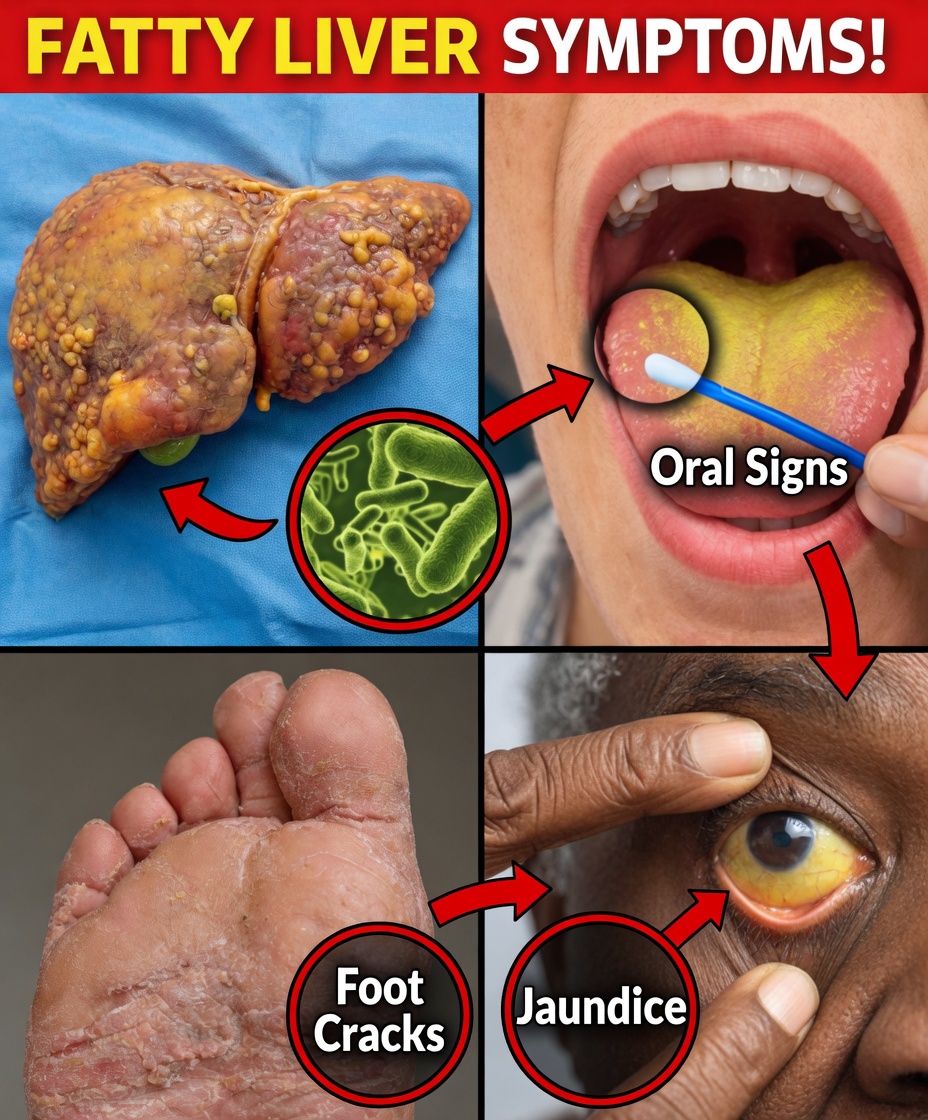
Yellowing of the skin or eyes (jaundice)
This is a serious sign—seek medical attention promptly. -
Confusion or mood changes
Brain fog that escalates to significant confusion can indicate more advanced issues and requires urgent evaluation.
If you recognize multiple symptoms—especially together—consider booking a medical visit to discuss liver enzymes (ALT, AST) and appropriate next steps. The positive takeaway is that many people feel better when they adopt supportive habits consistently.

Top Evidence-Based Foods That May Support Liver Health
Evidence—including research on Mediterranean-style eating patterns and clinical reviews—suggests certain foods may help reduce liver fat, support healthy inflammation balance, and assist natural detox pathways. The core principle is simple: prioritize whole, minimally processed foods.
-
Coffee
Large studies link coffee intake with a lower risk of liver disease progression.
Suggested amount: 2–3 cups/day, ideally black and unsweetened. -
Green tea
Contains catechins (including EGCG) studied for metabolic and liver effects.
Suggested amount: 2–3 cups/day. -
Garlic
Provides sulfur-containing compounds that support detox-related enzymes.
Suggested amount: 1–2 cloves/day. -
Extra virgin olive oil
A cornerstone of Mediterranean diets; rich in monounsaturated fats with anti-inflammatory properties.
Suggested amount: 1 tablespoon/day, used raw when possible. -
Cruciferous vegetables (broccoli, cauliflower, cabbage)
Support detoxification pathways and overall metabolic health.
Suggested amount: 3+ servings/week. -
Avocado
Offers healthy fats and antioxidants (including glutathione-related support).
Suggested amount: ½ avocado/day. -
Turmeric with black pepper
Curcumin is widely studied for inflammation support; black pepper can improve absorption.
Suggested amount: 1 teaspoon turmeric + a pinch of black pepper. -
Citrus fruits (lemons, oranges)
Provide vitamin C and compounds that support enzyme activity.
Easy start: add lemon to water. -
Fatty fish (salmon, sardines, mackerel)
Omega-3 fats are associated with improved inflammation markers.
Suggested amount: 2 servings/week. -
Whole grains (oats, quinoa, brown rice)
Fiber supports blood sugar control and cholesterol management—both relevant to MASLD risk.
Suggested habit: swap refined grains for whole grains most days. -
Beets
Contain betaine and antioxidants studied for liver stress support.
Suggested amount: include regularly (for example, weekly). -
Water
Supports overall metabolic function and digestion.
Suggested amount: 2–3 liters/day (adjust for body size, climate, and activity).
Quick Reference: Liver-Supportive Foods at a Glance
| Food | Main Potential Benefit | Suggested Amount | Study-Linked Timeline (Approx.) |
|---|---|---|---|
| Coffee | Associated with lower progression risk | 2–3 cups/day | 4–8 weeks |
| Green tea | May help reduce fat accumulation | 2–3 cups/day | 3–6 weeks |
| Garlic | Supports detox enzyme activity | 1–2 cloves/day | 2–4 weeks |
| Turmeric + black pepper | Anti-inflammatory support | 1 tsp + pinch | 2–4 weeks |
| Salmon (fatty fish) | Omega-3s support inflammation balance | 2 servings/week | 4–8 weeks |
| Avocado | Healthy fats + antioxidant support | ½/day | 3–6 weeks |
| Beets | May reduce liver stress markers | 1–2 cups/week | 2–4 weeks |
Results differ by person. Track symptoms (energy, digestion, discomfort) and involve your healthcare provider—especially if symptoms are persistent.

A Simple 30-Day Starter Plan
Weeks 1–2: Build the foundation
- Start your day with lemon water
- Add green tea daily
- Use garlic in meals (soups, sauces, stir-fries)
- Drizzle extra virgin olive oil on salads or cooked vegetables
- Prioritize steady hydration
- Track energy and bloating daily on a simple 1–10 scale
Week 3: Add targeted support foods
- Introduce turmeric + black pepper (in soups, eggs, rice, or warm drinks)
- Add avocado
- Replace refined carbs with whole grains
Week 4 and beyond: Expand variety + consistency
- Add fatty fish (like salmon) twice weekly
- Include beets and cruciferous vegetables
- If appropriate for you, incorporate coffee (limit sugar and creamers)
- Pair nutrition with 30 minutes of walking daily
While adding these supportive foods, reduce:
- Added sugars
- Refined carbohydrates
- Fried and heavily processed foods
Also prioritize sleep and regular movement—both are strongly tied to metabolic health.
Final Thoughts
Noticing potential warning signs early—and making consistent, supportive food choices—can be an empowering step toward feeling more energized and balanced. Many people report better energy, less bloating, and improved overall comfort when small changes become steady habits.
FAQ
What’s the most common early sign of fatty liver?
Fatigue is one of the most frequently reported early complaints, often paired with upper abdominal discomfort.
Can diet alone fix fatty liver?
Diet can play a major role—especially Mediterranean-style eating patterns—but it should be combined with professional medical guidance, monitoring, and attention to lifestyle factors like activity and sleep.
When should I see a doctor?
If symptoms persist—or if you notice jaundice, swelling, or confusion—seek medical care promptly. Testing often includes ALT/AST blood work and sometimes imaging.
This article is for informational purposes only and does not replace professional medical advice. Consult a healthcare provider before making major dietary changes, especially if you have symptoms, existing conditions, or take medications. Early evaluation is the best way to protect long-term liver health.