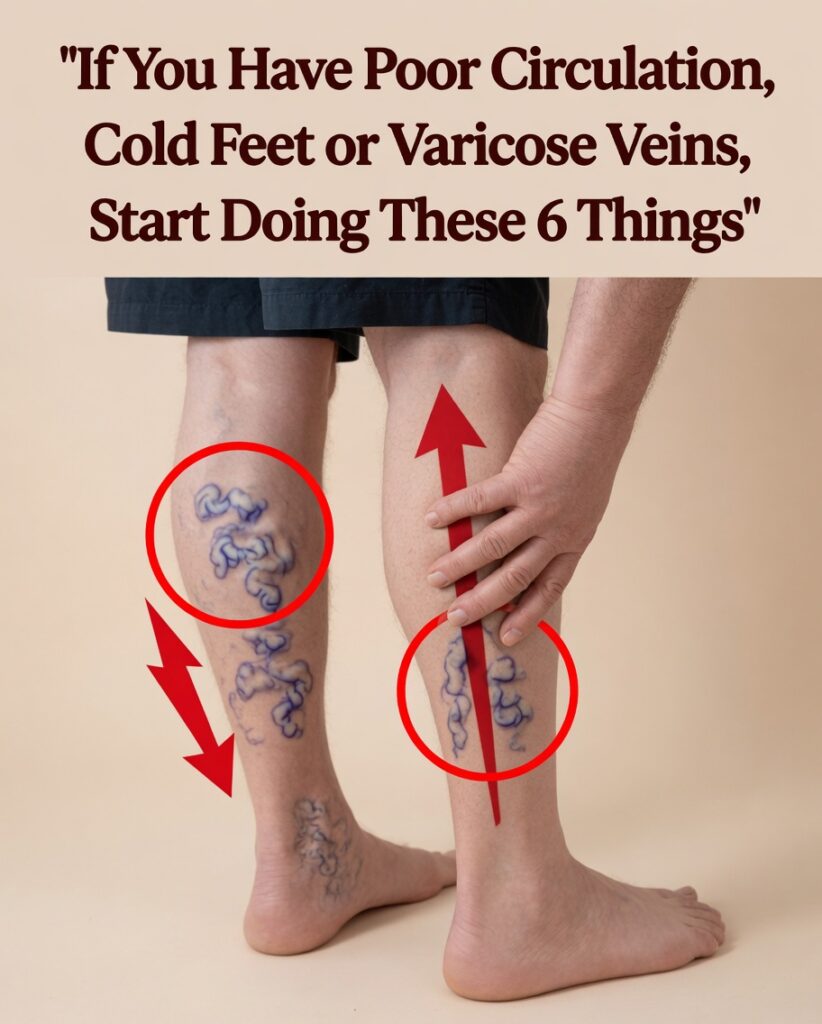
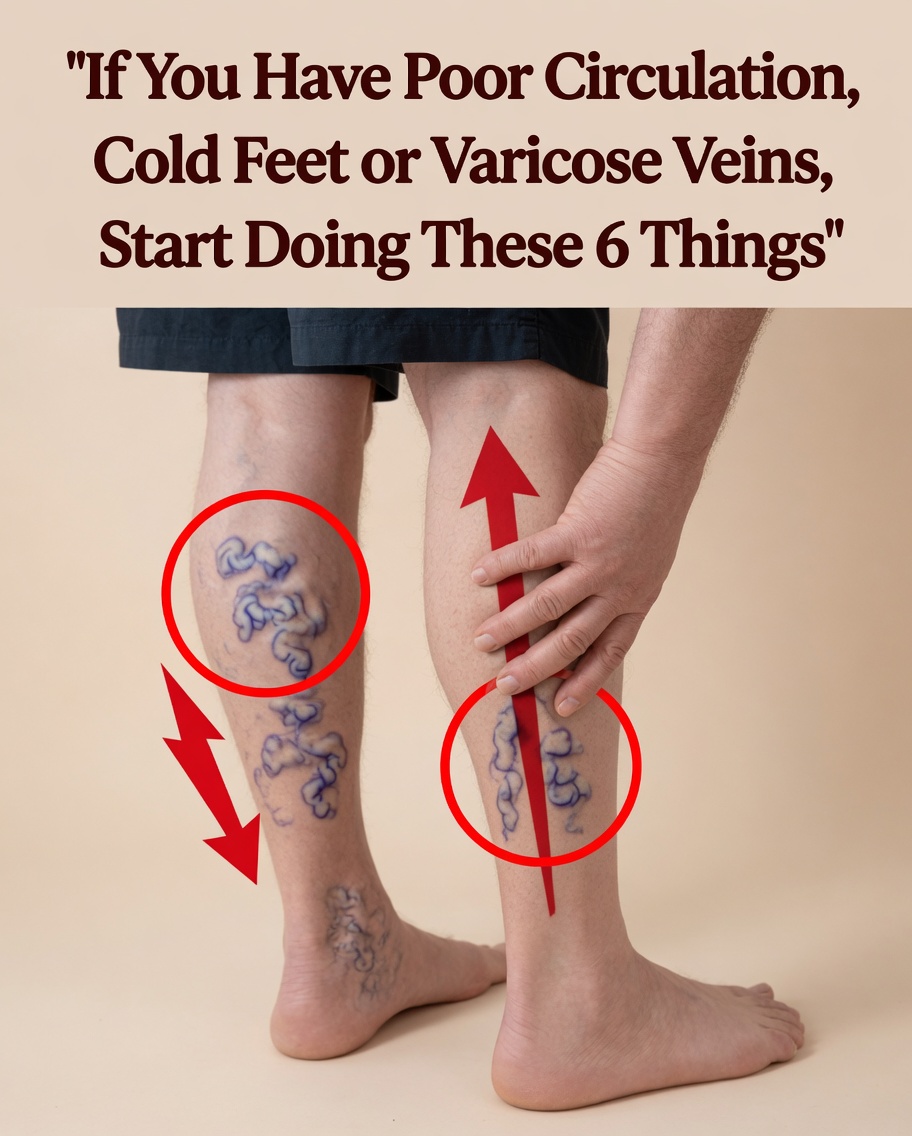
Do your feet feel unusually cold even when the room is comfortable? Do your legs get heavy, tired, or achy—and maybe you’ve even noticed more visible or bulging veins than before? These are common signs that blood circulation in the lower legs may not be working as efficiently as it should. When blood has a harder time traveling back up to the heart, it can pool in the leg veins, increasing pressure and discomfort over time. This often shows up after long hours of sitting or standing, making everyday tasks feel more draining and sometimes affecting confidence.
The encouraging news: small, repeatable daily habits can support healthier blood flow and help your legs feel lighter. Below are 6 practical, expert-aligned strategies often recommended for improving leg circulation and venous return—and a frequently missed tip at the end that helps everything work better together.
Why Leg Circulation Deserves More Attention
Reduced circulation in your legs isn’t only about cold feet or fatigue. Over time, it may contribute to swelling, aching, discomfort, and more noticeable vein changes. Guidance and research summarized by institutions such as the Mayo Clinic and Cleveland Clinic frequently emphasize that consistent lifestyle habits—especially movement and supportive routines—can reduce strain on the lower limbs and promote better venous return.
The key word is consistency. These are not instant fixes, but daily practices that compound over weeks.
Habit 1: Elevate Your Legs (Correctly and Often)
One of the simplest ways to help blood move upward is to raise your legs above heart level. When your feet are elevated, gravity assists blood returning toward your heart, which can reduce pooling in the lower extremities.
How to do it:
- Aim for 15–20 minutes, 3–4 times per day
- Use stacked pillows on the couch, a recliner, or a supportive footrest
- Try it after work or while relaxing in the evening
Many people find that regular elevation helps ease swelling and leg heaviness, especially after a long day.
Habit 2: Use Gentle, Consistent Exercise to Activate the “Calf Pump”
Your calf muscles function like a natural pump. Each step and ankle movement helps push blood upward through the veins. That’s why low-impact activity is often ideal: it boosts circulation without excessive stress.
Circulation-friendly movement options:
- Brisk walking 30 minutes daily (start with 10–15 minutes if needed)
- Cycling (stationary or outdoors)
- Swimming or water aerobics (buoyancy reduces joint strain)
- Simple seated moves like ankle circles or calf raises
Health-focused organizations (including the British Heart Foundation) and medical education sources commonly note that steady movement supports vascular function and can reduce symptoms like cold extremities.
Habit 3: Interrupt Long Sitting or Standing Sessions
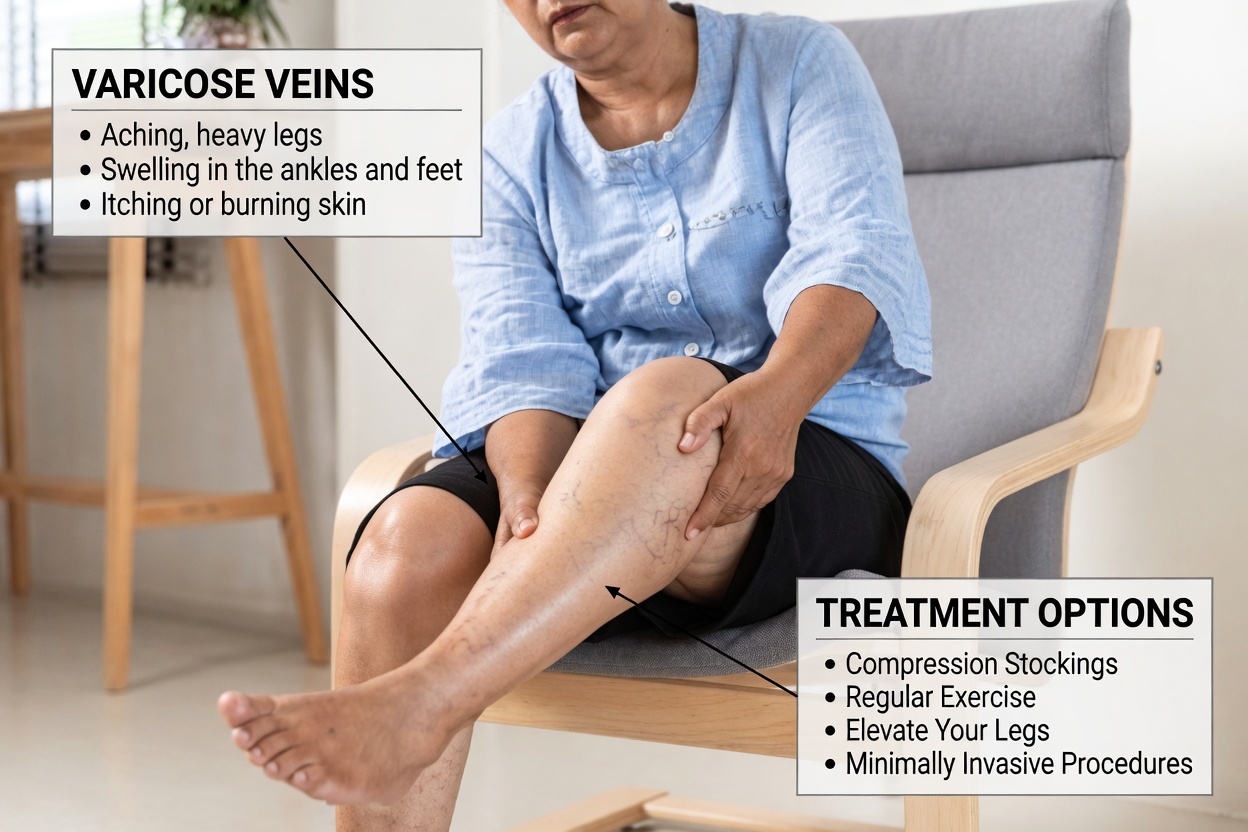
Staying in one position too long—either sitting or standing—encourages blood to settle in the lower legs. A practical fix is building in brief movement breaks that keep circulation active.
Try this routine:
- Set a timer for every 30 minutes
- Move for 1–2 minutes: stand, walk, or do gentle marching in place
- If you stand for work: shift your weight, rise onto your toes, or flex your calves subtly
These “micro-breaks” help prevent stagnation and reduce ongoing pressure on the leg veins.
Habit 4: Consider Graduated Compression Stockings (With Proper Fit)
Medical compression stockings apply graduated pressure—strongest at the ankle and gradually lighter up the leg—helping veins move blood upward more efficiently. Many people experience less leg fatigue, heaviness, and swelling with consistent use.
Key points to keep in mind:
- Look for graduated compression, not just tight socks
- Mild support is often around 15–20 mmHg, but needs vary
- Proper sizing matters—consider professional fitting or medical advice
Reviews and clinical discussions (including those indexed by the National Institutes of Health) support compression as a practical tool for vein-related symptoms.
In simple terms:
- Without compression: blood can pool more easily, increasing heaviness
- With compression: veins get support, improving upward flow and comfort
Compression isn’t a cure-all, but it can be a valuable daily aid.
Habit 5: Support Circulation Through Nutrition, Hydration, and Healthy Weight
Your daily diet influences circulation more than many people realize. Excess body weight can increase pressure on leg veins, while high sodium intake may contribute to fluid retention—both of which can worsen leg discomfort.
Practical circulation-supporting choices:
- Prioritize fiber-rich foods (vegetables, fruit, beans, whole grains) to reduce straining and support digestion
- Limit high-salt processed foods and excessive added sugars
- Stay well-hydrated (often around 8+ glasses/day, depending on your needs)
- Maintain a healthy weight through balanced meals and regular activity
Health education sources such as WebMD often highlight hydration and weight management as important for healthy blood flow and overall vascular support.
Habit 6: Keep Feet Warm Safely—and Add Simple Supportive Techniques
Cold feet can feel more intense when circulation is sluggish. Gentle warmth can help, but extremes may not.
Better ways to stay comfortable:
- Wear warm socks or breathable layers (avoid overheating)
- Skip long, very hot foot soaks (heat can temporarily widen veins)
- Consider ending showers with a brief cool rinse to encourage vessel tone
You can also add a light self-care step:
- Self-massage upward from ankles toward thighs for a few minutes daily to encourage flow
Additional helpful habits:
- Avoid overly tight clothing around the waist, hips, or legs
- If you smoke, seek support to quit—smoking can constrict blood vessels
- Keep hydration steady throughout the day
Putting It Into a Routine: Small Steps, Strong Results
These habits work best when combined. For example, elevate your legs while hydrating, take micro-breaks during work hours, and add compression stockings when you know you’ll be on your feet for long periods. Many people notice improvements—such as lighter legs and warmer feet—after a few weeks of consistent practice.
The often-overlooked factor that ties everything together: posture and planned breaks. When you become intentional about how you sit, stand, and move throughout the day, each habit becomes more effective.
FAQ
-
How soon can you notice better leg circulation from these habits?
Many people feel some relief—like less heaviness or warmer feet—within 2–4 weeks of daily consistency, though results vary. -
Are compression stockings safe for everyone?
They are helpful for many people, but you should consult a clinician first if you have arterial disease, diabetes-related complications, or certain skin conditions. -
Can exercise make visible veins worse?
Low-impact activities (especially walking and swimming) typically support circulation rather than worsen it. If veins are very prominent or painful, start gently and consider medical guidance.
Disclaimer: This content is for informational purposes only and does not replace professional medical advice. If symptoms persist, worsen, or include significant pain, sudden swelling, skin color changes, sores, or other concerns, seek personalized care from a qualified healthcare provider.