A Comforting Herbal Infusion for Everyday Digestion, Hydration, and Balance
Finishing a meal should leave you satisfied—not weighed down by that heavy, bloated feeling. For many people, occasional digestive discomfort, day-to-day physical stress, or the simple need for a flavorful alternative to plain water or caffeinated beverages is reason enough to reach for an herbal drink.
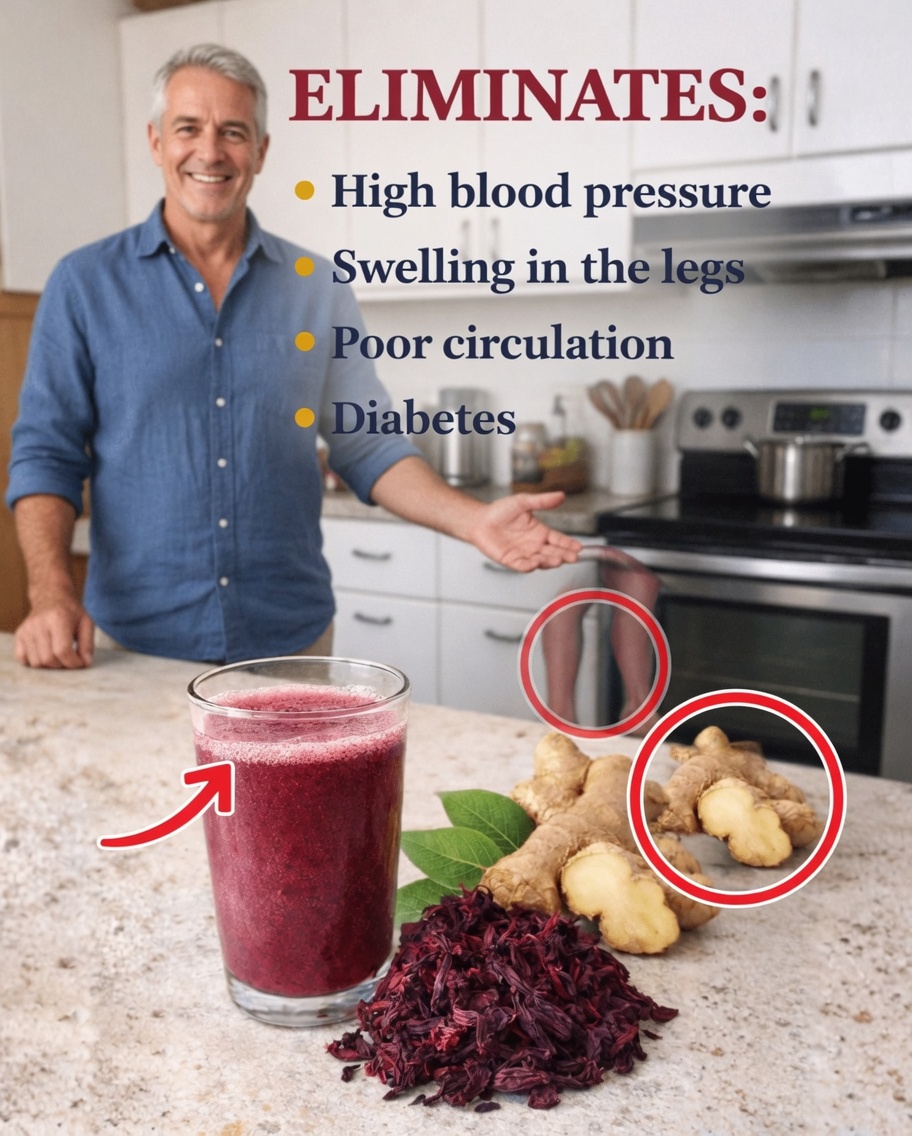
This caffeine-free infusion combines ginger, bay leaves, and hibiscus into one vibrant cup: warming, tart, and gently soothing. Because these are familiar pantry ingredients, it’s easy to make this tea part of a daily routine—hot in cooler months or chilled as a refreshing iced drink.
Why Ginger, Bay Leaves, and Hibiscus Work So Well Together
This blend stands out because each ingredient brings its own strengths—yet the flavors and traditional uses complement one another naturally.
- Ginger (Zingiber officinale) contains gingerol and other bioactive compounds. Research summaries and clinical reviews (including sources such as Johns Hopkins Medicine) commonly highlight ginger’s role in supporting digestion, helping with occasional nausea, and offering anti-inflammatory activity.
- Bay leaves (Laurus nobilis) include eugenol and aromatic volatile compounds. In traditional herbal practices, bay leaf is often used as a carminative, meaning it may help ease trapped gas and promote mild digestive comfort.
- Hibiscus (Hibiscus sabdariffa calyces) is rich in anthocyanins, vitamin C, and polyphenols. Reviews and meta-analyses (including publications in Nutrition Reviews and the Journal of Hypertension) frequently associate regular hibiscus intake with modest support for healthy blood pressure, antioxidant protection, and overall cardiovascular wellness.
Combined in a simple steeped drink, the result is often described as invigorating yet calming—a bright, pleasant tea that supports hydration without caffeine.
7 Potential Benefits of Ginger, Bay Leaves, and Hibiscus Tea
1) Digestive comfort and less bloating
Ginger is widely used to support gut motility and digestive function. Bay leaves are traditionally used to ease gas and mild stomach discomfort. Hibiscus may contribute gentle fluid-balance effects. Many people notice they feel “lighter,” especially after heavier meals—often with consistent use.
2) Gentle support for blood pressure balance
Hibiscus is the best-known ingredient here, with research reviews reporting modest reductions in systolic and diastolic blood pressure in some groups. Ginger may offer mild circulation support, while bay leaves contribute additional plant compounds that complement an overall wellness routine.
3) Antioxidant and anti-inflammatory support
Hibiscus anthocyanins are valued for strong antioxidant activity, gingerol is linked with anti-inflammatory effects, and bay leaves add protective phytochemicals. Together, the blend may help your body handle everyday oxidative stress.
4) Immune-friendly daily ritual
Hibiscus provides vitamin C, and ginger and bay leaf are traditionally appreciated for their antimicrobial and soothing properties. Many people enjoy this tea most during seasonal shifts or whenever they want a comforting, warming cup.
5) Metabolism and blood sugar support (mild, lifestyle-friendly)
Some studies suggest ginger may influence glucose-related pathways, while hibiscus has been explored for metabolic effects. Bay leaves have also been discussed in traditional wellness contexts. As a low-calorie beverage, this tea can be a smart swap for sugary drinks—an easy step that supports healthier daily habits.
6) Heart and cholesterol wellness support
Research summaries often link hibiscus with improvements in lipid markers (such as LDL cholesterol) in certain populations. Combined with ginger’s circulation-related benefits and the blend’s overall antioxidant profile, this tea may support cardiovascular wellness alongside a heart-healthy diet and lifestyle.
7) More enjoyable hydration and a “lighter” daily feel
One of the most practical benefits is taste: hibiscus brings a cranberry-like tartness, ginger adds warmth, and bay leaf adds subtle herbal depth. When hydration tastes better, people tend to drink more consistently—often reporting better overall comfort and vitality.
Quick Ingredient Breakdown: What Each One Adds
-
Ginger
- Key compounds: gingerol, antioxidants
- Commonly associated with: digestion support, anti-inflammatory activity
- Flavor: warm, spicy
-
Bay leaves
- Key compounds: eugenol, aromatic volatiles
- Commonly associated with: gas relief, gentle digestive comfort
- Flavor: earthy, herbal
-
Hibiscus
- Key compounds: anthocyanins, vitamin C, polyphenols
- Commonly associated with: antioxidant support, modest blood pressure support
- Flavor: tart, cranberry-like
Simple Recipe: Ginger, Bay Leaves, and Hibiscus Herbal Tea
Ingredients (makes about 4–6 cups)
- 1–2 inch piece of fresh ginger, sliced or grated (adjust for heat)
- 4–6 dried bay leaves
- ¼–½ cup dried hibiscus petals (or 2–3 hibiscus tea bags)
- 4–6 cups water
- Optional: honey, lemon, or a cinnamon stick
Instructions
- Bring the water to a boil.
- Add ginger, bay leaves, and hibiscus.
- Reduce heat and simmer for 10–15 minutes (longer for a stronger brew).
- Strain into mugs or a pitcher.
- Enjoy hot, or cool and serve iced.
Tip: This blend tastes especially bright over ice in warm weather, with a lemon slice for extra lift.
How to Drink It Safely and Comfortably
- Start gradually: Try 1 cup per day at first and notice how you feel.
- Choose the right time: Morning for a refreshing start, or evening to unwind. If hibiscus feels noticeably diuretic for you, avoid drinking it late.
- Sweeten lightly: Keep it low-sugar—use a small amount of honey, or rely on lemon and spices for flavor.
- Check interactions: If you take medication—especially for blood pressure or blood sugar—consult a healthcare professional before making it a daily habit.
- Storage: Refrigerate leftovers and drink within up to 3 days.
A Simple Ritual with a Natural “Boost”
Ginger, bay leaves, and hibiscus create a tart, warming, caffeine-free drink that may support digestion, provide antioxidant protection, offer gentle blood pressure support, and make daily hydration more enjoyable. If you want an easy, flavorful wellness habit, this tea is a great place to start.
Serving idea: Brew a batch, chill it overnight, and add lemon for a bright, spa-style iced tea.
FAQ
What does ginger, bay leaves, and hibiscus tea taste like?
It’s tart and fruity from hibiscus, warm and spicy from ginger, and subtly herbal from bay leaves. It works well both hot and iced.
How often can I drink this herbal blend?
Many people enjoy 1–2 cups per day as part of a balanced routine. If you’re new to hibiscus or ginger, start with one cup and adjust based on your comfort.
Can I customize the recipe?
Yes. Popular additions include:
- Cinnamon for warmth
- Lemon for extra brightness
- A small amount of honey for gentle sweetness
Medical note
This article is for informational purposes only and is not a substitute for professional medical advice.