
Eating for Long-Term Health in a Processed-Food Era
Between ultra-processed snacks and sugar-loaded beverages, it’s easy to wonder how everyday eating patterns might quietly shape long-term health. Major research groups, including the American Institute for Cancer Research (AICR) and MD Anderson Cancer Center, estimate that roughly 30–50% of cancers may be associated with lifestyle factors, with diet as one important piece.
No single ingredient can “prevent” or “fight” cancer on its own. However, a plant-forward eating pattern—rich in vegetables, fruits, whole grains, and legumes—supports overall wellness by delivering fiber, antioxidants, and anti-inflammatory compounds that help protect cells and promote healthy body systems.
The encouraging part: small, enjoyable changes can add up. Below are 16 evidence-inspired foods, plus practical ways to use them and a final “synergy” idea that makes them even more effective as part of daily life.

Why What You Eat Matters Today
Many modern diets are dominated by refined carbohydrates, added sugars, and heavily processed foods. Research from sources such as Harvard and the World Cancer Research Fund links these patterns with inflammation, weight gain, and higher risk for certain cancers. If you often feel sluggish after eating or struggle to maintain steady energy, these dietary habits may be part of the story.
A sustainable shift doesn’t require extreme rules. Organizations like AICR consistently emphasize whole, colorful, plant-based foods to support:
- Gut health
- Balanced blood sugar
- Lower oxidative stress
There are no magic shortcuts—just consistent, flavorful choices that build over time.
Foundation Foods: The Daily Staples to Build Around
1) Quinoa: A Nutrient-Dense Alternative to Refined Grains
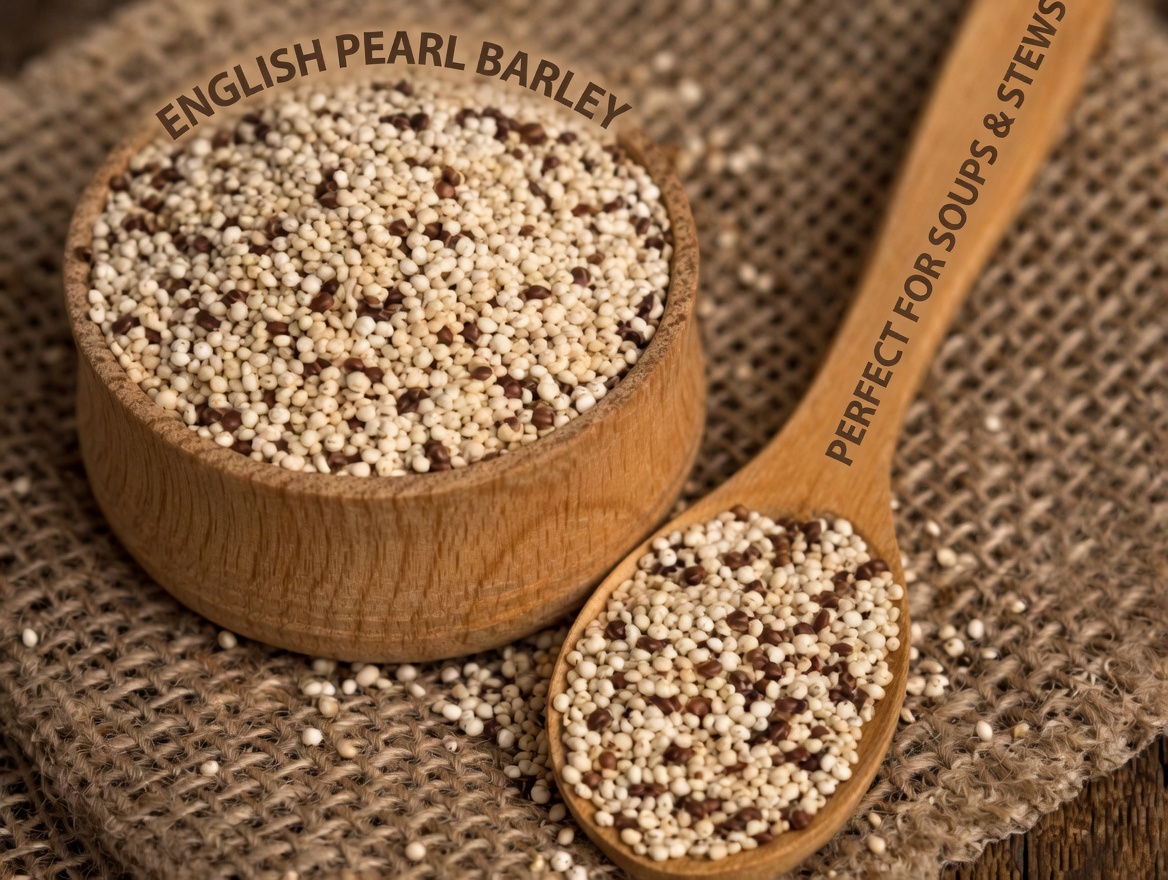
Quinoa is a complete protein and naturally high in fiber, with a low glycemic index that can help support steadier energy. It also contains polyphenols, which have antioxidant activity in lab research.
If white rice leaves you feeling heavy or hungry soon after eating, quinoa’s nutty texture is an easy upgrade. Try it as a base for a vegetable-packed salad or a warm bowl with beans and greens.
2) Green Tea: A Simple Antioxidant Habit
Green tea contains catechins, including EGCG, which observational studies have associated with lower risk for certain digestive cancers. For best flavor and potential benefit, steep fresh leaves or quality bags for 2–3 minutes.
Practical note: if you’re concerned about iron absorption, consider avoiding green tea right with iron-rich meals. Many people enjoy it as a calm, daily ritual that supports focus and hydration.
3) Turmeric: The Golden Spice (Best with the Right Pairings)
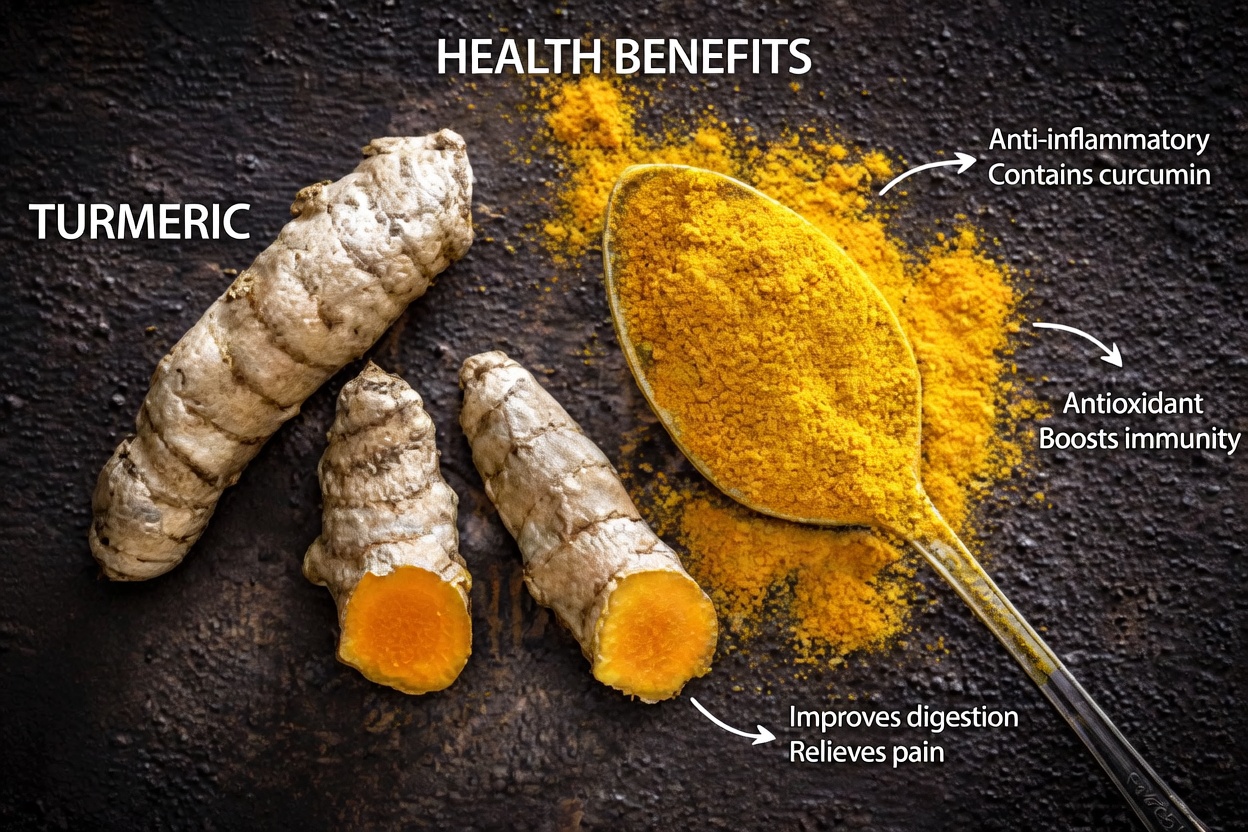
Turmeric’s key compound, curcumin, is widely studied for its anti-inflammatory properties. For better absorption, combine it with:
- Black pepper (piperine can significantly increase uptake)
- A fat source (such as milk, yogurt, olive oil, or coconut milk)
A popular option is golden milk—a warm turmeric drink with pepper and a little fat—often used as a soothing evening routine.
4) Carrots: Crunchy Beta-Carotene Support
Carrots are rich in beta-carotene, a nutrient linked to immune support and cellular protection. Enjoy them raw or lightly cooked, and remember that their fiber also supports digestive health—especially relevant for colorectal wellness.
Easy ideas: snack on carrot sticks, toss shredded carrots into salads, or blend into smoothies.
Momentum Builders: Add More Protection with Simple Upgrades
These foods are easy to rotate into breakfast, snacks, and main meals—without overhauling your routine.
- 5) Brown rice: A whole-grain swap that adds more fiber and nutrients than refined grains.
- 6) Oats: Rich in fiber and beta-glucans that support gut health and blood sugar balance. Overnight oats make breakfast nearly effortless.
- 7) Lemon: A simple way to boost hydration and add vitamin C. Many people like warm lemon water in the morning.
- 8) Flaxseeds: Use ground flax (about 1–2 tablespoons daily) for omega-3s and lignans. Sprinkle into yogurt, oats, or smoothies.
- 9) Amaranth: An ancient grain containing polyphenols and squalene, used in porridge or as a rice alternative.
These “base layer” foods work even better when combined regularly—diet quality is about patterns, not perfection.
Next-Level Additions: Go Beyond the Basics
10) Garlic: Unlock Its Potential by Preparing It Right
Garlic’s benefits depend partly on how you use it. Chop or crush garlic, then let it sit for about 10 minutes to allow allicin to form. Studies suggest garlic compounds may support detoxification pathways.
Try it in salad dressings, dips, or lightly cooked in vegetables—gentle cooking helps preserve flavor and activity.
11) Berries: Antioxidant-Rich and Easy to Use Year-Round
Berries (blueberries, strawberries, raspberries, and more) provide anthocyanins and ellagic acid, plus fiber when eaten whole. Frozen berries are a convenient option when fresh fruit isn’t available.
Simple uses: stir into oats, blend into smoothies, or top plain yogurt.
12) Lentils: Budget-Friendly Protein and Fiber
Lentils offer a powerful combination of plant protein + fiber, supporting fullness and gut health. They’re also versatile—great in soups, salads, and grain bowls.
13) Fermented Soy (Tofu, Miso): A Balanced Choice
Fermented soy foods provide phytoestrogens that have been studied in relation to hormonal balance. Moderation matters, and many people prefer organic options when possible.
Try miso in soups or tofu in stir-fries and bowls.
14) Onions: Everyday Compounds with Big Benefits
Onions contain quercetin and sulfur-based compounds. Enjoying them raw (when tolerated) can maximize certain active components. Add thin slices to salads, sandwiches, or grain bowls for extra punch.
15) Mushrooms (Shiitake, Maitake): Immune-Supporting Beta-Glucans
Certain mushrooms, including shiitake and maitake, contain beta-glucans that may support immune function. Light sautéing is a practical way to enjoy them without overprocessing.
16) Whole-Grain “Glue” That Pulls Meals Together
If you’re trying to make plant-forward meals more satisfying, keep rotating whole grains (like oats, brown rice, quinoa, and amaranth) as your “meal anchors.” They make it easier to eat more vegetables, beans, mushrooms, and flavorful add-ins consistently.
Smart Synergies (Where the Real Power Lives)
These foods become more impactful when paired intentionally:
- Turmeric + black pepper + fat (better curcumin absorption)
- Berries + ground flax in oats (fiber + antioxidants + healthy fats)
- Garlic + mixed vegetables in stir-fries or roasted trays (easy volume and variety)
AICR emphasizes that plant-predominant dietary patterns may support meaningful risk reduction through combined, cumulative effects—not from any single “superfood.”
Real-life examples often look simple: someone swaps white rice for quinoa and adds green tea and feels steadier energy within weeks; another adds a nightly turmeric drink and notices improved daily comfort. These are not cures—just realistic shifts that help build vitality.
Easy Daily Swaps (Small Changes, Big Consistency)
| Common Habit | Better Option | Why It Helps |
|---|---|---|
| White rice | Quinoa or brown rice | More fiber, protein, and antioxidants |
| Sugary drinks | Green tea | Catechins that support cellular health |
| Processed snacks | Berries + ground flax | Antioxidants + healthy fats + fiber |
| Low-fiber meals | Oats or lentils | Better gut health and steadier energy |
A Practical Starter Plan (About 30 Days)
- Weeks 1–2: Add quinoa, green tea, and lemon water—one simple serving each day.
- Weeks 3–4: Bring in turmeric (with pepper) and carrots (golden milk or raw snacks).
- Week 5 and beyond: Rotate in berries, garlic, mushrooms, lentils, onions, oats, amaranth, and fermented soy for variety and consistency.
The most sustainable approach is to start with one change today, then build momentum.
Final Takeaway: A Plant-Rich Pattern That Supports Your Body
Making these 16 foods part of a colorful, plant-forward routine supports your body’s natural defenses through nutrients that research links with overall wellness. The key isn’t restriction—it’s consistency, enjoyment, and variety.
Pick one action now: brew a cup of green tea, add quinoa to a salad, or top oats with berries and ground flax. Over time, these small habits can help support energy, confidence, and proactive health.
FAQ
What’s the easiest way to begin eating more of these foods?
Start with one or two swaps—for example, green tea instead of soda, or quinoa in place of white rice. Gradual changes are more likely to stick.
Can these foods replace medical care or cancer screenings?
No. Follow recommended screenings and speak with your clinician. Diet can support health, but it does not replace professional care.
Are supplements as effective as whole foods?
Whole foods offer synergy—fiber, vitamins, minerals, and bioactive compounds working together. Organizations like AICR generally prioritize food-first strategies over isolated supplements.
Disclaimer: This article is for informational purposes only and does not provide medical advice. Consult a qualified healthcare professional before making dietary changes, especially if you have a medical condition.