
Living with kidney challenges often means paying closer attention to food choices—especially when you’re monitoring markers like creatinine and glomerular filtration rate (GFR/eGFR). When kidney function is reduced, certain minerals may accumulate more easily, which can contribute to issues like swelling, fatigue, and general discomfort. That’s why many people look for meals that are both satisfying and aligned with a kidney-friendly diet.
The encouraging news: several common vegetables are naturally low in potassium, phosphorus, and sodium, making them practical options for renal-conscious eating. Below are five standout vegetables that are generally gentle on the kidneys—plus simple ways to use them every day.

Why Low-Potassium, Low-Phosphorus Vegetables Matter for Kidney Support
When the kidneys aren’t filtering efficiently, electrolytes and minerals—particularly potassium, phosphorus, and sodium—can become harder to balance. Choosing vegetables that are lower in these minerals can help reduce the body’s load while still providing important nutrients like:
- Fiber (supports digestion and waste elimination)
- Vitamins (such as vitamin C and K)
- Antioxidants and phytochemicals (help protect cells from oxidative stress)
Kidney nutrition guidance from widely used renal diet resources emphasizes that low-potassium vegetables can be a smart foundation because they offer nutrition without pushing mineral intake too high. In addition, diets higher in plant-based fiber are often associated with better gut health and may support metabolic balance—an important consideration for people trying to protect kidney function over time.
1. Cabbage: Affordable, Light on Minerals, High in Nutrients
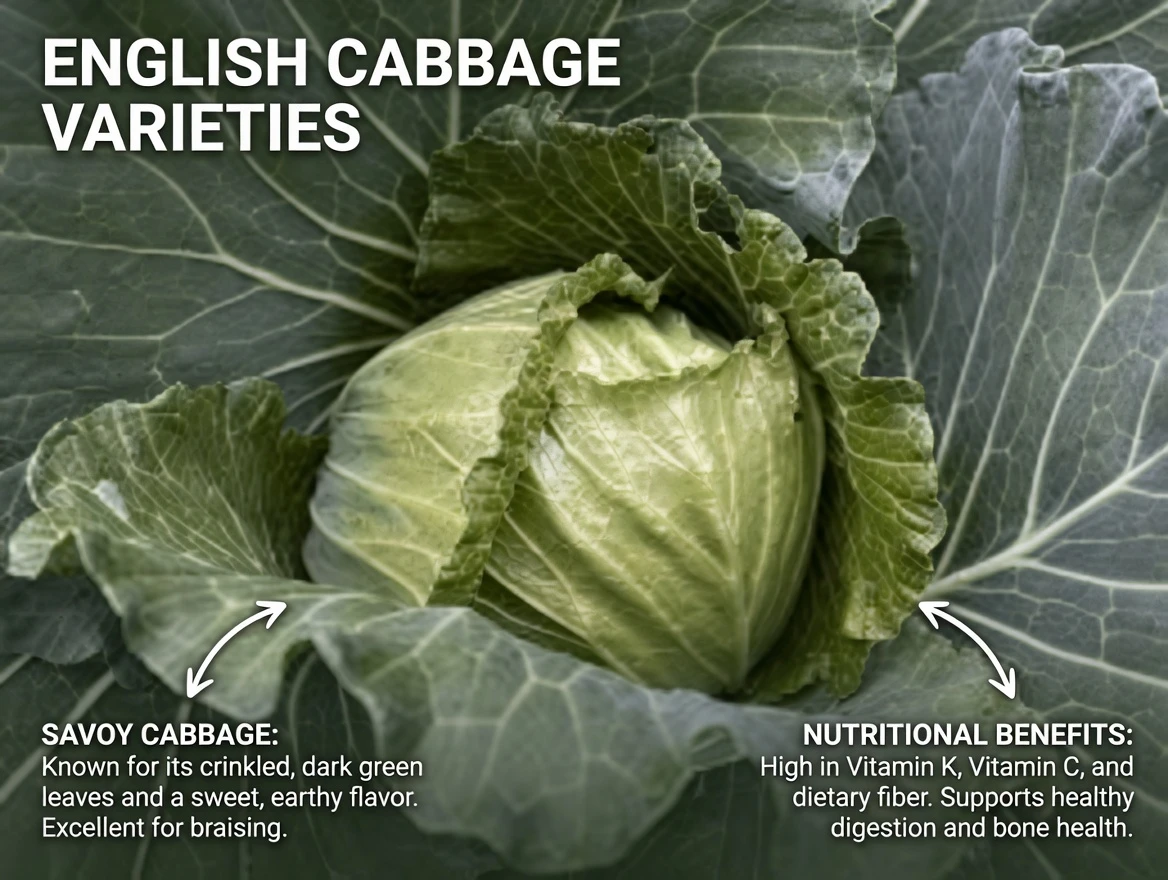
Cabbage is frequently recommended in kidney-friendly meal plans because it is typically very low in potassium, phosphorus, and sodium per standard serving. Beyond being mineral-conscious, cabbage provides:
- Vitamin K and vitamin C
- Fiber for digestive support
- Phytonutrients that contribute antioxidant activity
Its mild taste and crisp texture also make it easy to use in many cuisines—raw, sautéed, steamed, or lightly stir-fried—without needing heavy seasoning.
2. Cauliflower: A Versatile Alternative to High-Potassium Sides
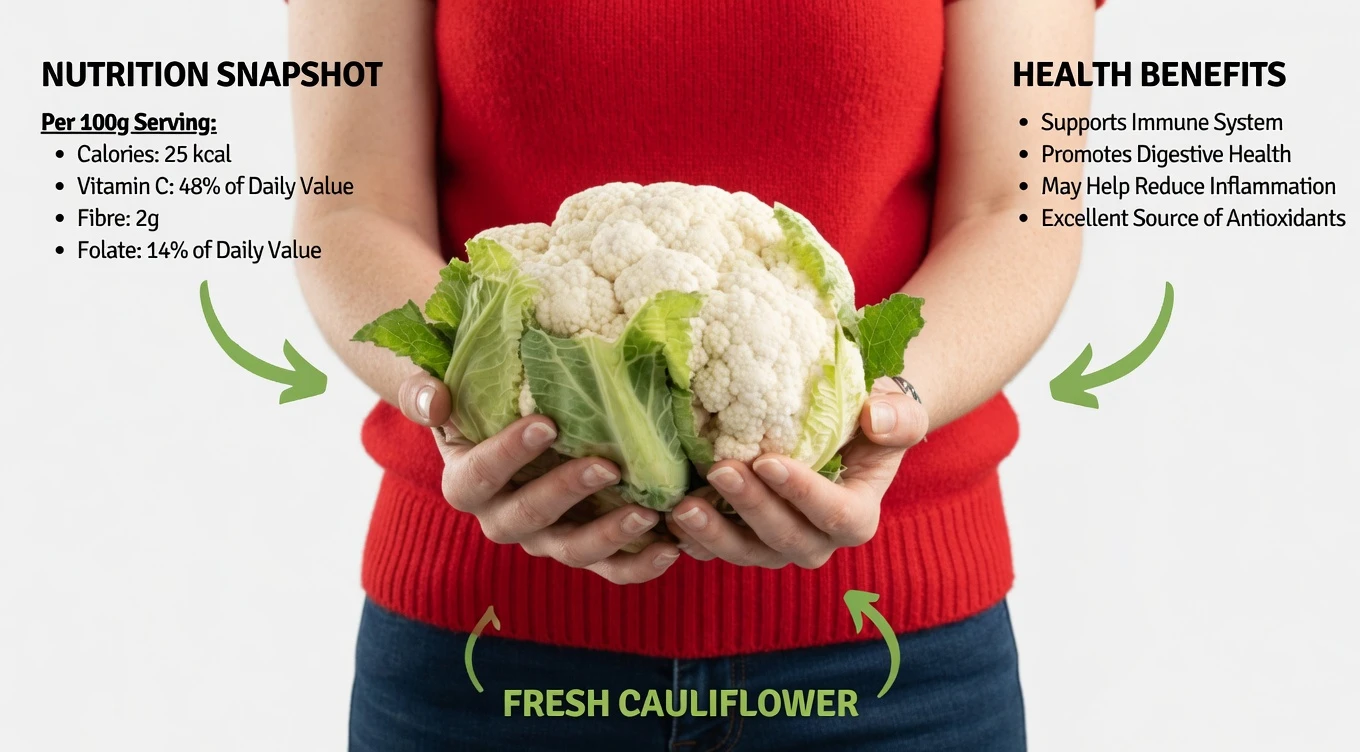
Cauliflower is often described as a “swap” vegetable because it can replace higher-potassium staples while still feeling hearty. In typical portions, cauliflower remains kidney-diet friendly and also contributes:
- Vitamin C
- Folate
- Fiber for fullness and digestive regularity
Many people use cauliflower to mimic comfort foods—such as mashed “potatoes” or rice-style dishes—without the same mineral load.
3. Red Bell Peppers: Bright Flavor with Low Potassium
Despite their bold color, red bell peppers are commonly listed among low-potassium vegetables. They’re also a strong choice for nutrient density, offering:
- Vitamin C (in high amounts)
- Vitamins A and B6
- Lycopene, an antioxidant associated with cellular protection
Because they’re naturally sweet and crisp, red bell peppers can improve meal satisfaction—whether eaten raw, roasted, or added to bowls and salads—without relying on extra sodium.
4. Onions: A Kidney-Friendly Way to Add Depth and Aroma
Onions are a simple but powerful tool for people trying to limit salt. They stay relatively low in potassium and phosphorus in typical serving sizes, while delivering flavor compounds such as:
- Quercetin, a flavonoid known for antioxidant and anti-inflammatory potential
- Natural sulfur-containing compounds that contribute to aroma and taste
Onions can be used in nearly any savory dish—soups, stir-fries, marinades, and sautéed vegetable mixes—helping meals feel rich and complete even with reduced sodium.
5. Garlic: Big Flavor, Minimal Mineral Load
Garlic is widely used in renal-friendly cooking because a small amount can transform a dish without adding much potassium, phosphorus, or sodium. It contains beneficial sulfur compounds linked with:
- Anti-inflammatory and antimicrobial activity
- Support for overall cardiovascular wellness (important since kidney and heart health are closely connected)
For many people managing kidney concerns, garlic becomes a key salt-replacement strategy—especially when paired with lemon, vinegar, herbs, or pepper.
Quick Snapshot: What These Five Vegetables Have in Common
These kidney-friendly vegetables share several practical advantages:
- Low potassium (generally under ~100 mg per common serving for the options listed)
- Low sodium and low phosphorus (helpful for reducing kidney workload)
- Antioxidant support (vitamin C, quercetin, lycopene, and other plant compounds)
- Fiber content (supports digestion and may help with waste handling through the gut)
Practical Ways to Eat Them (Without Raising Mineral Intake)
Use these habits to keep meals kidney-conscious while staying flavorful:
-
Choose fresh or frozen whenever possible
Avoid canned vegetables when they contain added salt. -
Boil and drain when appropriate
Cooking vegetables in plenty of water and discarding the liquid can reduce potassium and phosphorus for some foods. This is often referred to as leaching. -
Watch portions
A ½-cup serving is a common guideline in kidney diet planning, but your ideal portion depends on your lab results. -
Make simple, tasty combinations
- Shred cabbage into a light slaw with lemon and herbs
- Mash cauliflower as a side dish alternative
- Roast or slice red bell peppers for salads and bowls
- Build flavor bases with onions and garlic instead of salt
- Sauté all five together for a quick, nutrient-rich side
Small steps matter: add one or two of these vegetables this week and build from there.
Conclusion: Small Food Swaps That Support Everyday Kidney-Friendly Eating
Adding cabbage, cauliflower, red bell peppers, onions, and garlic to your routine can make kidney-conscious eating feel more enjoyable and sustainable. These vegetables help you create meals that are flavorful, fiber-rich, and nutrient-dense—without excessive potassium, phosphorus, or sodium.
Because kidney needs vary by person and by stage, it’s best to plan your diet with a qualified professional who can interpret your labs and medication profile.
FAQ
Are these vegetables appropriate for every stage of kidney disease?
They are commonly included in low-potassium renal diet guidelines, but the right portions and overall meal pattern should be customized based on your bloodwork, symptoms, and medical advice.
Does boiling vegetables really lower potassium?
Often, yes. Boiling in a larger volume of water and draining it can reduce potassium (and sometimes phosphorus) for certain vegetables. The effect varies by food and cooking method.
How can I add flavor without using salt?
Rely on garlic, onions, herbs, lemon juice, vinegar, pepper, and salt-free spice blends. Many people find that these options make low-sodium eating much easier.
Disclaimer
This article is for informational purposes only and does not provide medical advice. Dietary changes for kidney health should be discussed with a healthcare professional or registered dietitian, since individual needs differ based on lab results, medications, and overall health status. Never adjust your diet without professional guidance.