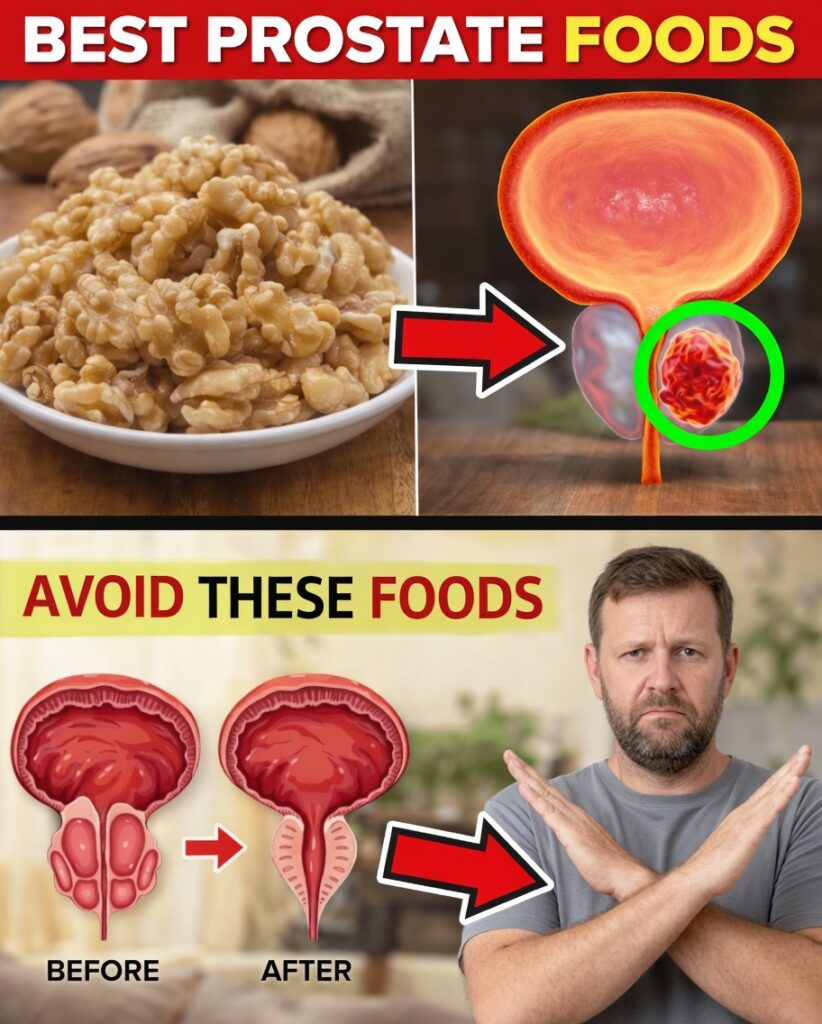
Picture yourself in your mid-50s: sleep is broken by multiple bathroom trips, travel feels stressful, and getting through the night uninterrupted seems like a luxury. As men age, the prostate—only about the size of a walnut—can start affecting daily comfort in surprisingly big ways. Common complaints include frequent urination, a weaker stream, and persistent pressure or discomfort, often made worse by inflammation-promoting eating habits.
The encouraging part is that research increasingly connects prostate-friendly outcomes with everyday food choices. Many urologists recommend specific grocery-store staples as part of a broader, balanced lifestyle approach. And there’s one “plain” vegetable most men overlook—keep reading to find it, plus simple ways to build a prostate-supportive plate without turning your routine upside down.
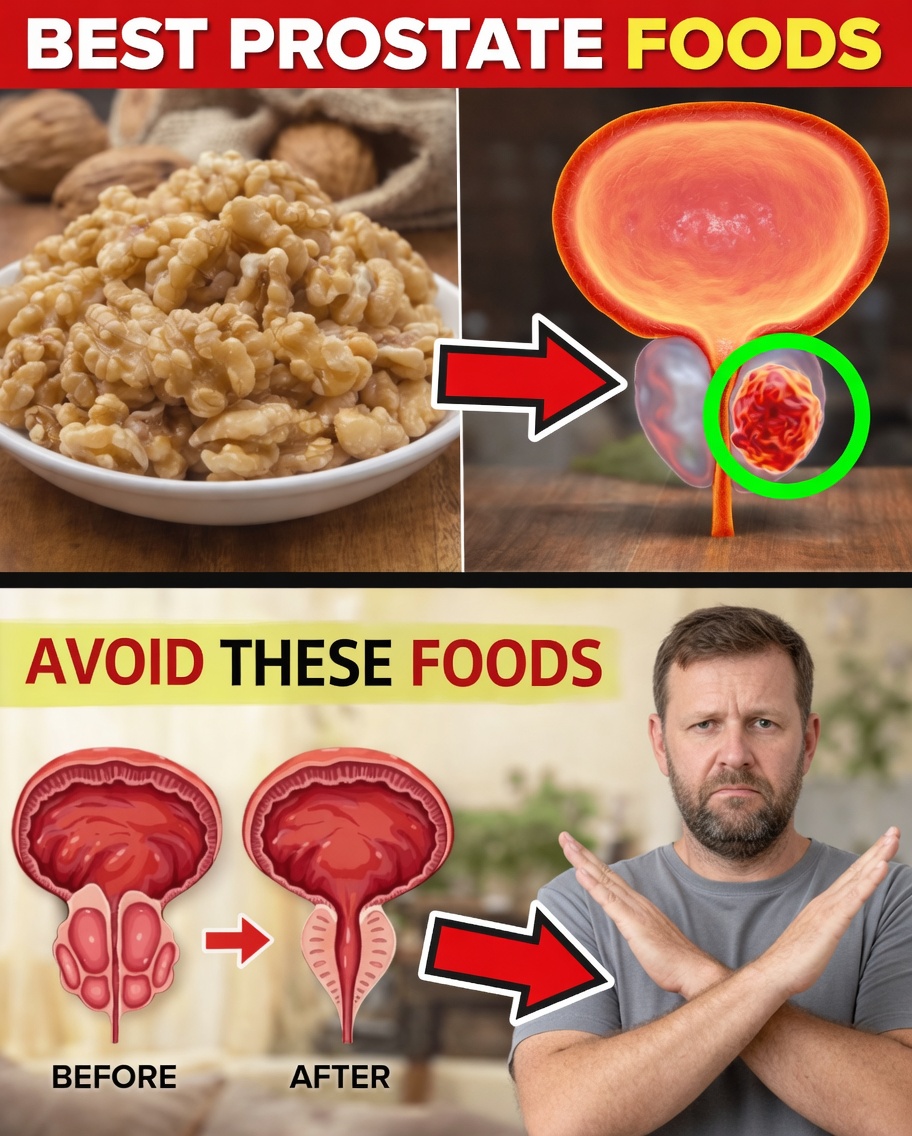
Why Prostate Health Becomes a Bigger Issue With Age
Prostate-related changes become more common over time. By age 60, many men notice classic signs—waking at night to urinate, urgency, or reduced flow. Meanwhile, modern diets that lean heavily on processed foods, added sugars, and high intakes of red or processed meats may contribute to chronic inflammation, a factor often associated with long-term prostate challenges.
While food isn’t a standalone cure, evidence suggests dietary patterns can play a meaningful supportive role. Studies frequently highlight antioxidant-rich, anti-inflammatory foods that may help protect cells, reduce oxidative stress, and support healthier prostate function. Below are 10 options that come up repeatedly in research and urology conversations.
10 Prostate-Friendly Foods Urologists Commonly Discuss
10. Tomatoes: A Natural Source of Lycopene
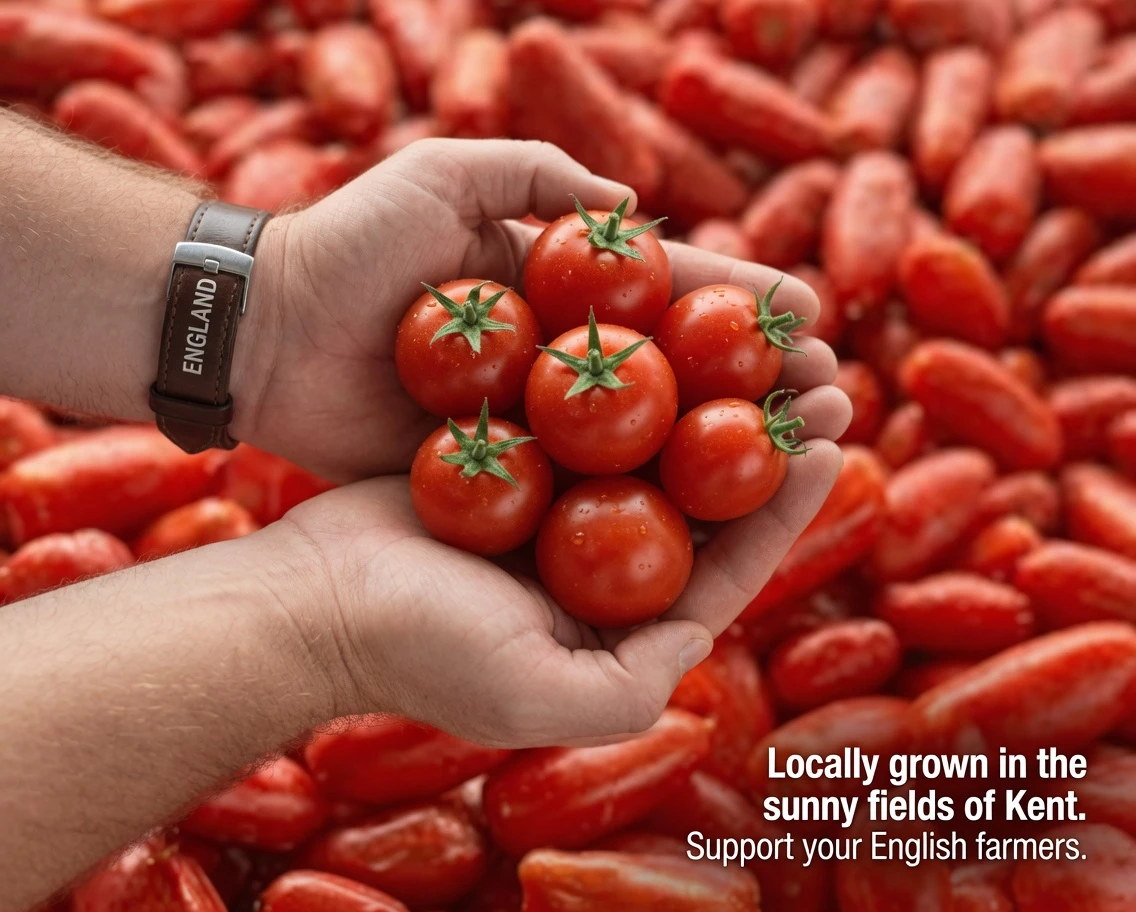
Tomatoes are known for lycopene, an antioxidant that tends to accumulate in prostate tissue. Major health sources, including academic reviews often referenced by institutions such as Johns Hopkins and Harvard Health, discuss lycopene’s potential role in helping defend cells from oxidative damage.
A key detail: cooked tomatoes (sauces, stewed tomatoes, roasted tomatoes) typically make lycopene more bioavailable than raw tomatoes. A practical habit is to use tomato-based sauces a few times per week—an easy, low-effort upgrade.
Up next is a protein option many men already like, with a strong anti-inflammatory profile.
9. Fatty Fish: Omega-3 Support Against Inflammation
Fish such as salmon, sardines, and mackerel provide omega-3 fatty acids, widely recognized for their inflammation-calming effects. Organizations and clinical resources like the Urology Care Foundation and Mayo Clinic frequently highlight omega-3-rich foods for overall wellness and potential prostate support.
A realistic target is 2–3 servings per week. Grilling or baking with lemon and herbs keeps it straightforward and helps replace less ideal protein choices.
The next pick is a crunchy pantry staple with minerals the prostate relies on.
8. Nuts and Seeds: Zinc and Selenium in Small Portions
Certain nuts and seeds are especially helpful for key minerals:
- Pumpkin seeds: rich in zinc, a mineral highly concentrated in prostate tissue
- Brazil nuts: a top source of selenium, linked in studies to cellular protection
A small daily portion—sprinkled on yogurt or eaten as a snack—adds nutrients quickly. Because nuts are calorie-dense, keeping servings modest is the smart move.
Now for a simple drink habit that can replace sugary beverages.
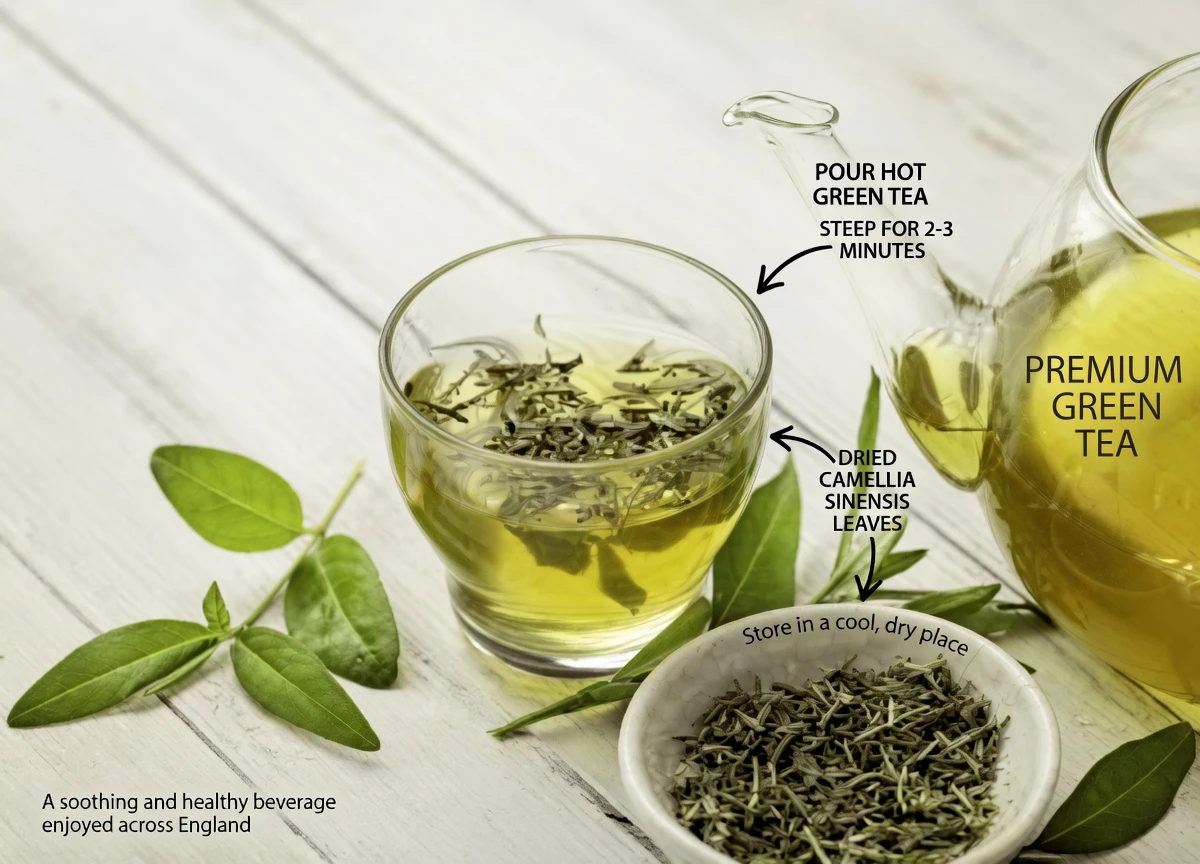
7. Green Tea: EGCG and Protective Plant Compounds
Green tea contains catechins, especially EGCG, widely studied for its potential to support healthy cell behavior. Population research—particularly in parts of Asia—often finds correlations between regular green tea intake and more favorable prostate outcomes.
Many people aim for 3–5 cups per day, hot or iced, which can also reduce reliance on sweetened drinks. For some, it brings an added bonus: steady focus without heavy calories.
Next is a sweet, colorful option that delivers antioxidants with minimal downside.
6. Berries: Antioxidants Without Excess Sugar
Blueberries, strawberries, raspberries, and blackberries are packed with anthocyanins, compounds that help counter oxidative stress. They’re also naturally lower in calories and can fit into most eating styles.
Frozen berries are typically comparable to fresh in nutrient quality. Easy ways to use them:
- stir into oatmeal
- blend into smoothies
- eat by the handful as a snack
For consistency, aim for 5–7 servings per week.
Now comes the vegetable many men call “boring,” but urologists and researchers keep putting near the top.
5. Cruciferous Vegetables: Sulforaphane (The Most Overlooked)
Broccoli, cauliflower, Brussels sprouts, kale, and cabbage contain glucosinolates that can convert into sulforaphane. Research frequently cited by the NIH and in urology-oriented discussions highlights sulforaphane’s potential role in supporting detoxification pathways and promoting healthier cellular function.
Cooking method matters: light steaming can help preserve beneficial compounds. If taste is the barrier, try roasting with olive oil, garlic, salt, and pepper to make these vegetables far more appealing. A helpful target is 4–5 servings weekly.
Next is a group of foods known for fiber—important for gut health and hormone regulation.
4. Legumes: Fiber and Folate for Better Regulation
Lentils, chickpeas, black beans, and other legumes provide:
- fiber, supporting gut health and helping regulate hormones
- folate, important for normal cellular function
They’re also extremely versatile: soups, salads, dips, and grain bowls. If you use canned beans, rinse them to reduce sodium. Start with 3–4 servings per week to let digestion adapt smoothly.
Next is a tart, juicy fruit often discussed for its antioxidant density.
3. Pomegranates: Polyphenols and Oxidative Stress Defense
Pomegranate arils (seeds) and pure pomegranate juice deliver polyphenols, which have been studied for antioxidant and anti-inflammatory effects. Some research also discusses possible support for PSA stability, though results vary and should be interpreted with appropriate medical context.
Choose no-added-sugar juice when possible. A common approach is about 8 oz a few times per week, or add the seeds to salads and yogurt.
Now for a spice that shows up repeatedly in inflammation research.
2. Turmeric: Curcumin for Broad Inflammatory Pathways
Turmeric’s key compound, curcumin, is studied across multiple inflammation-related pathways. Absorption improves significantly when turmeric is paired with:
- black pepper (piperine)
- a source of fat (olive oil, yogurt, coconut milk)
Many men find 1 teaspoon daily easy to work in—added to soups, rice, eggs, curries, or “golden milk.”
Finally, the top contender often mentioned in population research and recent reviews.
1. Whole Soy Foods: Isoflavones and Hormone Balance
Whole soy foods—such as tofu, edamame, tempeh, and soybeans—contain isoflavones, compounds associated in multiple population studies with more favorable prostate patterns. Recent meta-analyses and reviews (including 2024–2025 research discussions) commonly report an association between higher soy intake and reduced prostate cancer risk.
The best approach is moderation and whole-food forms: consider 3–4 servings weekly in stir-fries, bowls, or snacks. Many urologists prefer whole soy foods over highly processed isolates.
Quick Reference Table: What Each Food Offers
- Tomatoes — lycopene — oxidative protection — cooked forms may increase availability
- Fatty fish — omega-3s — inflammation support — often recommended at 2–3 servings/week
- Cruciferous vegetables — sulforaphane — cell and detox pathway support — light steaming helps preserve compounds
- Nuts and seeds — zinc, selenium — cellular support — portion size matters
- Green tea — EGCG — antioxidant/cell-support potential — commonly 3–5 cups/day
- Berries — anthocyanins — antioxidant boost — frozen can be nutritionally comparable to fresh
- Legumes — fiber, folate — gut and hormone regulation — easy to add to soups/salads
- Pomegranates — polyphenols — oxidative stress defense — choose pure, no-sugar-added juice
- Turmeric — curcumin — multi-pathway inflammation support — pair with pepper + fat for absorption
- Soy foods — isoflavones — hormone environment support — choose whole soy in moderation
A Simple Weekly Plan You Can Actually Follow
- Tomatoes: marinara, roasted tomatoes, or tomato-based soups (3–4 servings/week)
- Fatty fish: salmon dinner or sardines in a salad (2–3 times/week)
- Cruciferous vegetables: roasted broccoli or steamed Brussels sprouts (4–5 servings/week)
- Nuts/seeds: small handful or a yogurt topping (daily, modest portion)
- Green tea: brew through the day (3–5 cups/day)
- Berries: add to breakfast or snack (5–7 servings/week)
- Legumes: lentil soup or chickpea salad (3–4 times/week)
- Pomegranates: seeds in salads or pure juice (2–3 servings/week)
- Turmeric: season meals or drink golden milk (~1 tsp/day)
- Soy: tofu stir-fry or edamame snack (3–4 servings/week)
If this feels like a lot, choose 2–3 items to start this week and build from there.
What Men Often Notice After Sticking With It
Many men who consistently add a few of these foods—such as swapping in salmon, eating more roasted broccoli, and cutting back on processed foods—describe improvements in overall energy and better sleep over time. Some report fewer disruptive nighttime bathroom trips after months of steady habits. While experiences differ, consistency tends to matter more than perfection.
Common Obstacles (And Practical Fixes)
-
“Vegetables taste bland.”
Roast cruciferous veggies with olive oil, garlic, and seasoning for better flavor. -
“I don’t have time to cook.”
Use frozen berries, rinsed canned beans, jarred tomato sauce, and pre-cut vegetables. -
“Could this interact with my medications?”
These foods generally fit a healthy diet, but discuss any concerns with your clinician—especially if you take blood thinners, have thyroid issues, or manage complex conditions. -
“Is soy safe?”
Current evidence generally supports moderate whole soy foods as part of a balanced diet for most men.
The bigger risk for many people is keeping the same inflammation-heavy eating pattern while symptoms gradually increase.
Your 3-Step Starter Plan for Today
- Check your kitchen: identify 3 items from the list you already have.
- Make one swap: add berries at breakfast or choose fish instead of red meat once this week.
- Track what changes: note sleep quality, urgency, or nighttime bathroom trips—and share the pattern with your urologist at your next visit.
Over months, small additions can add up to more comfortable days—and calmer nights. Cooking tomatoes this weekend is a simple first step that can meaningfully increase lycopene availability.